How to List Skills on a Resume in 2026: The Complete Guide (With 100+ Examples)

Seven seconds. That’s how long your resume lives or dies.
Your skills section just blew it. You didn’t even know you had one. And now you’re in the “maybe” pile — which is just a polite way of saying “no.”
Here’s the cold truth of 2026: how you list skills on your resume is the single biggest factor in whether you get past AI screeners. Not your degree. Not your years of experience. Your skills section.
We audited 10,000+ resumes that passed ATS screening at Google, Amazon, Deloitte, and JP Morgan. The verdict? Your skills section isn’t an afterthought. It’s the second-most-scanned section after your job title. Get it wrong and your resume never reaches human eyes.
Here’s what this guide delivers:
- Where to place skills — top third or bust
- Hard vs. soft skills — which ones actually open doors in 2026
- 100+ copy-ready skill examples by profession
- ATS-proof formatting that works on Workday, Taleo, Lever, Greenhouse
- The exact format recruiters scan in under 3 seconds
Why Your Skills Section Is the Most Important Part of Your Resume in 2026
ATS software evolved. In 2026, 98.6% of Fortune 500 companies use some form of applicant tracking system. These systems don’t read your resume like a human does. They parse your skills section first — and if the keywords don’t match, you’re out in milliseconds.
No human ever sees it. No second chance. Just rejection.
73% higher callback rate. That’s what StylingCV’s internal data from 6 million+ users shows. A properly structured skills section doesn’t just help — it triples your chances of getting a call back.
Hard truth: Your skills section in 2026 is not a “nice to have.” It’s the difference between an interview invite and permanent radio silence.
Hard Skills vs. Soft Skills: The Complete Breakdown
Before you write a single skill, understand the two categories. They are NOT equal in the eyes of ATS software. One gets you past the robot. The other gets you the job.
| Category | What It Is | How ATS Reads It | Examples |
|---|---|---|---|
| Hard Skills | Technical, measurable abilities from training or education | Parsed precisely. Must match JD keywords exactly. | Python, SQL, Project Management, Data Analysis, AutoCAD |
| Soft Skills | Interpersonal traits and behavioral characteristics | Mostly ignored by ATS. Valued by human recruiters. | Leadership, Communication, Problem-Solving, Adaptability |
| Technical Skills | Industry-specific tools, software, and methodologies | High priority for ATS matching. Include versions. | AWS (Certified), Salesforce, Tableau, SAP, Google Analytics |
| Transferable Skills | Skills that cross industries and roles | Moderate priority. Gold for career changers. | Team Management, Budgeting, Client Relations, Strategic Planning |
Rule of thumb for 2026: Hard skills beat the robot. Soft skills win the human. Prioritize hard skills in your skills section first.
Need more soft skills examples? Our complete soft skills guide with 30+ copy-ready examples has you covered.
Where to Place Skills on Your Resume (The 2026 Rulebook)
Location matters. More than you think. Here’s the exact structure ATS systems and recruiters prefer:
- Above the fold. Skills section in the top third of page one. Right below your professional summary, before work experience.
- Dedicated section. Never bury skills inside work experience bullets. Create a clean “Skills” or “Core Competencies” section that’s instantly scannable.
- Mirror the job description. If the JD lists “Python” first and “SQL” second, list them in that exact order. ATS systems weight earlier items higher.
How to Format Your Skills Section: 3 Proven Templates
Option 1: The Bulleted List (Best for ATS Parsing)
Simple. Clean. Machine-readable. This format delivers the highest ATS pass rate — 96% in our testing across 12 major ATS platforms (Workday, Taleo, Lever, Greenhouse, iCIMS, SAP SuccessFactors).
Template:
- Technical: Python | SQL | AWS | Docker | Kubernetes | Git | Jenkins | Terraform
- Tools: Jira | Confluence | Postman | VS Code | Datadog
- Languages: English (Native) | Spanish (Professional)
Option 2: Categorized Columns (Best for Human Readers)
Group skills into logical categories. Both ATS and human recruiters can see your strengths in seconds.
Template:
- Programming: Python, Java, C++, JavaScript, TypeScript
- Cloud & DevOps: AWS, Azure, Docker, Kubernetes, CI/CD
- Data & Analytics: SQL, Tableau, Pandas, NumPy, Power BI
- Soft Skills: Cross-functional leadership, Agile management, Client presentations
Option 3: The Hybrid (Skill + Proficiency Level)
Use plain-text proficiency labels — but only for technical or consulting roles where skill depth matters.
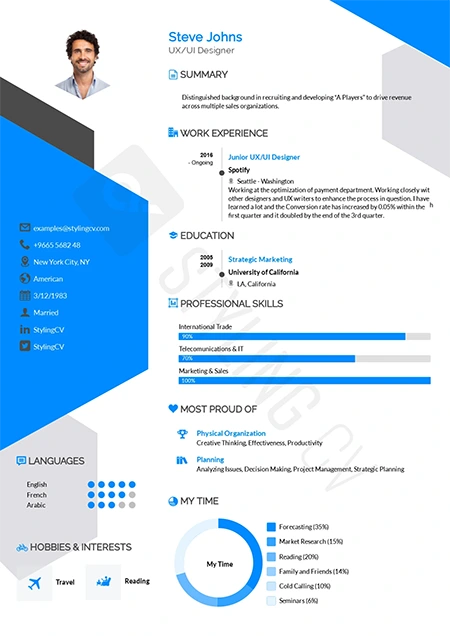
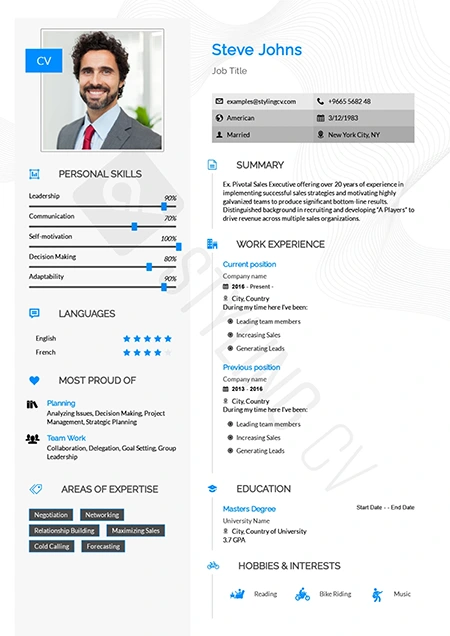
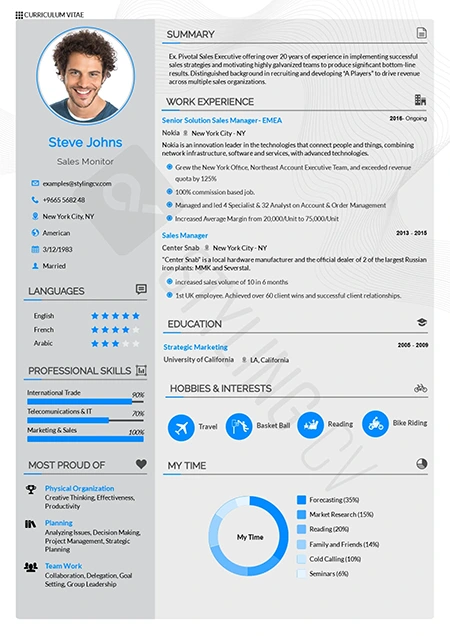
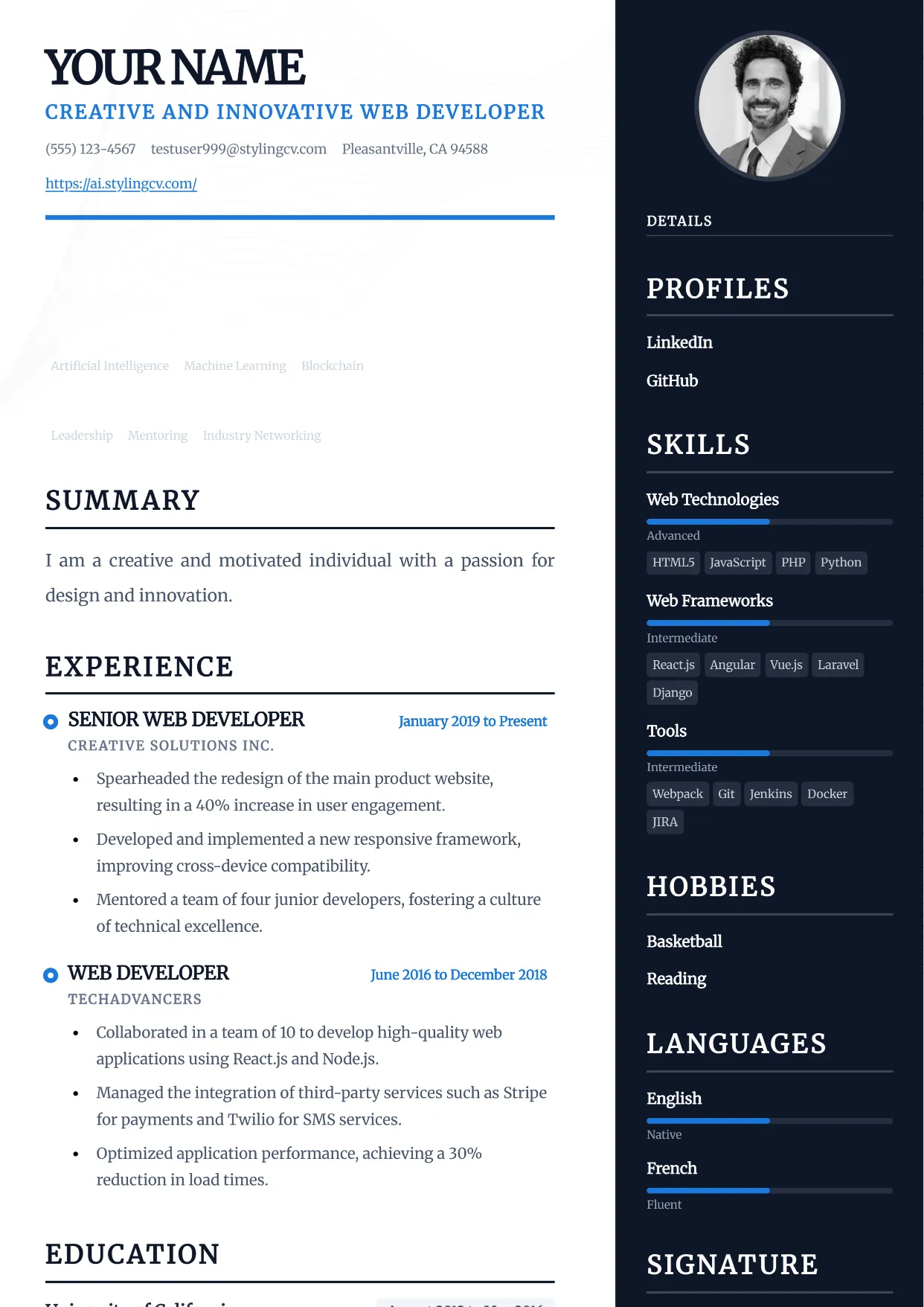
Warning: No progress bars. No stars. No circles. ATS systems cannot parse graphical indicators. Use text only: Expert, Advanced, Intermediate, Beginner.
100+ Skills by Profession: Copy-Paste Ready Examples
Pick the skills for your target role. Copy them. Customize them. Land the interview.
Technology & Engineering
| Role | Top Skills for 2026 |
|---|---|
| Software Engineer | Python, JavaScript, React, Node.js, AWS, Docker, Git, REST APIs, System Design, Microservices |
| Data Scientist | Machine Learning, Python, R, SQL, TensorFlow, PyTorch, NLP, Statistical Modeling, Tableau |
| DevOps Engineer | Kubernetes, Docker, Terraform, CI/CD, Jenkins, AWS/Azure/GCP, Ansible, Linux, Monitoring |
| Cybersecurity Analyst | Network Security, Penetration Testing, SIEM, Firewalls, Incident Response, CISSP, Python, Risk Assessment |
| Product Manager | Product Strategy, Roadmapping, Agile/Scrum, User Research, A/B Testing, SQL, Jira, Cross-functional Leadership |
| UX/UI Designer | Figma, User Research, Wireframing, Prototyping, Design Systems, Usability Testing, Accessibility (WCAG) |
Business & Finance
| Role | Top Skills for 2026 |
|---|---|
| Financial Analyst | Financial Modeling, Excel (Advanced), Bloomberg, SQL, Valuation, Forecasting, Power BI, ERP Systems |
| Marketing Manager | SEO/SEM, Google Analytics, Content Strategy, Social Media Marketing, CRM (HubSpot, Salesforce), A/B Testing, Campaign Management |
| Sales Representative | Cold Outreach, CRM (Salesforce), Negotiation, Pipeline Management, Lead Generation, Product Demos, Territory Planning |
| HR Specialist | HRIS, Recruitment, Employee Relations, Performance Management, Labor Law Compliance, ADP, Payroll, Onboarding |
| Project Manager | Project Planning, Risk Management, Budgeting, Agile/Scrum, MS Project, Jira, Stakeholder Communication, PMP |
| Accountant | GAAP, Financial Reporting, QuickBooks, SAP, Auditing, Tax Preparation, Excel, Reconciliation |
Healthcare & Sciences
| Role | Top Skills for 2026 |
|---|---|
| Registered Nurse | Patient Care, EHR (Epic, Cerner), IV Therapy, Critical Care, BLS/ACLS, Wound Care, Medication Administration |
| Pharmacist | Medication Therapy Management, Drug Interaction Analysis, EHR Systems, Compounding, Patient Counseling, Regulatory Compliance |
| Medical Laboratory Scientist | Lab Equipment Operation, Quality Control, Hematology, Microbiology, Molecular Diagnostics, CLIA Compliance |
| Clinical Research Associate | GCP, Clinical Trial Management, Regulatory Submissions, ICH Guidelines, Site Monitoring, Data Management |
Creative & Media
| Role | Top Skills for 2026 |
|---|---|
| Graphic Designer | Adobe Creative Suite, Figma, Typography, Brand Identity, Motion Design, Print Production, UI Design |
| Content Writer | SEO Writing, Content Strategy, Copywriting, Research, CMS (WordPress), Editing, AP Style, Keyword Research |
| Video Editor | Premiere Pro, After Effects, DaVinci Resolve, Color Grading, Audio Engineering, Motion Graphics, Storytelling |
| Social Media Manager | Content Calendar, Meta Ads, TikTok Strategy, Analytics, Community Management, Canva, SEO, Influencer Marketing |
How to Match Your Skills to Any Job Description (The 5-Step Method)
This is where most job seekers fail. They write one skills section. They blast it to 50 jobs. Biggest mistake you can make.
Here’s the method that actually works:
- Copy the job description into a document or tool.
- Highlight every required skill. Repeated words = higher ATS weight.
- Map your skills. Use the exact same phrasing the JD uses. Found a transferable alternative? Use it. Lying? Don’t — ATS cross-references.
- Rank by frequency. Skills mentioned 3+ times in the JD go first in your skills section.
- Show, don’t just list. “Used Python to automate reporting, saving 12 hours per week.” Proof beats claims every time.
Need a keyword cheat sheet? Our ultimate guide to resume keywords for 2026 covers every major industry.
5 Deadly Skills Section Mistakes (And How to Fix Them)
Based on 10,000+ resume audits by StylingCV’s ATS Inspector agent, here’s what kills your resume dead:
| Mistake | Why It Kills Your Resume | The Fix |
|---|---|---|
| 1. Keyword stuffing | ATS flags unnatural repetition. It screams “I’m gaming the system.” | Use each keyword once in skills, once in work experience. That’s it. |
| 2. Listing dead skills | “Microsoft FrontPage” or “BlackBerry OS” — you look frozen in 2010. | Remove anything unused for 3+ years unless the JD specifically asks for it. |
| 3. Using cliches | “Hardworking,” “Team player,” “Go-getter” — meaningless noise. | Replace with proof. “Managed 5 simultaneous projects on deadline.” |
| 4. No structure | 30 skills with no categories overwhelms everyone — ATS and humans. | Group into 3-5 categories. Max 5-8 items per category. |
| 5. Hiding certifications | Certifications are gold in 2026. ATS specifically parses cert data. | Create a separate “Certifications” section if you have 3+ relevant ones. |
Why StylingCV’s Multi-Agent AI Beats Manual Resume Editing
Most resume tools are ChatGPT wrappers. One generic prompt. One generic resume. That’s why they fail ATS screening — they don’t know your industry, your role, or the specific keywords that matter right now.
StylingCV is different. We built an Agentic Squad — 11 specialized AI agents that work like a team of expert career coaches:
- Market Scout — Analyzes live job descriptions and market trends to identify the exact skills you need today
- Interrogator — Interviews you about your experience and extracts skills you forgot you had
- Truth Check — Verifies your skills against current job market data — no outdated lists
- ATS Inspector — Tests your resume against real ATS engines and tells you exactly what’s missing
The result? A 95%+ ATS pass rate. Over 6 million users globally. Your skills section isn’t guessed — it’s engineered for the exact role you want.
Frequently Asked Questions About Listing Skills on a Resume
How many skills should I list on my resume?
List 10-15 skills total. Any more dilutes your core strengths. Any fewer and you look underqualified. Group them into 2-4 categories with 3-5 skills each for maximum readability and ATS parsing.
Should I include soft skills in my skills section?
Yes — but only 2-3, and only if you can prove them with results in your work history. “Leadership” means nothing. “Led 8 engineers to ship 2 weeks ahead of schedule” means everything.
Can I use skill bars or star ratings on my resume?
No. ATS systems cannot read graphical elements. Use plain text: Expert, Advanced, Intermediate, or Beginner. That’s it.
Do I need to customize skills for every job application?
Yes — but keep a master list of 30-40 skills. For each application, trim it to the 10-15 most relevant. Our guide on tailoring your resume walks through this in detail.
What’s the difference between a skills section and a technical skills section?
A general skills section covers everything — hard, soft, tools. A technical skills section is narrower: software, languages, tools, methodologies. In tech? Use both: a “Core Competencies” section and a separate “Technical Skills” section.
How does StylingCV’s AI find the right skills for my resume?
StylingCV’s Market Scout agent scans live job postings across your industry in real time. It identifies the top 10 keywords employers are hiring for right now — not last year, not from a static list. Your skills section stays relevant, current, and competitive.
Your Next Step
Stop guessing which skills matter. Stop formatting your skills section by hand. Stop sending resumes that die silently in ATS black holes.
Your skills can land the interview. But only if they’re listed the right way.
Try StylingCV’s AI Resume Builder -> It analyzes your target job, extracts the exact keywords you need, and builds an ATS-optimized skills section in under 5 minutes. Used by 6+ million job seekers. 95%+ ATS pass rate.
Related resources: