ATS-Verified

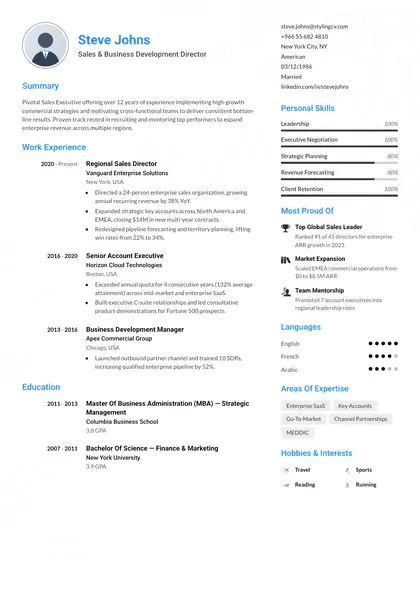
Alfred
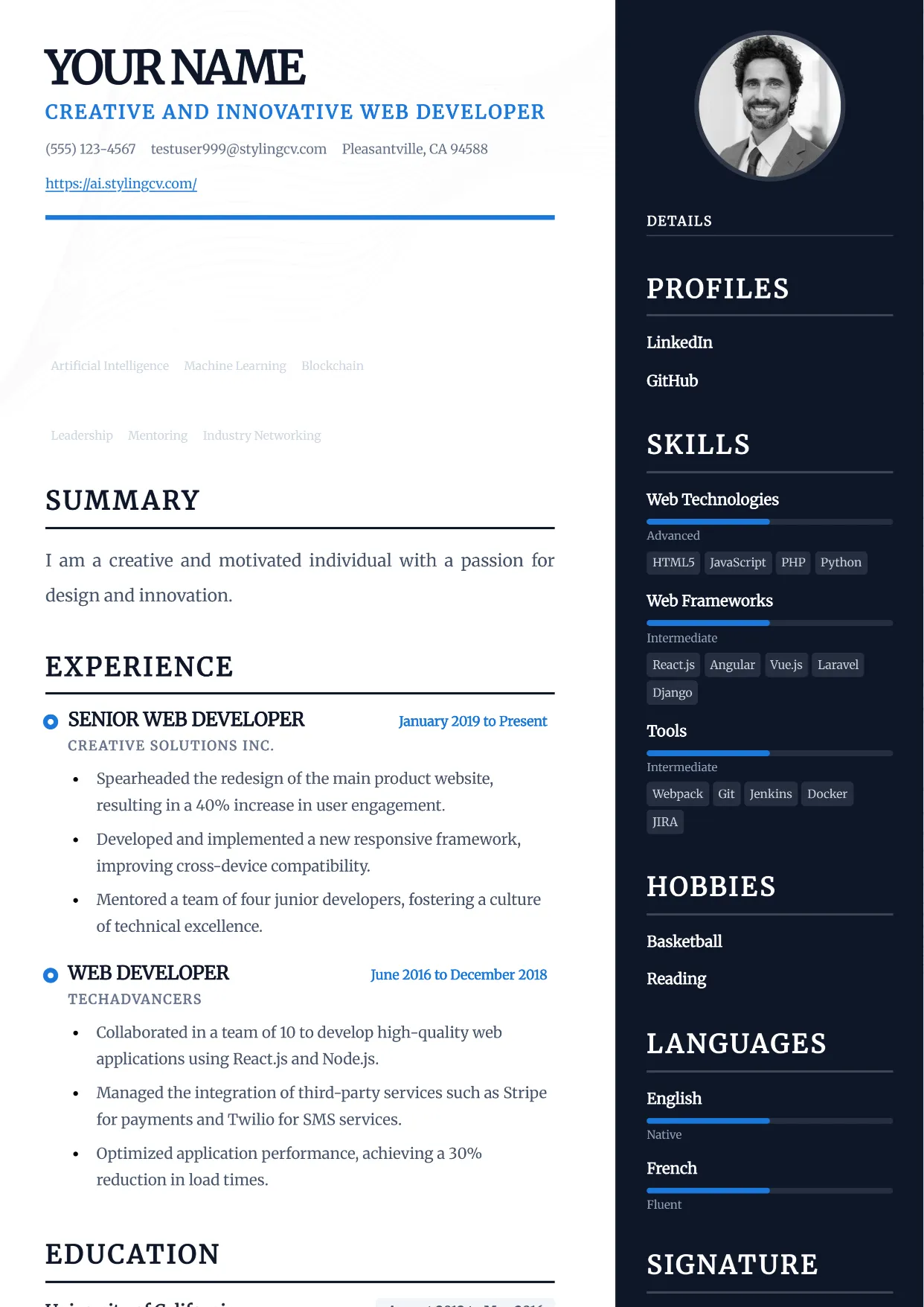
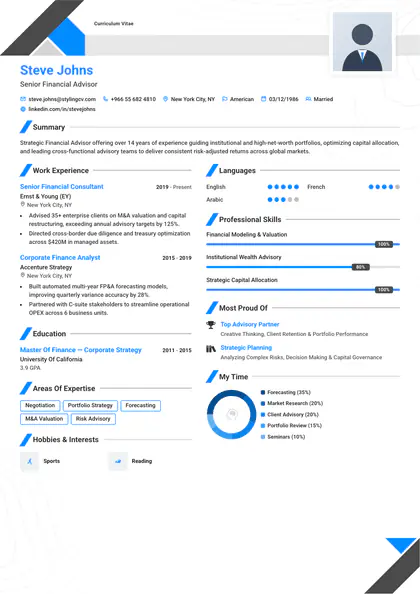
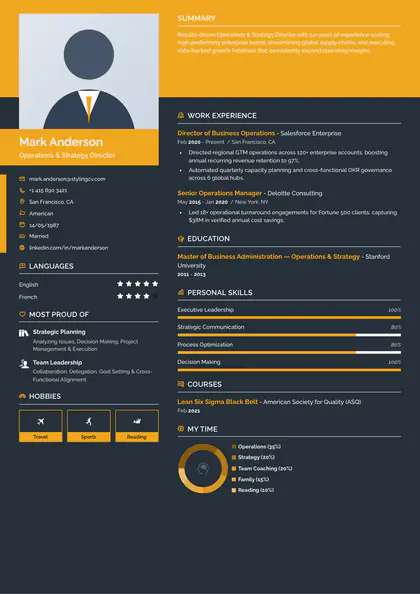
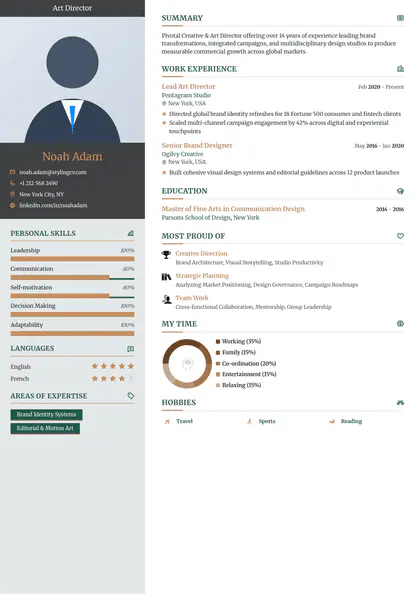
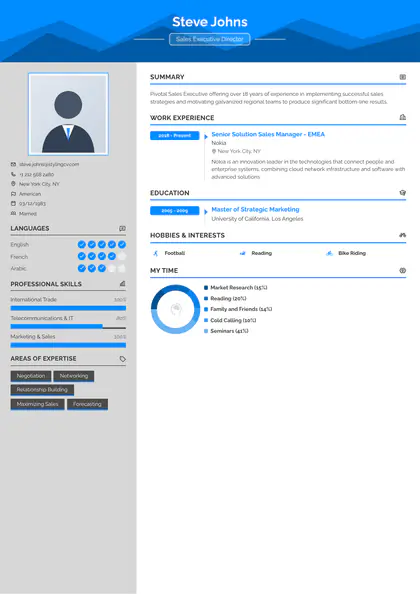
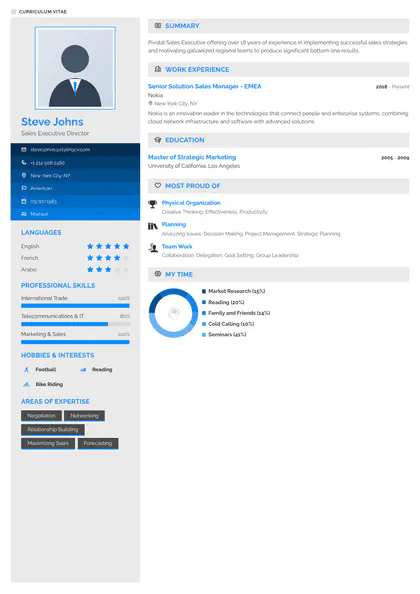
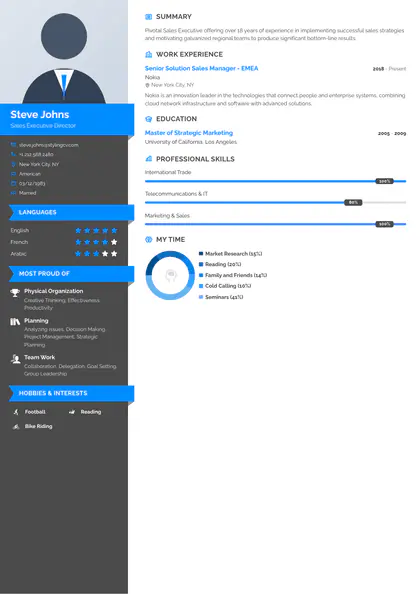
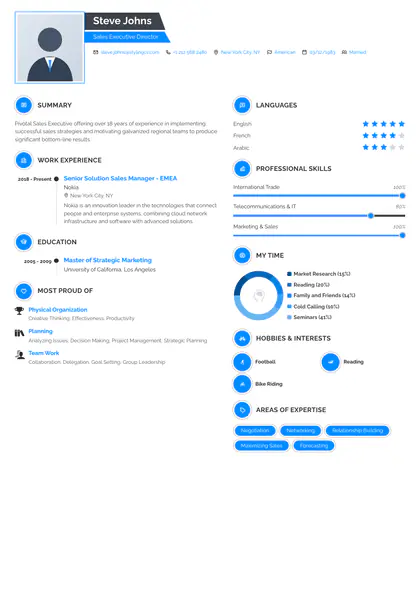
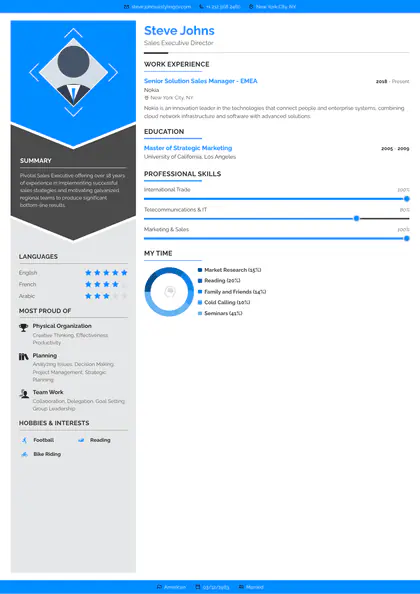
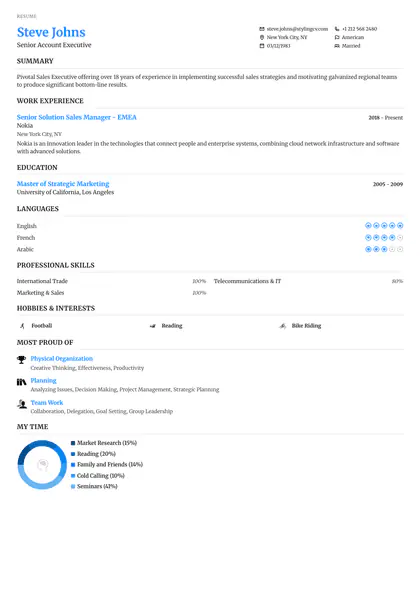
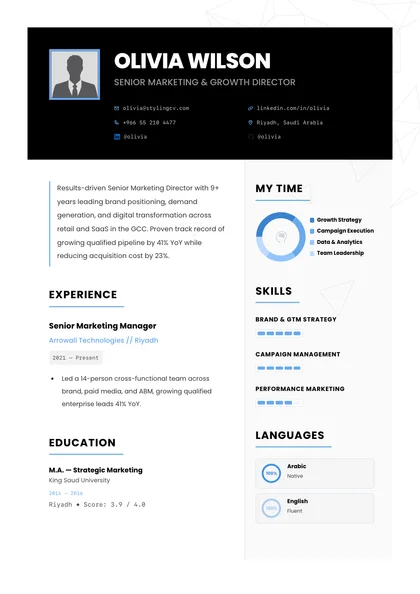
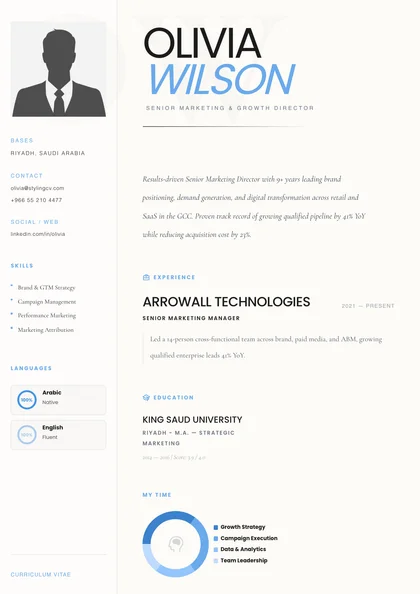
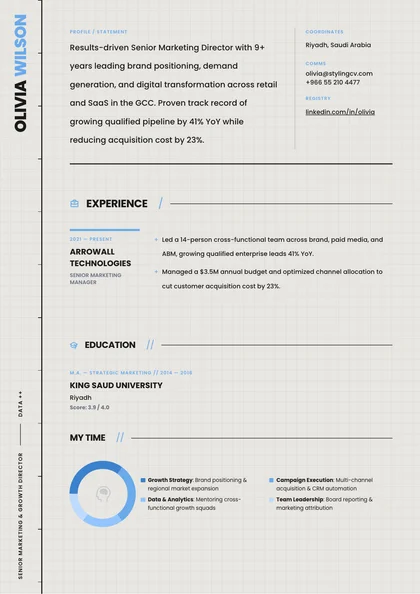
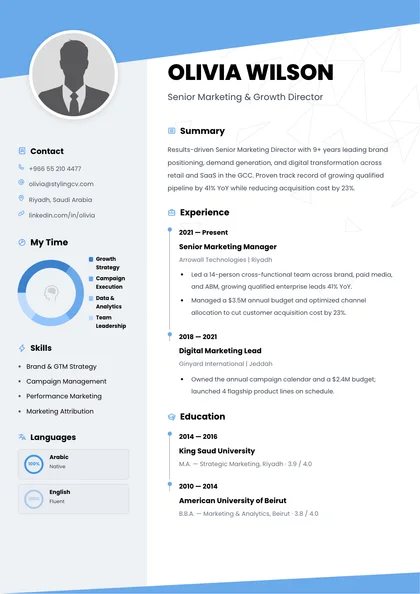
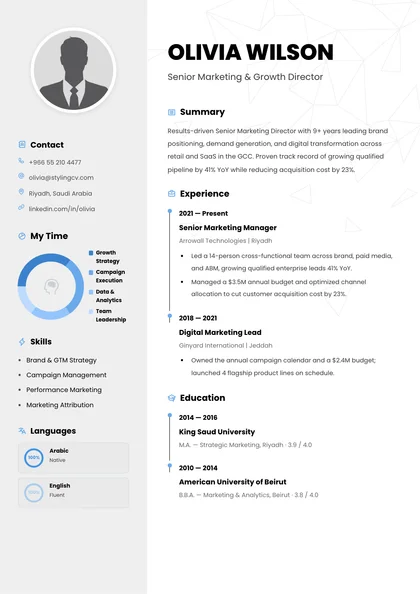
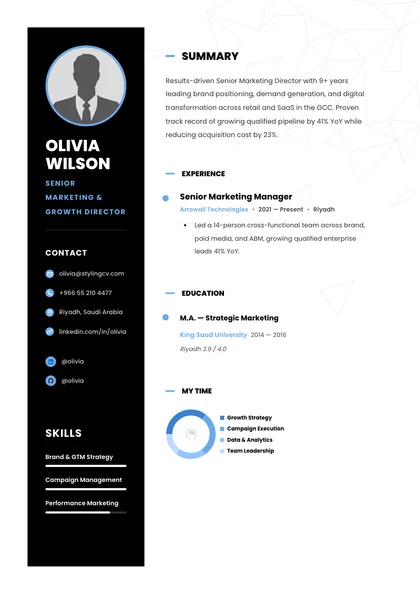
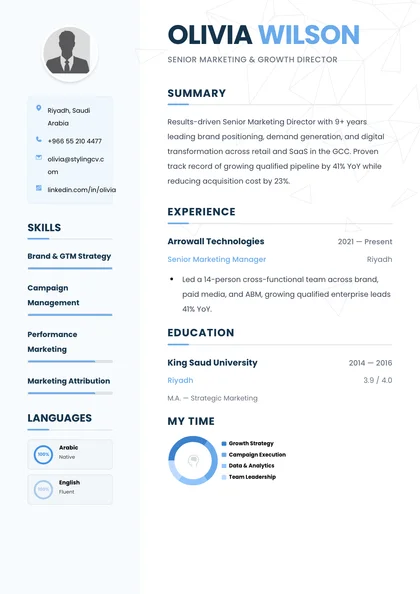
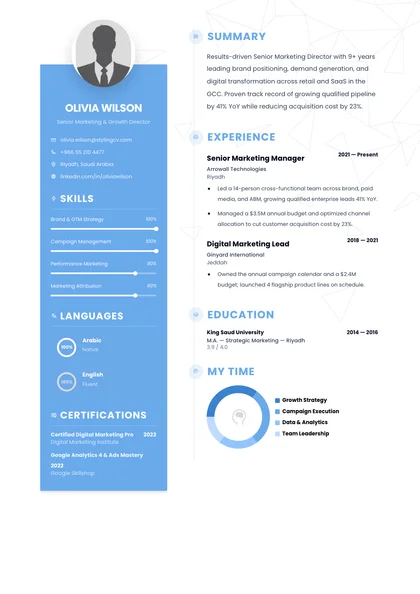
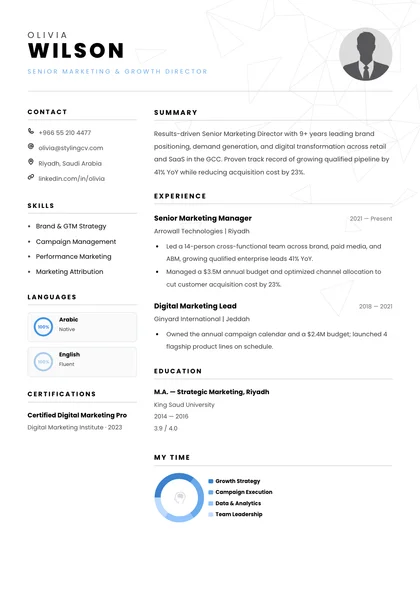
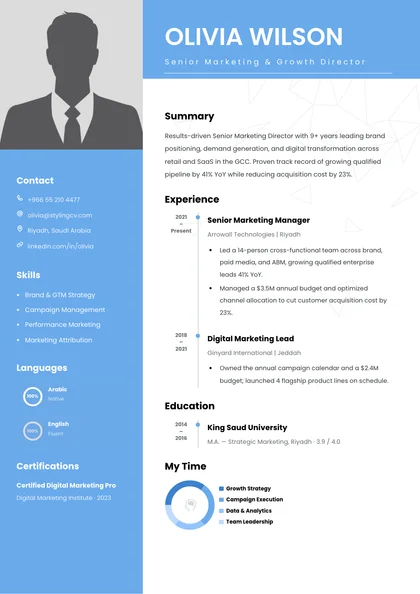
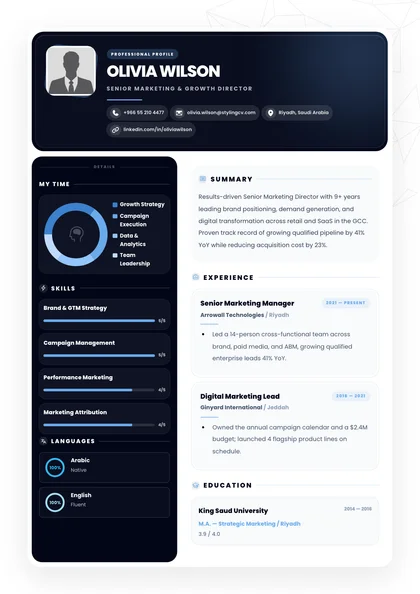
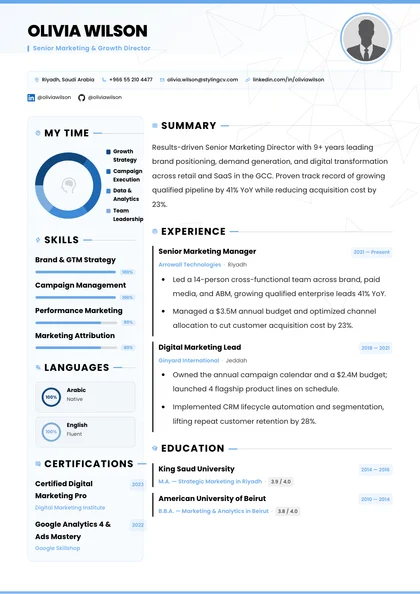
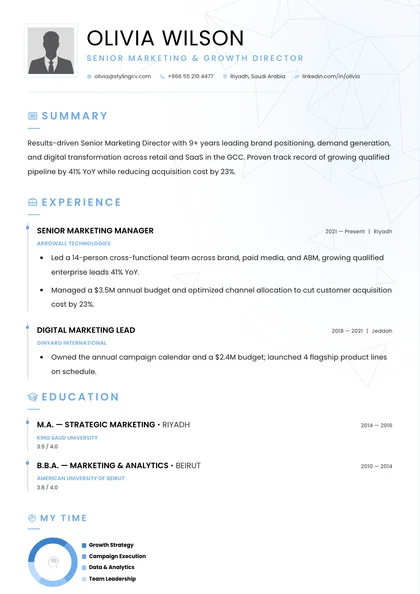
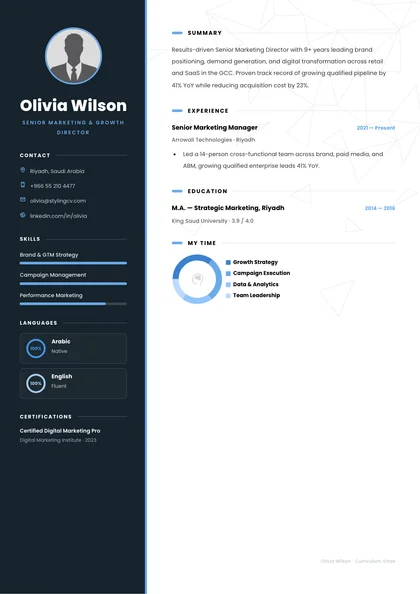
Structured executive layout for senior roles, ATS-ready
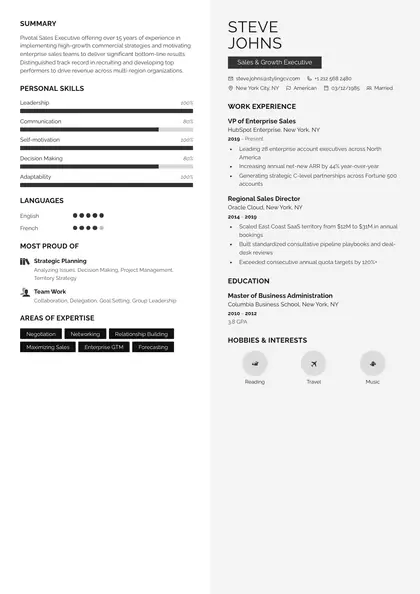
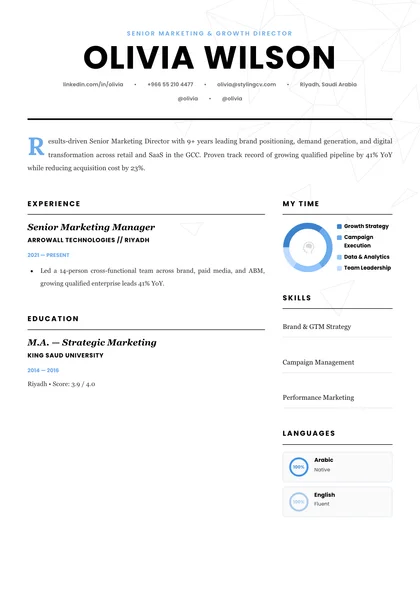
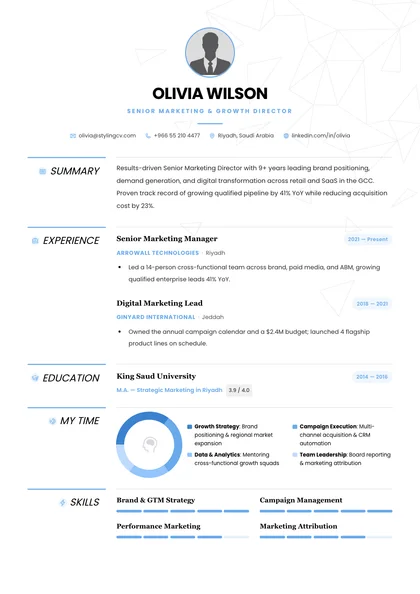
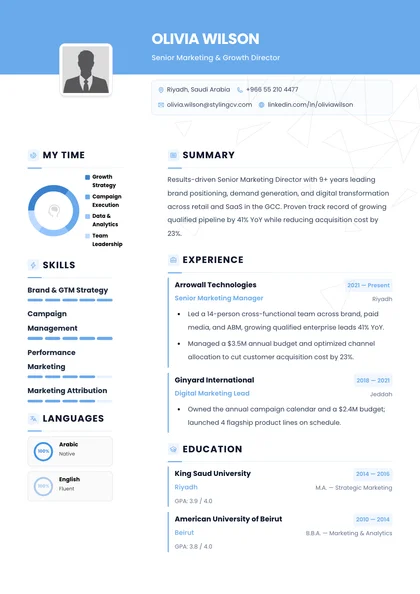
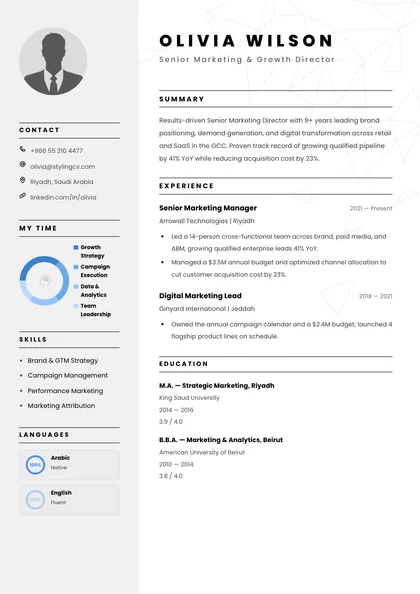
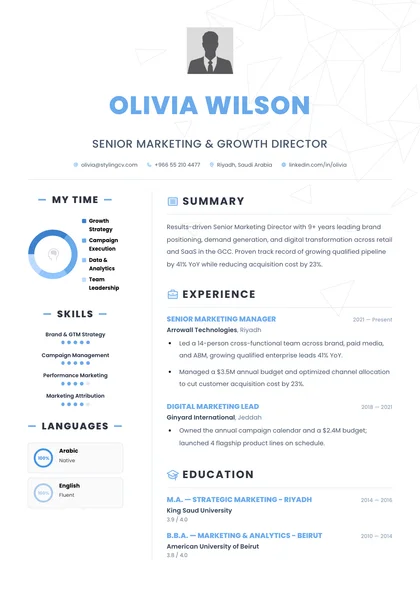
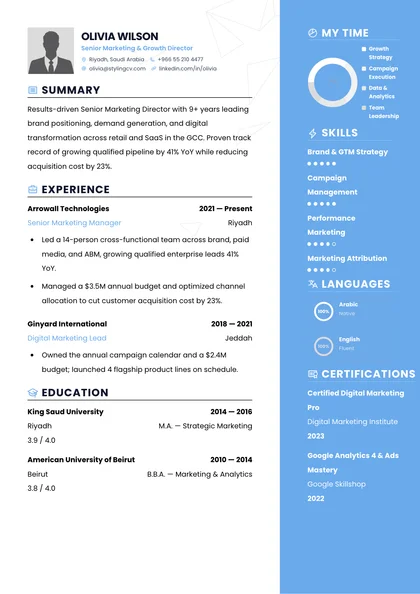
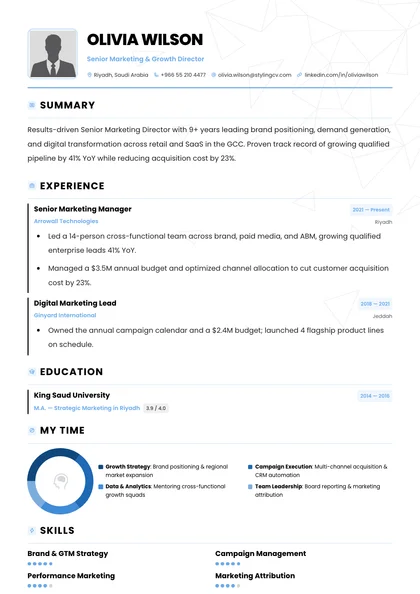
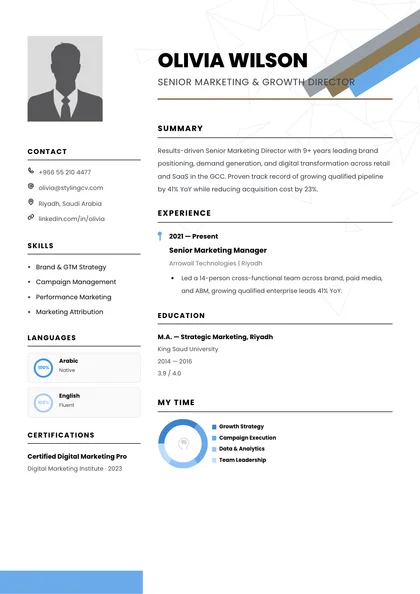
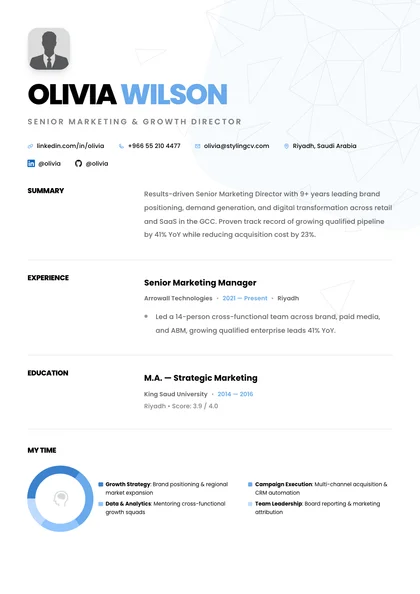
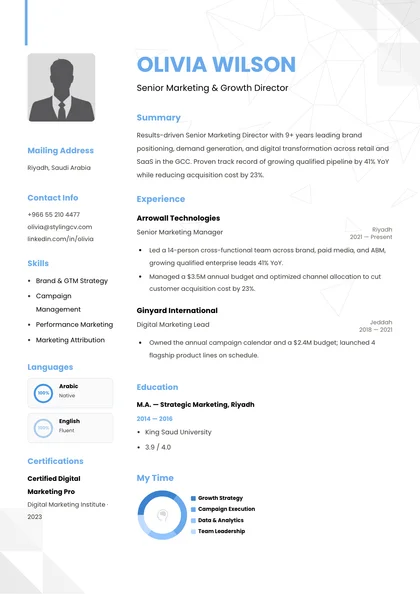
Clean & Minimalist Layouts
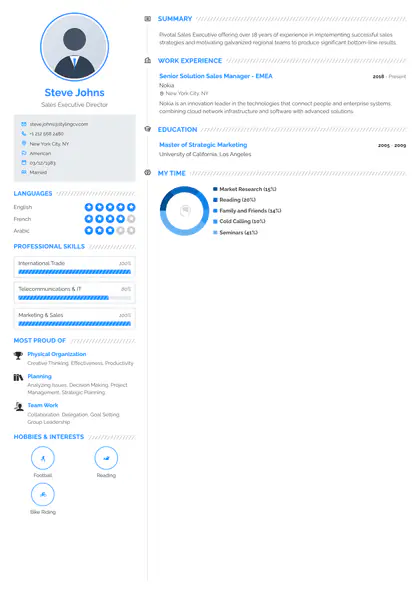
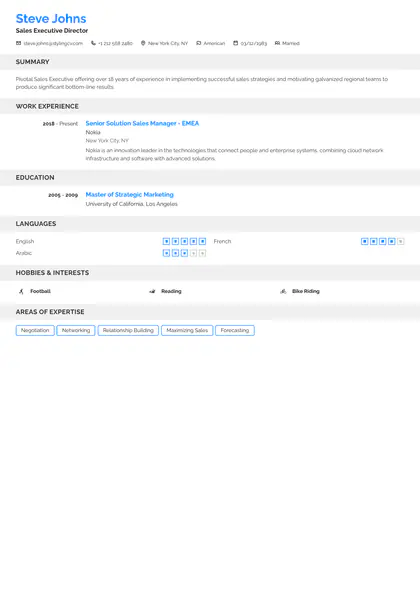
Simple resume templates focus on one thing above all else: clarity. They are the best choice for job seekers who want a clean, minimal structure that is easy for applicant tracking systems and recruiters to read.
A simple template does not mean weak presentation. It means fewer distractions, stronger hierarchy, and less formatting risk — which is exactly what many online applications need.
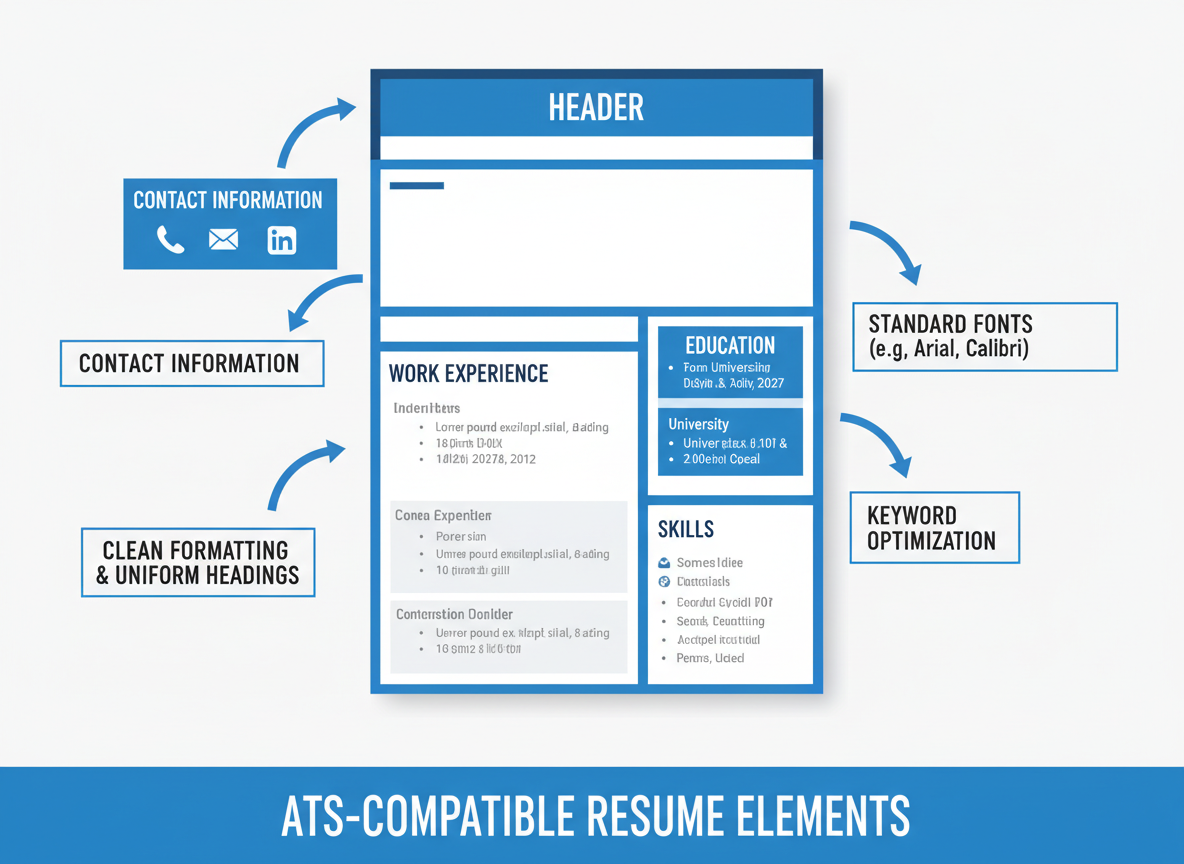
Simple templates are often the safest option when compatibility matters most. They reduce layout complexity, keep reading order obvious, and make it easier for both software and humans to find the important parts of your resume quickly.
That makes them especially valuable for online applications, high-volume hiring funnels, and candidates who want the lowest possible formatting risk. When in doubt, a strong simple template is often the smartest choice.
They also work because minimal design puts pressure in the right place: on the content. Your summary, achievements, skills, dates, and role fit become the center of attention.
Best Fit
Simple templates are a strong fit for almost everyone, but they are especially useful for:
Simple templates also work well when you need your content to adapt across multiple job types. Because the layout is restrained, you can tailor the wording for each application without worrying that the design is sending the wrong signal.

Advantages
The big benefit is reliability. When a recruiter opens a simple template, they do not need to decode the layout. When an ATS reads it, there is less chance of confusion. That reliability is valuable.
How To Use Them
Because simple templates remove design noise, the writing matters more. The most effective simple resumes use tight summaries, measurable bullet points, and obvious role alignment. They are clean — but not empty.
A strong simple resume should highlight:
Weak: Helped support customers and solved issues.
Stronger: Resolved high-volume customer issues with a 94% satisfaction rating while reducing repeat escalations through clearer troubleshooting workflows.
Simple templates are ideal for this kind of direct, clean writing because there is nothing competing with the message.
Comparison
If you want maximum readability, choose simple. If you want more corporate polish, choose professional. If you want a more current design feel, choose modern. Simple templates are the most universal, but they are especially strong when the hiring workflow is highly ATS-driven.
| Template Type | Best When | Main Benefit |
|---|---|---|
| Simple | You want the safest, clearest option | Low formatting risk and easy parsing |
| Professional | You want formal business polish | Stronger corporate presentation |
| Modern | You want a more current design tone | Fresh visual style with structure |
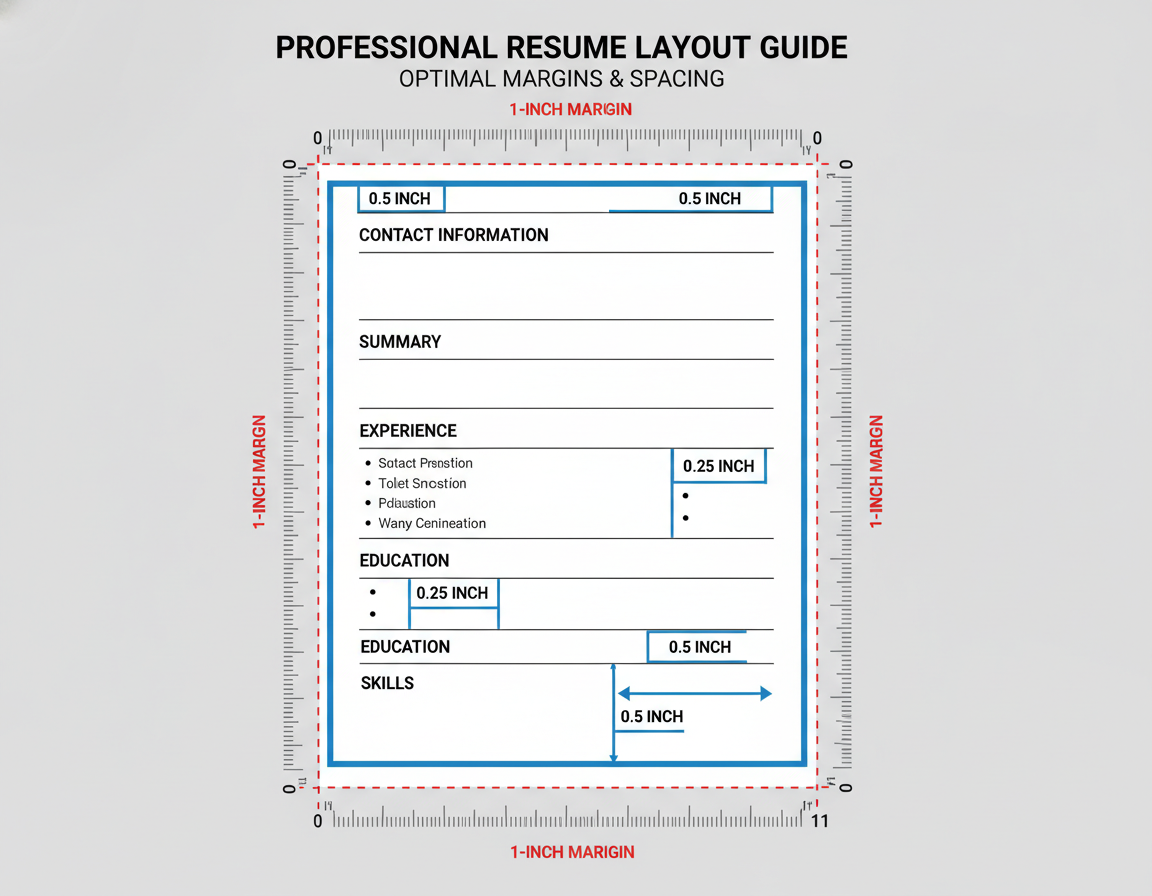
For many users, simple templates are the best starting point. Once the content is strong, they can always decide later whether a more professional or modern style fits the target role better.
FAQ
In many cases, yes. Simpler layouts are usually easier for ATS software to parse and easier for recruiters to review quickly.
Not when the typography, spacing, and hierarchy are done well. Simple can still feel polished and premium.
Almost everyone can benefit, but they are especially strong for ATS-heavy applications, career changers, entry-level candidates, and broad job searches.
The main risk is weak content. Because the layout is minimal, generic writing becomes more visible. Strong bullets and role fit matter even more.
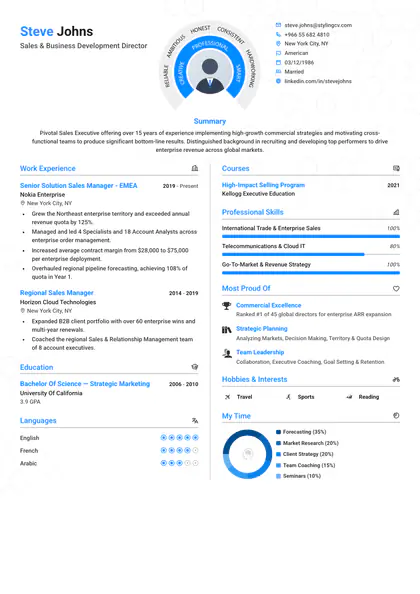
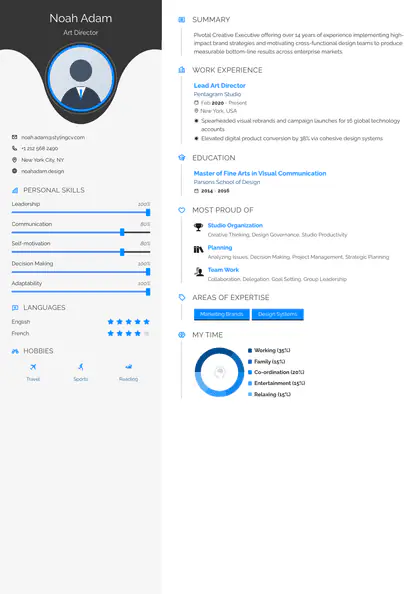
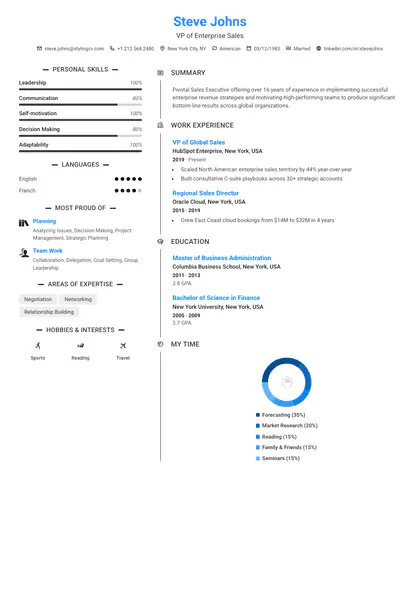
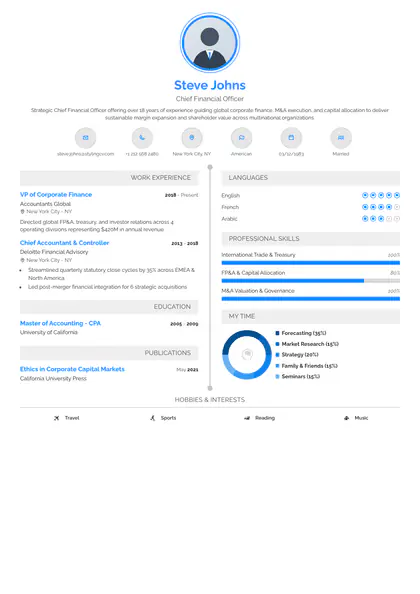
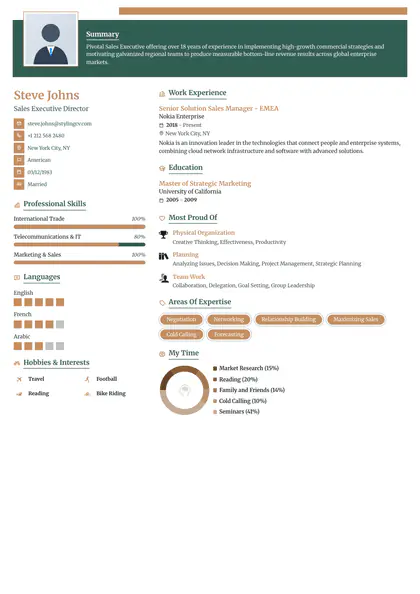
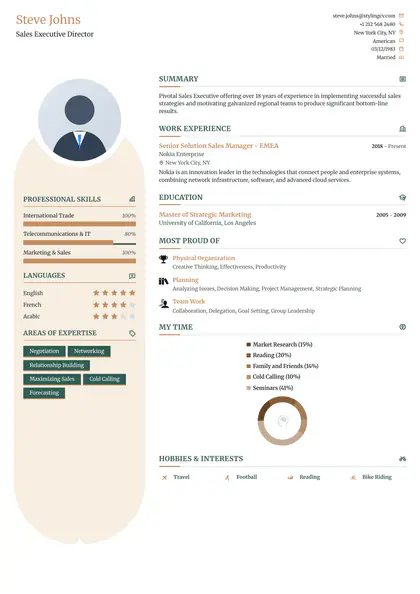
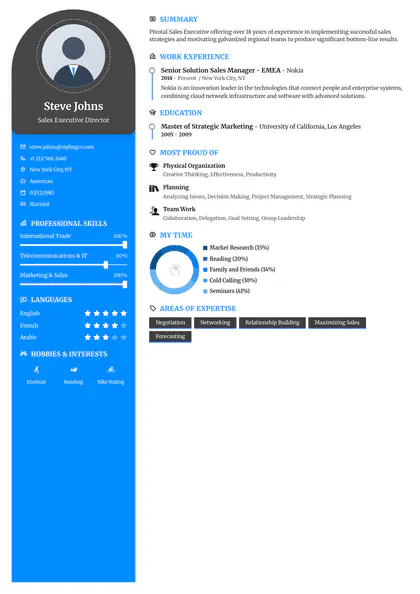
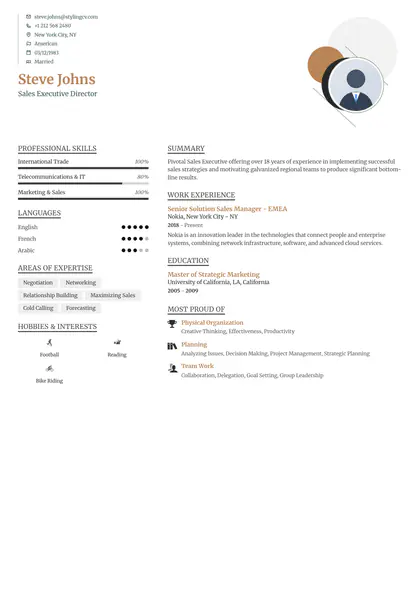
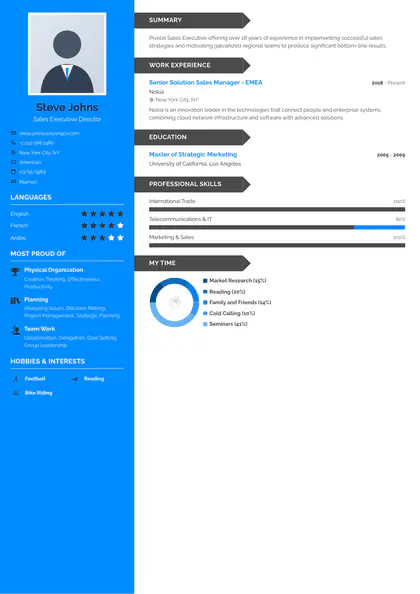
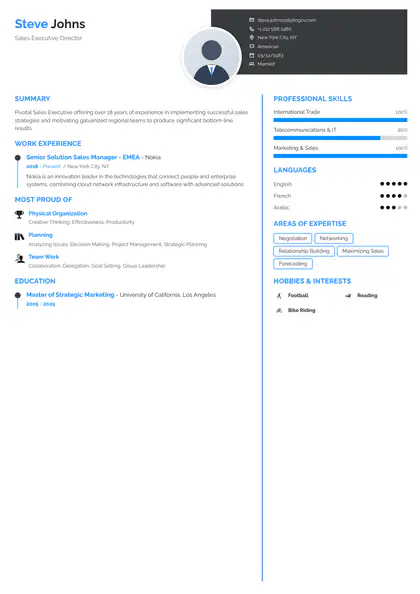
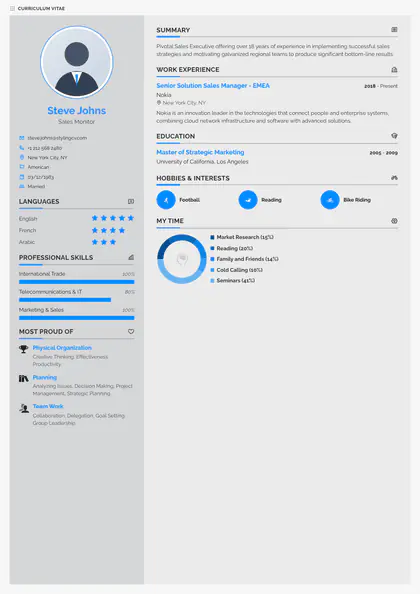
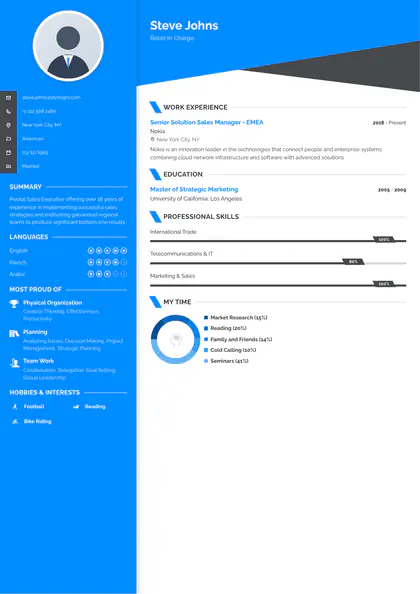
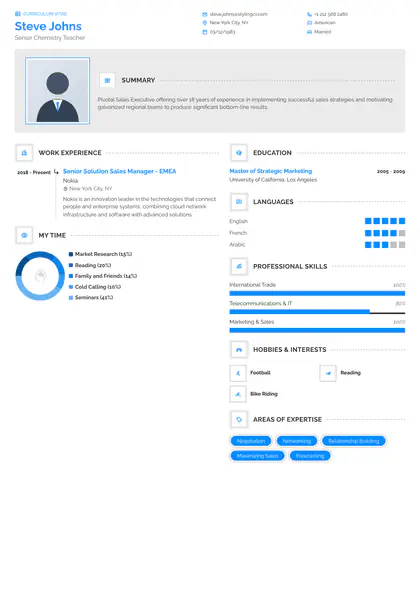
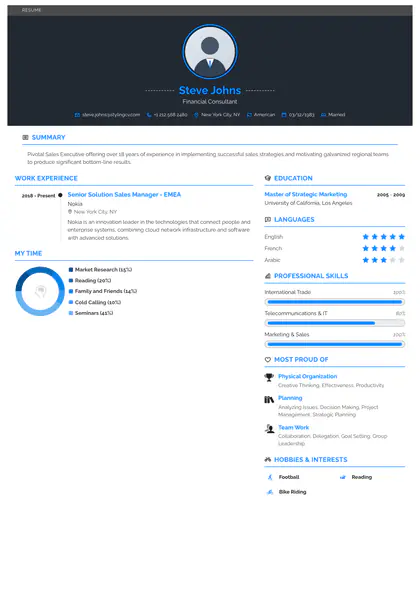
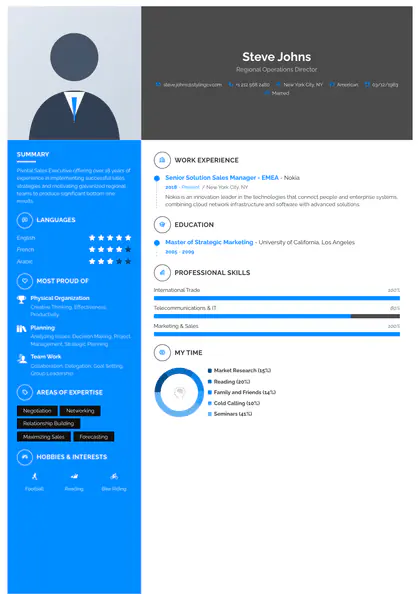
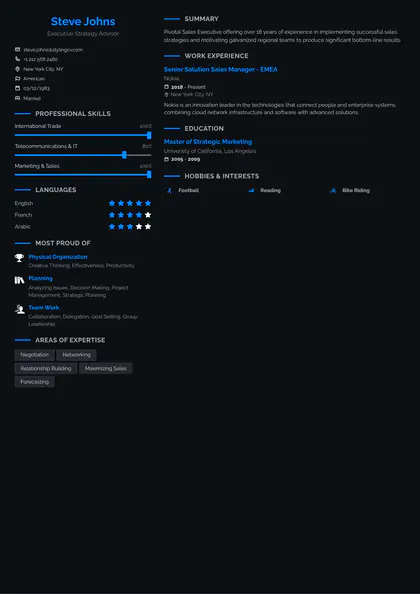
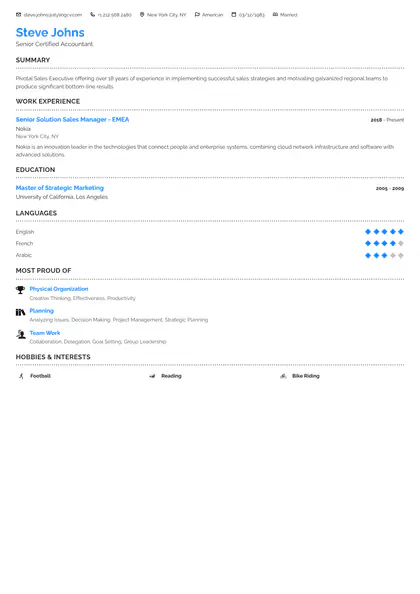
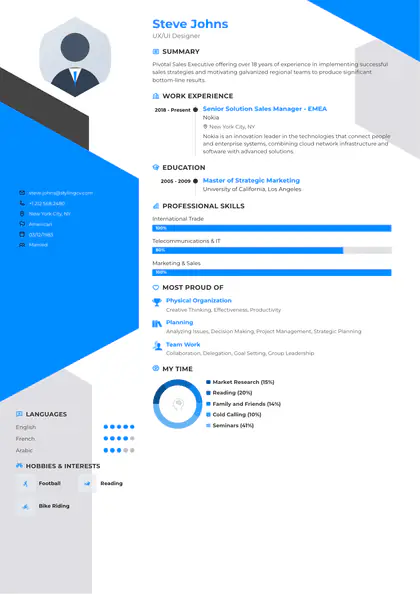
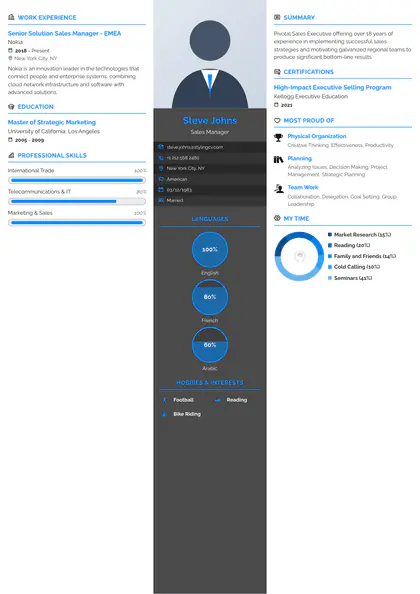
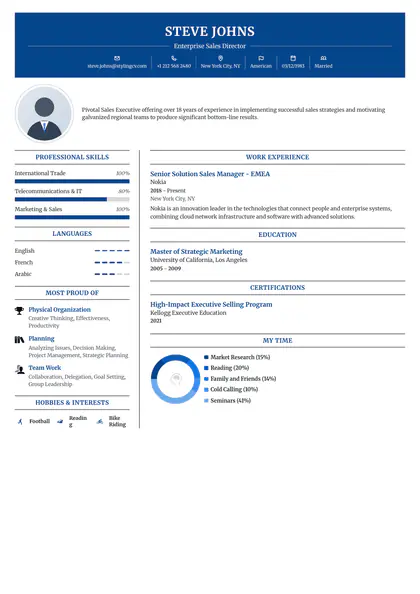
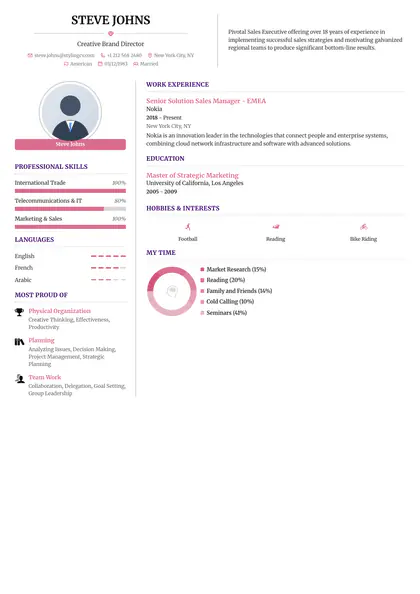
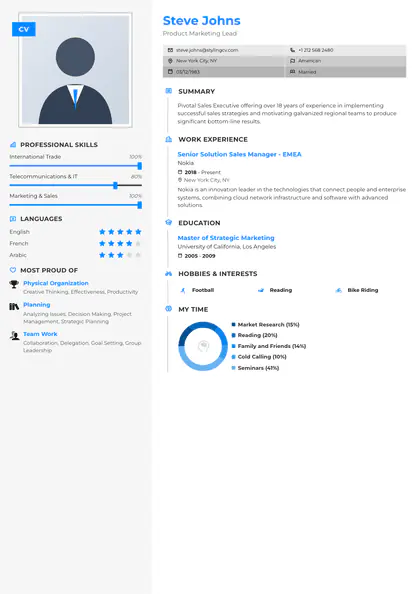
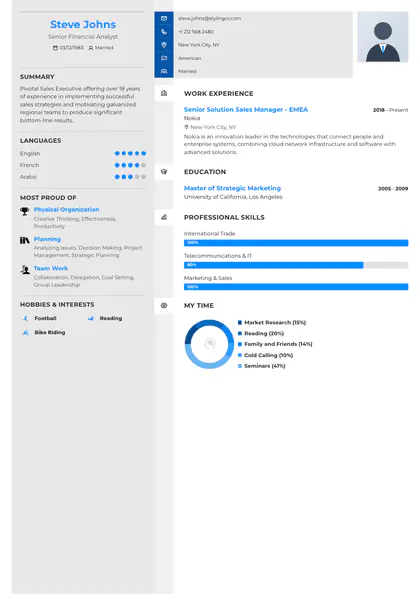
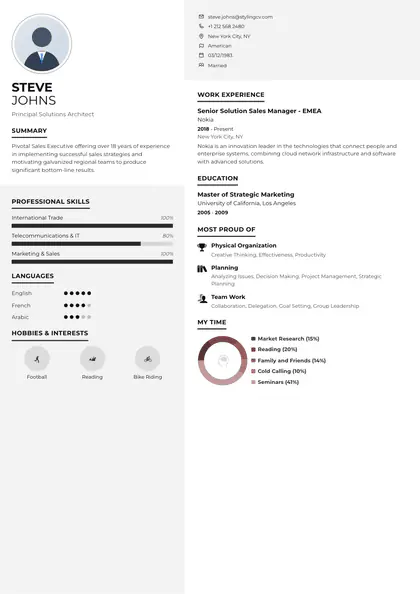
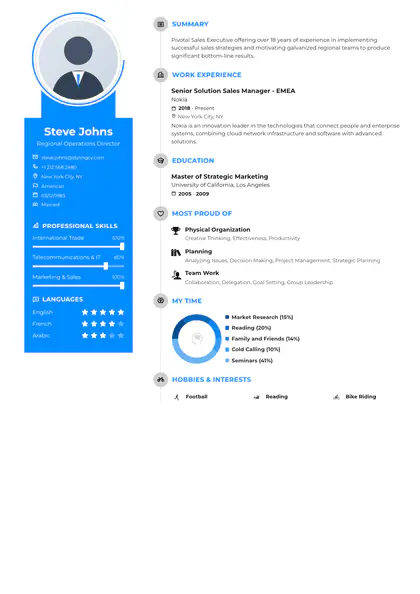
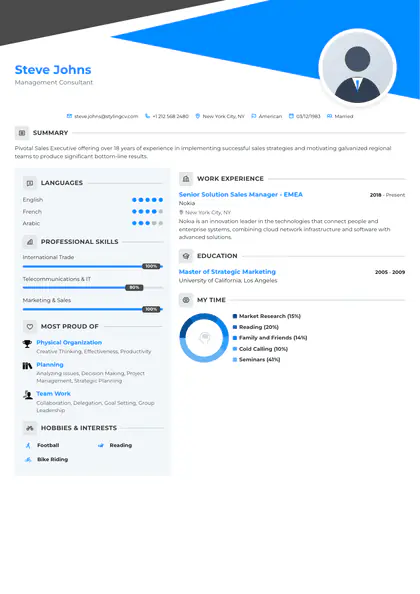
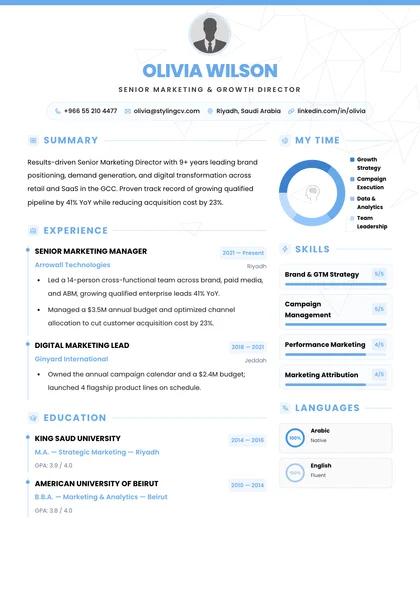
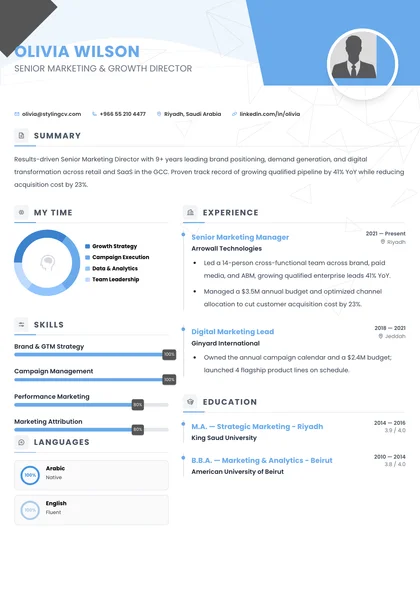
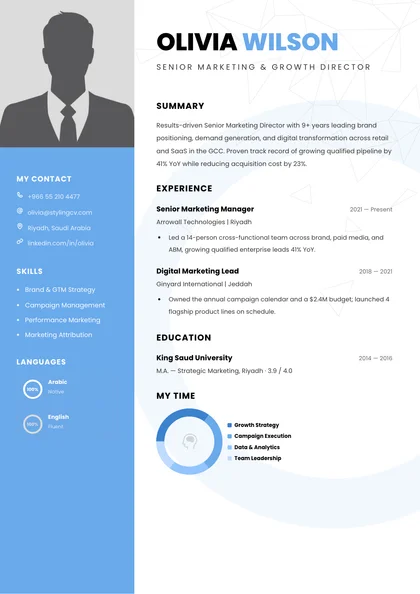
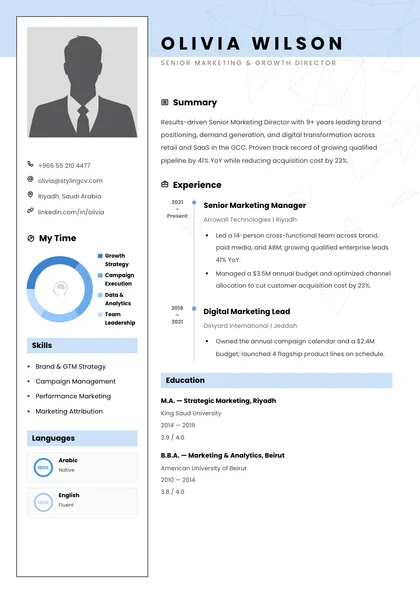
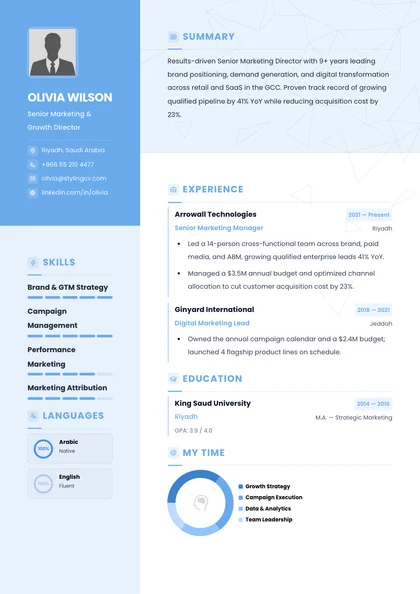
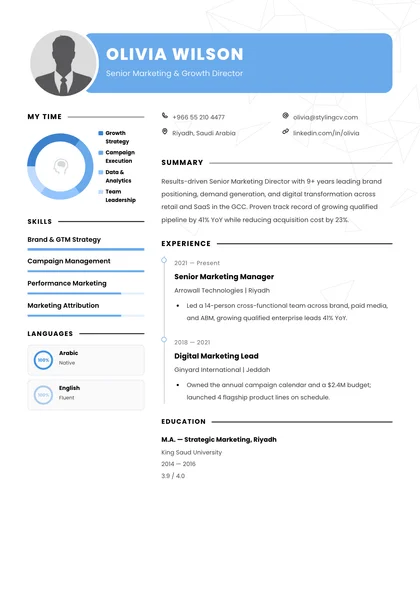
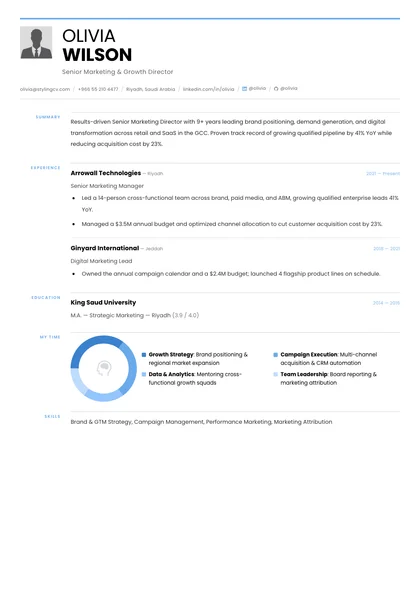
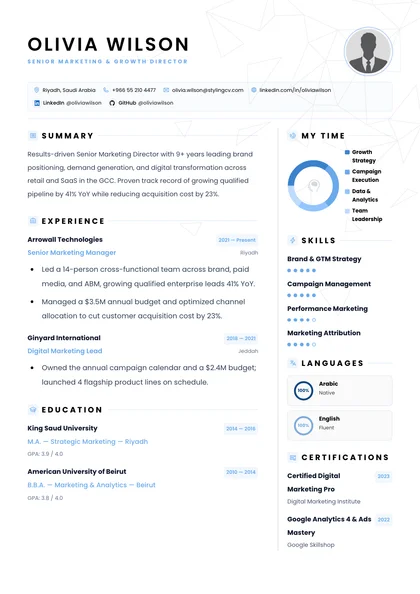
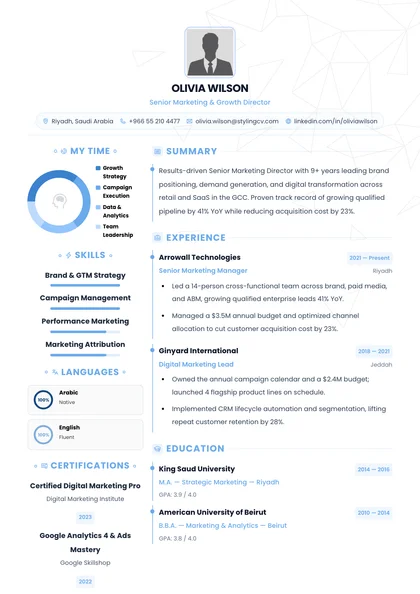
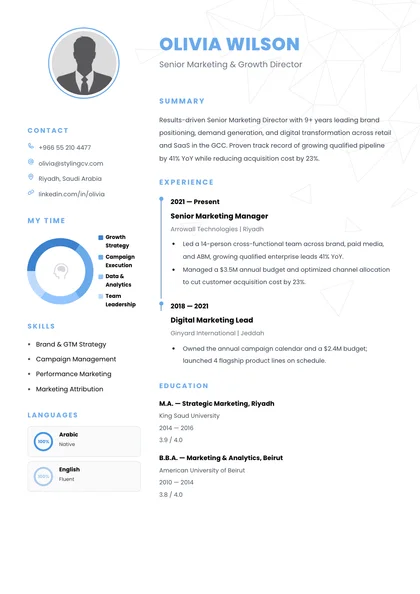
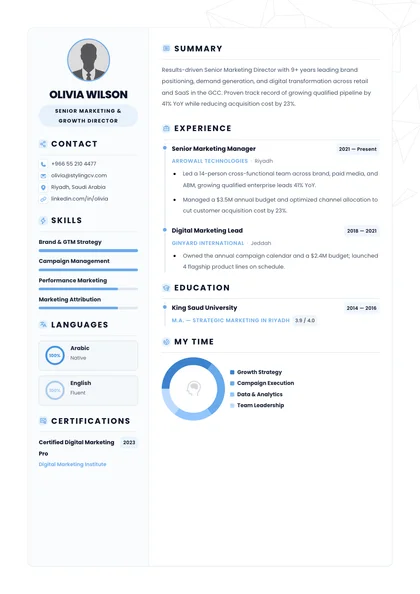
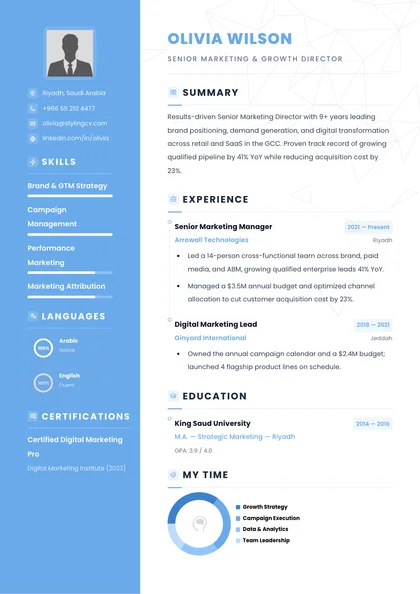
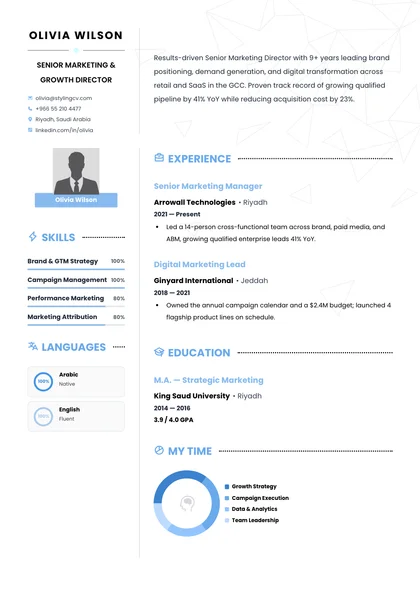
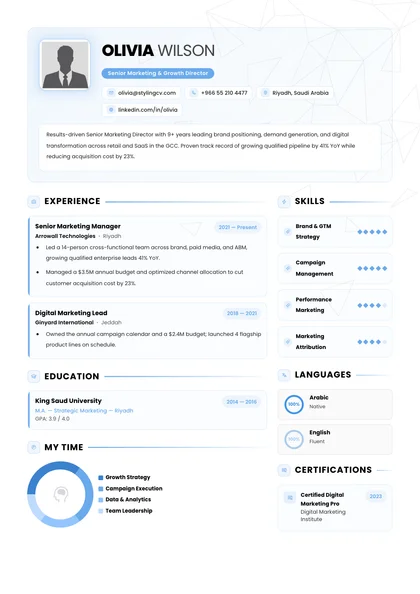
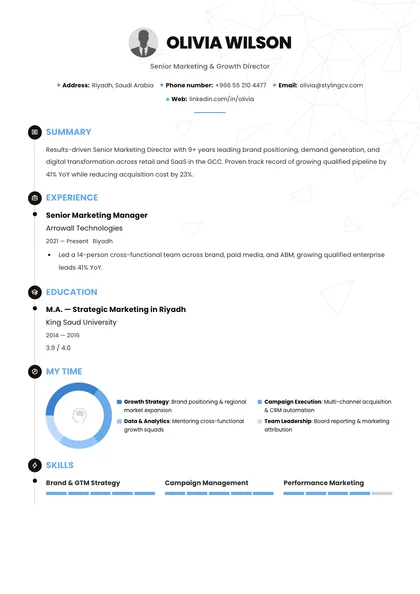
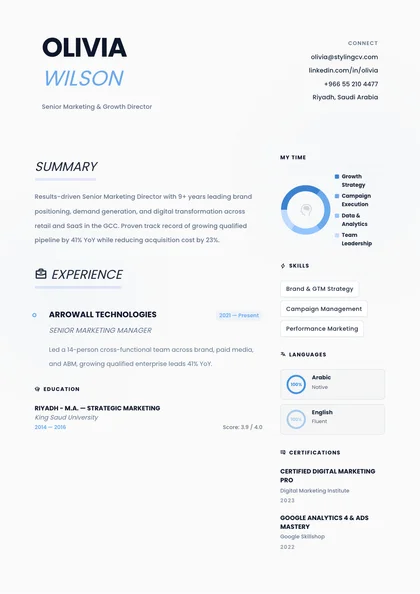
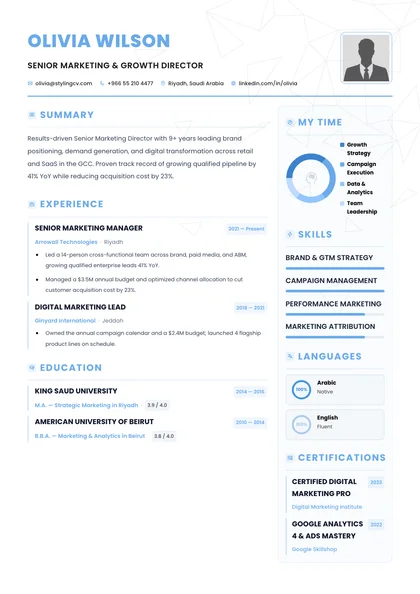
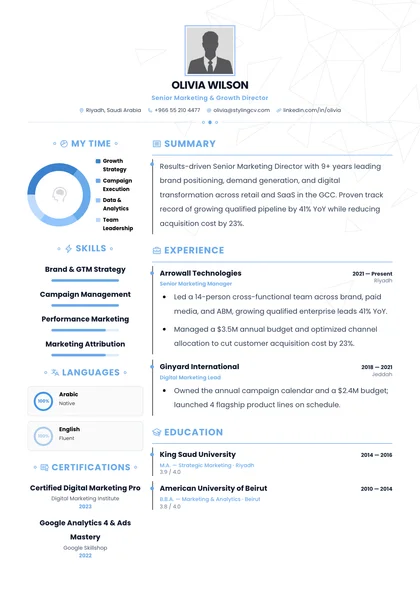
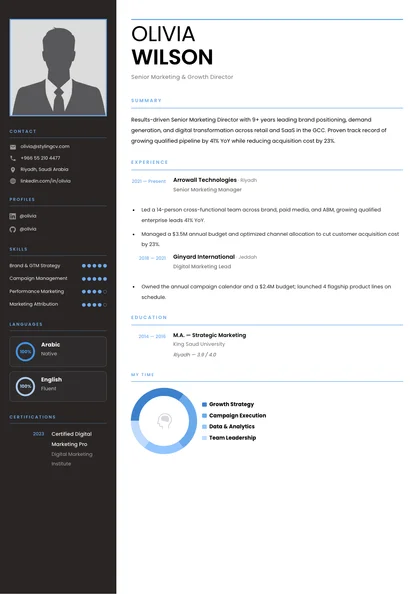
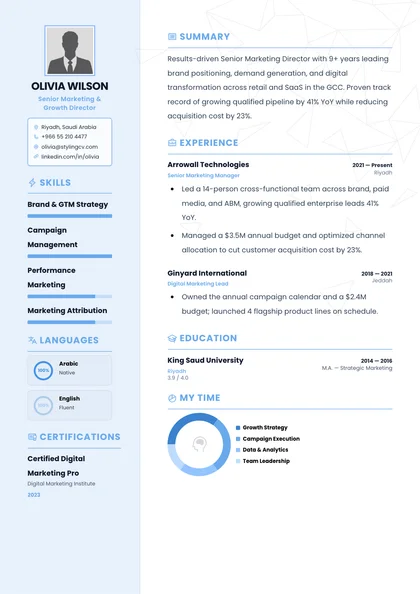
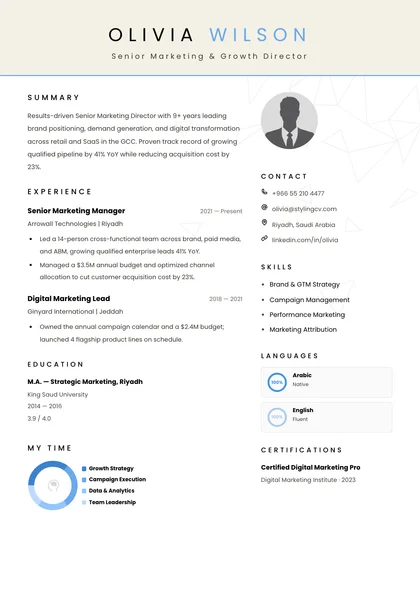
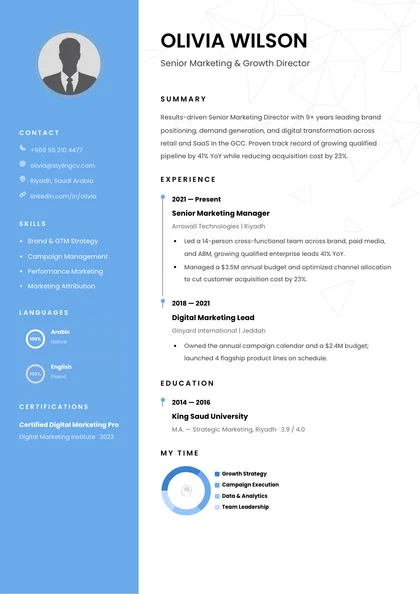
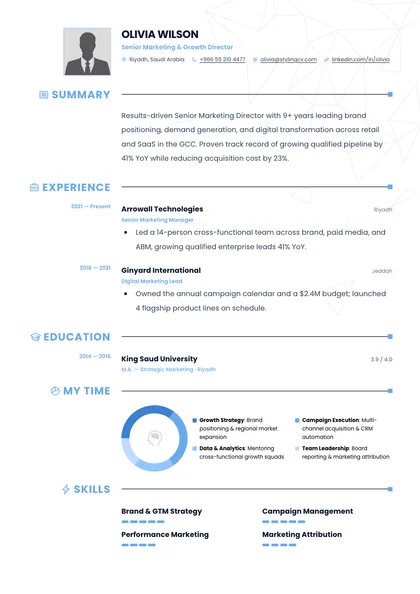
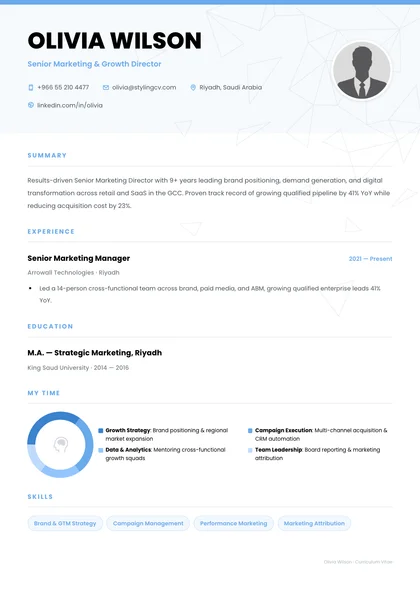
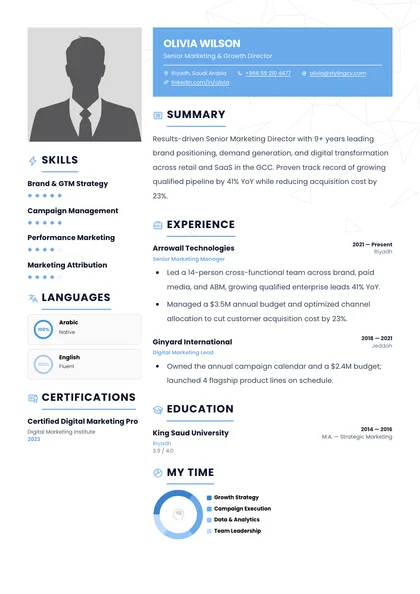
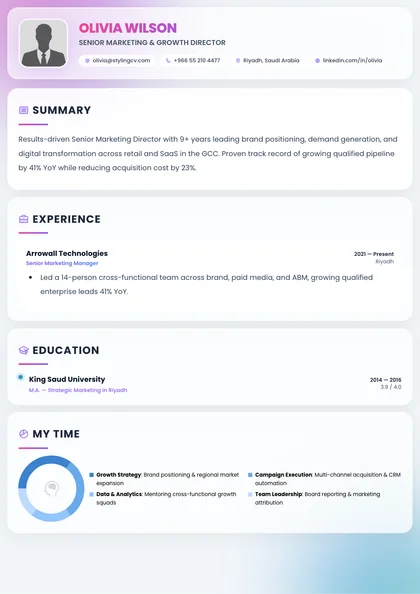
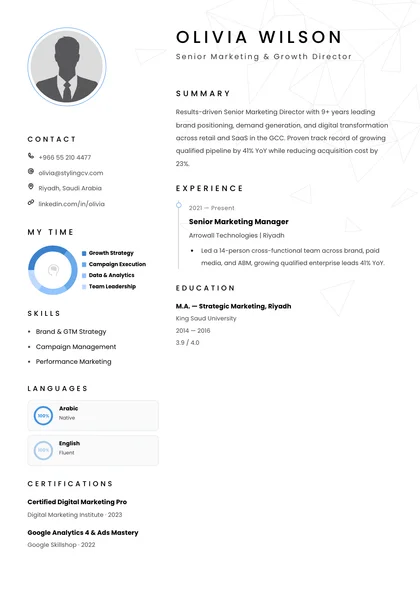
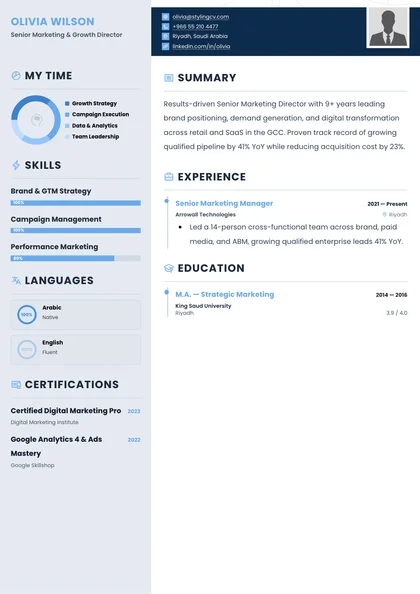
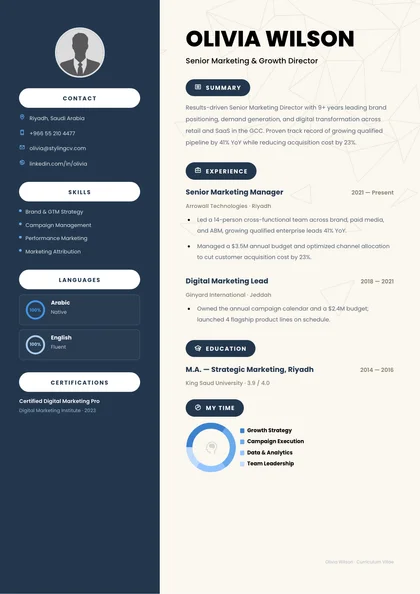
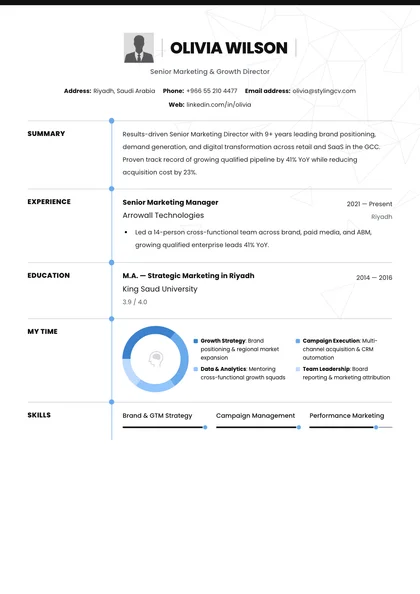
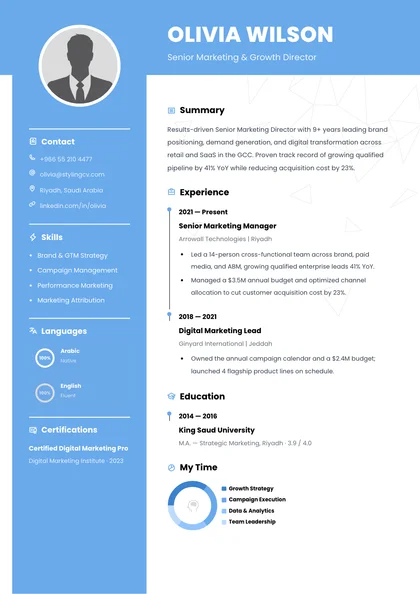
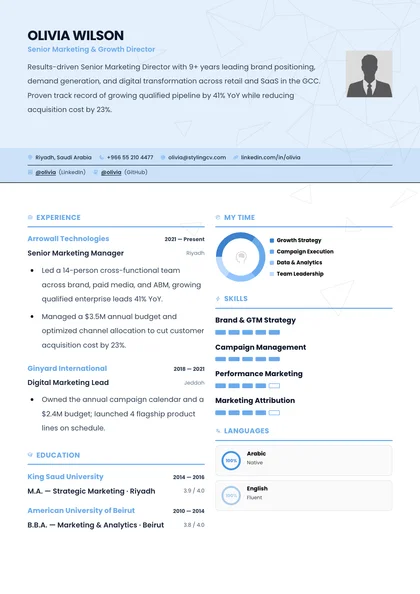
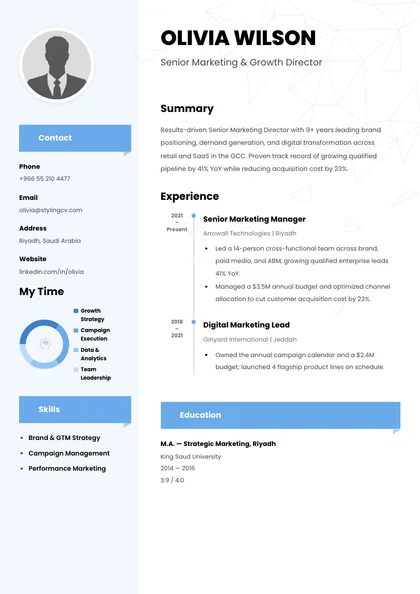
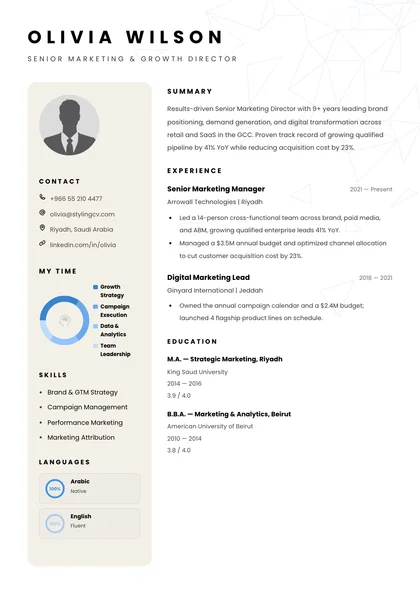
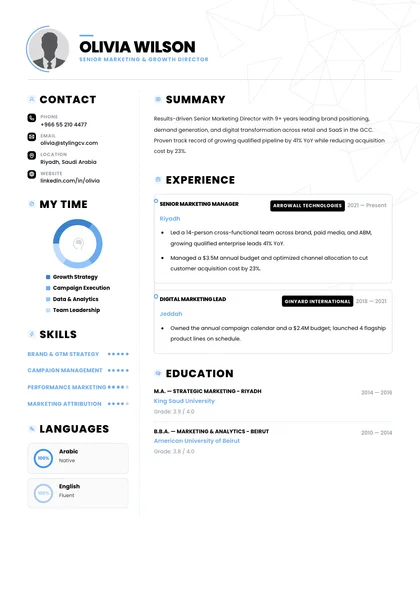
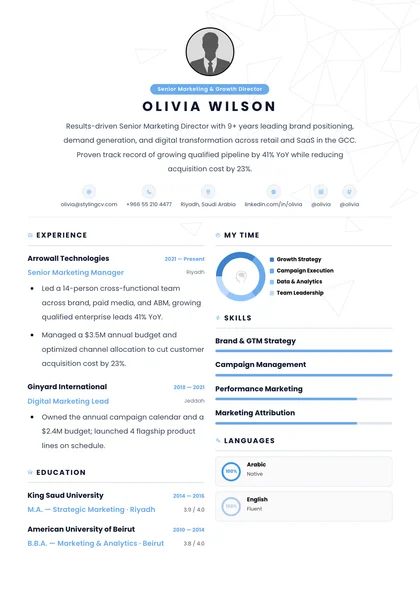
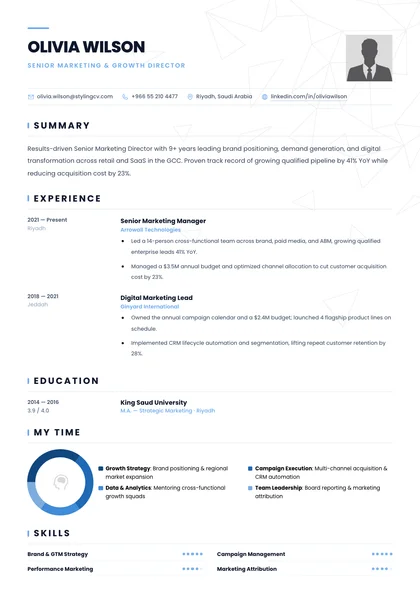
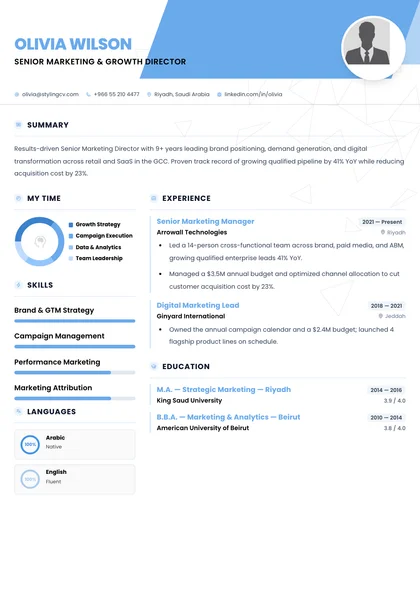
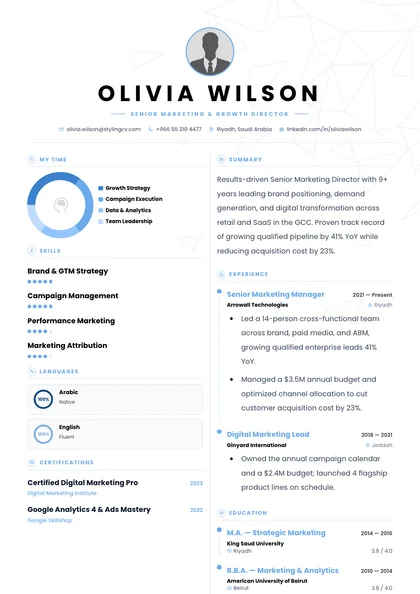
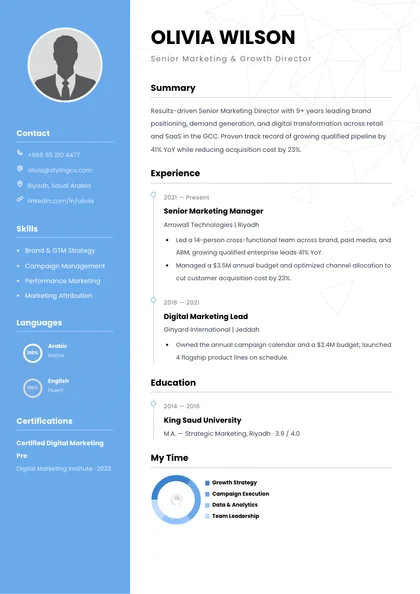
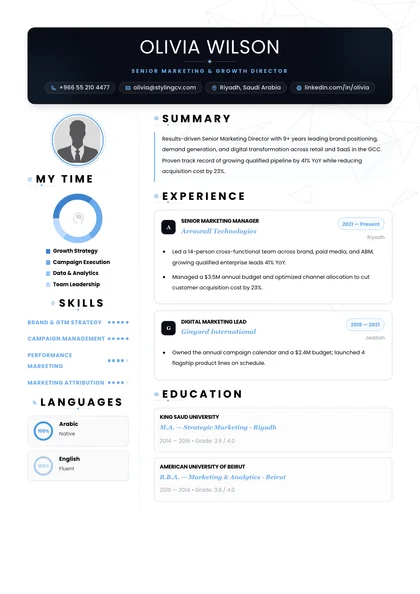
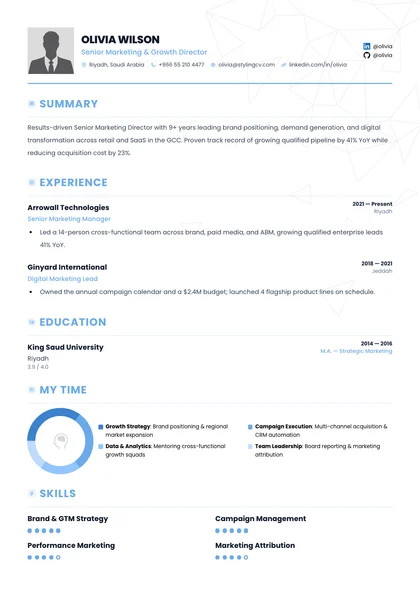
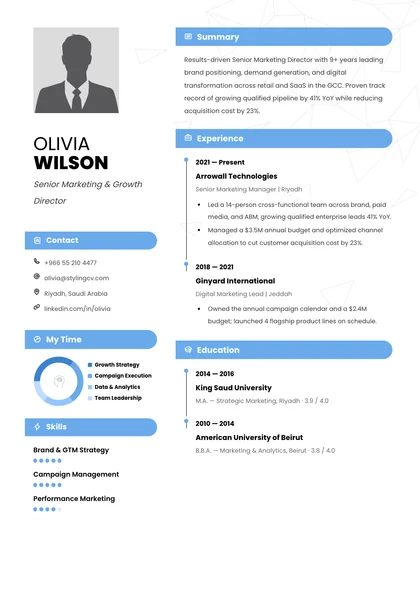
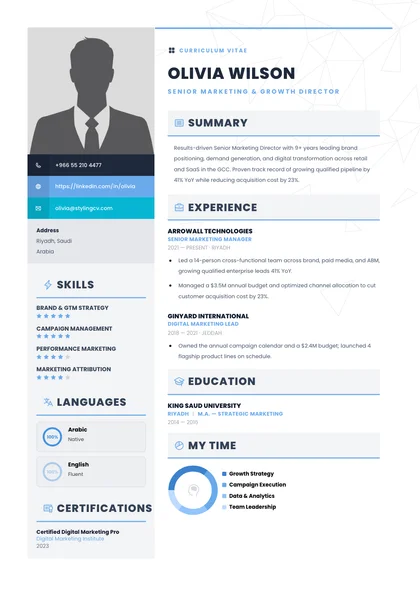
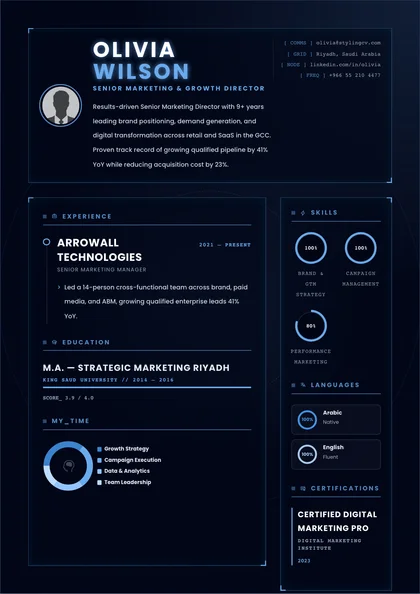
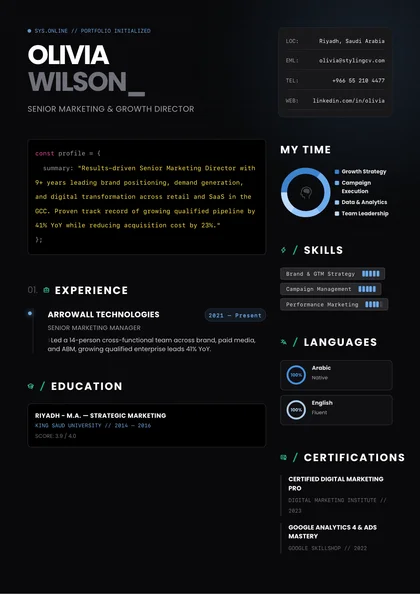
StylingCV is an AI résumé & cover-letter builder. Choose a ready, ATS-friendly template in English & 15 more languages — 11 specialist AI agents fill it with tailored, recruiter-ready content in about 2 minutes.
11 AI agents build your ATS-friendly resume. Free, no credit card.
Free to start · No credit card