
Write a Cover Letter That Actually Gets Read
Recruiters spend just 7.4 seconds scanning applications. This guide gives you the exact 8-step structure, real examples, and proven templates to make those seconds count.
Why Your Cover Letter Matters More Than Ever in 2026
The job market has changed. Here’s what the data says.
of Fortune 500 companies use Applicant Tracking Systems (ATS) to filter applications. The right keywords in your cover letter help you get past these filters.
higher interview chances when a cover letter is tailored to the job description, per a TopResume analysis of 1,000 hiring managers.
of large employers now use AI-assisted recruitment. Your letter must read human — but stay structured for machine parsing.
callback advantage for personalized cover letters over generic ones. Customization isn’t optional anymore.
How to Write a Cover Letter in 8 Steps
This proven structure works for entry-level roles, career changers, and C-suite executives alike.
Research the Company and Role
Before you write a single word, spend 15 minutes researching. Visit the company website, read their mission statement, check recent news, and scan employee LinkedIn profiles. Look for keywords in the job description you can echo in your letter — this is the single factor that separates great cover letters from generic ones.
Use a Professional Header
Include your full name, phone number, email, LinkedIn profile (optional), and the date — followed by the hiring manager’s name and company address. If you can’t find the hiring manager’s name, “Hiring Manager” is acceptable.
Write a Powerful Opening Hook
Avoid clichés like “I am writing to apply for…” Instead, lead with enthusiasm and a connection. Make it specific, energetic, and relevant.
“When I saw the Senior Marketing role at [Company], I knew my 8 years of data-driven campaign experience was exactly what your team needs.”
Explain Why You’re the Perfect Fit
Pick 2-3 key requirements from the job description and show how your experience matches. Quantify achievements — “Increased organic traffic by 140% in 12 months” is far more powerful than “Responsible for SEO.”
Highlight Your Top Achievements
Go beyond your resume. Pick one or two standout accomplishments directly related to the role. Tell a mini-story: the challenge, the action you took, the result. Recruiters remember stories, not bullet lists.
Show You Know the Company
Reference a specific project, product, or company value.
“I admire how [Company] reduced churn by 30% using AI-driven customer insights — my experience building predictive models at [PreviousCompany] aligns directly with this approach.”
Close with a Strong Call to Action
End confidently, thank them for their time, and include your contact information again.
“I would love to discuss how my background in [skill/industry] can help [Company] achieve [goal]. I am available for an interview at your earliest convenience.”
Proofread and Optimize
Read it aloud to catch awkward phrasing. Use a tool like Stylion, our AI resume reviewer, to check for tone, grammar, and ATS compatibility. Then send it with confidence.
Cover Letter Format and Length
Keep it to one page. If you need a template, browse our free cover letter templates designed by career experts.
Length
250–400 words
Paragraphs
3–4, one page
Font
Arial, Calibri, or Lato, 10–12pt
File Format
PDF, unless DOCX requested
Skip the Blank Page
Let StylingCV AI draft a tailored cover letter for your exact role in under 60 seconds.
Generate My Cover Letter →3 Cover Letter Examples That Work
Three different situations, three openings that land.
“Dear Hiring Manager, I spent 6 years as a project manager in construction. Now I am bringing that same discipline, budget mastery, and stakeholder management to your account manager role at [Company]. Last year alone, I managed 14 projects totaling $12M — all delivered on time and under budget. The transferable skills are not just relevant; they are exact.”
“Dear Ms. Chen, I graduate from the University of Texas this May with a B.S. in Computer Science and a minor in Design. But my real education came from building ShipFast — an app that 2,000 students use to coordinate package deliveries across campus. It taught me full-stack development, user testing, and how to ship under pressure. I want to bring that builder mindset to [Company].”
“Dear Hiring Manager, After taking two years to care for a family member, I am ready to return to work — and I have never been more focused. My 10 years in supply chain logistics at [PreviousCompany] include reducing warehouse costs by 22% and implementing a vendor management system that saved $340K annually. I am up to date on industry trends and eager to contribute immediately.”
Cover Letter Mistakes to Avoid
Recruiters spot them instantly. Always customize.
Add context and stories your resume can’t fit.
Emphasize what you can do for the employer.
One page, 250–400 words. No exceptions.
Generic letters get generic results (rejection).
Use Grammarly or Stylion before sending.
Frequently Asked Questions About Cover Letters
Is a cover letter still necessary in 2026?
Yes, absolutely. While some companies claim cover letters are optional, 72% of recruiters surveyed by Jobvite in 2025 said they still prefer receiving one. A strong cover letter can tip the scales in your favor, especially when two candidates have similar qualifications. If the application form includes an “optional” cover letter field, treat it as mandatory.
How long should a cover letter be?
250-400 words, 3-4 paragraphs maximum, on a single page. Recruiters spend an average of 7.4 seconds scanning a cover letter, so every word must earn its place. Short is not shallow — concise and impactful wins every time.
Should I write a different cover letter for each job?
Yes — and this is the single most important piece of advice in this guide. A personalized cover letter that references the specific company, role, and industry signals genuine interest. Mass-produced generic letters are the fastest way to get rejected. Use our AI cover letter generator to create tailored drafts in seconds, then personalize from there.
What if I have no experience? How do I write a cover letter with no experience?
Focus on transferable skills from internships, volunteer work, class projects, and part-time jobs. Highlight your enthusiasm, willingness to learn, and any relevant coursework. Frame gaps or lack of direct experience as a fresh perspective. Check our guide on how to write a cover letter with no experience for detailed examples.
Do cover letters help with ATS screening?
Yes. While most ATS systems prioritize resume parsing, many modern systems (like Workday and Greenhouse) now index cover letter content. Including keywords from the job description in your cover letter can boost your overall match score. Just don’t keyword-stuff — the content must read naturally for humans too.
Should I send a cover letter as PDF or DOCX?
PDF is generally preferred because it preserves formatting across devices. However, if the employer explicitly requests DOCX or uses a specific ATS that doesn’t parse PDFs well, follow their instructions. When applying through a web portal, paste your cover letter into the text field if one is provided.
How do I address a cover letter if I don’t know the hiring manager’s name?
Use “Dear Hiring Manager” or “Dear [Company Name] Team.” Avoid “To Whom It May Concern” — it sounds outdated. Do a bit of LinkedIn digging first; finding the actual name is worth the extra 5 minutes.
What is the best cover letter format for 2026?
The reverse-chronological format works best: header with contact info, date and recipient, a strong opening paragraph, 2 body paragraphs highlighting your fit and achievements, and a closing call to action. Keep it reverse-chronological in emphasis — most recent and relevant experience first.
Can I use AI to write my cover letter?
Absolutely — when used smartly. Tools like StylingCV AI can generate a strong first draft in seconds. But always review, personalize, and edit the output. AI-written cover letters that sound robotic are easy to spot. Use AI as your assistant, not your replacement.
How do I write a cover letter for an internal position?
Focus on your institutional knowledge, existing relationships, and track record within the company. Acknowledge your current role proudly, then explain why you are ready for the next step. Internal candidates often undervalue their insider perspective — lean into it.
Should I include salary expectations in a cover letter?
Only if the job posting explicitly asks for it. Otherwise, save salary discussions for the interview stage. Including unsolicited salary expectations can backfire — you might price yourself out or lowball your worth.
What is the best way to end a cover letter?
End with confidence: “I look forward to the opportunity to discuss how my skills align with [Company]’s goals. Thank you for your time and consideration.” Then include your name, phone number, email, and LinkedIn profile. A strong closing leaves a lasting impression.
How do I write a cover letter for a career change?
Lead with your motivation for the change, then bridge the gap by highlighting transferable skills. Explain why your past experience in a different field is actually an advantage. Employers value diverse perspectives — frame your career change as a strength, not a weakness.
Is it okay to use a cover letter template?
Yes, using a template for structure is smart — just customize the content heavily. Our free cover letter templates are designed to give you a professional foundation while leaving room for your unique voice. Never copy-paste someone else’s cover letter word for word.
Should I follow up after sending a cover letter?
Yes — wait 7-10 days, then send a polite follow-up email. Reference your application and reiterate your interest. Keep it short: 3-4 sentences max. A well-timed follow-up shows initiative and can push your application to the top of the pile.
Keep Building Your Application
Write a Cover Letter That Gets You Noticed
Generate a tailored, ATS-friendly cover letter in under 60 seconds with StylingCV AI.
Generate My Cover Letter Free →Only 2% of resumes win. Yours will be one of them.
Build a resume that gets you the job. In 2 minutes with our AI-powered resume builder.
Tested Resume Templates
Every template is tested with real ATS systems and reviewed by hiring managers from top companies
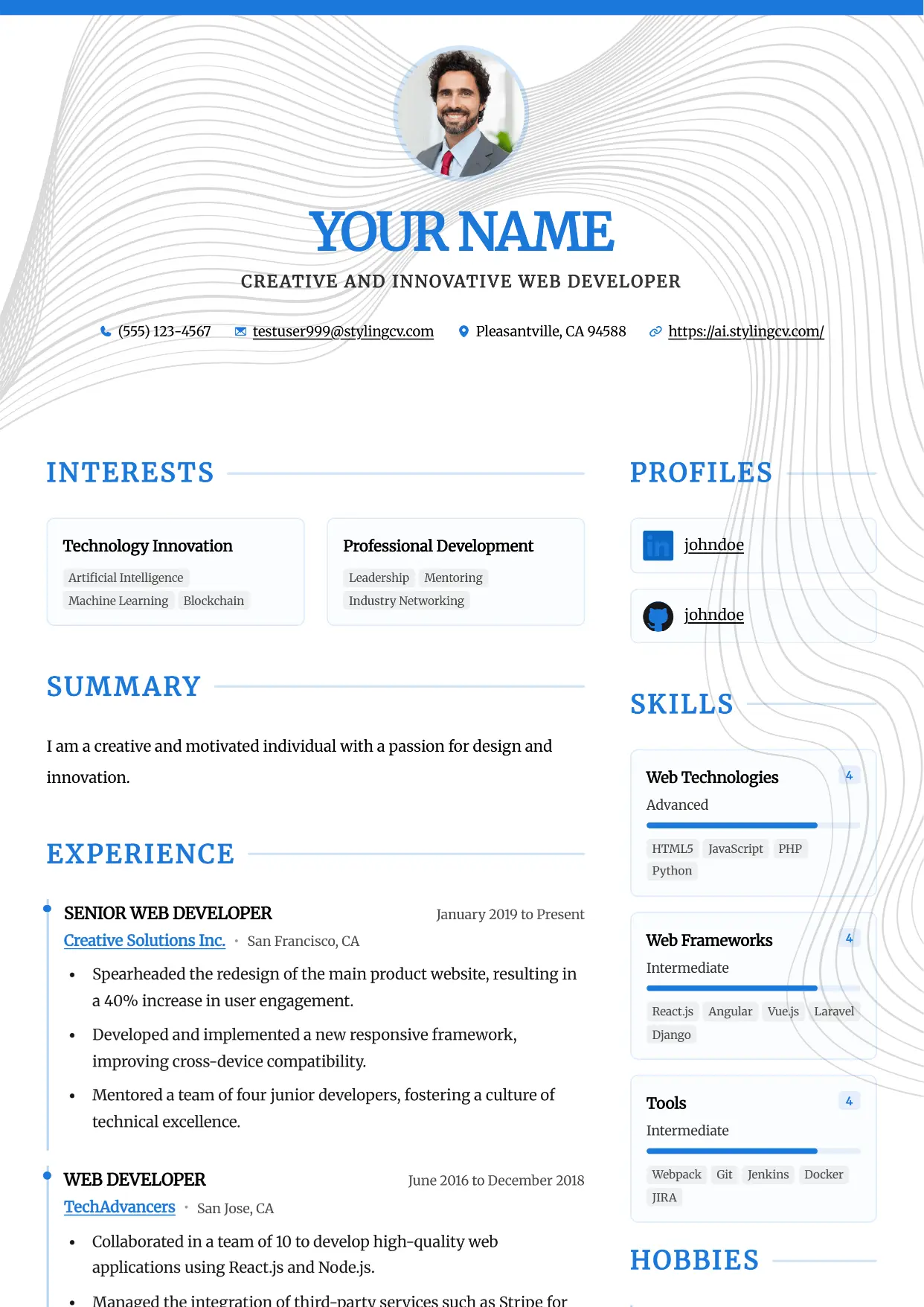
Accent
Professional and modern resume template optimized for applicant tracking systems. A clean, ATS-friendly CV layout designed to help you land your next interview.
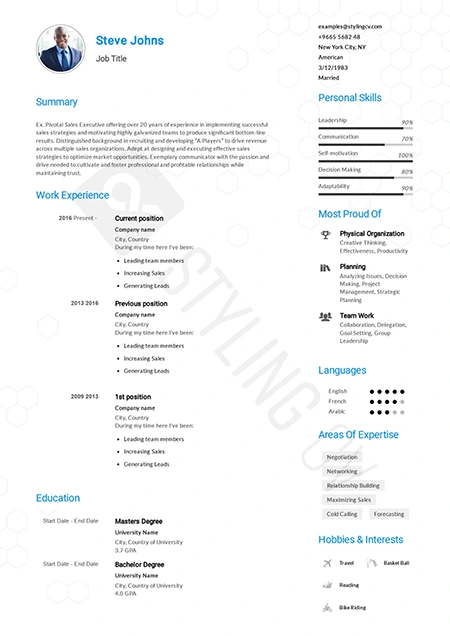
Alfred
Executive ATS resume template designed for C-suite roles. Features a clean layout perfect for management and corporate leadership positions.
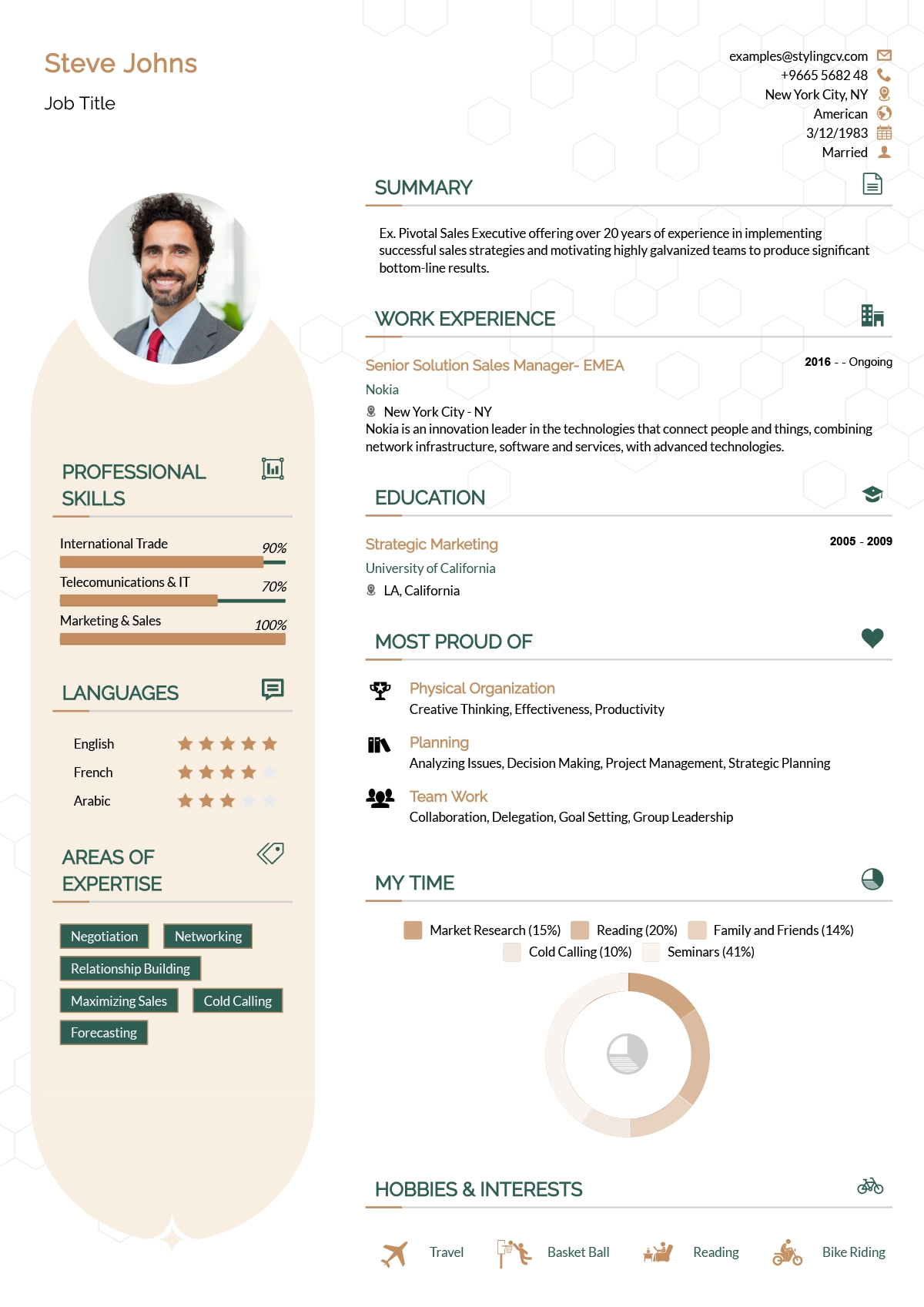
Andero
Modern resume template ideal for tech professionals. A sleek, professional CV design that highlights technical skills and projects perfectly.
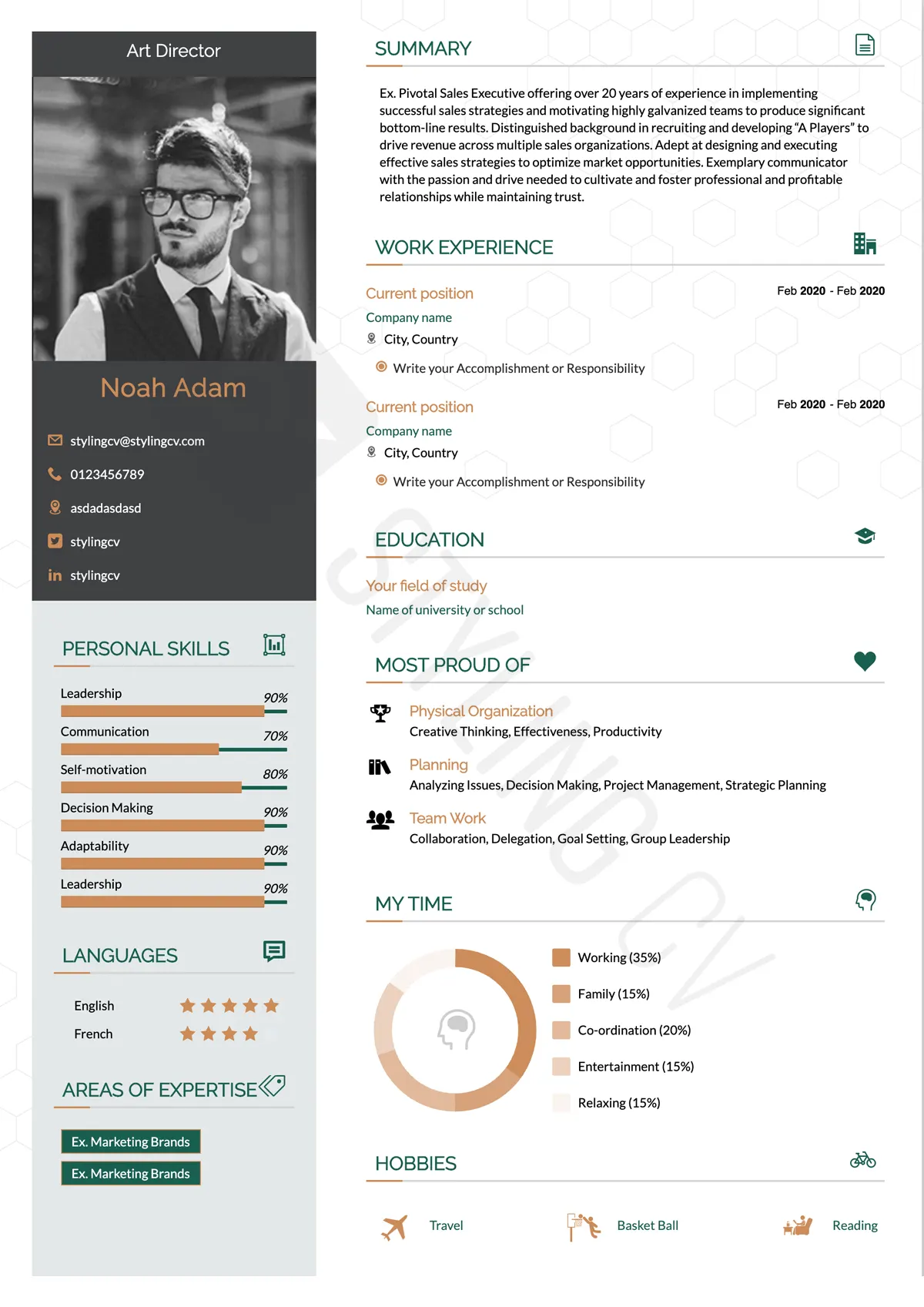
Apple
Minimalist resume template with an elegant, clean aesthetic. The perfect modern CV format for UX designers, product managers, and creatives.
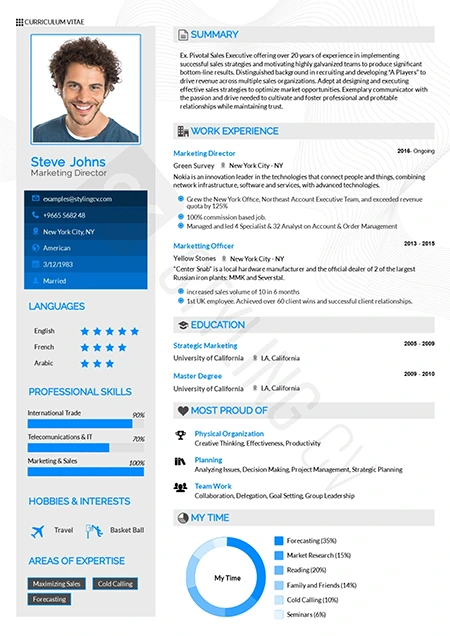
Arabic
Bilingual-ready professional resume template. Optimized for international roles with full RTL support for Middle East and global job markets.
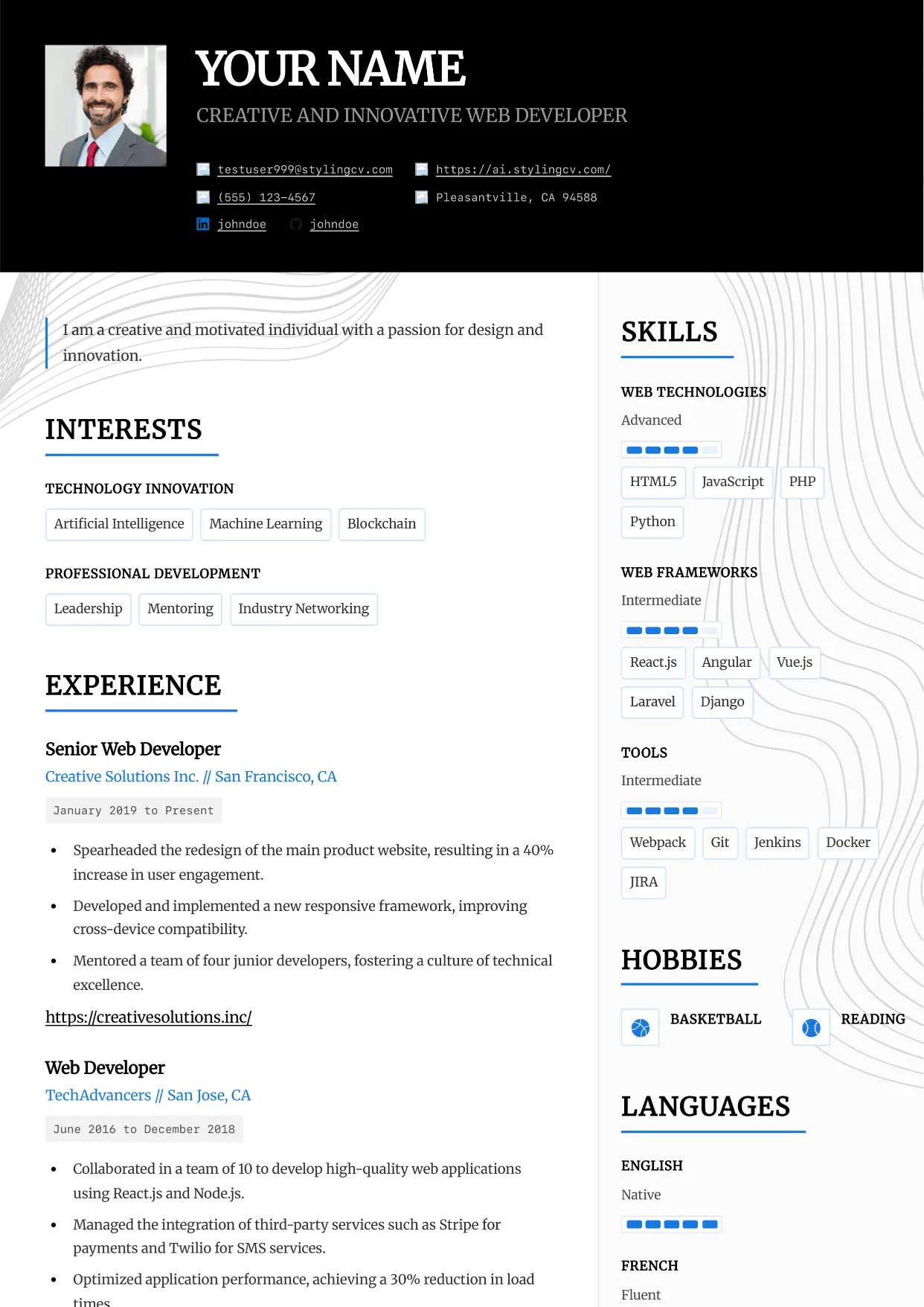
Architect
Professional and modern resume template optimized for applicant tracking systems. A clean, ATS-friendly CV layout designed to help you land your next interview.
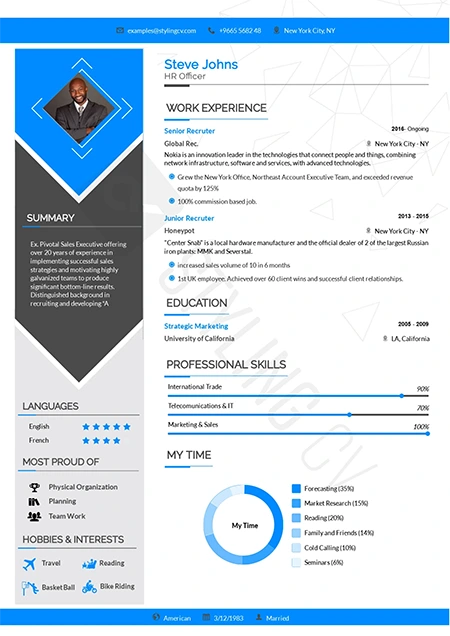
Arrow
Dynamic chronological resume format focusing on career progression. Excellent CV template for ambitious professionals climbing the corporate ladder.
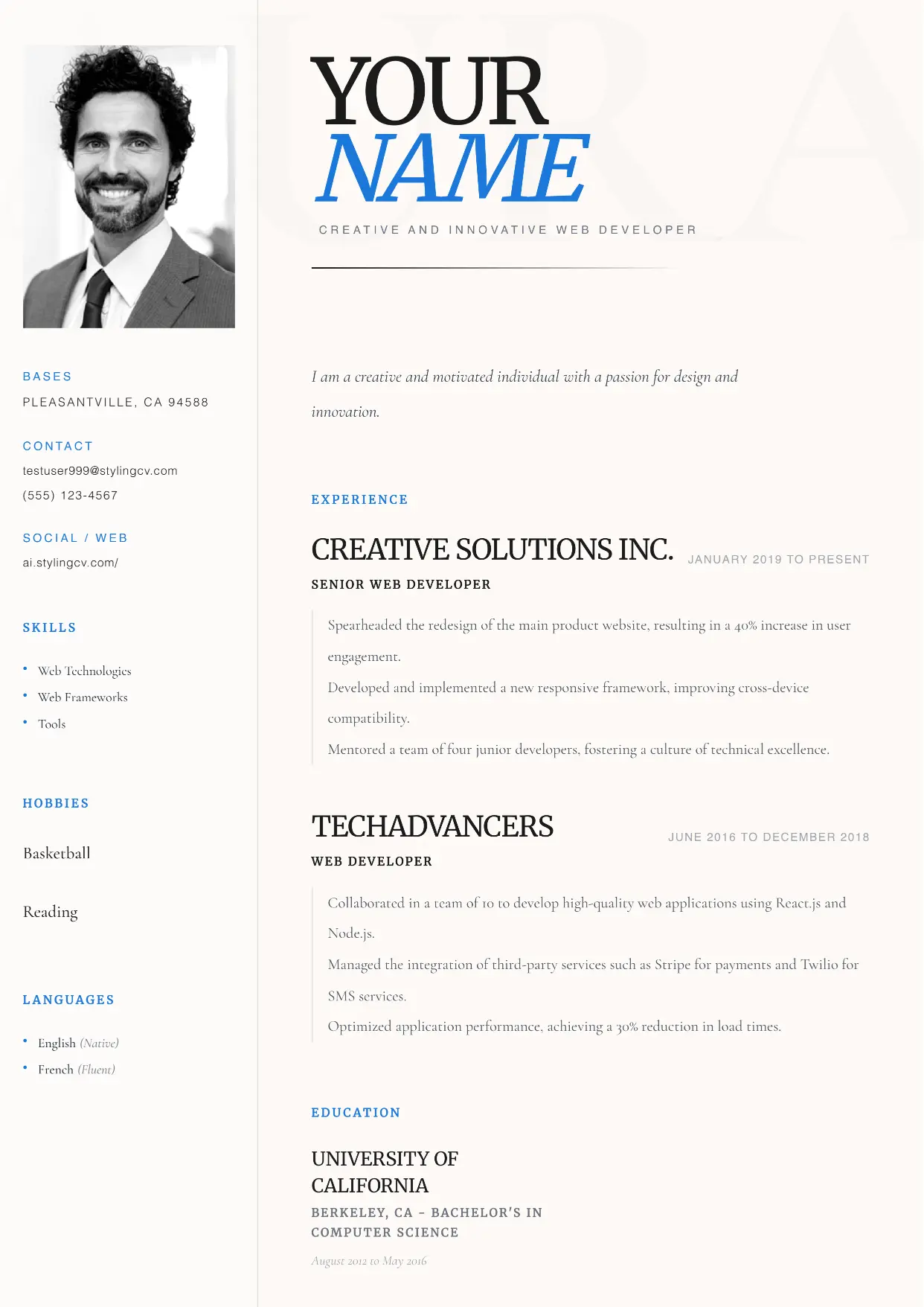
Aura
Professional and modern resume template optimized for applicant tracking systems. A clean, ATS-friendly CV layout designed to help you land your next interview.
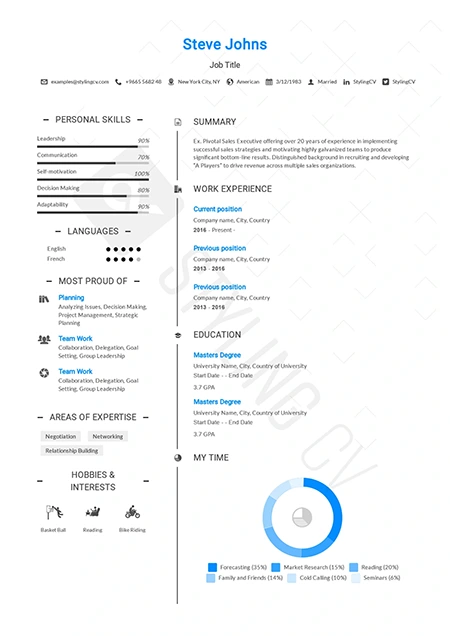
Awesome
Creative and bold resume template to make your application stand out. An eye-catching CV design that hiring managers won't forget.
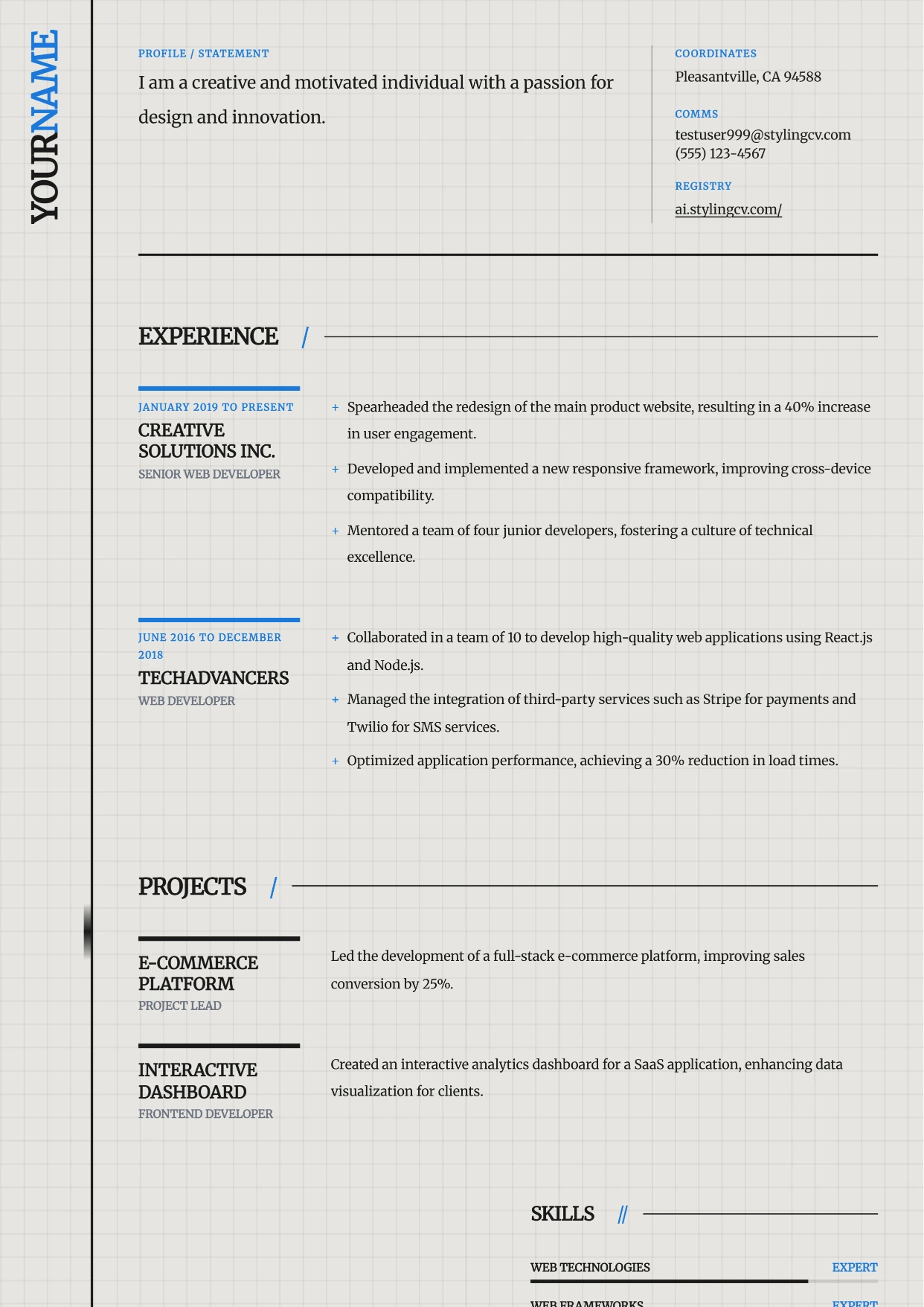
Axiom
Professional and modern resume template optimized for applicant tracking systems. A clean, ATS-friendly CV layout designed to help you land your next interview.
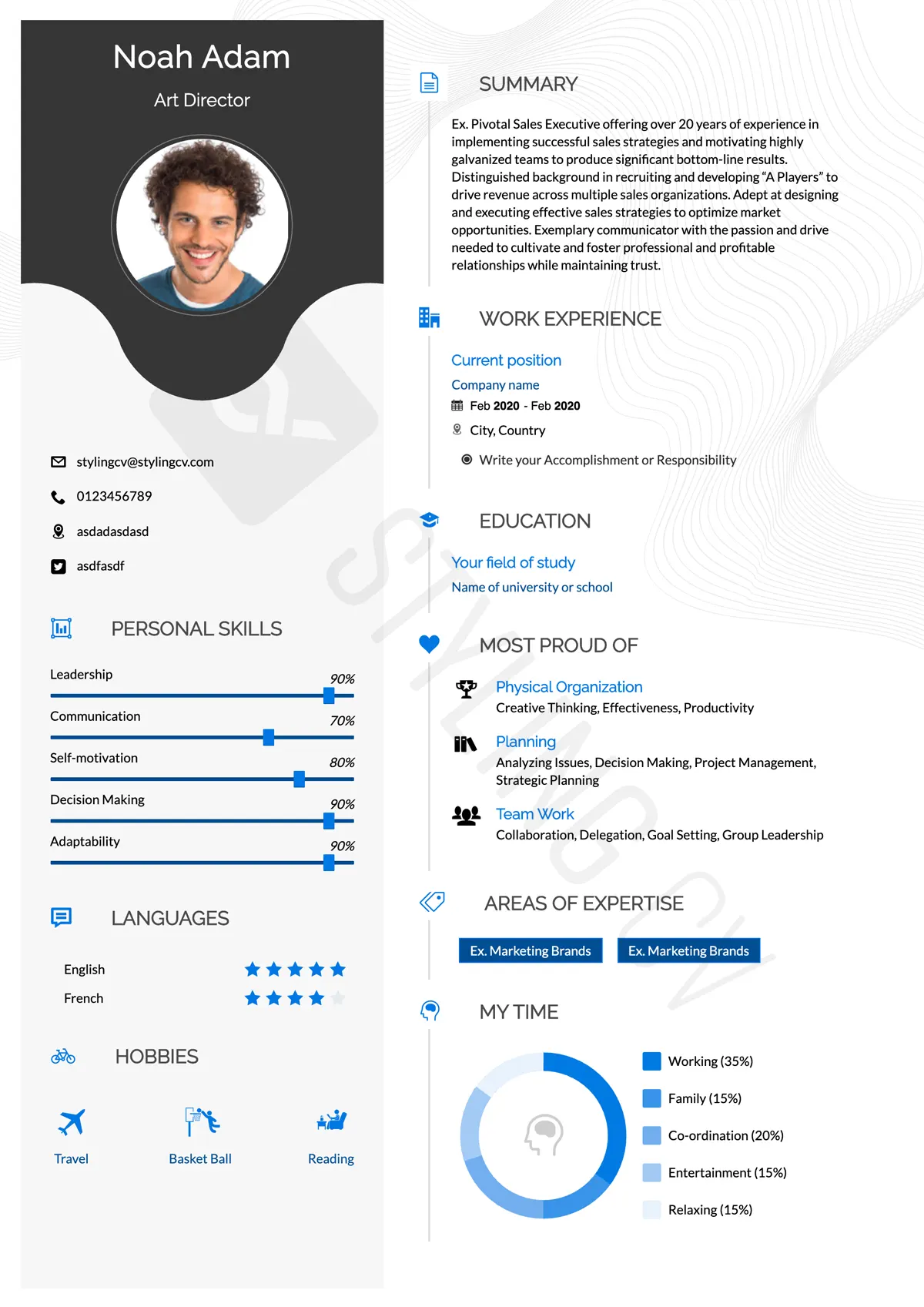
Baseline
Foundational ATS-friendly resume template. A simple, professional CV format proven to pass applicant tracking systems in any industry.
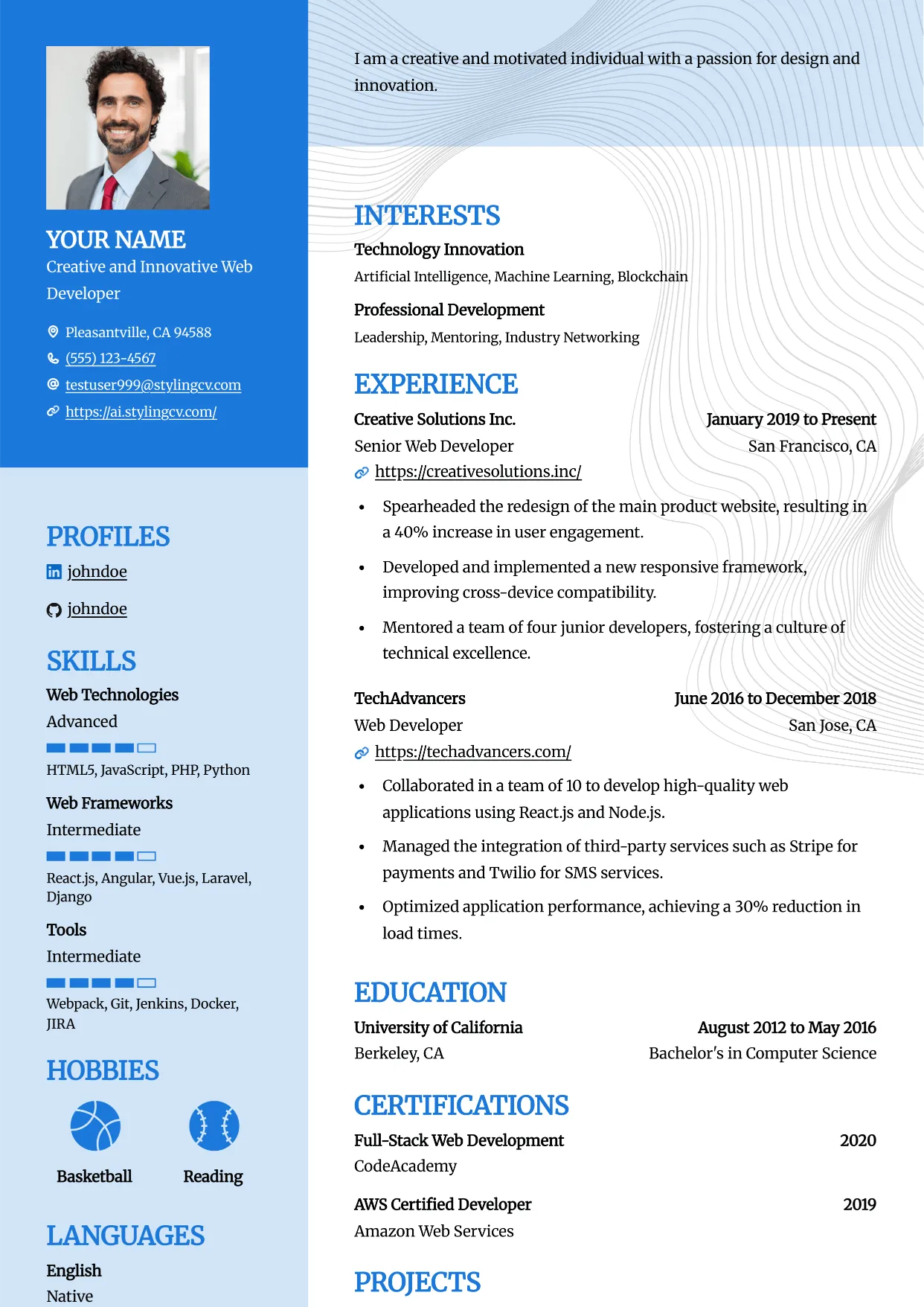
Bold
Professional and modern resume template optimized for applicant tracking systems. A clean, ATS-friendly CV layout designed to help you land your next interview.
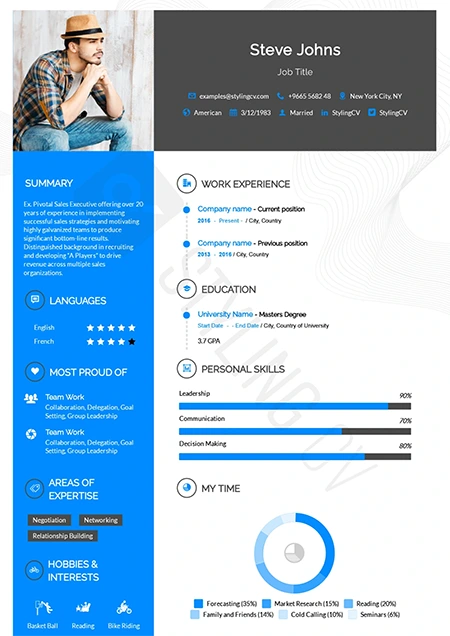
Catics
Unique geometric resume template tailored for creative industries. Showcase your portfolio and media experience with this modern CV layout.
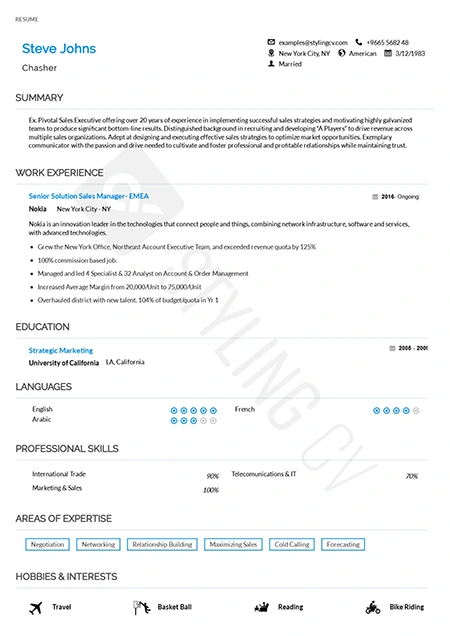
Classic
Timeless chronological resume template for traditional industries. A highly professional, conservative CV format trusted by recruiters.
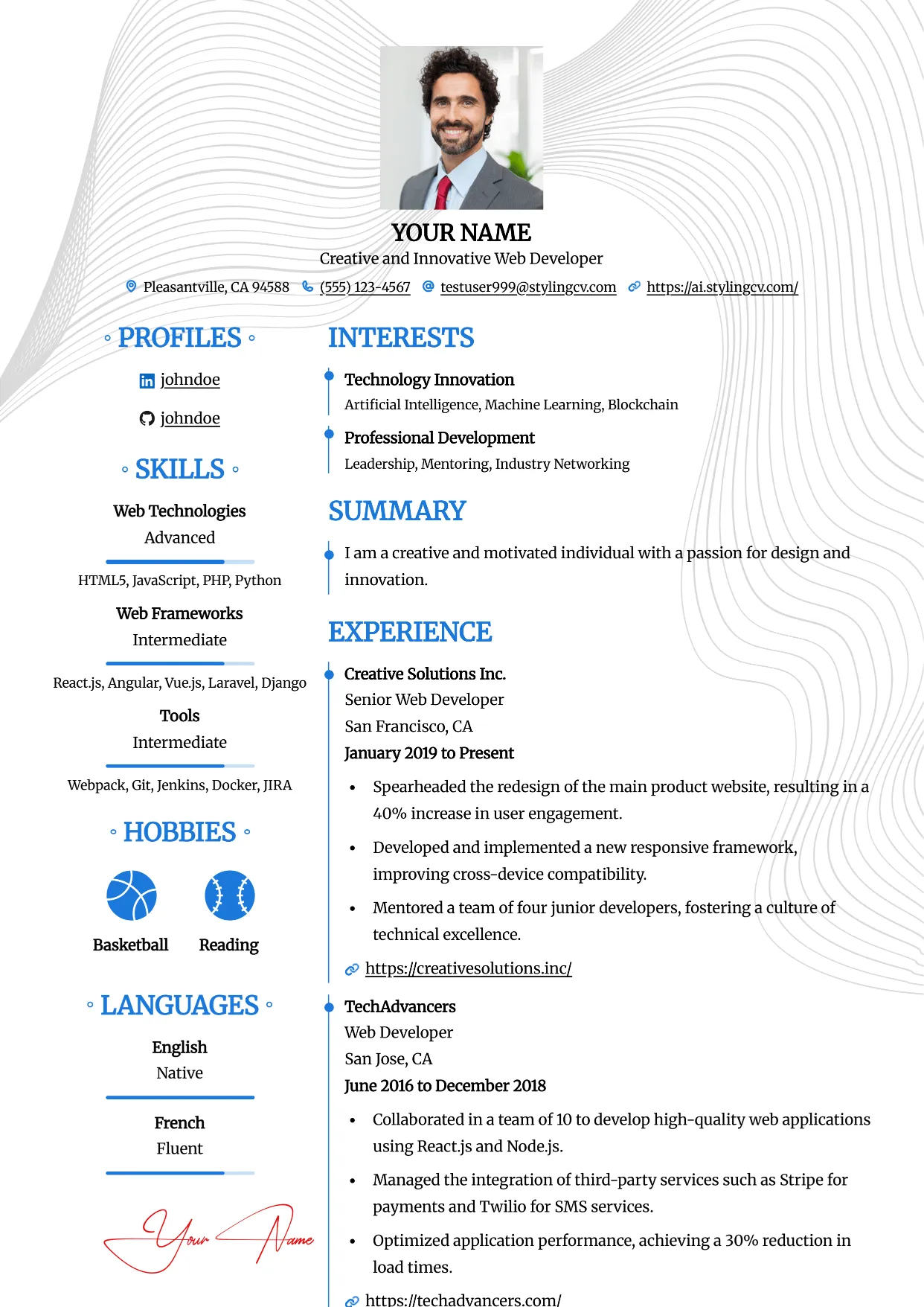
Clean
Professional and modern resume template optimized for applicant tracking systems. A clean, ATS-friendly CV layout designed to help you land your next interview.
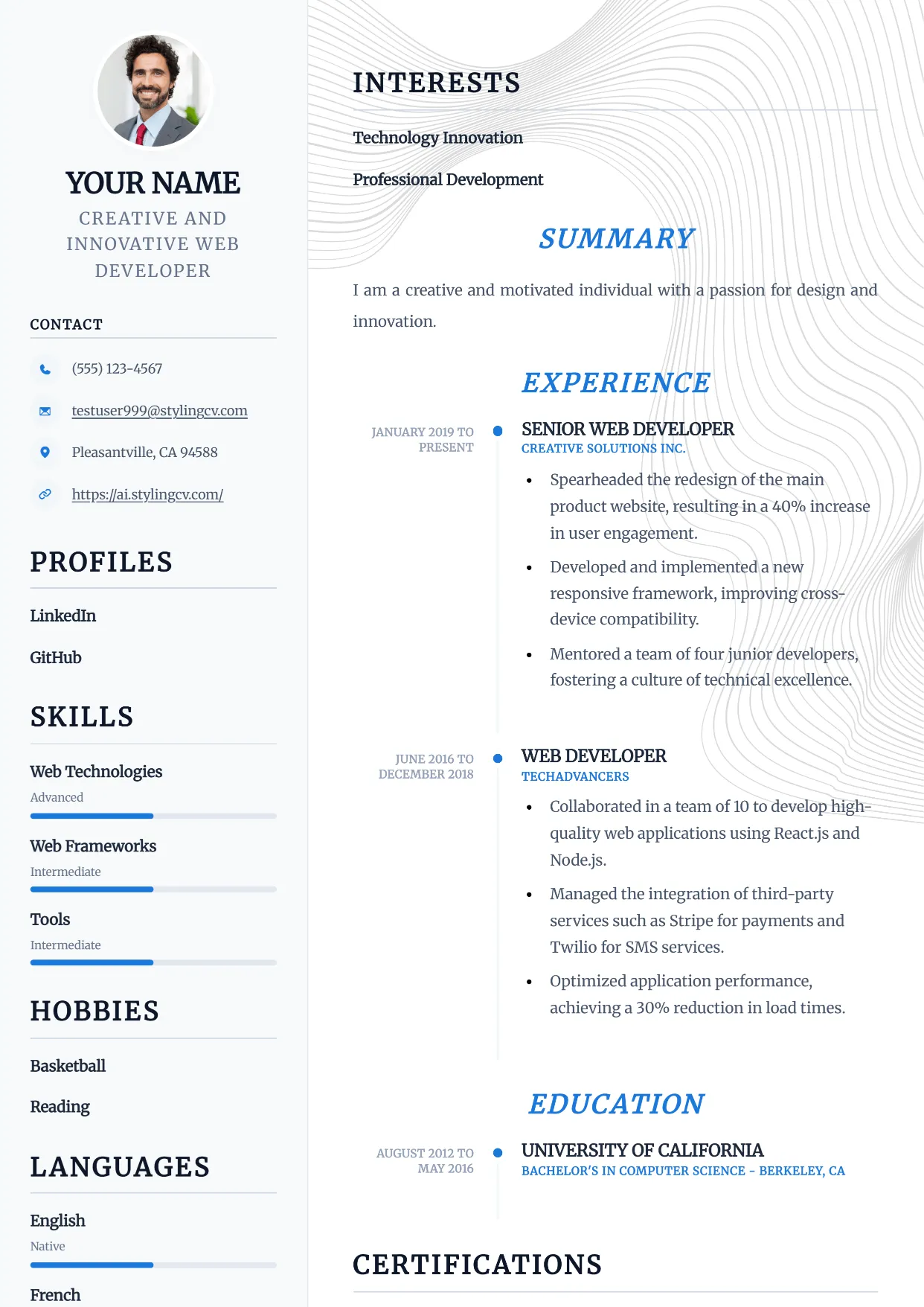
Compact
Professional and modern resume template optimized for applicant tracking systems. A clean, ATS-friendly CV layout designed to help you land your next interview.
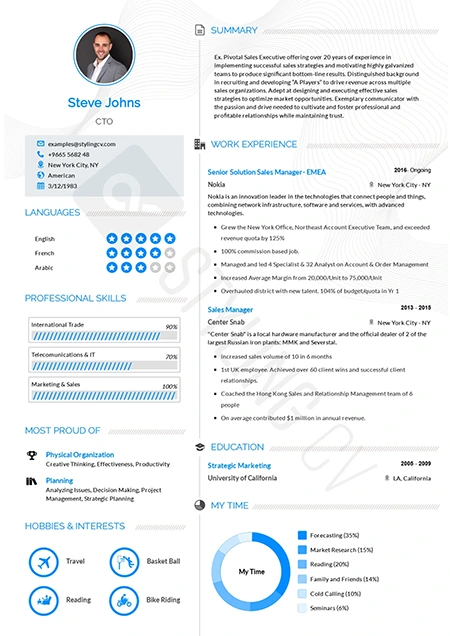
Concept
Innovative functional resume template for strategists and consultants. A modern CV layout designed to highlight core competencies and thought leadership.
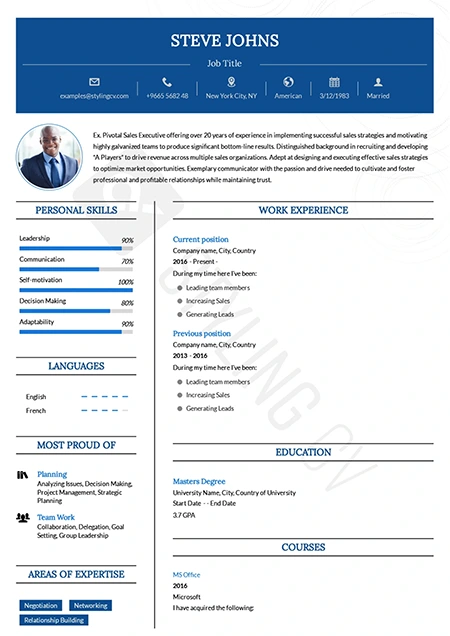
Confidence
Bold executive resume template projecting leadership and authority. A premium CV design for senior management and director-level applications.
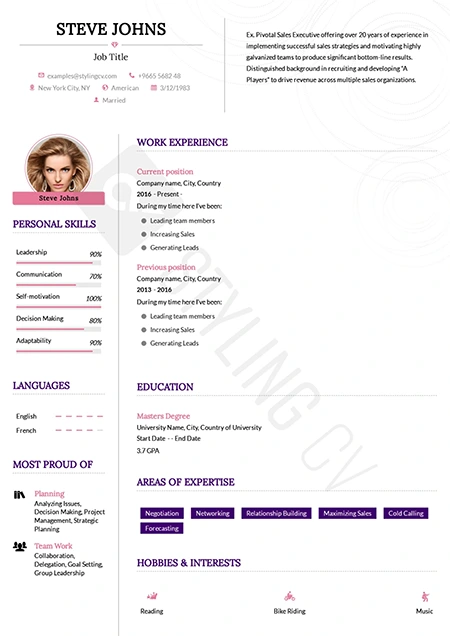
Corssa
Elegant European-inspired CV template for international business roles. A sophisticated resume format that balances modern design with professional standards.
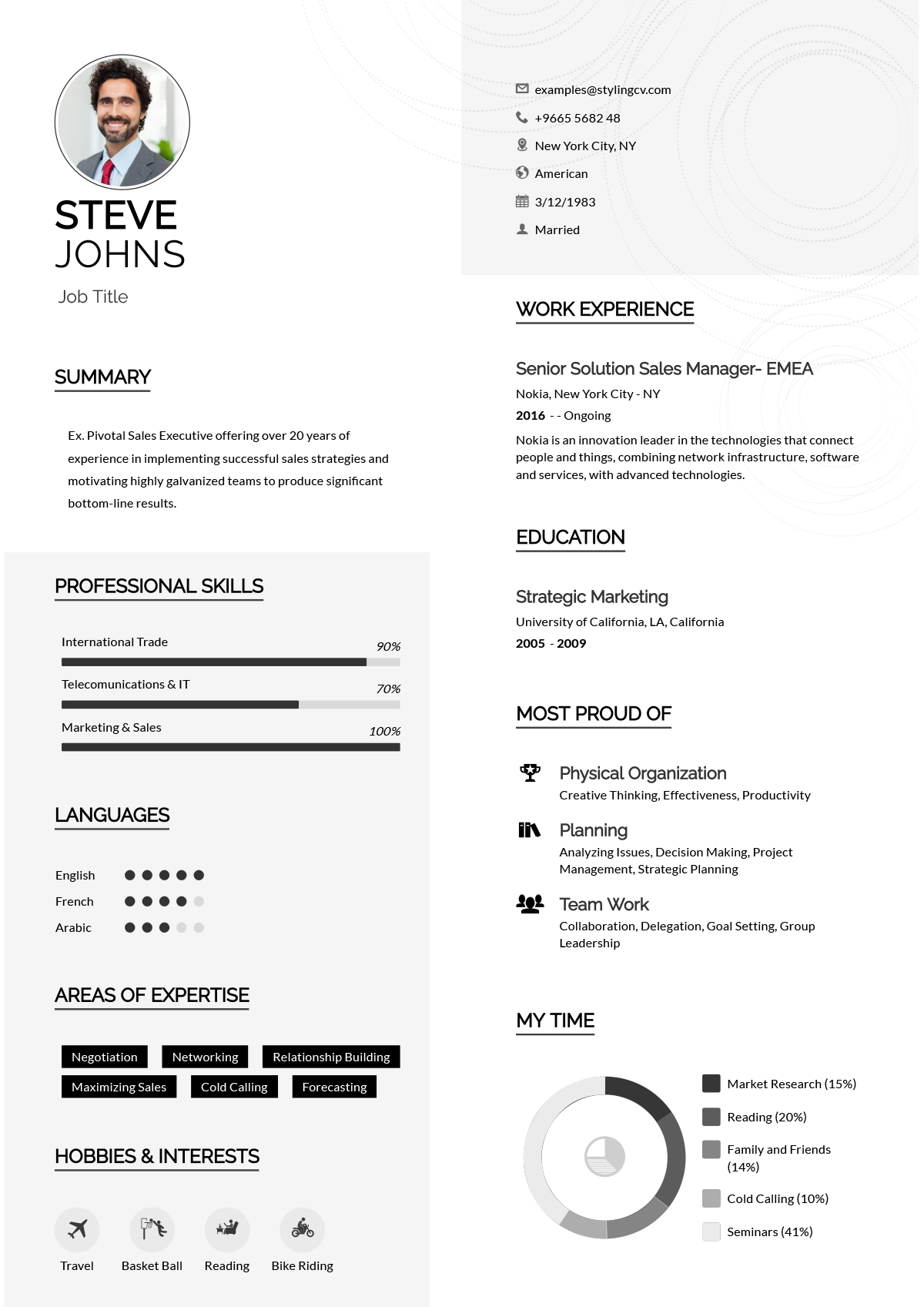
Creative
Vibrant and colorful creative resume template for design professionals. A memorable visual CV format perfect for marketing and artistic roles.
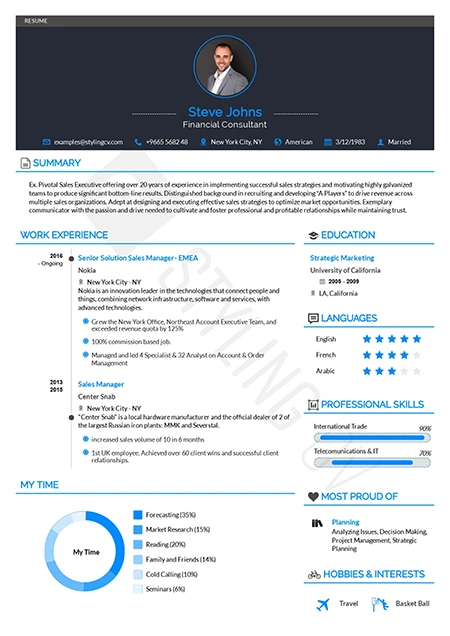
Diamond
Polished and premium professional resume template. A high-end CV design that ensures your extensive work experience shines through beautifully.
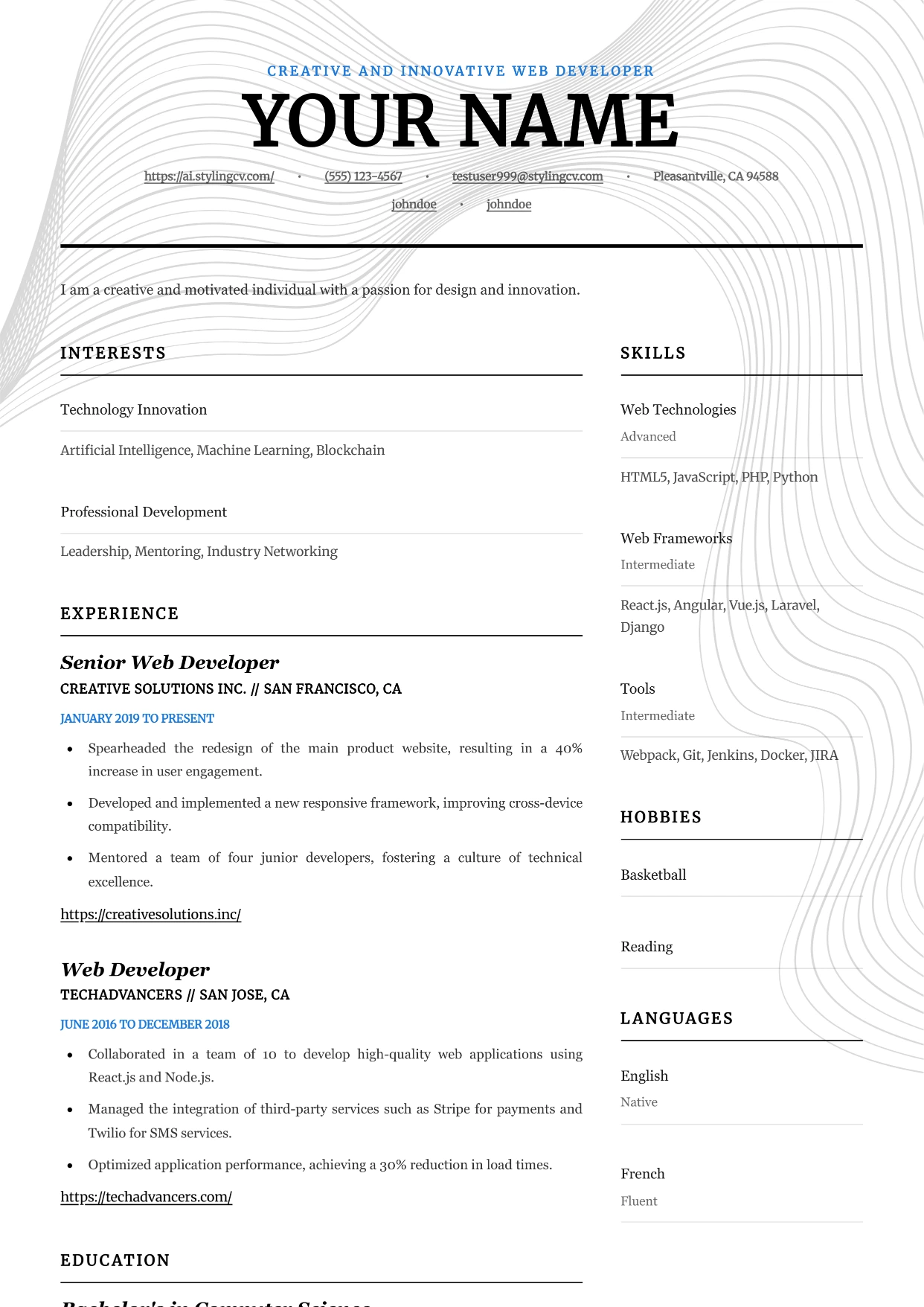
Editorial
Professional and modern resume template optimized for applicant tracking systems. A clean, ATS-friendly CV layout designed to help you land your next interview.
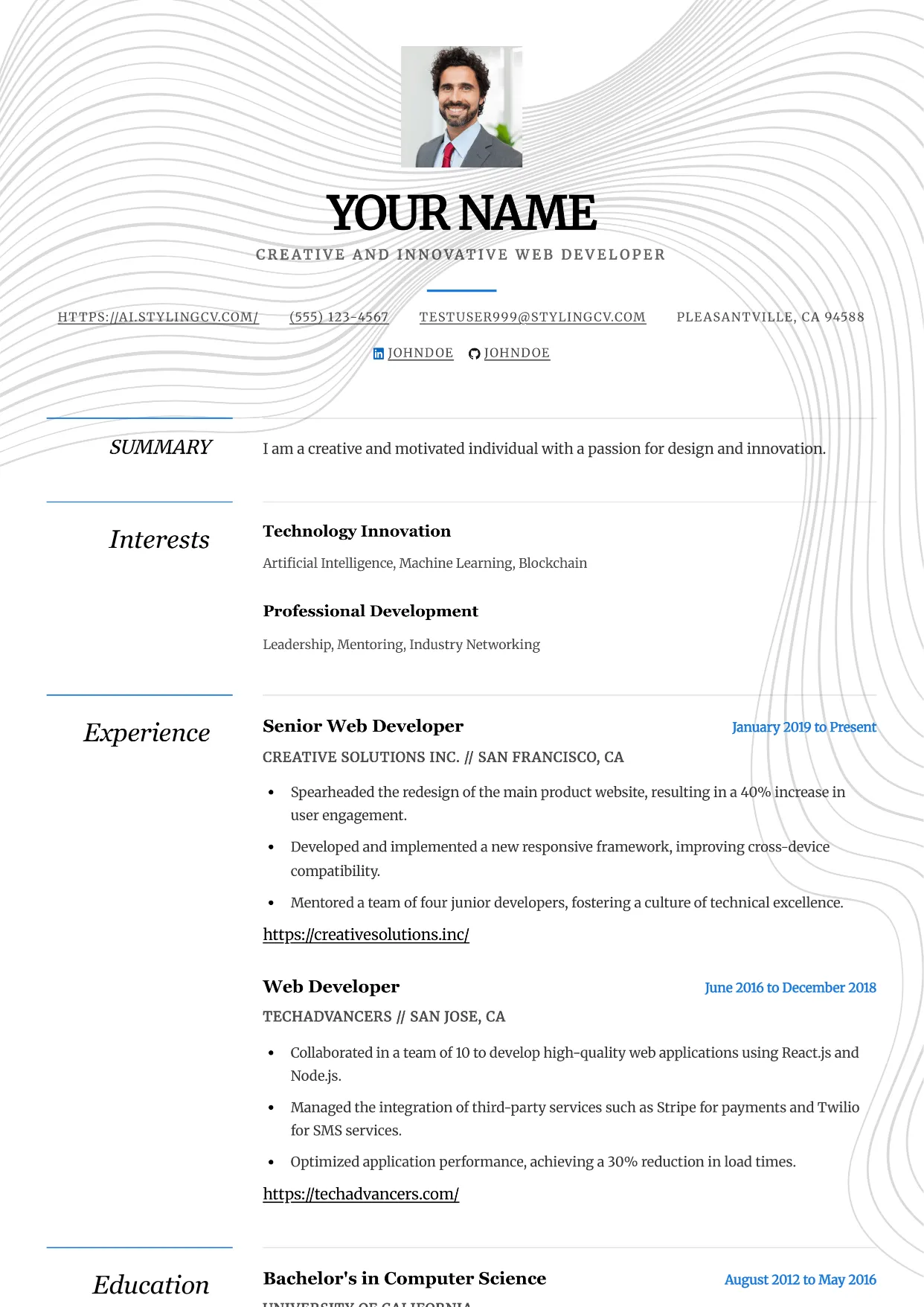
Elegance
Professional and modern resume template optimized for applicant tracking systems. A clean, ATS-friendly CV layout designed to help you land your next interview.
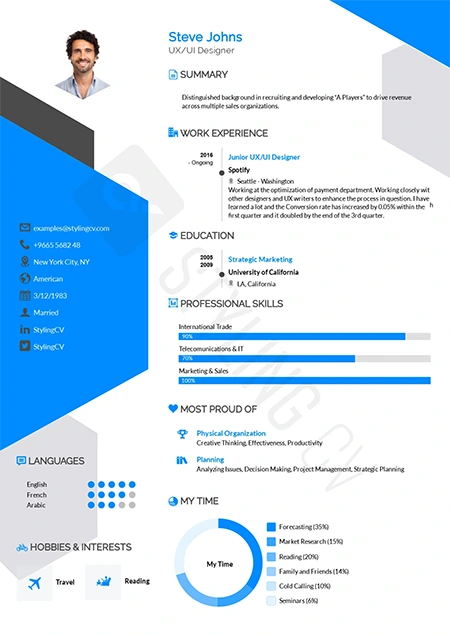
Elegant
Sophisticated resume template for law, finance, and executive roles. A classic, highly professional CV layout that commands immediate respect.
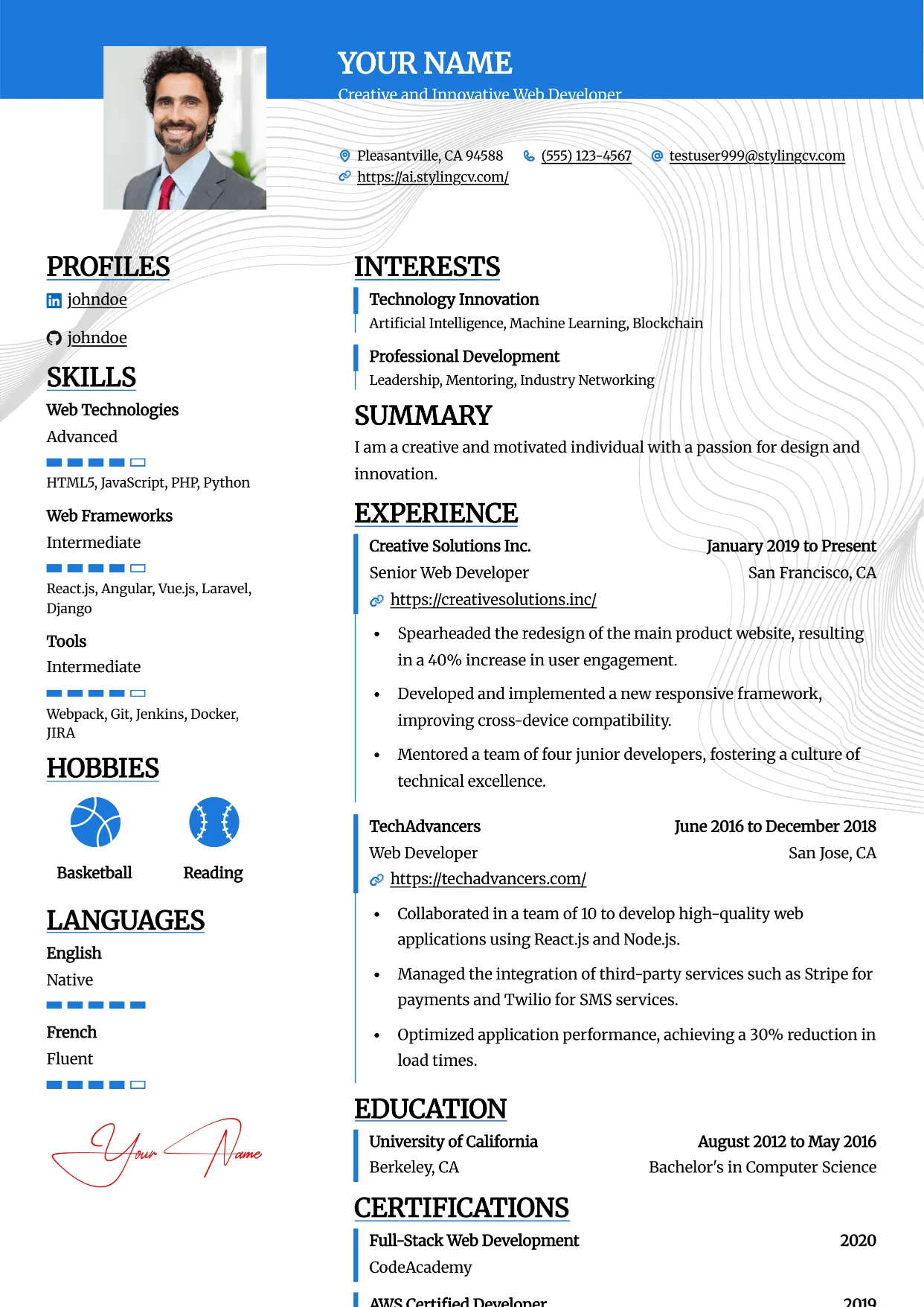
Essential
Professional and modern resume template optimized for applicant tracking systems. A clean, ATS-friendly CV layout designed to help you land your next interview.
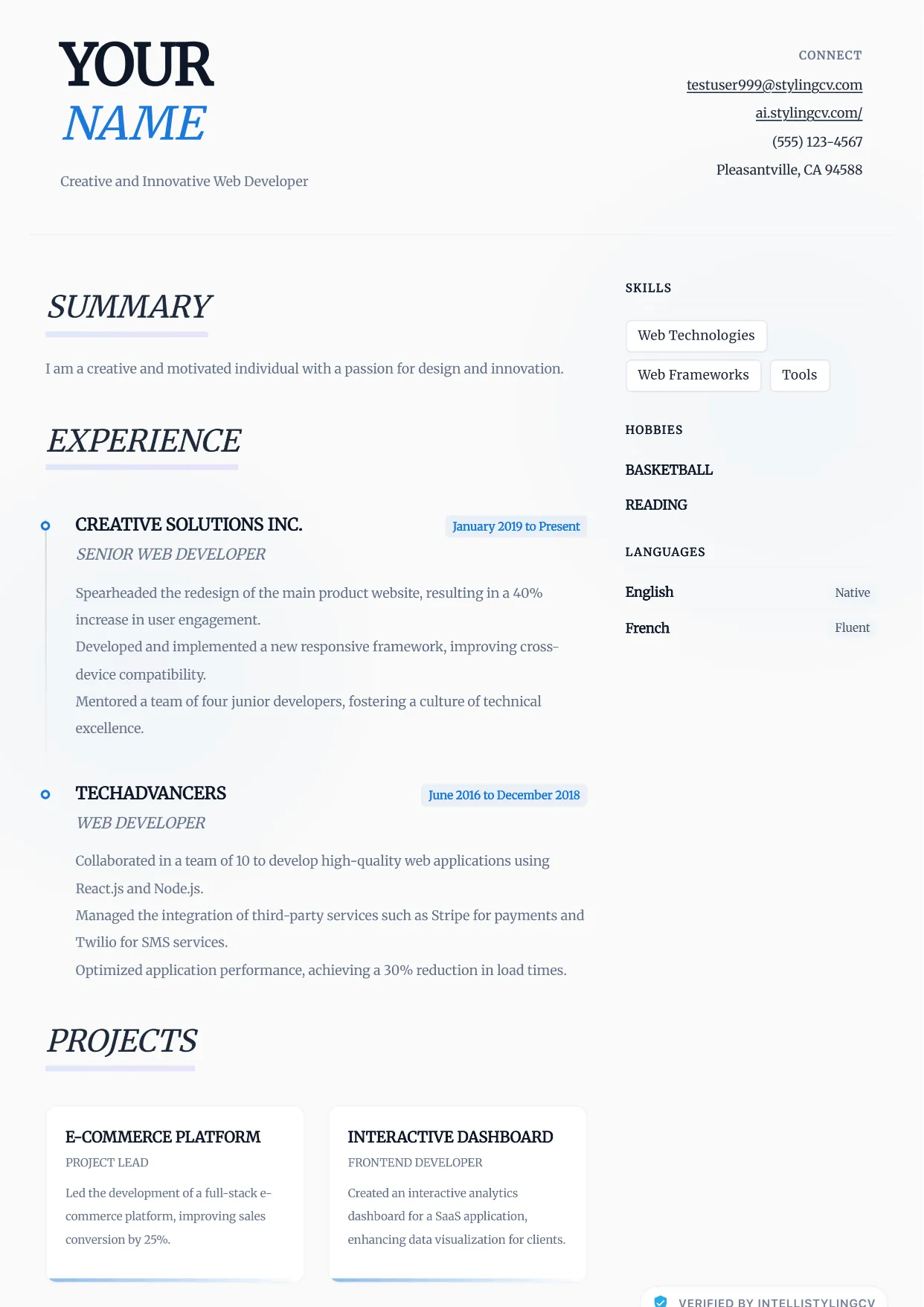
Ethereal
Professional and modern resume template optimized for applicant tracking systems. A clean, ATS-friendly CV layout designed to help you land your next interview.
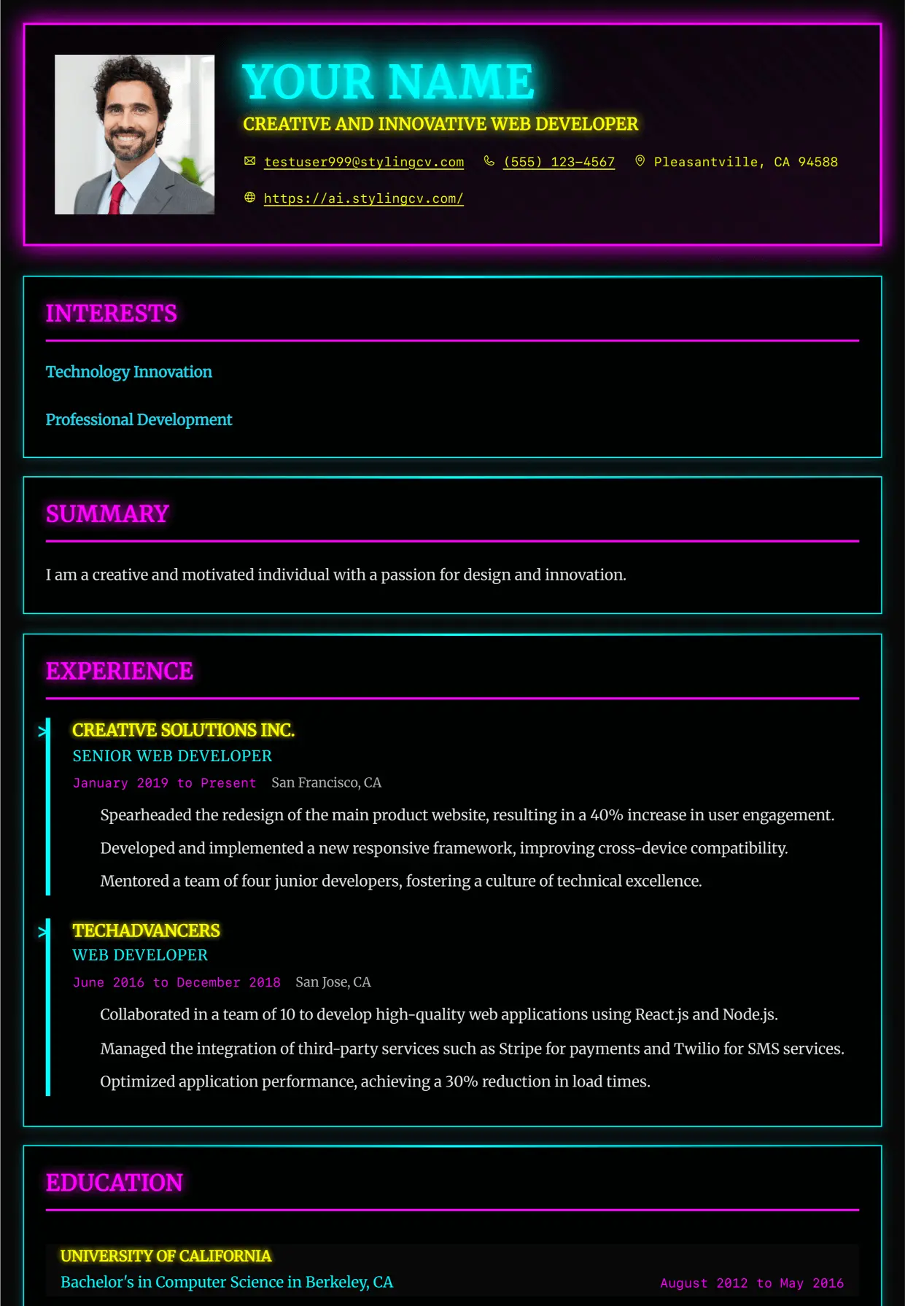
Executive
Professional and modern resume template optimized for applicant tracking systems. A clean, ATS-friendly CV layout designed to help you land your next interview.
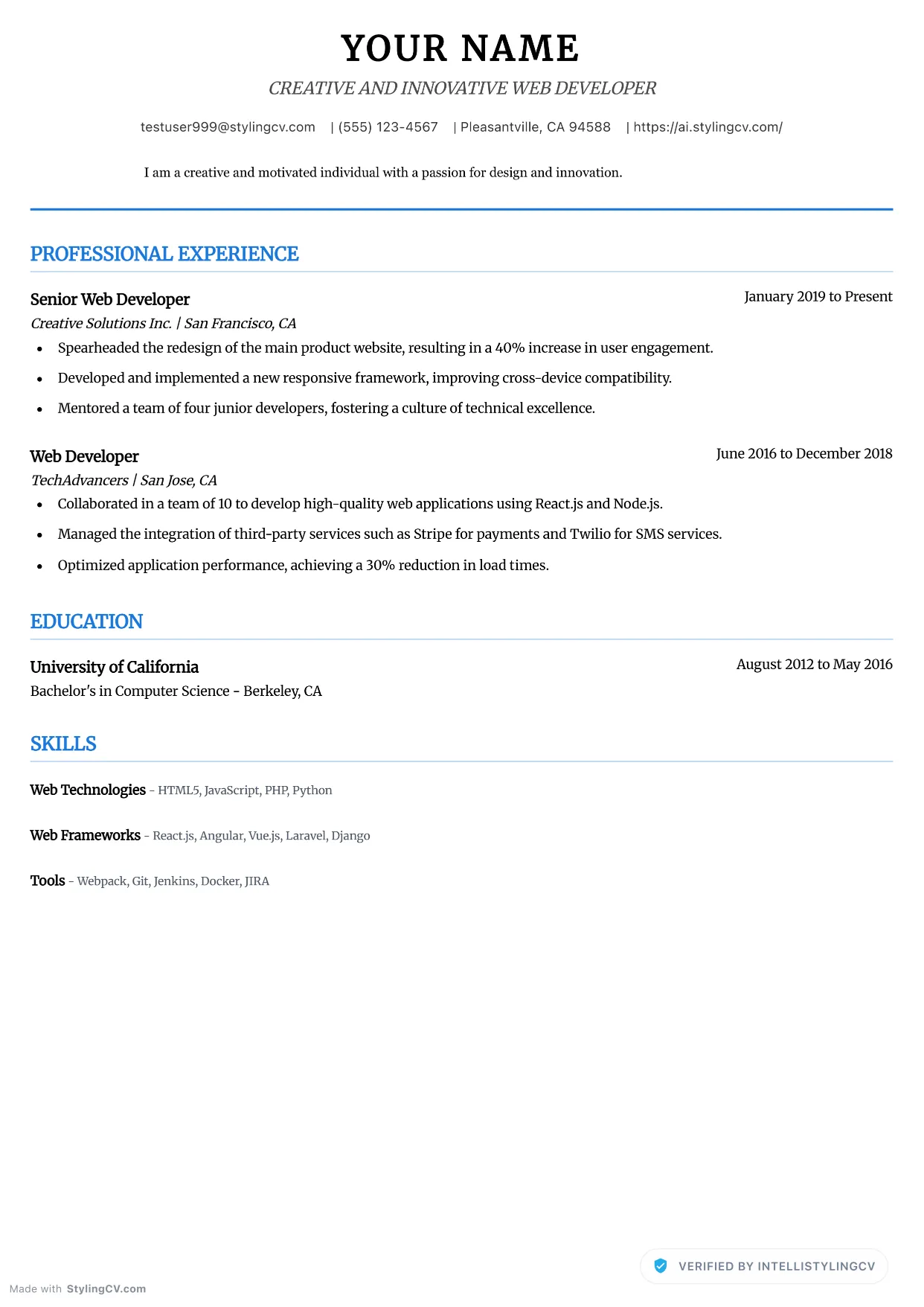
Executive Neat
Professional and modern resume template optimized for applicant tracking systems. A clean, ATS-friendly CV layout designed to help you land your next interview.
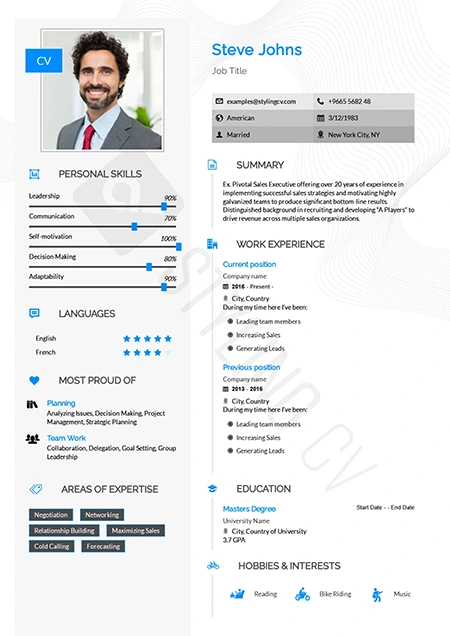
Feminine
Refined and stylish resume template with a modern feminine aesthetic. Perfect CV layout for fashion, beauty, lifestyle, and creative marketing roles.
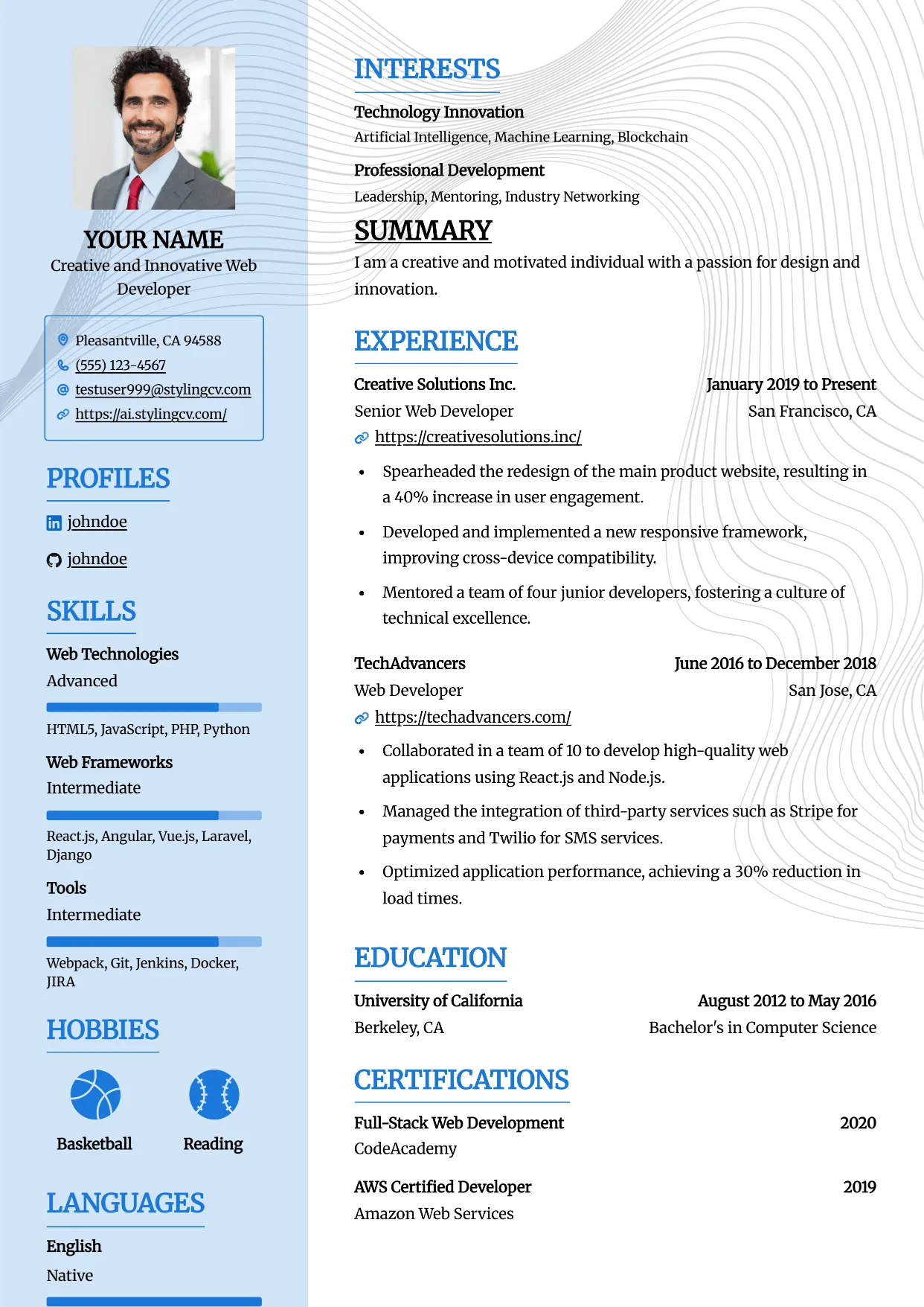
Framed
Professional and modern resume template optimized for applicant tracking systems. A clean, ATS-friendly CV layout designed to help you land your next interview.
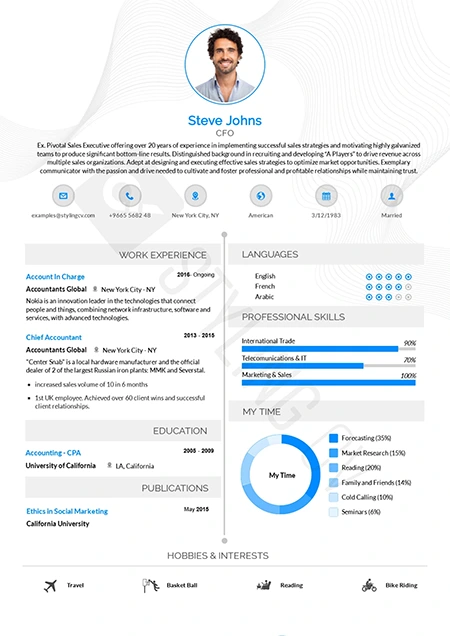
Functional
Skills-focused functional resume template ideal for career changers. A smart CV format that highlights transferrable skills over chronological work history.
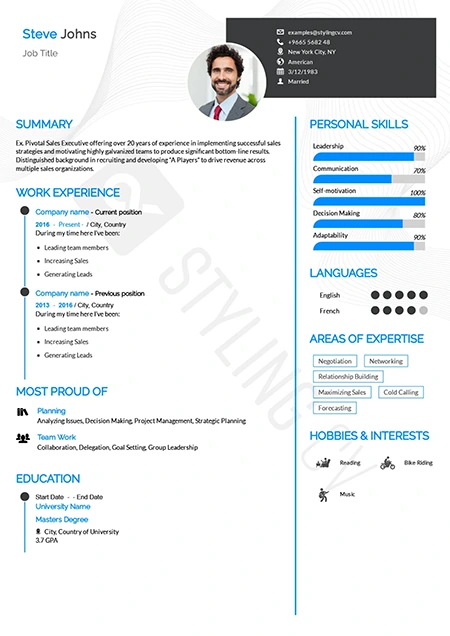
Genial
Approachable and modern resume template for customer-facing roles. An excellent professional CV layout for HR, sales, and service professionals.
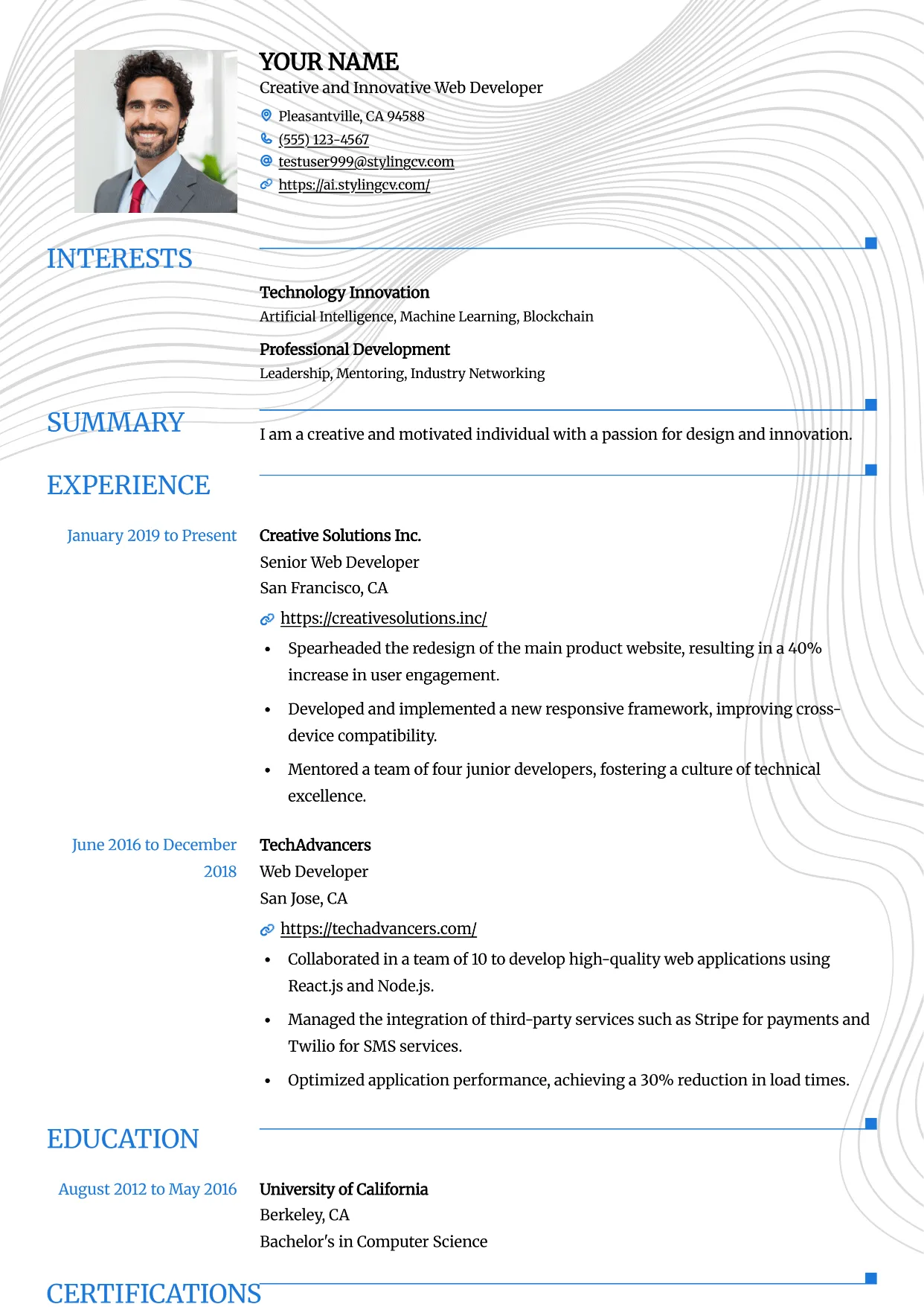
Grid
Professional and modern resume template optimized for applicant tracking systems. A clean, ATS-friendly CV layout designed to help you land your next interview.
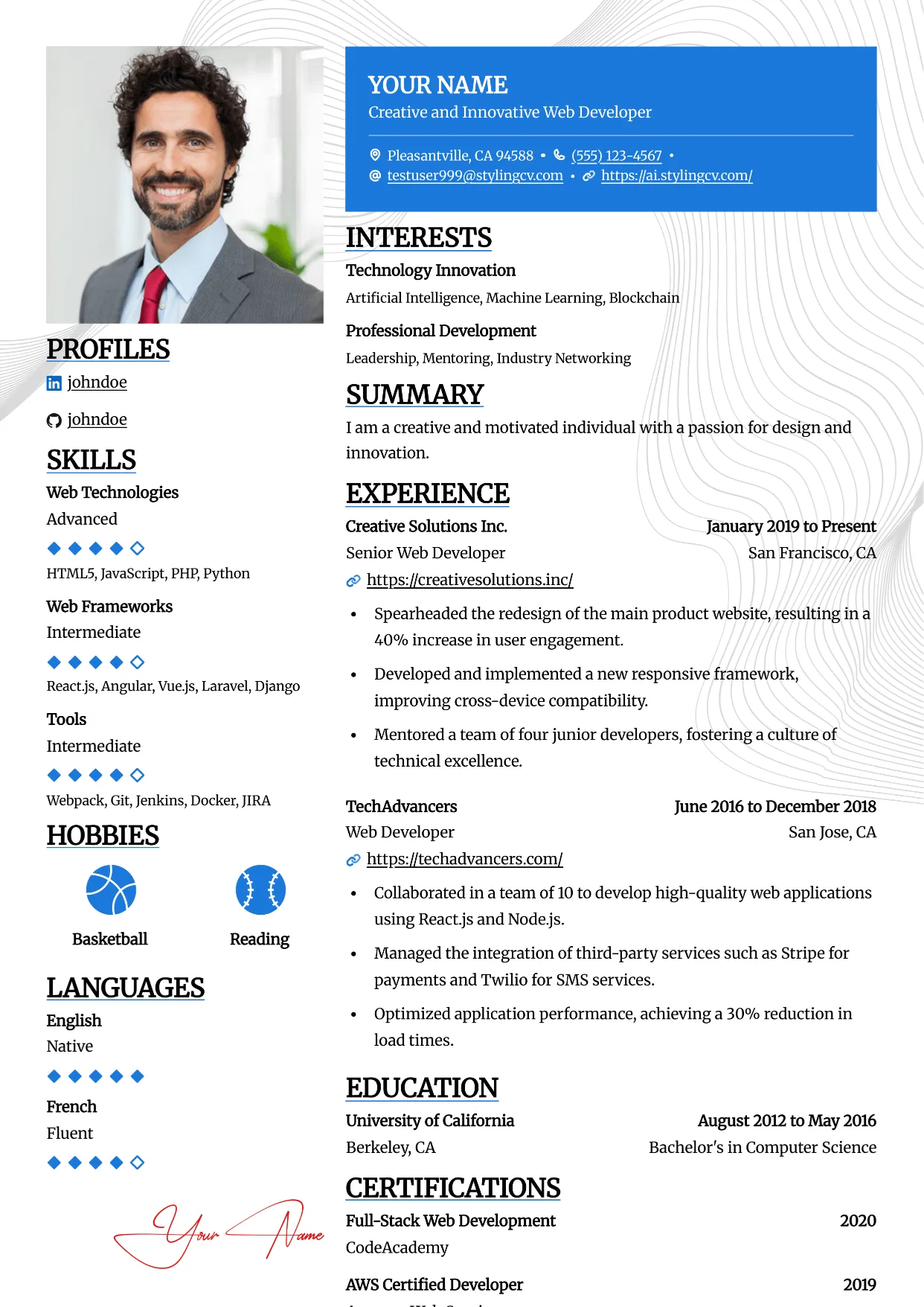
Highlight
Professional and modern resume template optimized for applicant tracking systems. A clean, ATS-friendly CV layout designed to help you land your next interview.
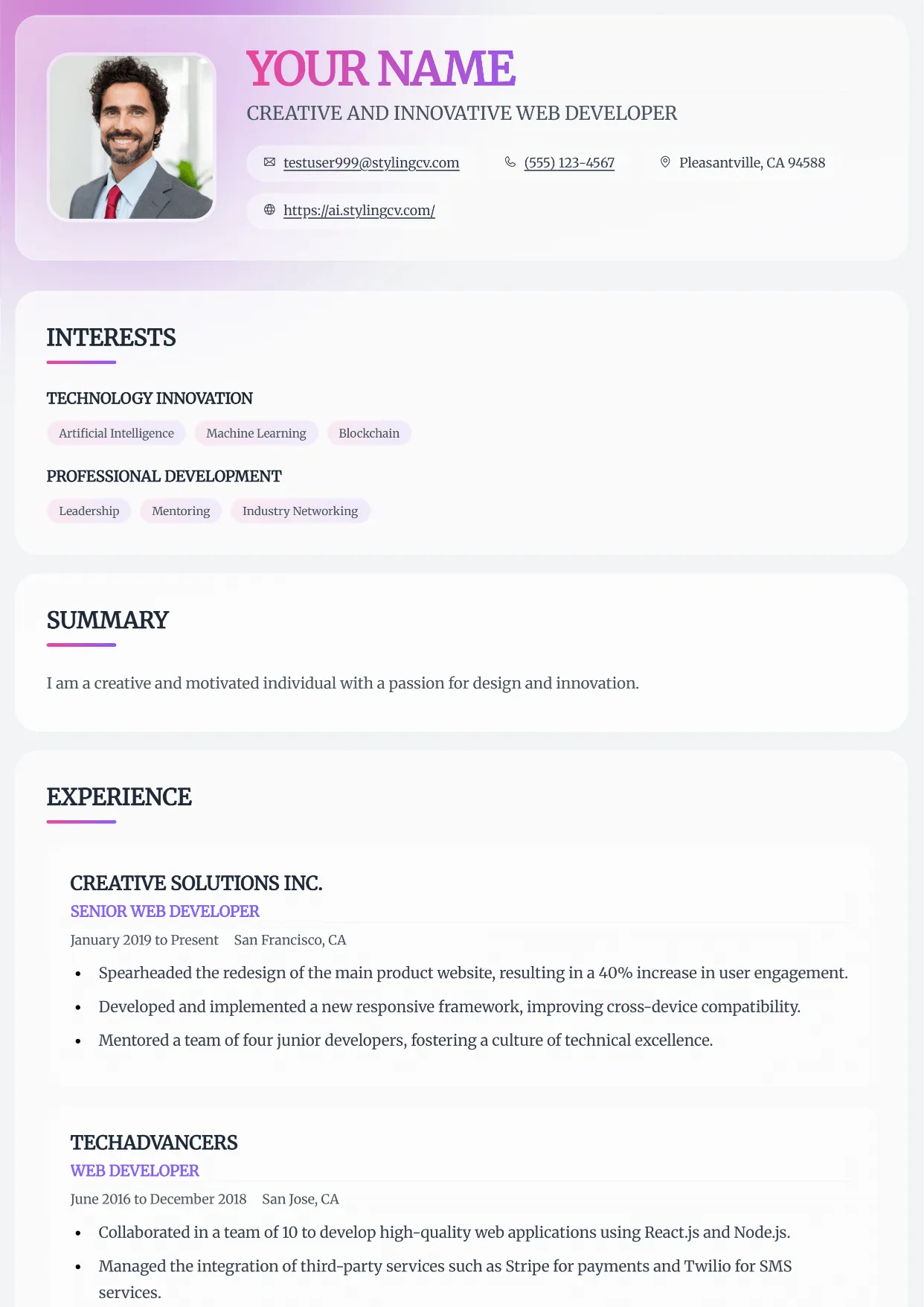
Horizon
Professional and modern resume template optimized for applicant tracking systems. A clean, ATS-friendly CV layout designed to help you land your next interview.
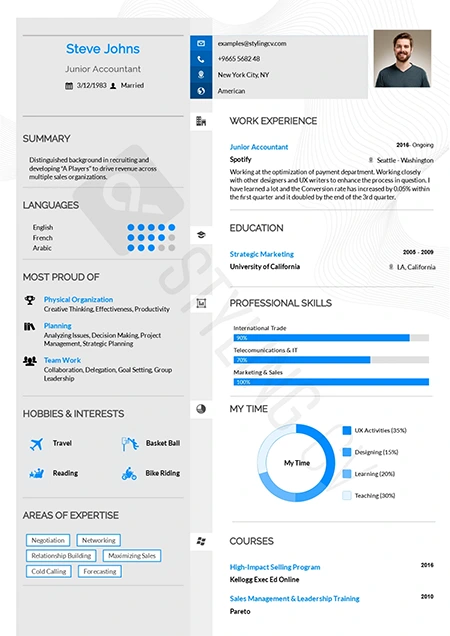
Influx
Dynamic and modern CV template tailored for marketing and communications. A high-flow resume design that beautifully organizes complex career data.
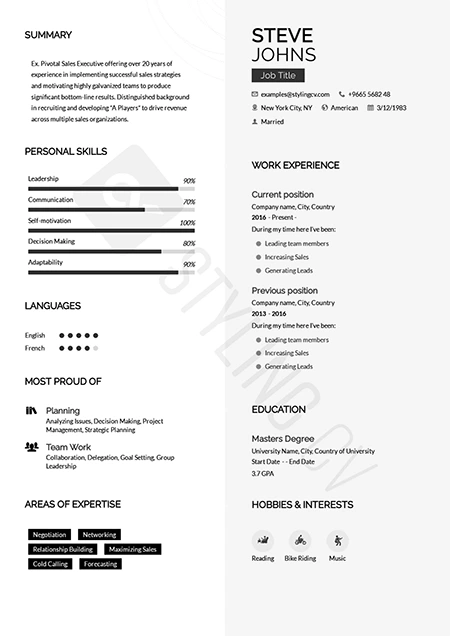
Katrina
Graceful modern resume template designed for personal brand building. A beautifully structured CV format that balances personality with professionalism.
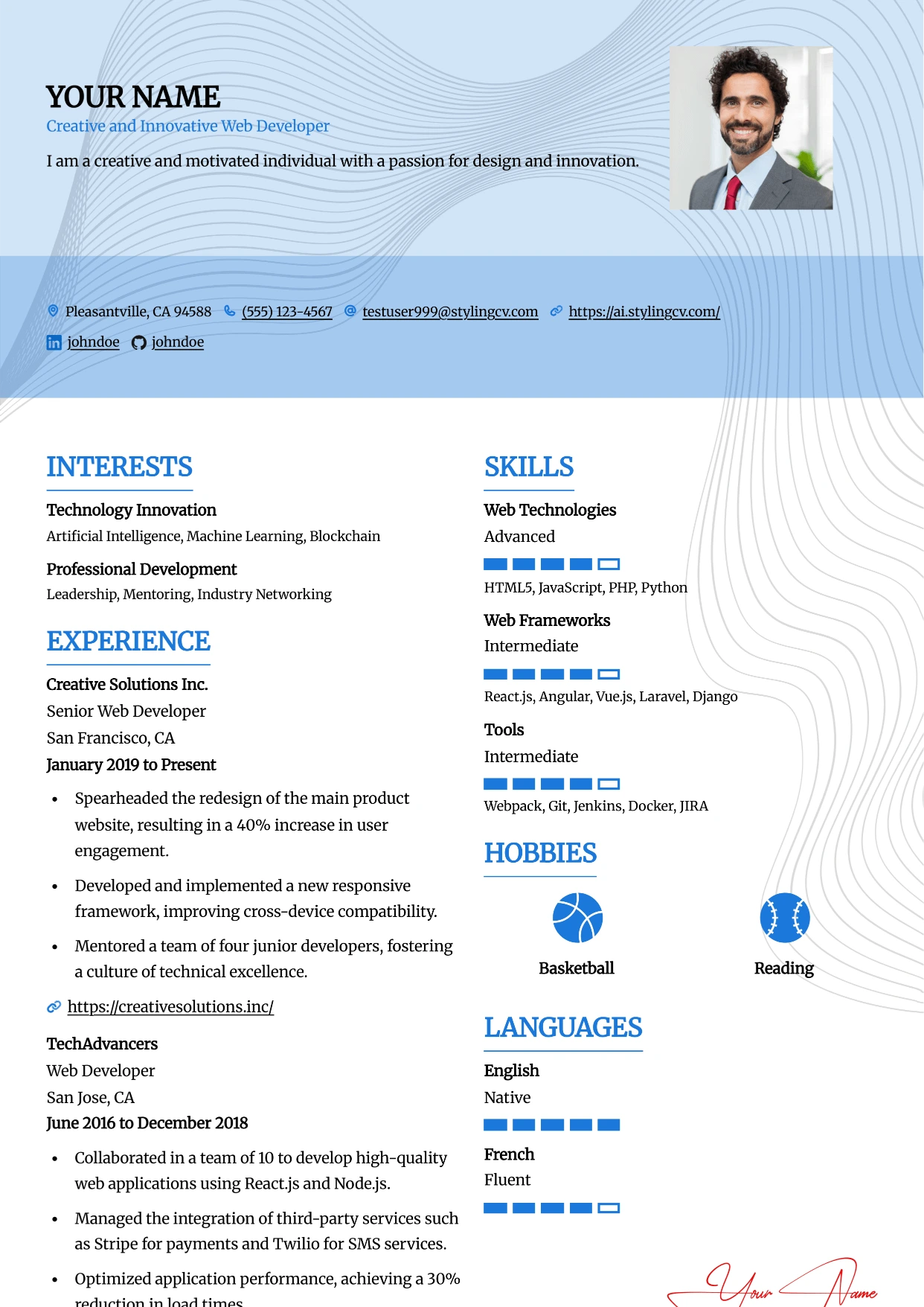
Leafish
Professional and modern resume template optimized for applicant tracking systems. A clean, ATS-friendly CV layout designed to help you land your next interview.
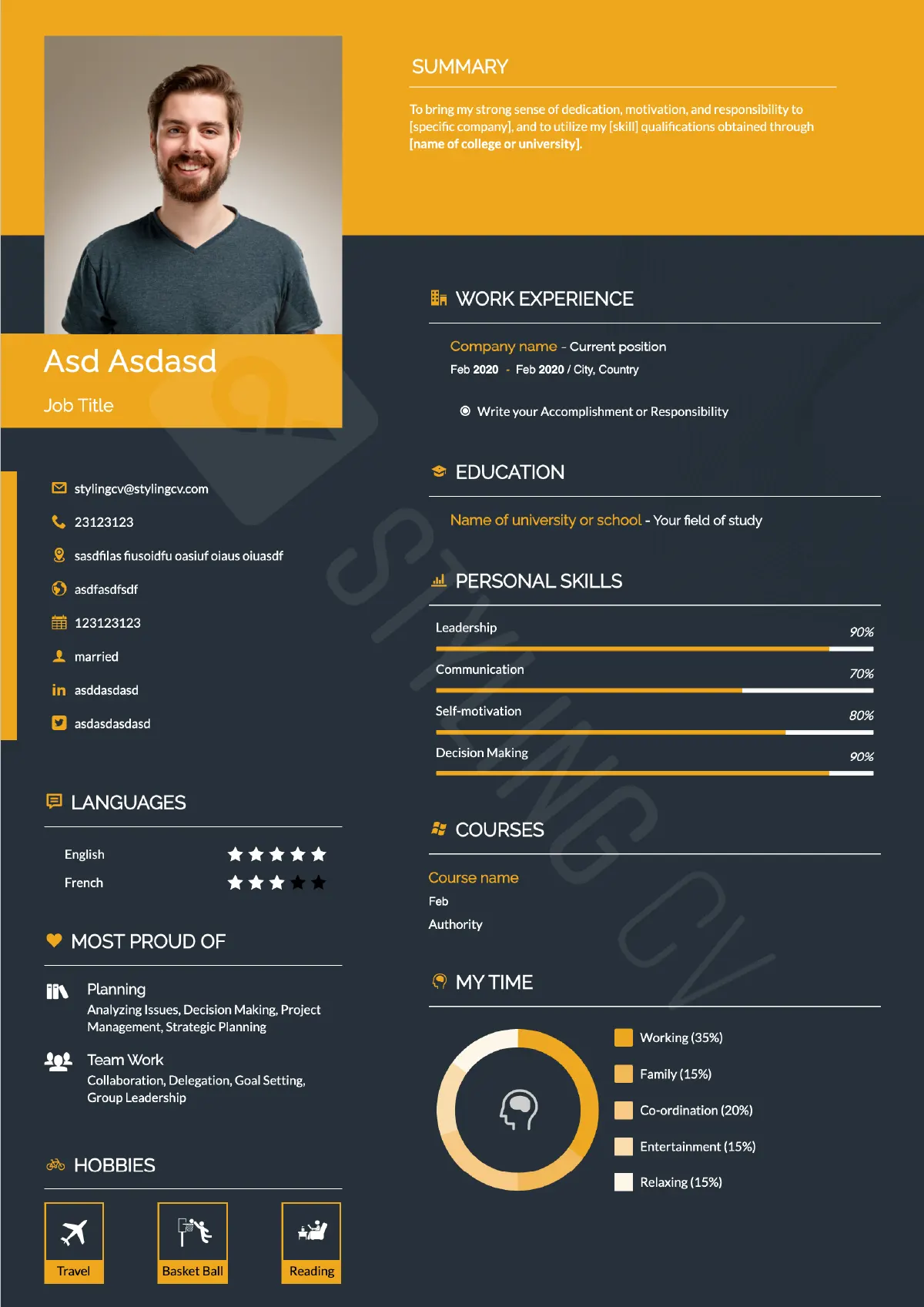
Mark
Strong hierarchical resume template for business development and sales. A high-impact professional CV layout optimized for quantifiable achievements.
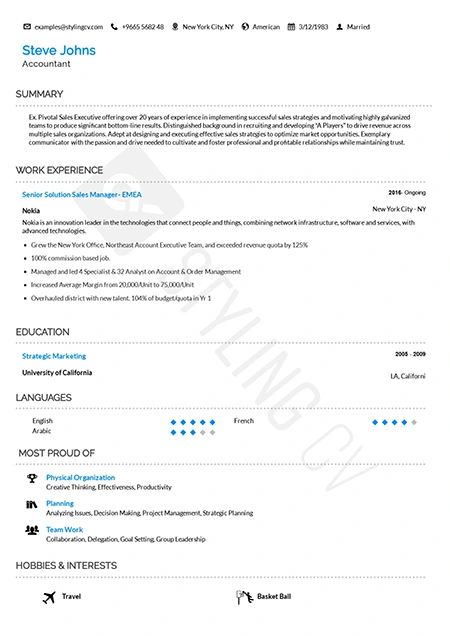
Metrix
Data-driven analytical resume template. The perfect ATS-friendly CV layout for data scientists, financial analysts, and quantitative professionals.
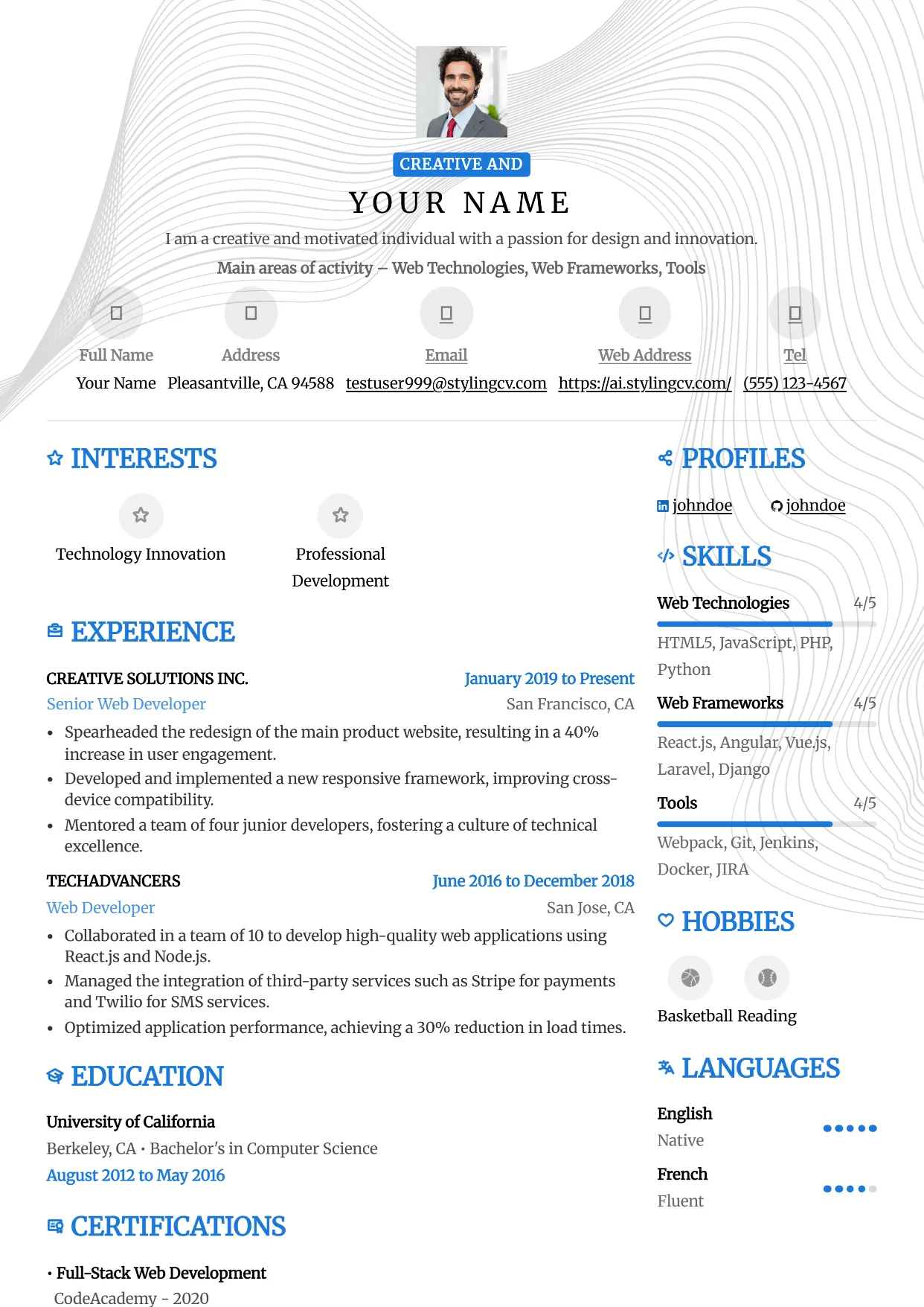
Metro
Professional and modern resume template optimized for applicant tracking systems. A clean, ATS-friendly CV layout designed to help you land your next interview.
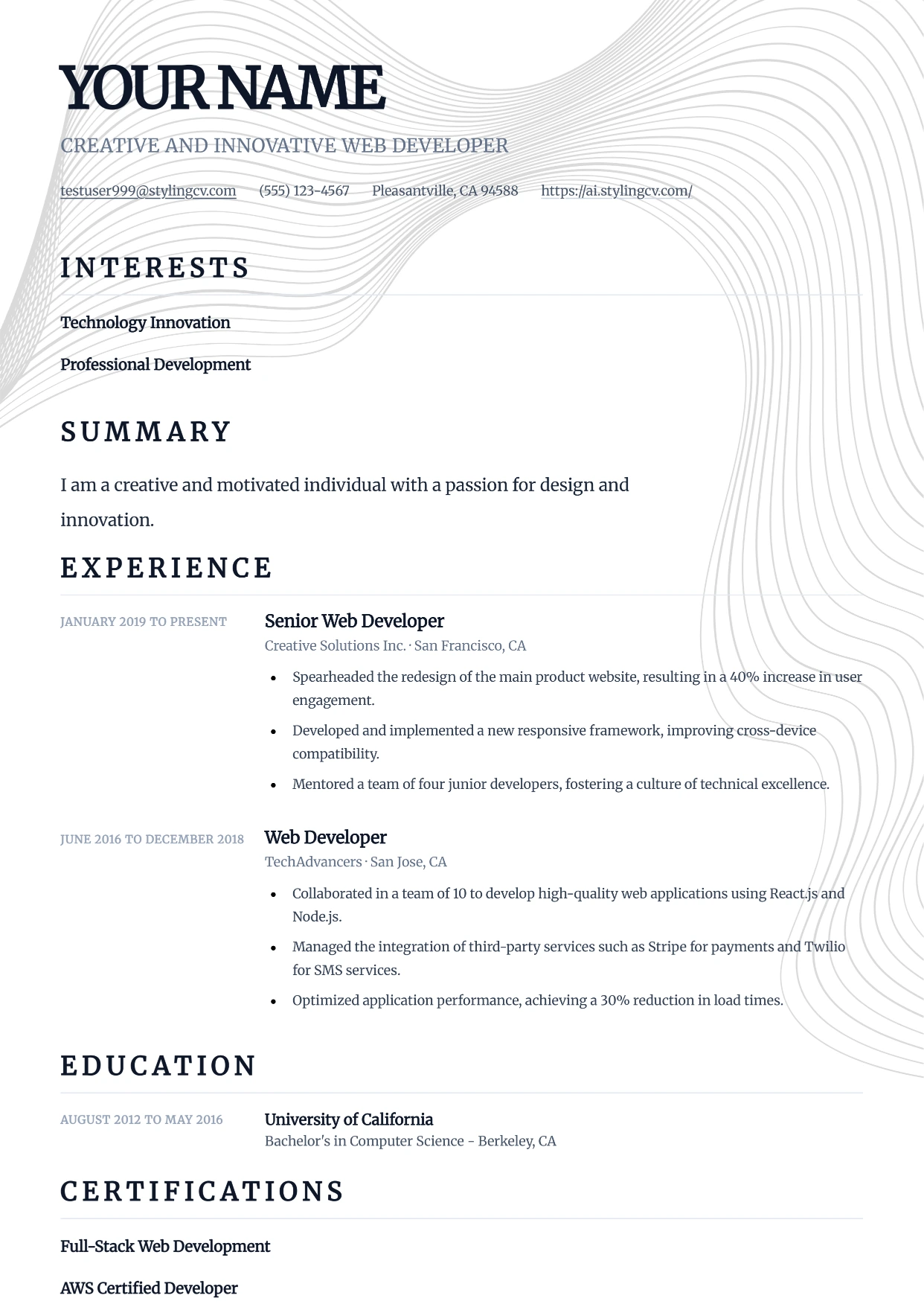
Minimal
Professional and modern resume template optimized for applicant tracking systems. A clean, ATS-friendly CV layout designed to help you land your next interview.
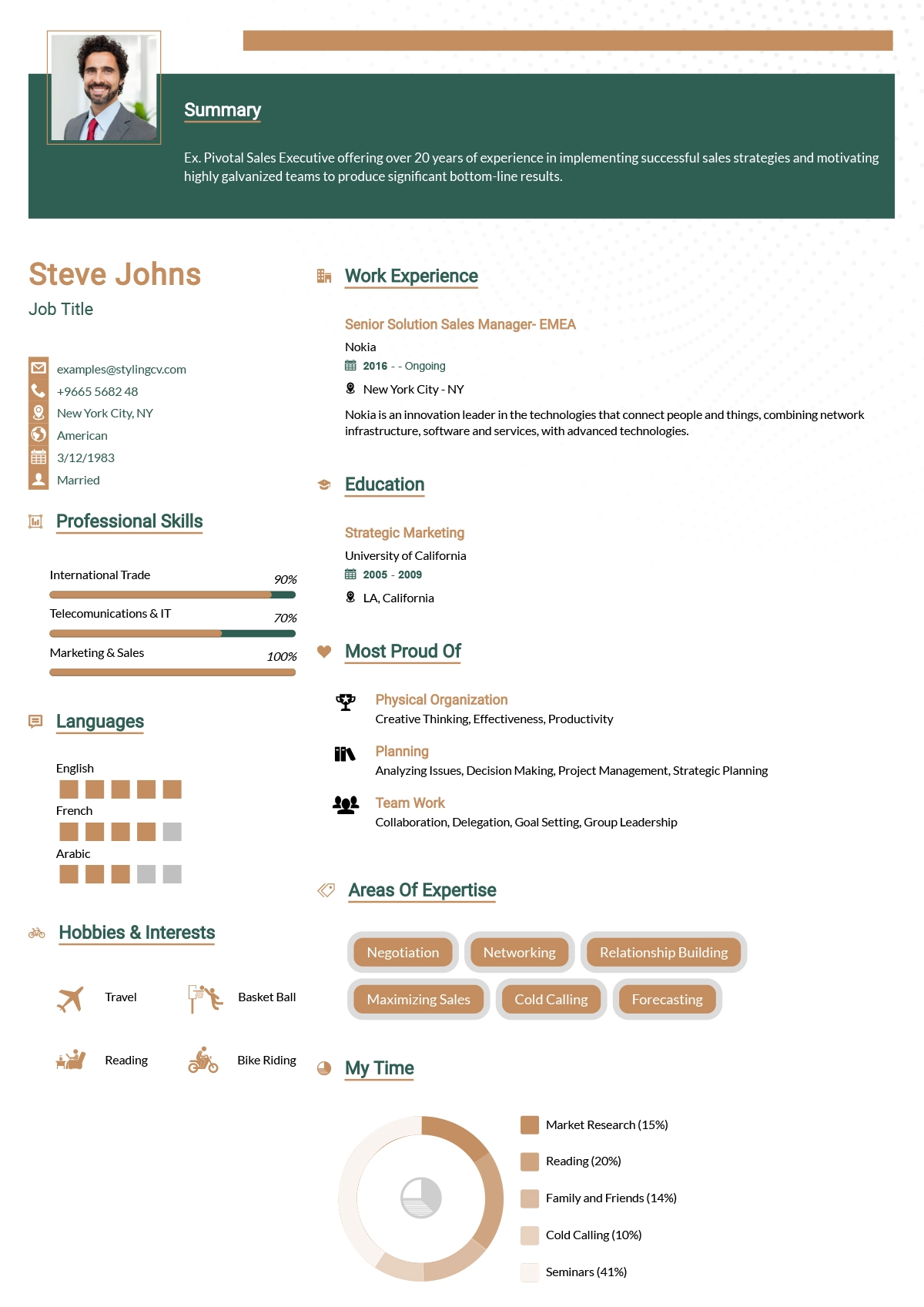
Minimalist
Ultra-clean minimalist resume template optimized for ATS parsing. A simple, no-distraction CV format that lets your professional experience speak for itself.
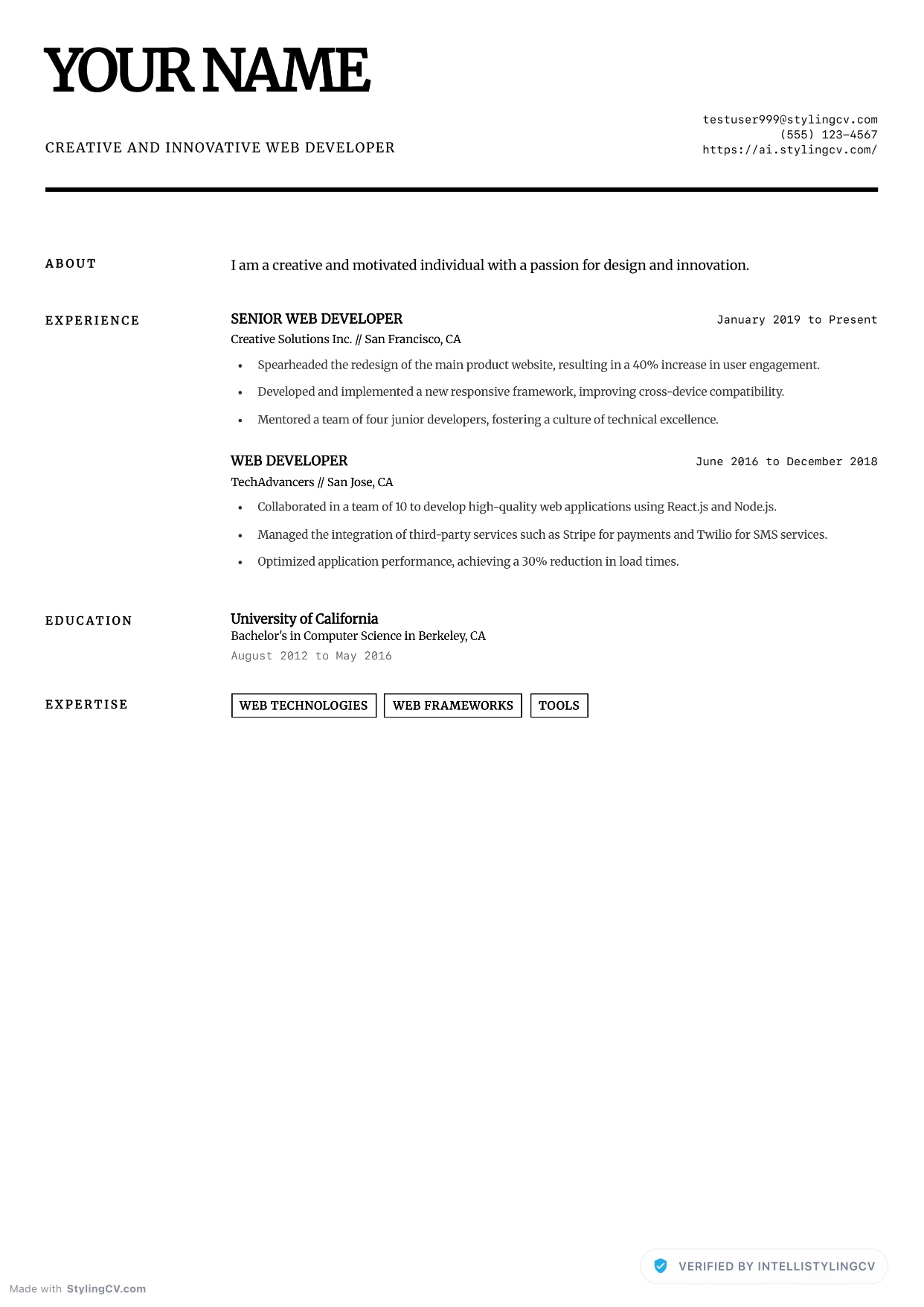
Minimalist Elite
Professional and modern resume template optimized for applicant tracking systems. A clean, ATS-friendly CV layout designed to help you land your next interview.
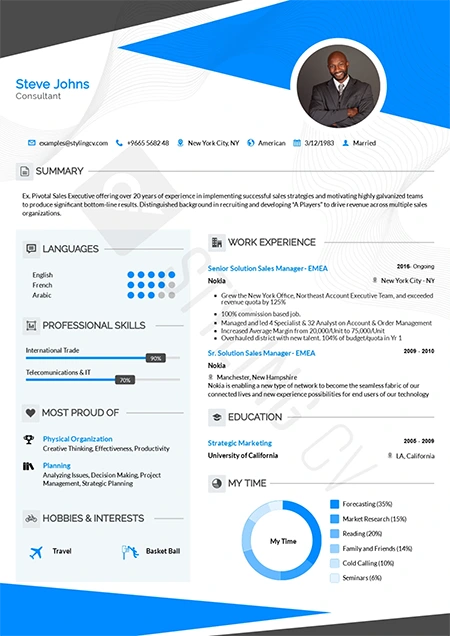
Modern
Contemporary professional resume template for the modern job market. A versatile, clean CV design that works perfectly across all corporate industries.
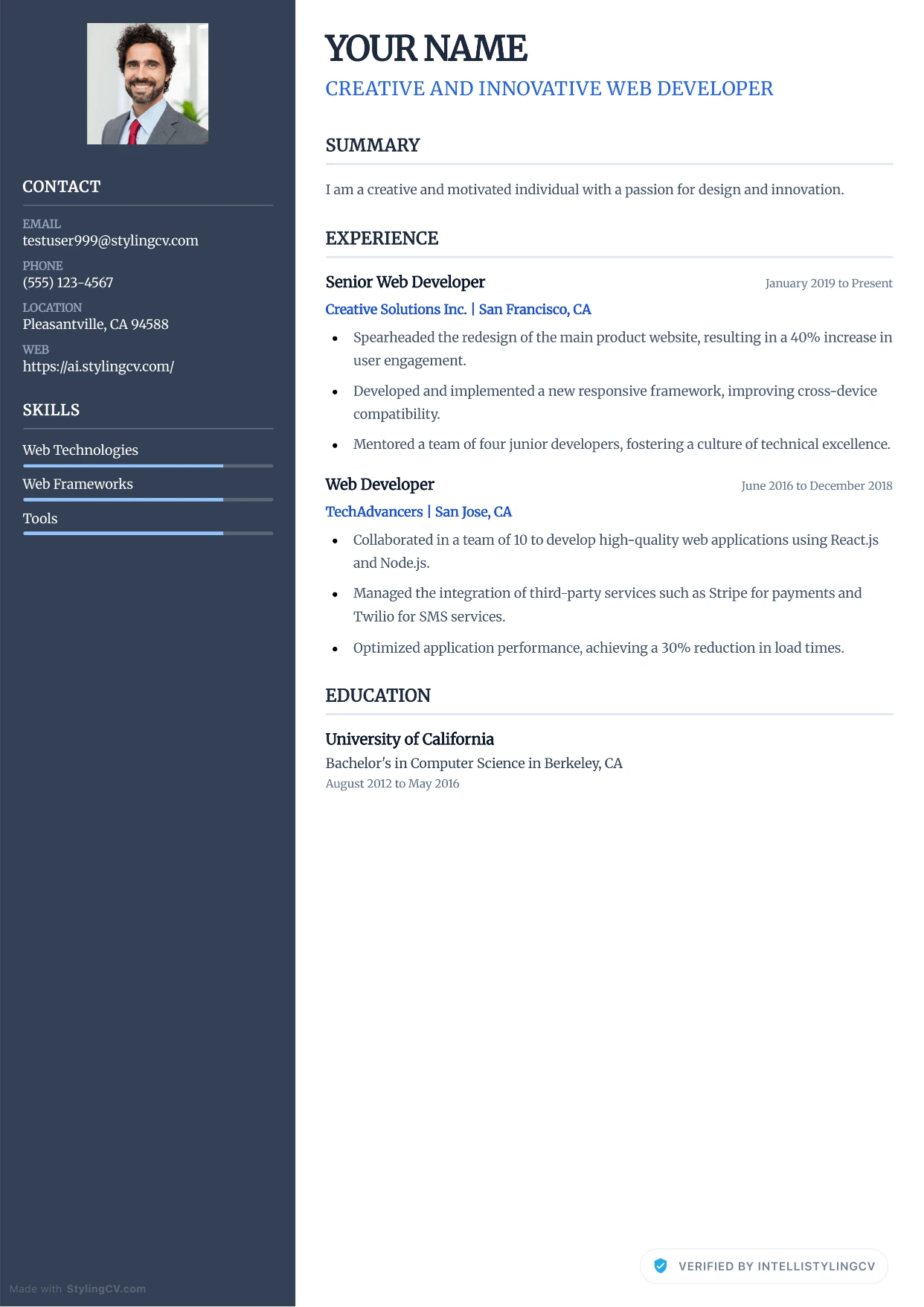
Modern Corporate
Professional and modern resume template optimized for applicant tracking systems. A clean, ATS-friendly CV layout designed to help you land your next interview.
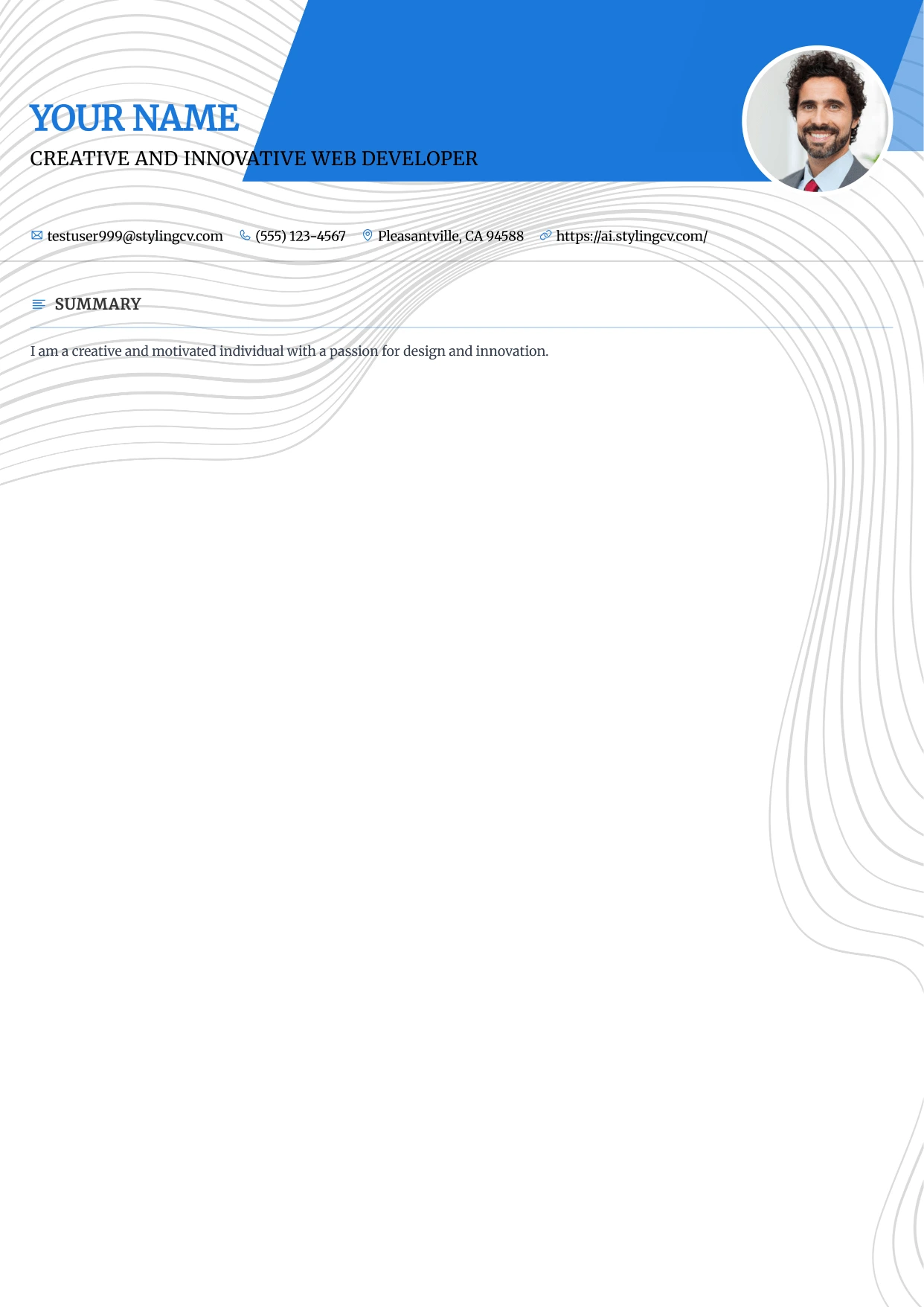
Modern Refined
Professional and modern resume template optimized for applicant tracking systems. A clean, ATS-friendly CV layout designed to help you land your next interview.
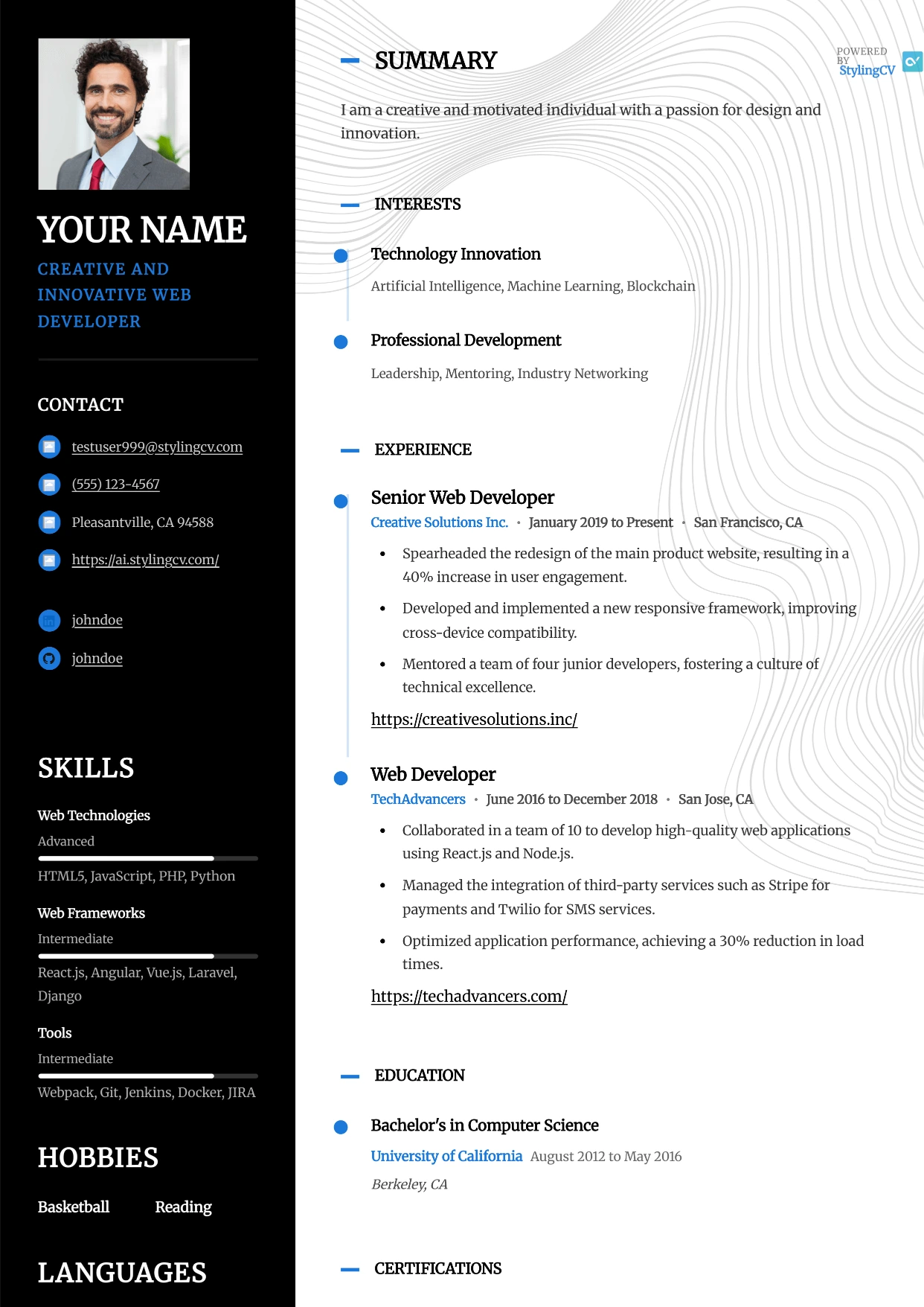
Modernist
Professional and modern resume template optimized for applicant tracking systems. A clean, ATS-friendly CV layout designed to help you land your next interview.
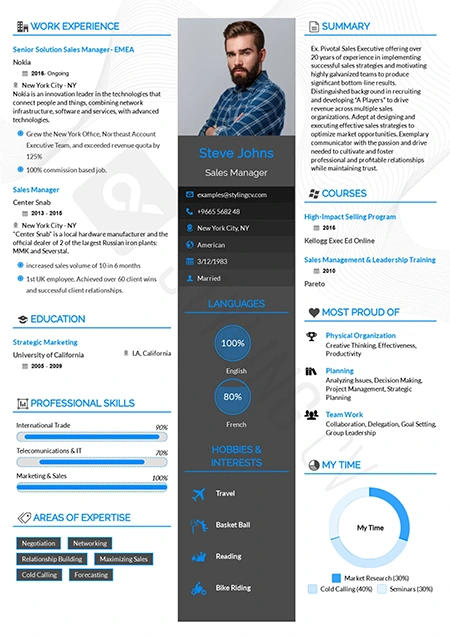
Newcast
Fresh and modern resume format for broadcasting, media, and tech. A highly readable CV template designed to effectively showcase diverse skill sets.
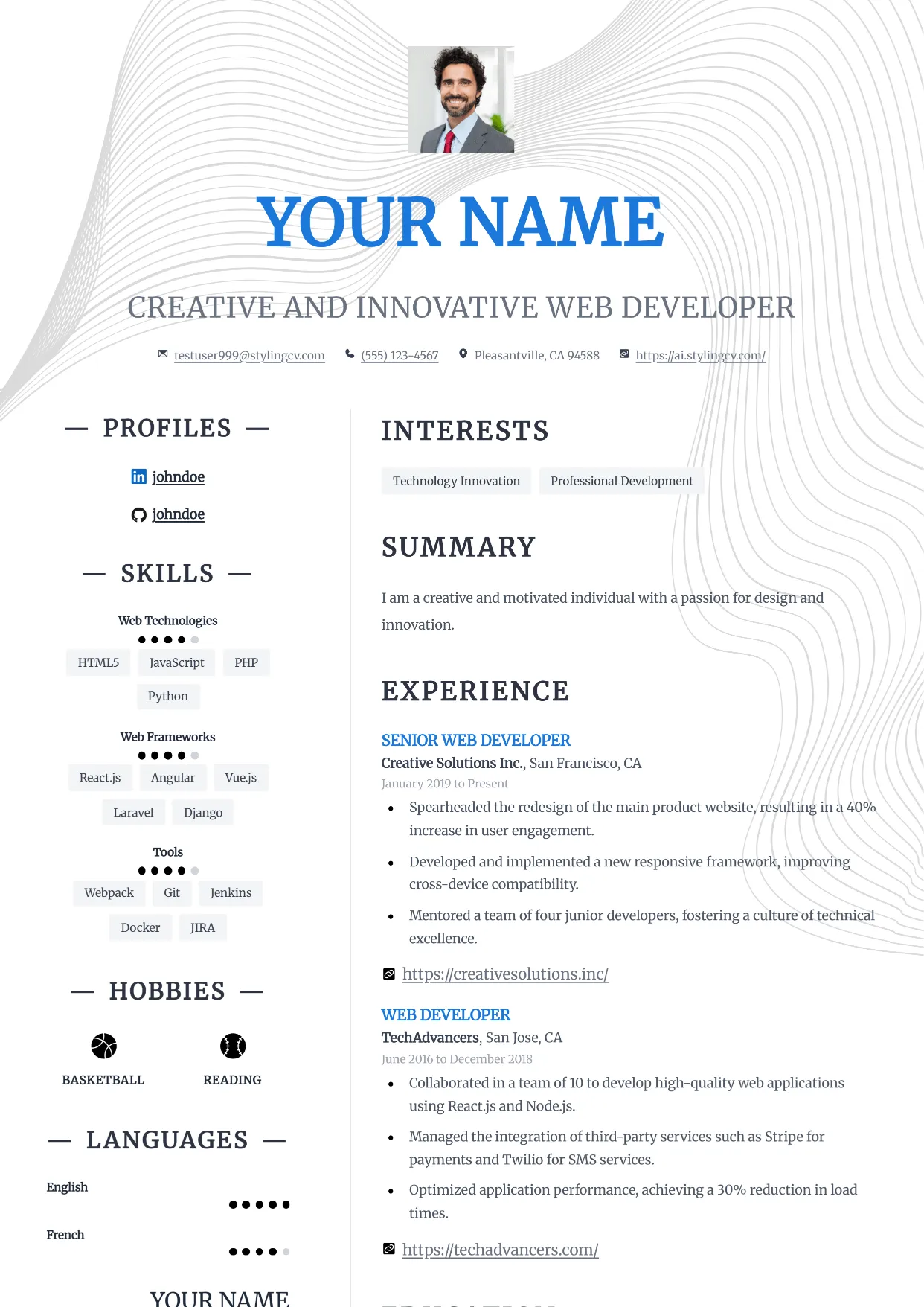
Nexus
Professional and modern resume template optimized for applicant tracking systems. A clean, ATS-friendly CV layout designed to help you land your next interview.
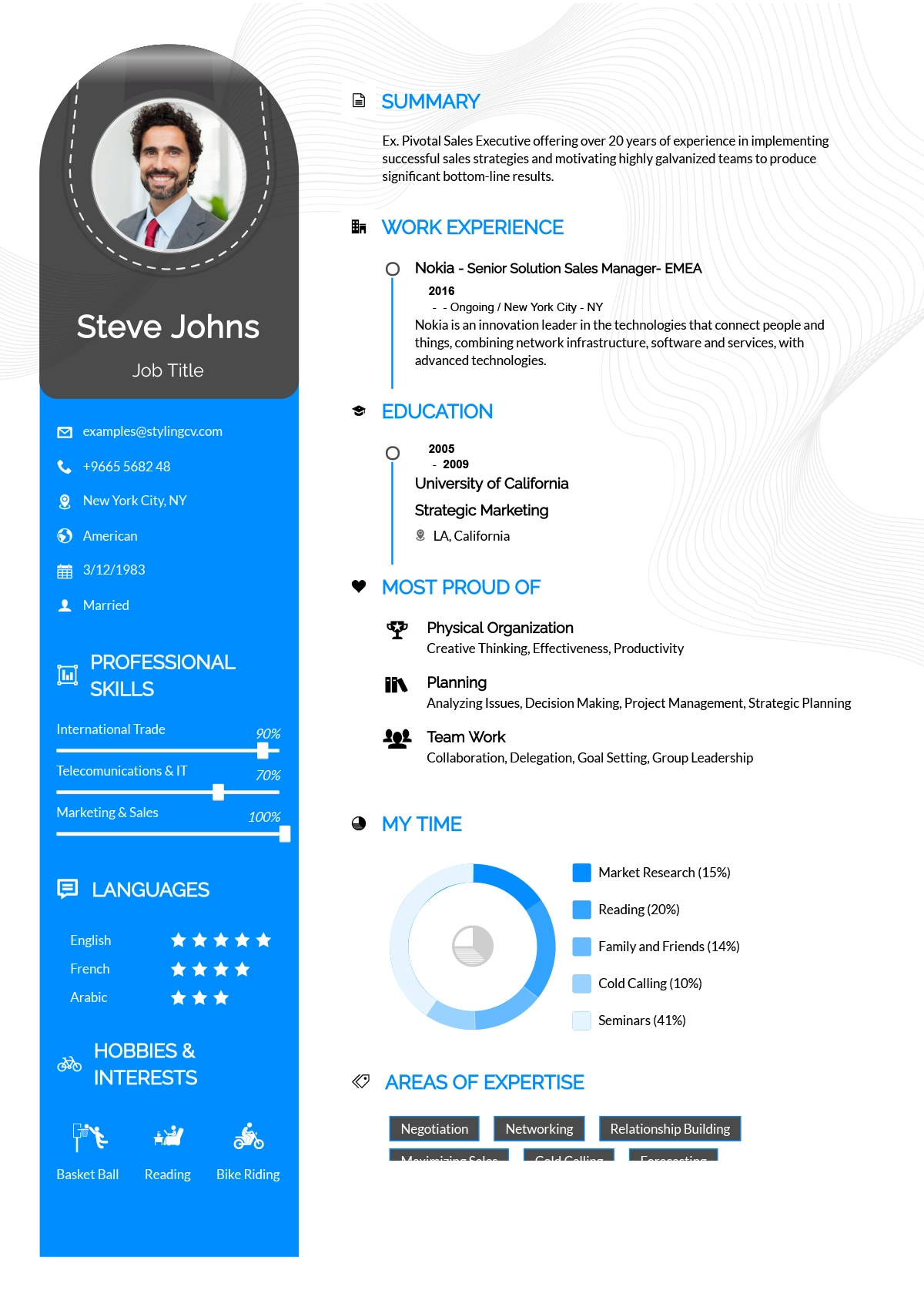
Noon
Bright and optimistic creative resume template. A modern, engaging CV layout designed to help entry-level and customer-service professionals stand out.
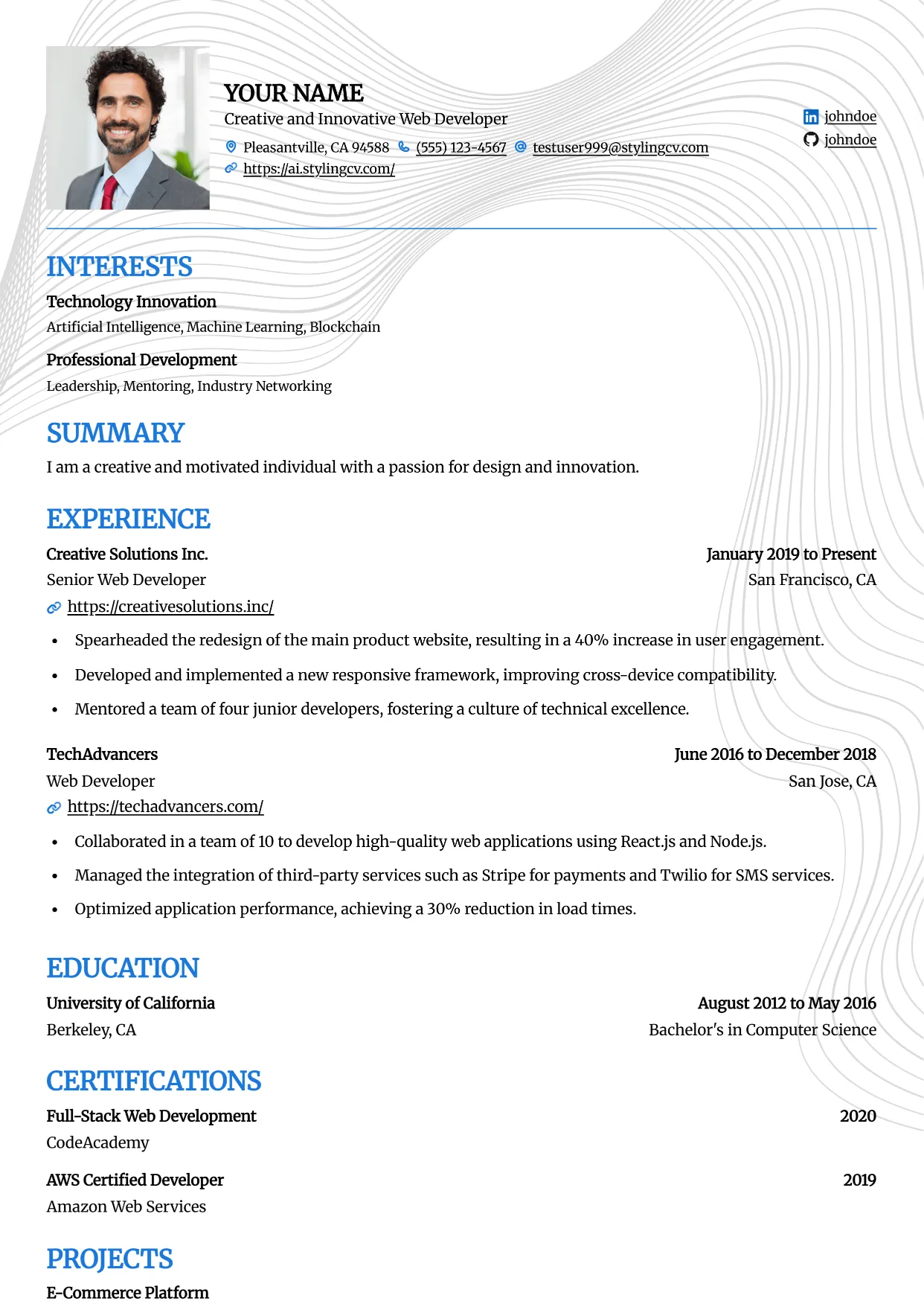
Onyx
Professional and modern resume template optimized for applicant tracking systems. A clean, ATS-friendly CV layout designed to help you land your next interview.
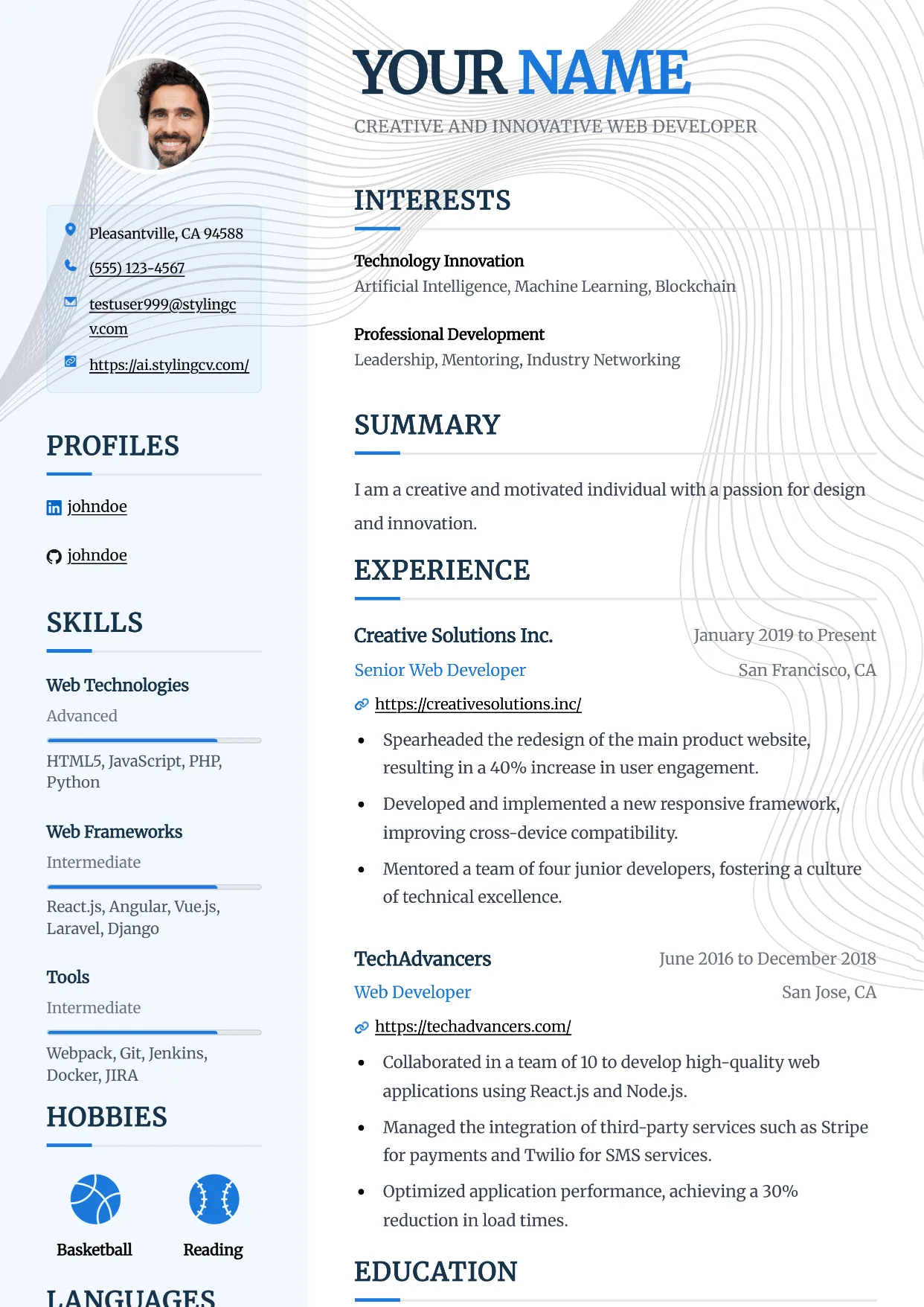
Pinnacle
Professional and modern resume template optimized for applicant tracking systems. A clean, ATS-friendly CV layout designed to help you land your next interview.
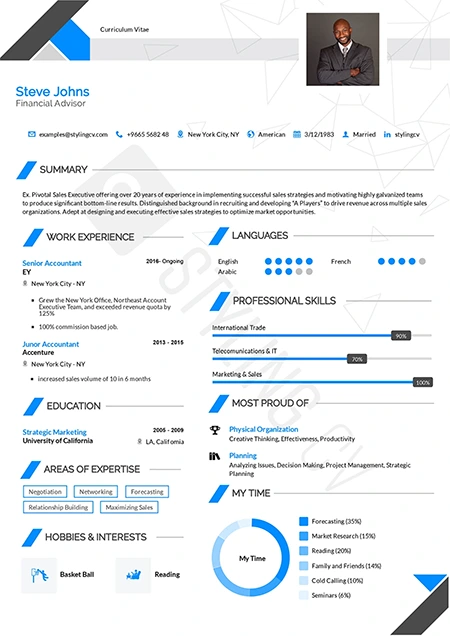
Polygon
Structured geometric resume template tailored for STEM professionals. An excellent modern CV layout for engineers, architects, and technical specialists.
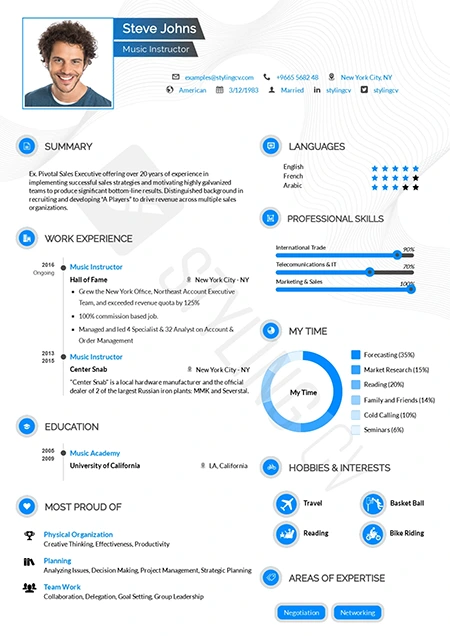
Pre Classic
Traditional resume format with subtle modern design touches. A highly effective, conservative CV template perfect for finance and government applications.

Prism
Professional and modern resume template optimized for applicant tracking systems. A clean, ATS-friendly CV layout designed to help you land your next interview.
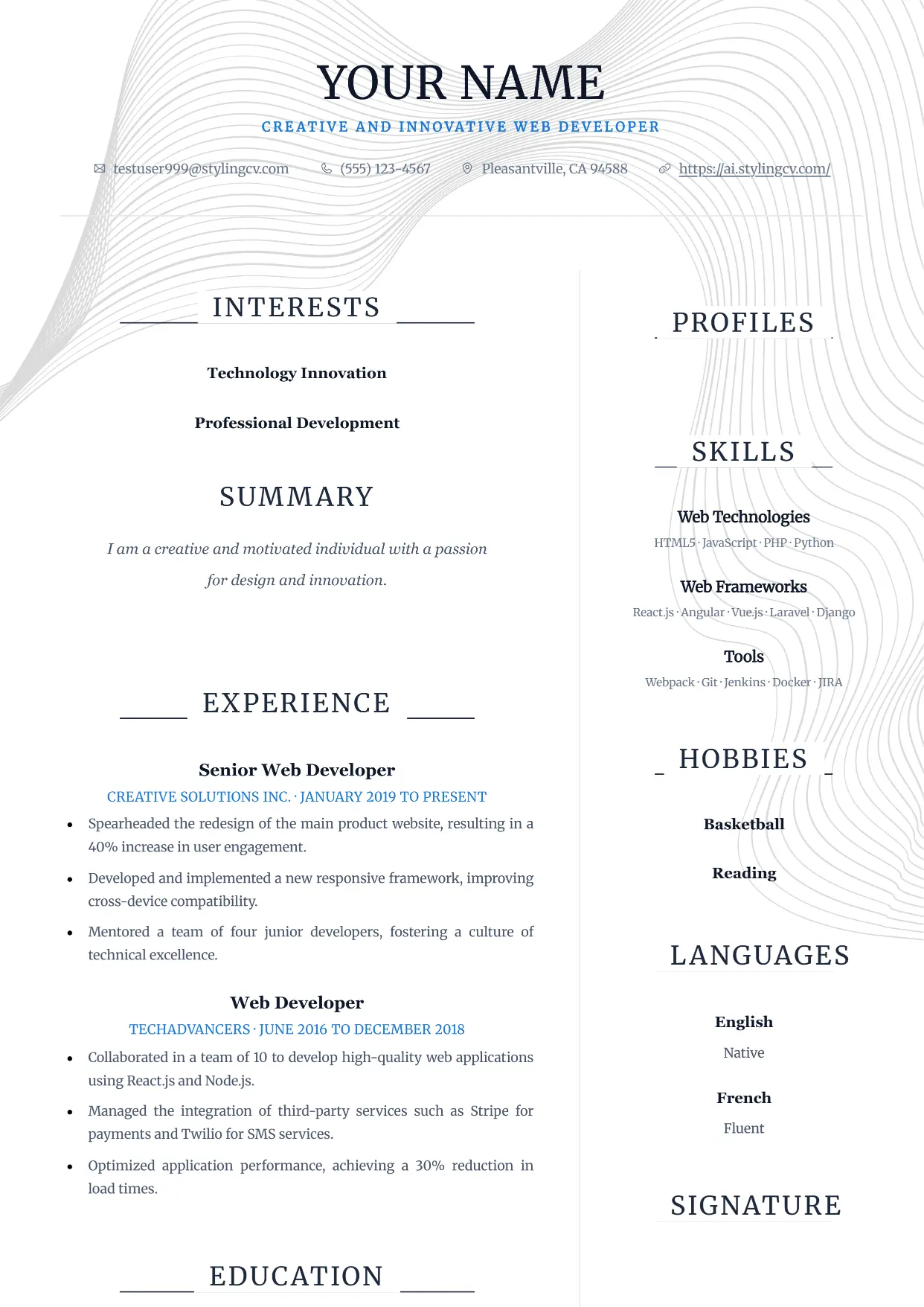
Pure
Professional and modern resume template optimized for applicant tracking systems. A clean, ATS-friendly CV layout designed to help you land your next interview.
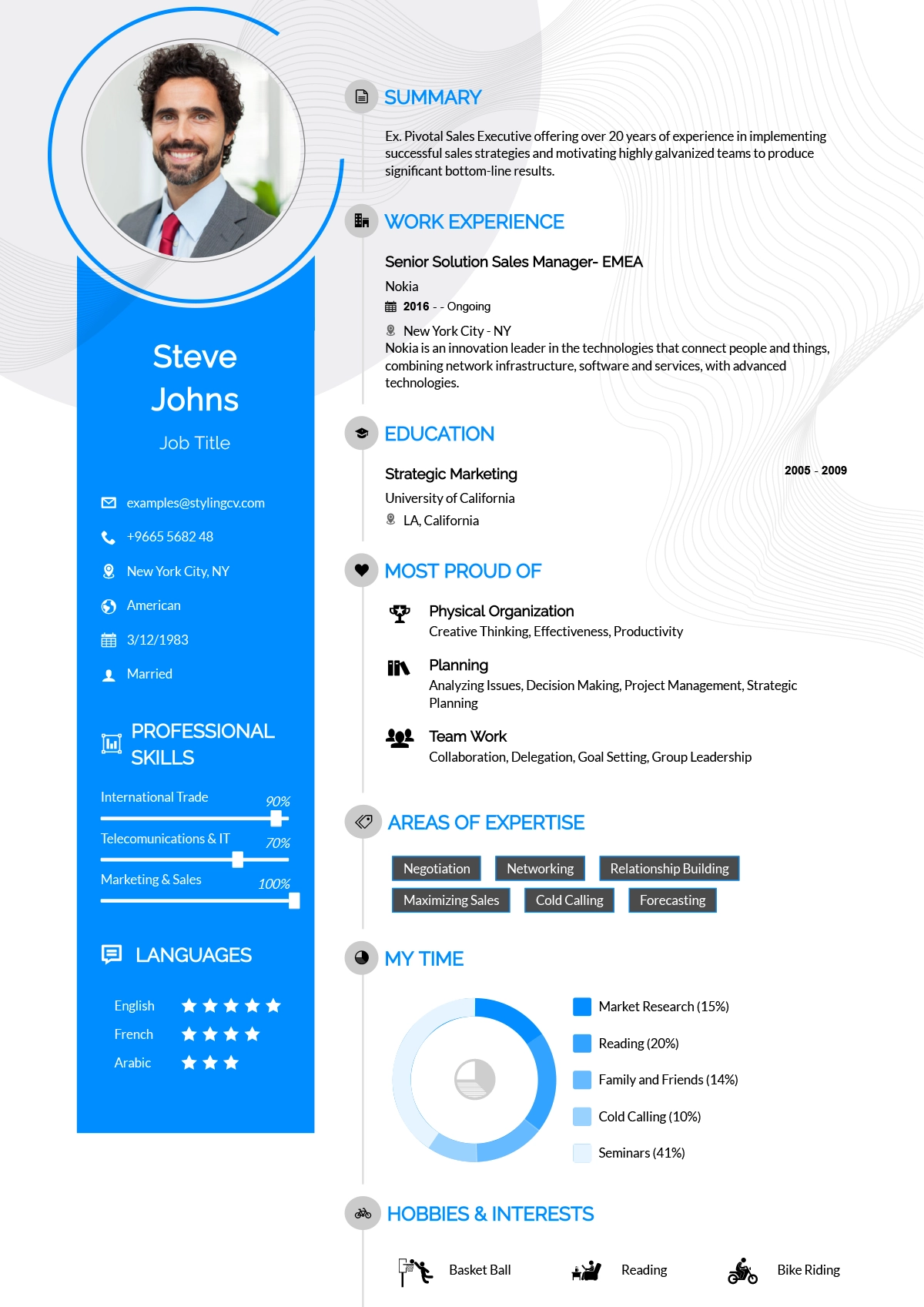
Rayhan
Comprehensive professional resume template for senior-level candidates. A detailed CV layout designed to handle extensive work history and academic backgrounds.
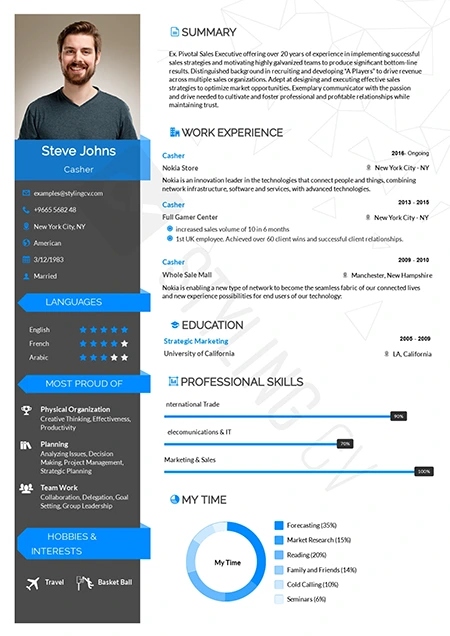
Rebbo
Playful yet professional modern resume template. An engaging CV layout perfectly suited for startup environments, tech companies, and creative agencies.
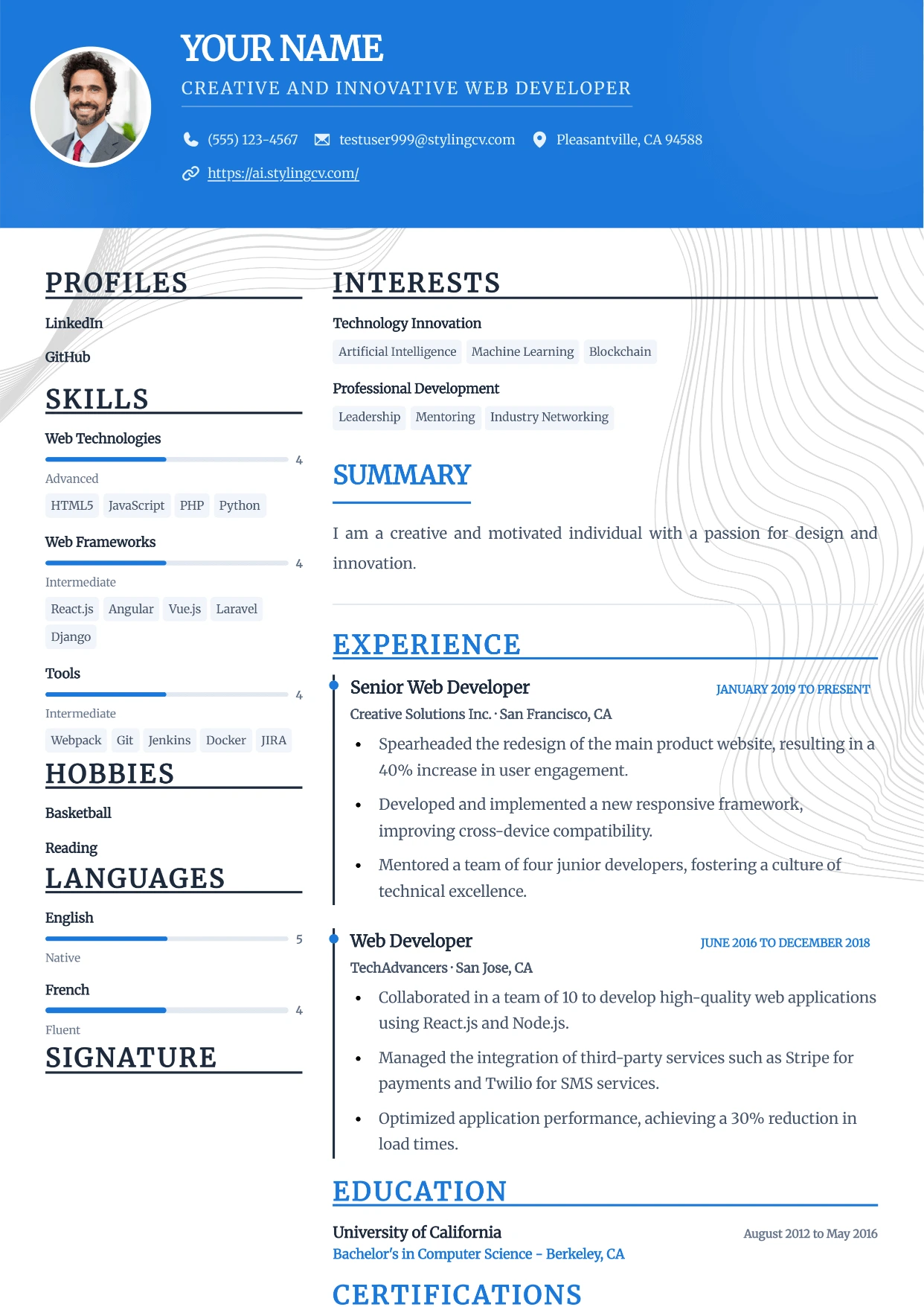
Sidebar
Professional and modern resume template optimized for applicant tracking systems. A clean, ATS-friendly CV layout designed to help you land your next interview.
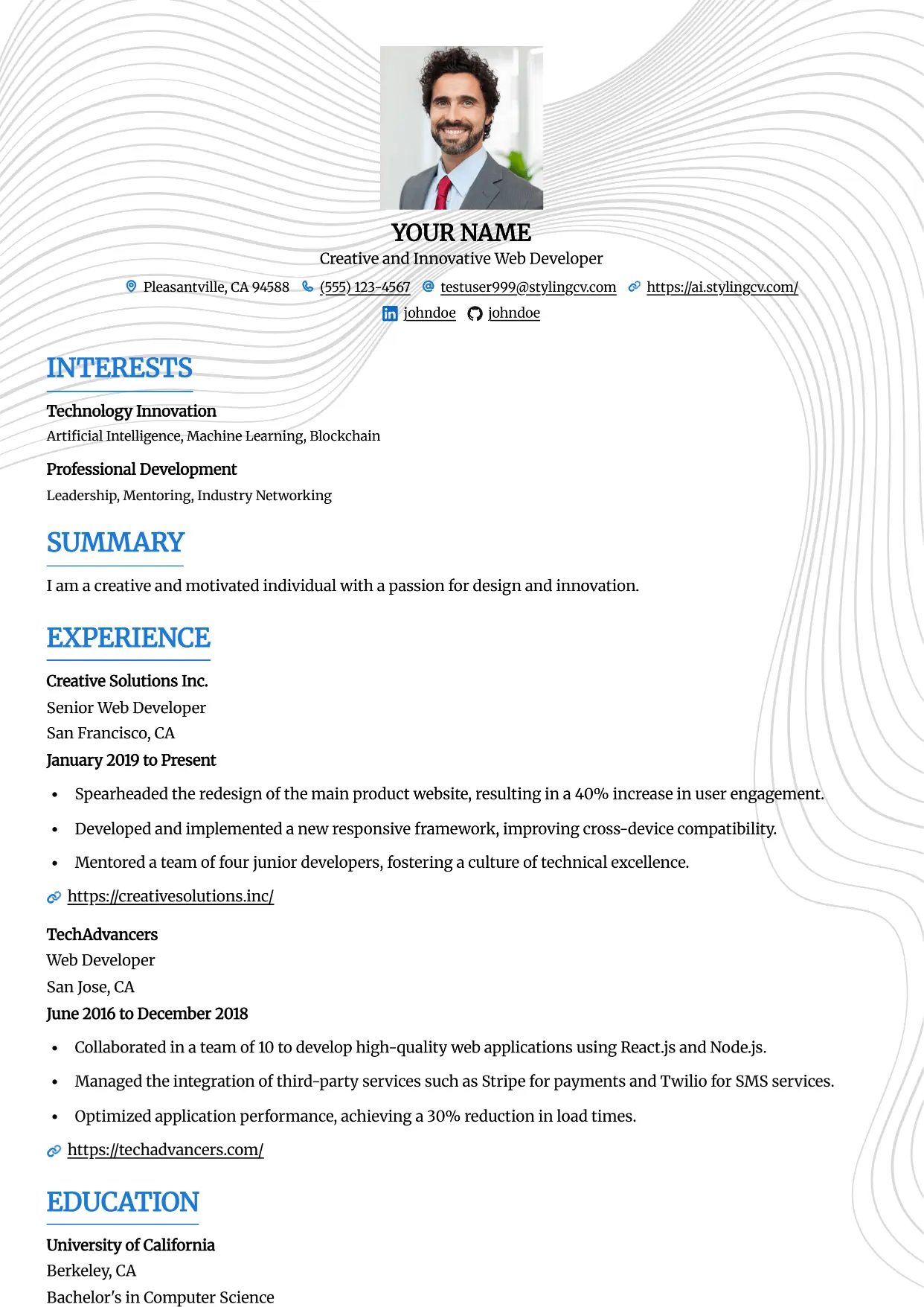
Simple
Professional and modern resume template optimized for applicant tracking systems. A clean, ATS-friendly CV layout designed to help you land your next interview.
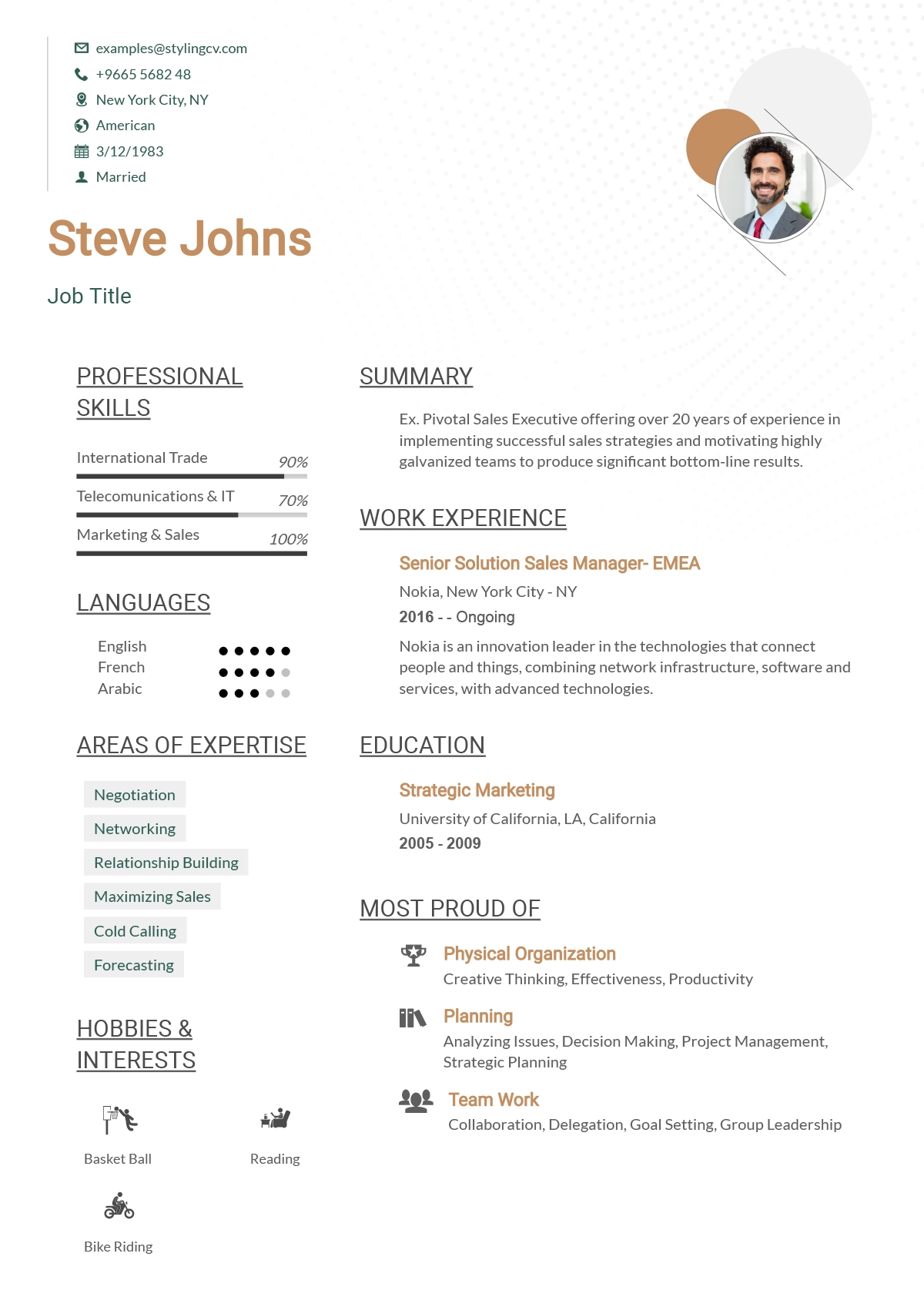
Simplified
Streamlined, straightforward ATS resume template. A highly effective, minimalist CV format designed to beat digital screeners and applicant tracking systems.
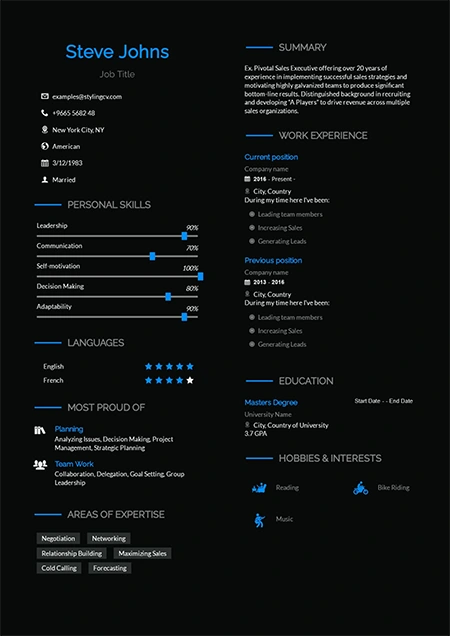
Sireva
Flowing and elegant creative resume template. A beautifully designed CV layout perfect for creative directors, brand managers, and design leads.
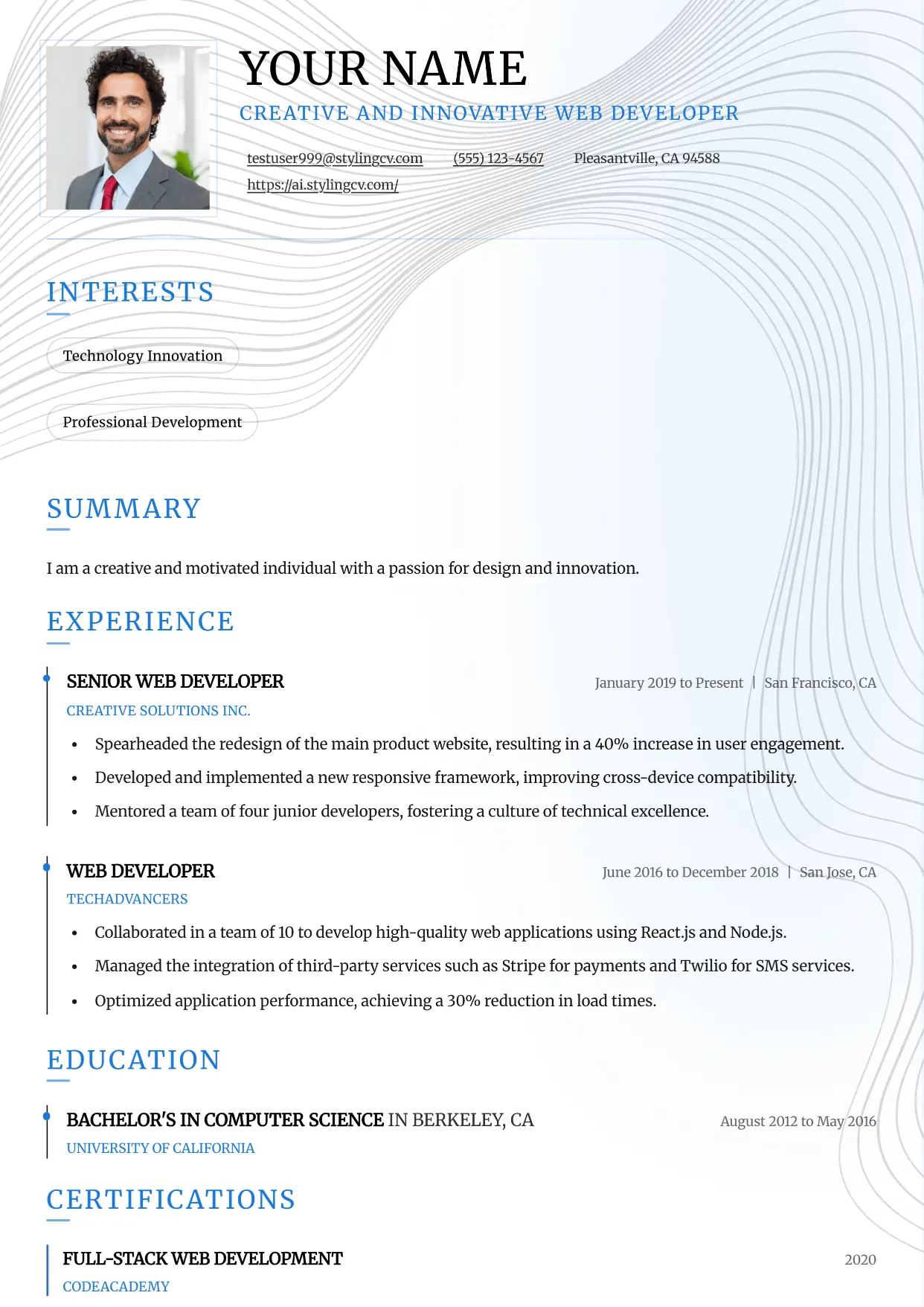
Slate
Professional and modern resume template optimized for applicant tracking systems. A clean, ATS-friendly CV layout designed to help you land your next interview.
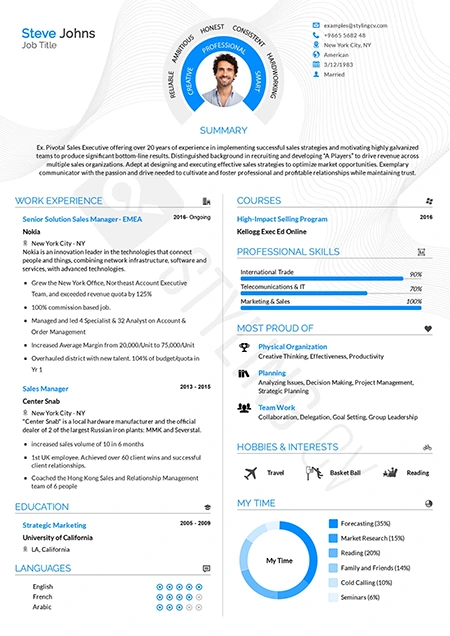
Smart
Intelligent, highly organized resume template for academic and research roles. A professional CV layout designed to emphasize education and publications.
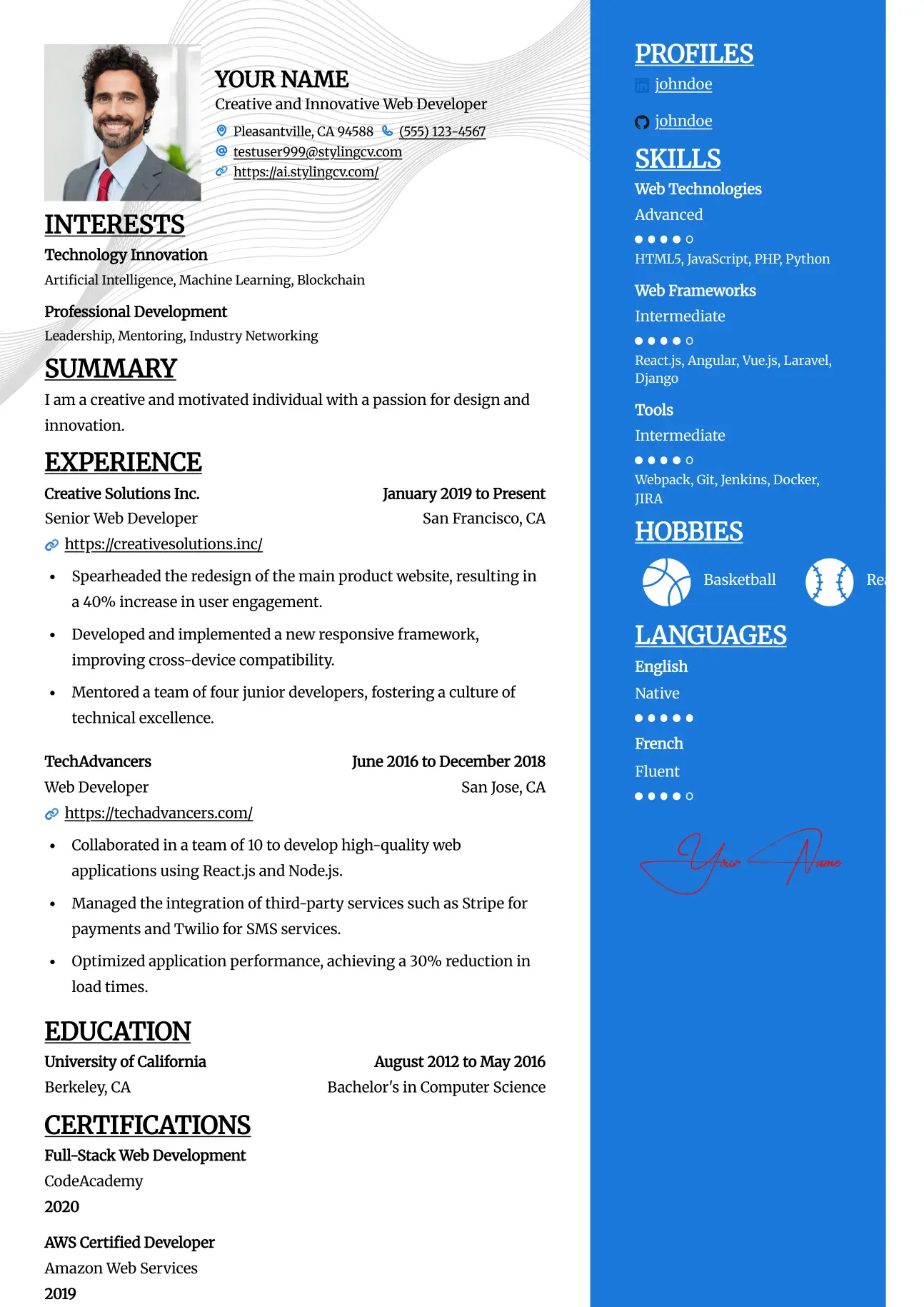
Split
Professional and modern resume template optimized for applicant tracking systems. A clean, ATS-friendly CV layout designed to help you land your next interview.
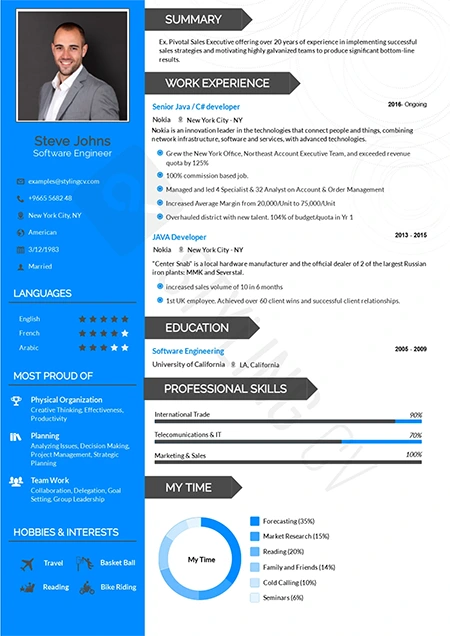
Standard
The gold standard ATS-friendly resume template. A universally accepted, traditional CV format guaranteed to parse flawlessly in all HR software systems.
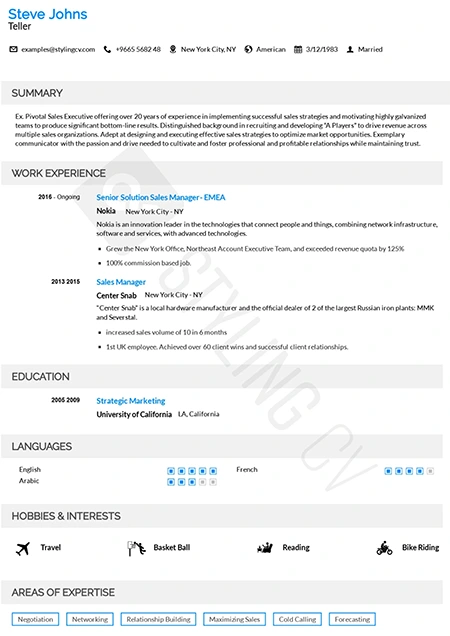
Static
High-readability professional resume template preferred by corporate recruiters. A clean, structured CV layout optimized for quick scanning and comprehension.
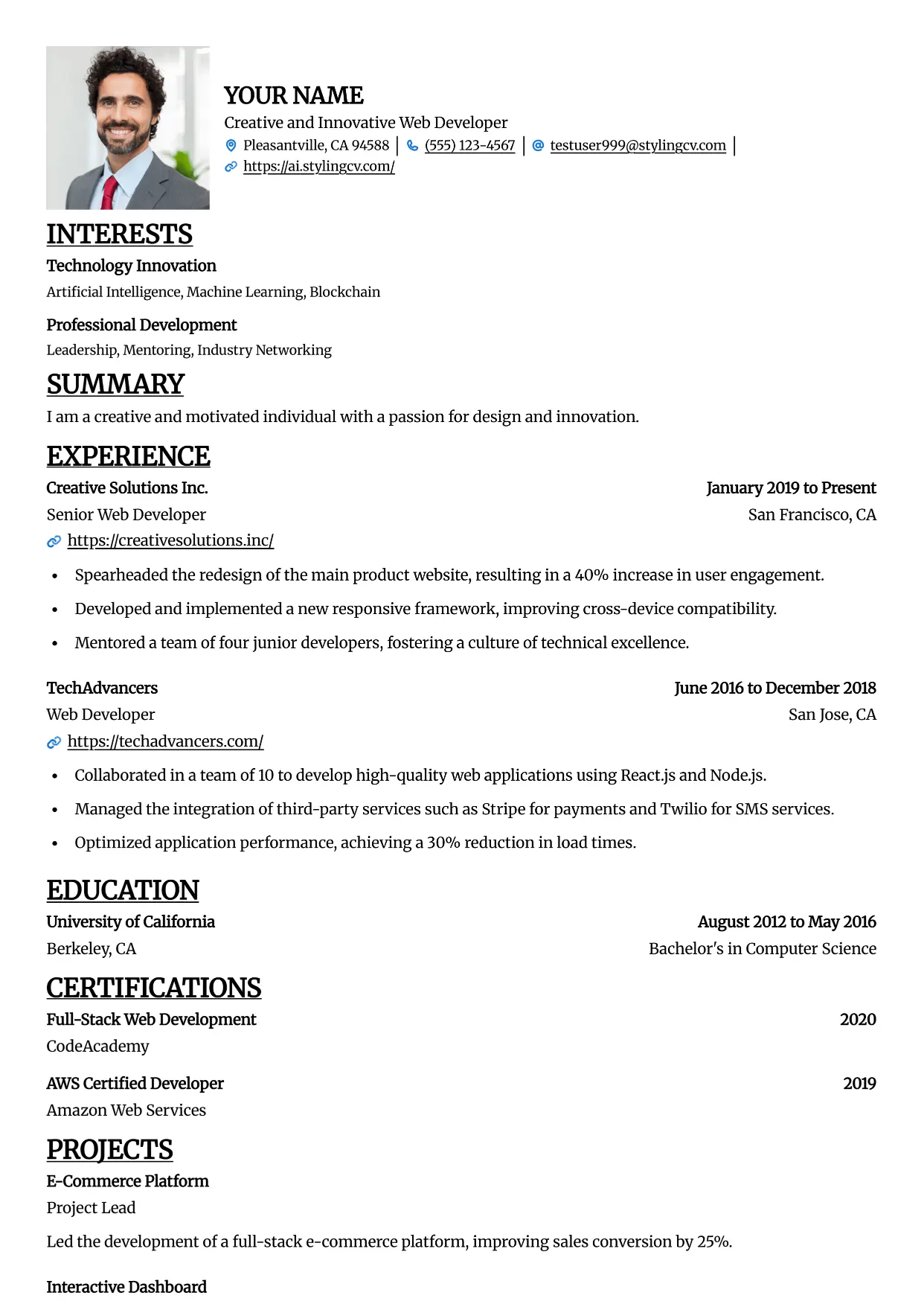
Straight
Professional and modern resume template optimized for applicant tracking systems. A clean, ATS-friendly CV layout designed to help you land your next interview.
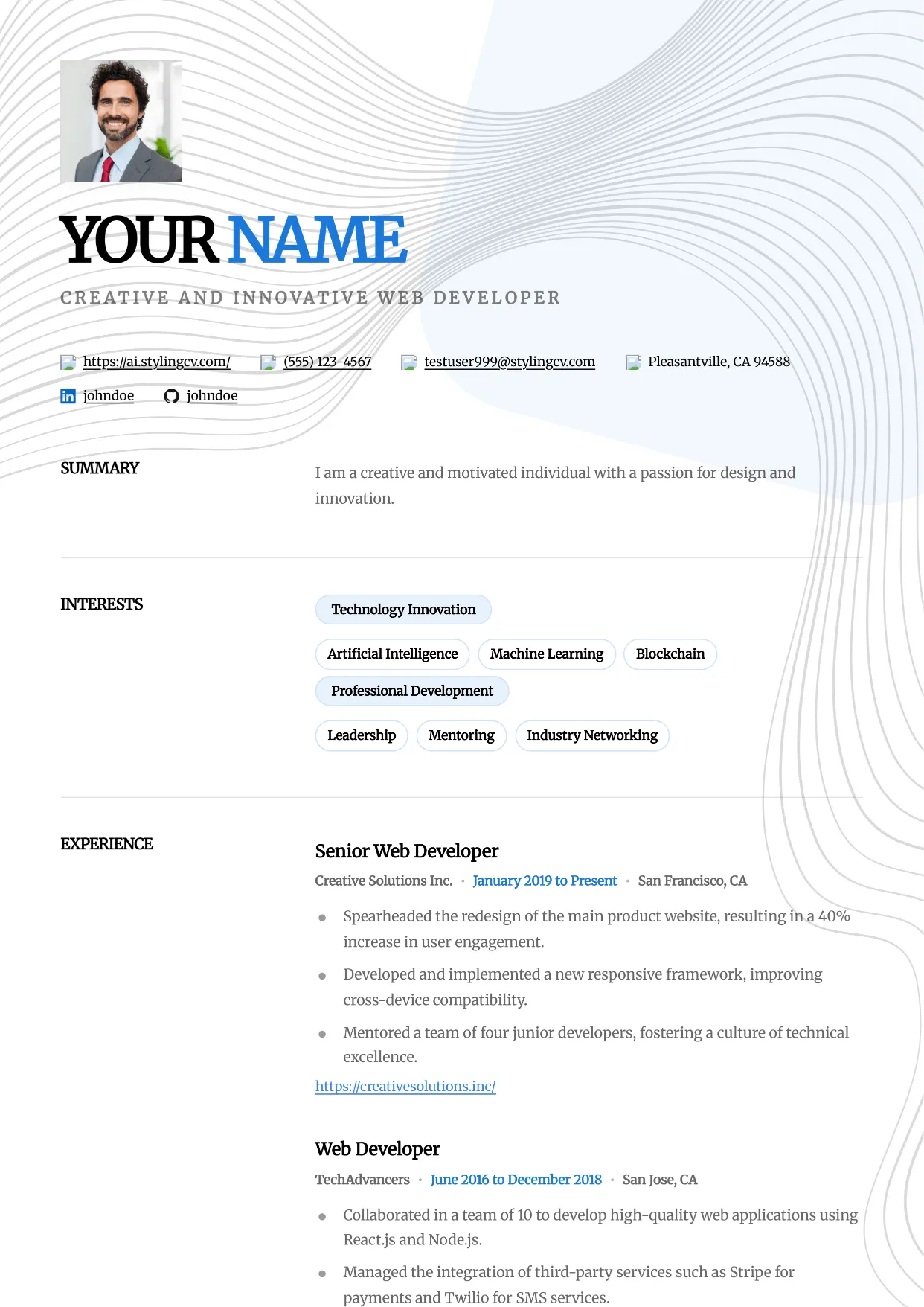
Studio
Professional and modern resume template optimized for applicant tracking systems. A clean, ATS-friendly CV layout designed to help you land your next interview.
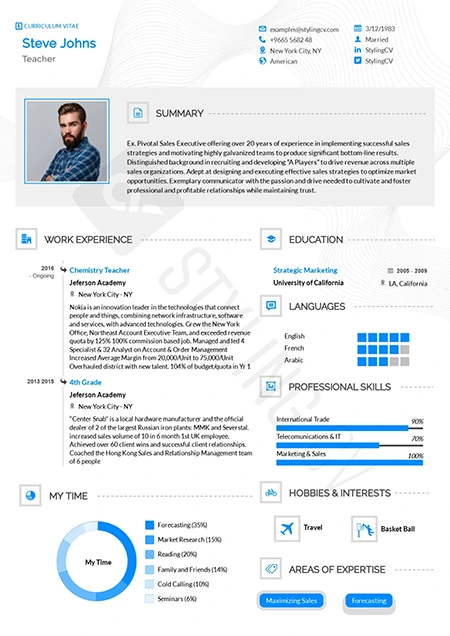
Stylish
Fashion-forward creative resume template. A visually striking, modern CV design crafted specifically for the media, arts, and creative industries.
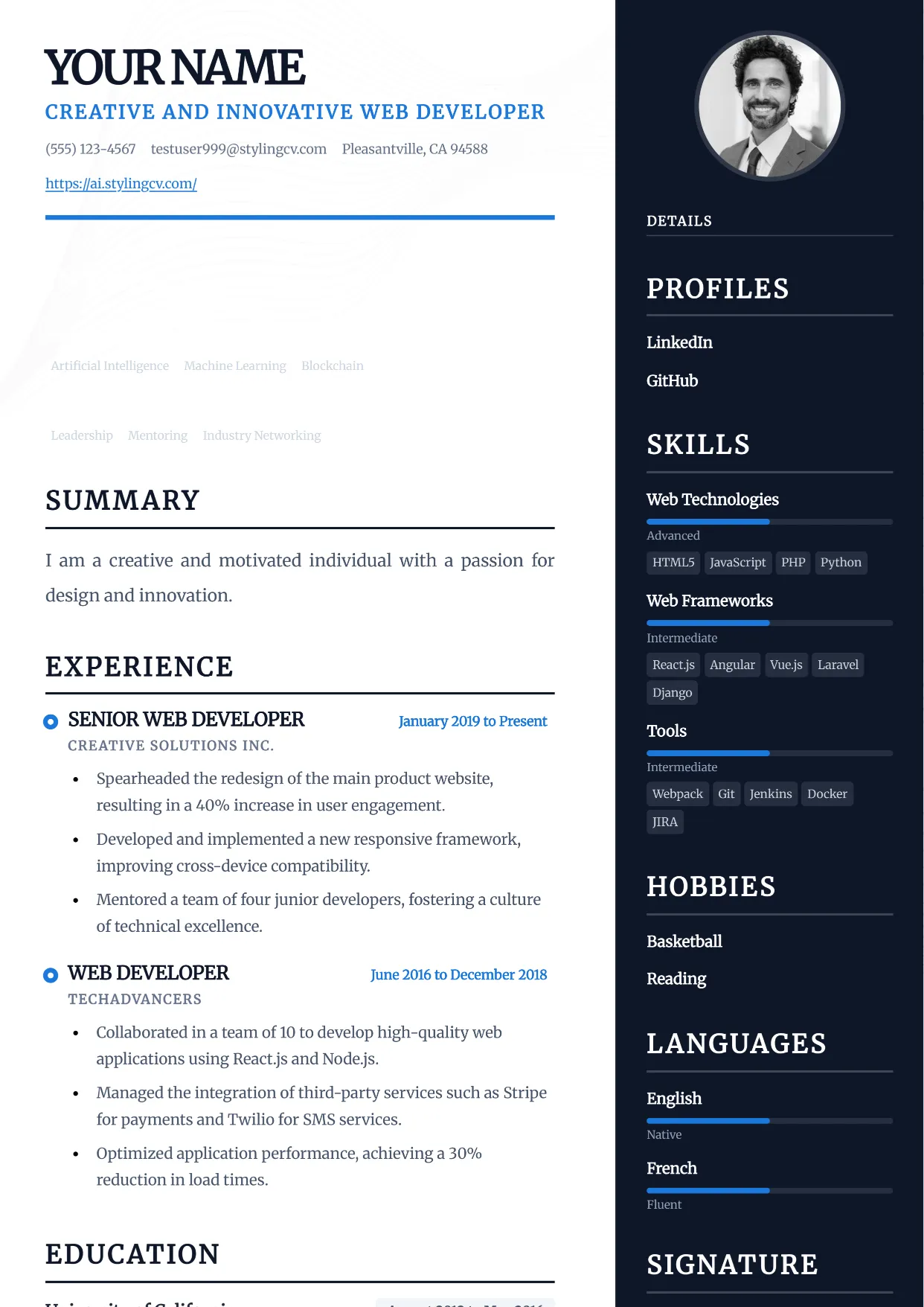
Traditional
Professional and modern resume template optimized for applicant tracking systems. A clean, ATS-friendly CV layout designed to help you land your next interview.
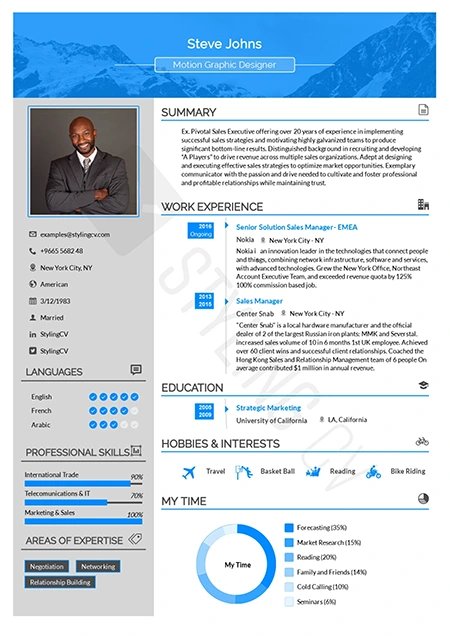
Ultimate
The complete, all-in-one professional resume template. A versatile, ATS-optimized CV layout that presents comprehensive career data perfectly.
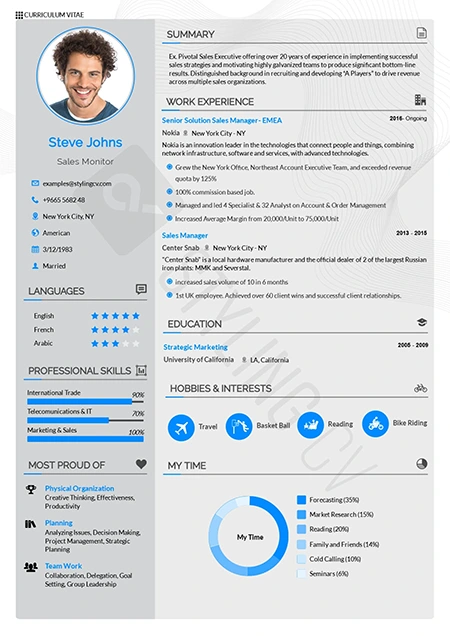
Vegan
Clean, eco-conscious aesthetic resume template. A modern, fresh CV design highly suited for sustainability, wellness, and environmental sector roles.
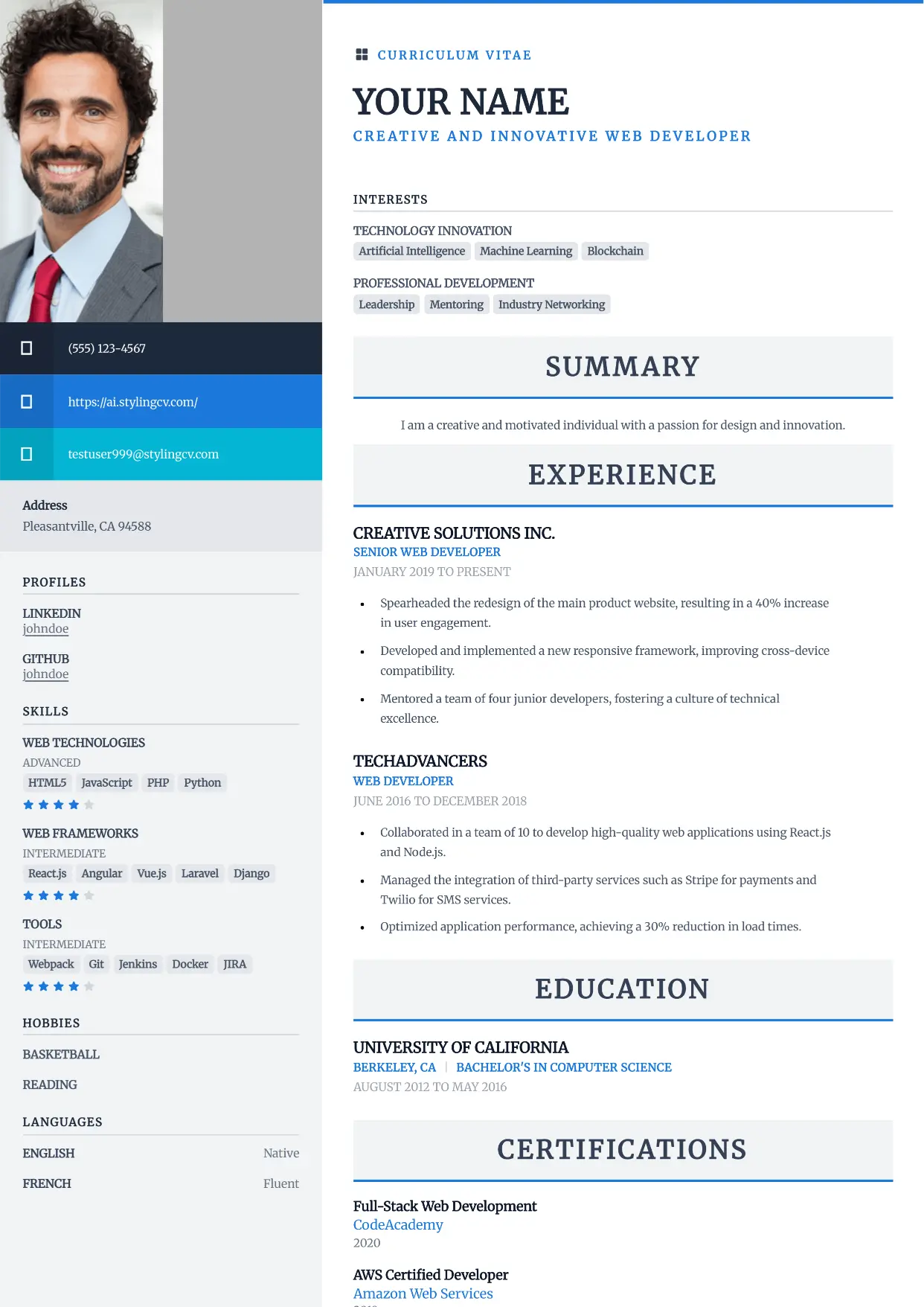
Vibrant
Professional and modern resume template optimized for applicant tracking systems. A clean, ATS-friendly CV layout designed to help you land your next interview.
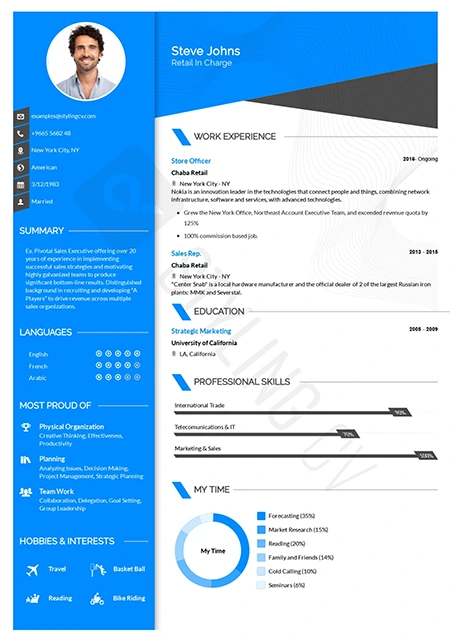
Visibility
High-contrast, high-impact modern resume template. A bold professional CV layout specifically engineered to ensure your application gets noticed instantly.
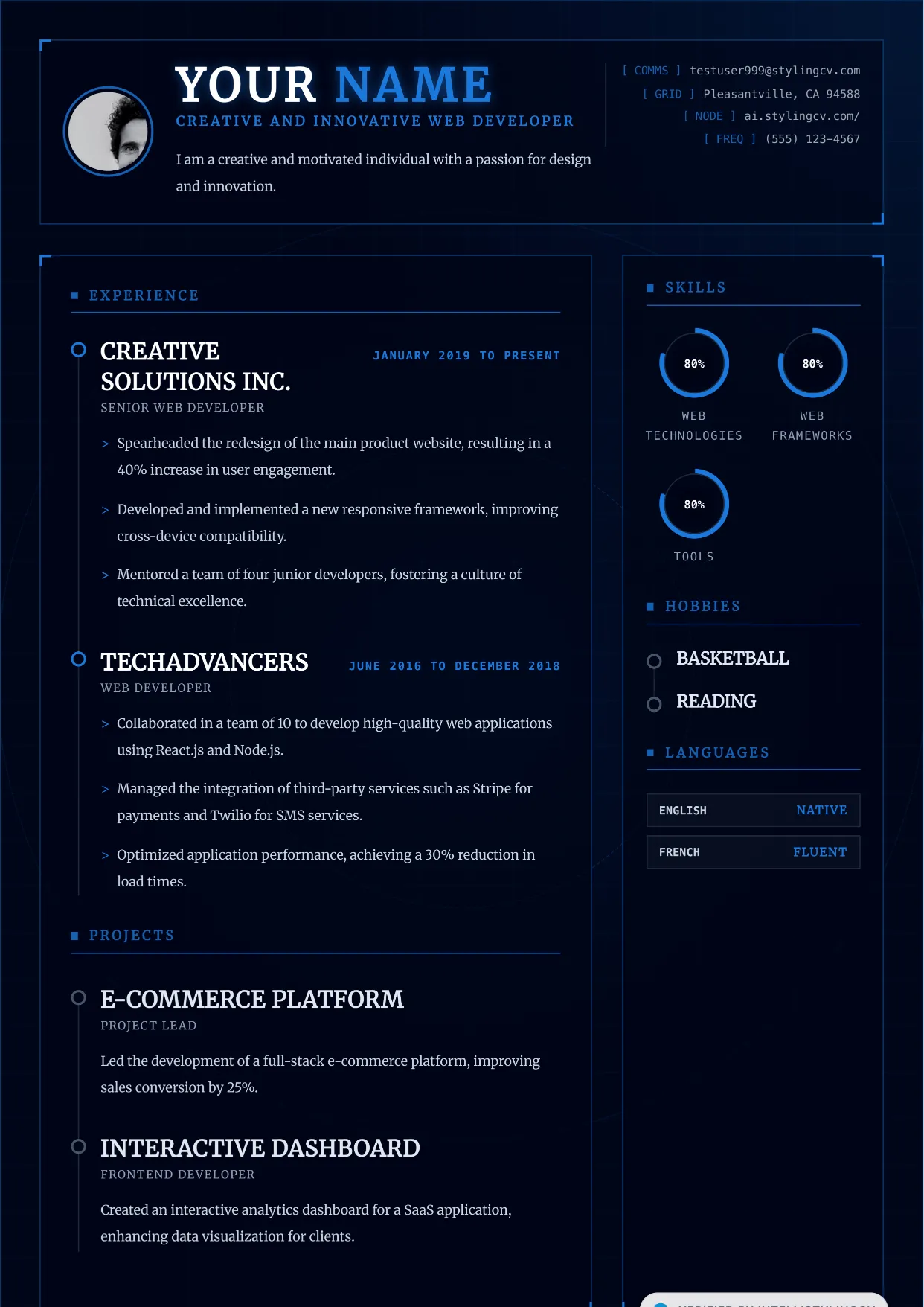
Vortex
Professional and modern resume template optimized for applicant tracking systems. A clean, ATS-friendly CV layout designed to help you land your next interview.
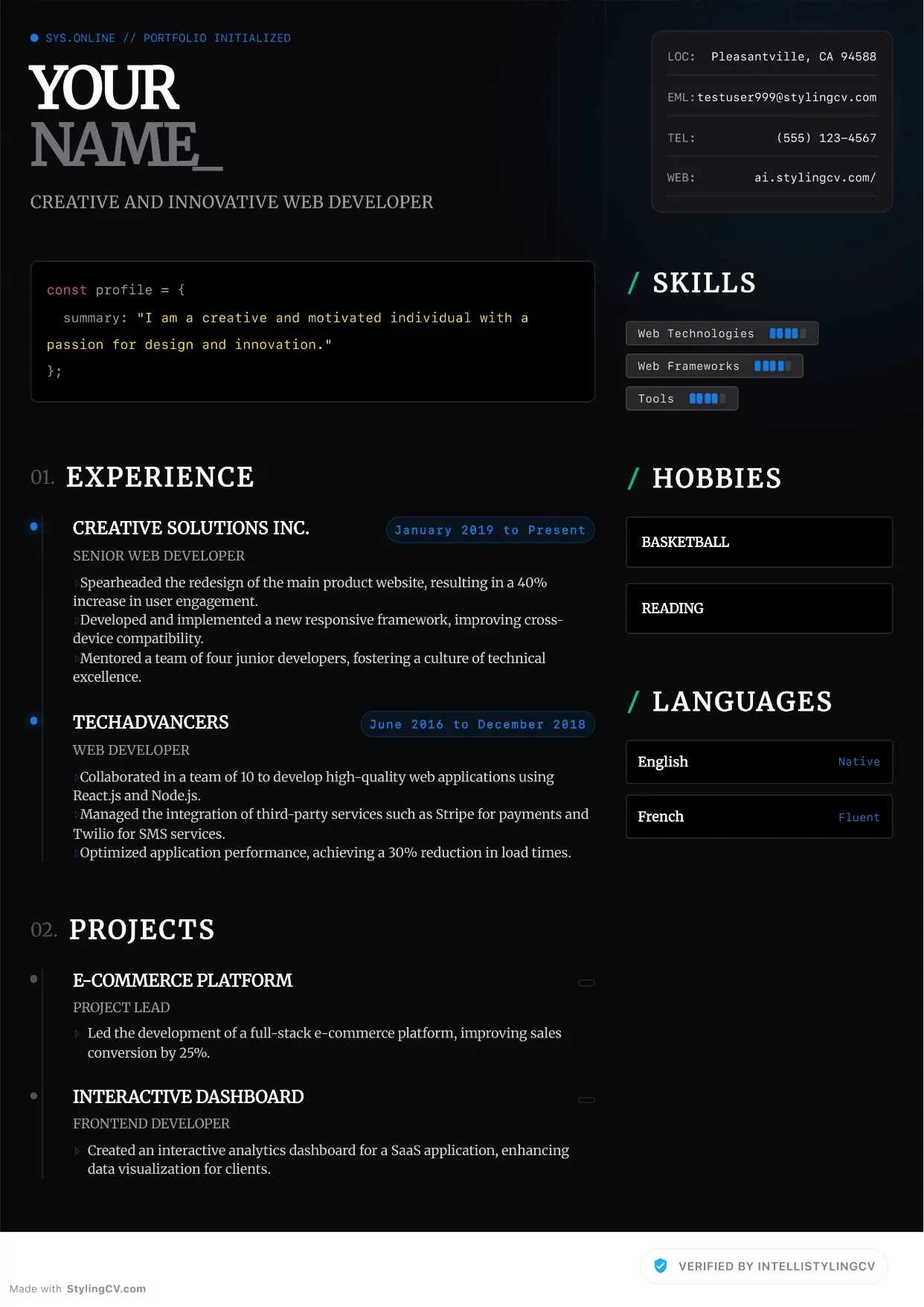
Zenith
Professional and modern resume template optimized for applicant tracking systems. A clean, ATS-friendly CV layout designed to help you land your next interview.