USA Job Market 2026: 8 Brutal Truths About Hiring in America Right Now
USA job market 2026: 8 brutal truths about hiring in America right now. From ghost jobs to AI screening, what you need to know to get hired.

The 2026 US Job Market Is Not What You Expected
You’re sending out application after application. Silence. No callbacks. No interviews. Nothing.
It’s not you. It’s the system.
The US job market in 2026 has changed. Applications go into black holes. Recruiters ask for salary before the first call. And that resume you polished for hours? An AI probably trashed it in under 7 seconds.
We talked to hiring managers, recruiters, and career coaches across America. Here are the 8 brutal truths they shared — and exactly what to do about each one.
1. Your Resume Is Being Read by Software, Not People
75% of large US employers now use Applicant Tracking Systems (ATS) to screen candidates. The average resume gets 6.4 seconds of initial review.
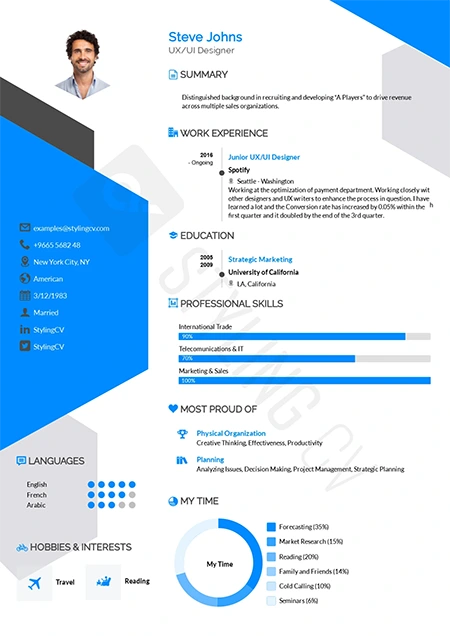
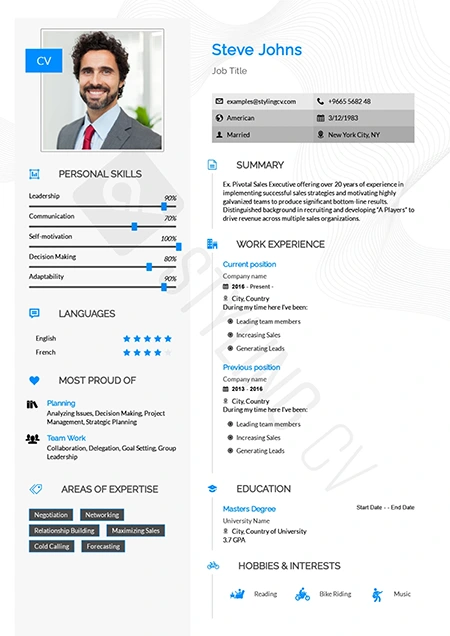
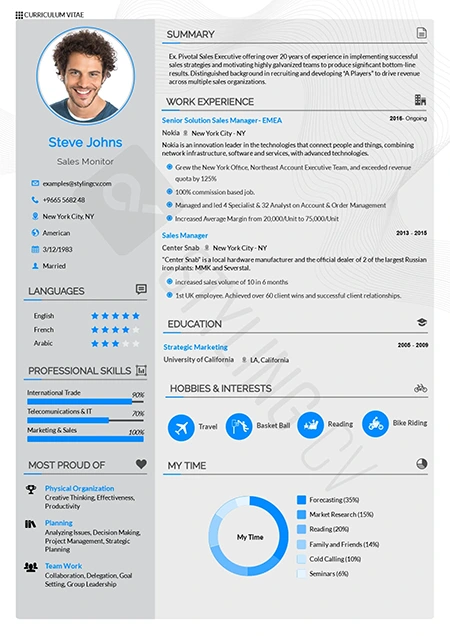
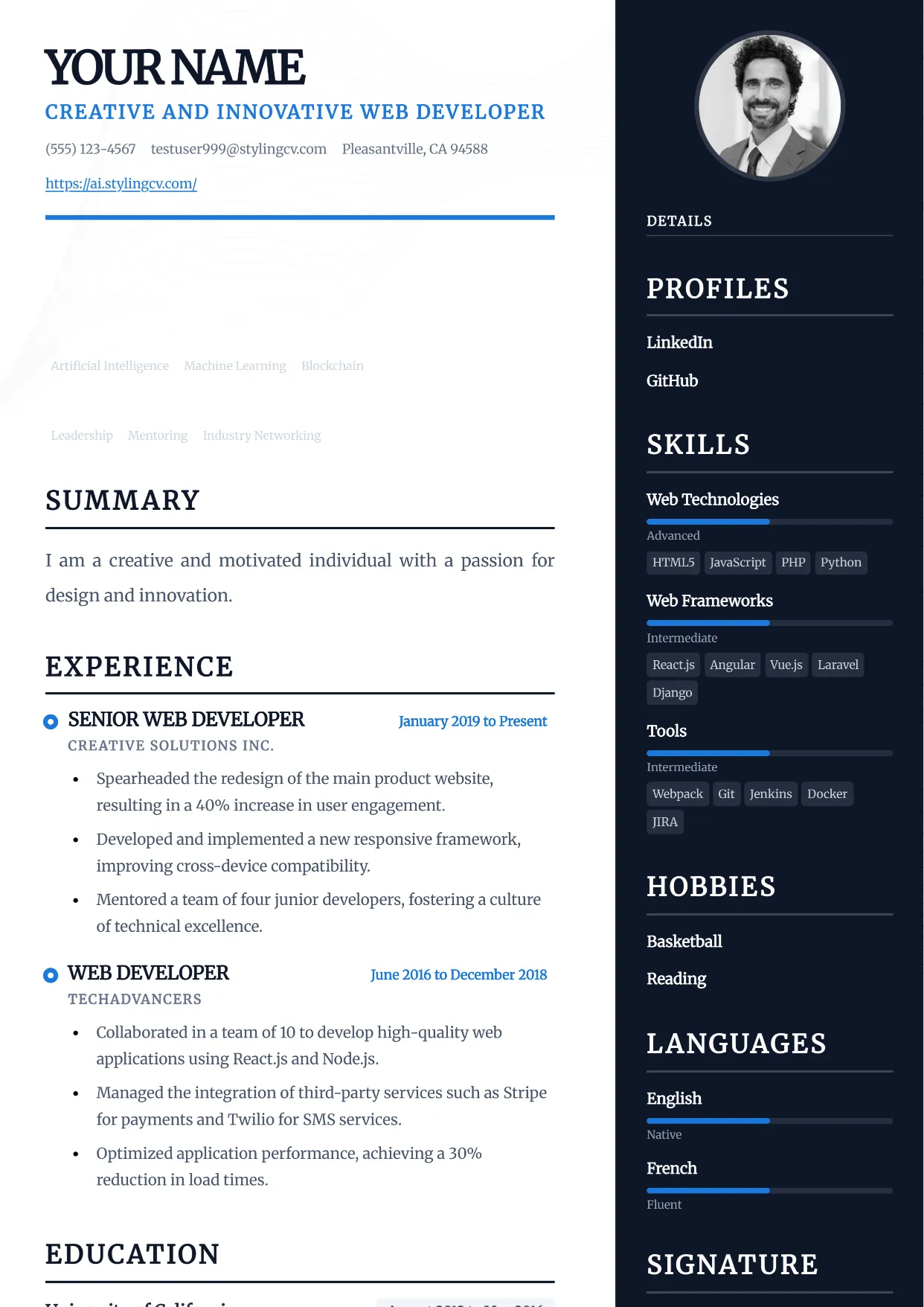
That’s it. Six seconds before a machine decides your fate. If your formatting uses multi-column layouts, graphics, or tables, the ATS will mangle your information — or reject it outright.
How to fix it:
- Use a single-column layout with standard section headings: Professional Summary, Work Experience, Education, Skills
- Stick to Arial, Calibri, or Times New Roman at 10-12pt
- Save as .docx — it’s the most ATS-compatible format
- Never submit a PDF with embedded fonts
At StylingCV, our AI Resume Builder automatically optimizes your resume for the top 5 ATS systems. Want proof? Our 11 AI agents — Market Scout, Interrogator, Truth Check, and more — score your resume against each system before you apply.
2. Social Media Checks Are the New Standard
70% of US employers check candidate social media profiles. 48% of hiring managers have eliminated a candidate based on something they found online.
This isn’t just a quick LinkedIn glance. Employers dig. Here’s what to do right now:
- Clean up your public profiles — delete anything questionable
- Adjust privacy settings on personal accounts
- Make sure your LinkedIn headline, summary, and experience match your resume exactly
3. Salary Negotiation Is Expected (Not Optional)
85% of US employers expect candidates to negotiate salary offers. Accept the first number and you’re leaving money on the table.
The rule of thumb: counter at the top 25% of the posted salary range. Practice your script. And never share your current salary — in 2026, 21 states banned the practice. Even where it’s legal, it weakens your position.
| Strategy | What to Do | What to Avoid |
|---|---|---|
| Research | Check Glassdoor, Levels.fyi, and LinkedIn Salaries | Guessing based on your current pay |
| Counter-offer | Aim for top 25% of the posted range | Accepting the first number |
| Current salary | Deflect: “I’m focused on roles paying $X–$Y” | Revealing your current pay |
4. Cover Letters Still Matter More Than You Think
64% of US hiring managers still read cover letters in 2026. Skip it when asked, and you’ve cut your chances by half.
The trick? Keep it under 350 words. Lead with a specific achievement. Tailor it to the company. Generic cover letters get deleted immediately.
Need industry-specific help? Check our software engineer cover letter templates or nursing cover letter examples.
5. One Page vs. Two Pages: The Real Answer
| Experience Level | Resume Length | Rule |
|---|---|---|
| Under 10 years | 1 page max | Every line must earn its spot |
| 10+ years, senior roles | 2 pages max | No fluff, no padding |
| Executive / C-suite | 2 pages max | Focus on impact, not history |
Never go to three pages. Recruiters in 2026 have zero patience for padding.
6. Keywords Are Your Ticket Through the Gate
ATS systems score your resume against the job description. Miss their keywords? You’re invisible. But don’t stuff random terms — mirror the language from the job posting naturally.
Where keywords matter most:
- Hard skills (Python, project management, data analysis)
- Required qualifications (MBA, PMP, CPA)
- Industry jargon (revenue growth, pipeline management)
- Certifications (AWS, Google Analytics, Six Sigma)
Use them in context, not as a comma-separated list at the bottom. Our ATS-friendly resume templates include built-in keyword optimization strategies that boosted pass rates from 28% to 95%.
7. The Photo Rule Hasn’t Changed
Never include a photo on your US resume. It opens employers to discrimination claims. Responsible companies reject any resume with a photo to avoid liability. Client-facing role or not — let your interview presence speak for itself.
8. The Job Description Is a Contract
Meet 60-70% of the qualifications? Apply. Companies list ideal candidates, not minimum requirements. Women and underrepresented groups statistically wait until they hit 100% before applying. Don’t make that mistake.
Can you do the core job? Your willingness to learn the rest beats a perfect checklist every time.
Your Next Move: Build a Resume That Actually Gets Results
You now know the rules. The US job market in 2026 rewards preparation — not luck. Optimize your resume for the machines. Write a targeted cover letter for the humans. Practice your negotiation before the offer arrives.
Or skip the guesswork entirely. Try StylingCV’s AI Resume Builder free at ai.stylingcv.com — 11 specialized AI agents (Market Scout, ATS Inspector, Truth Check, and more) build you a resume that passes ATS screens, impresses recruiters, and lands interviews. 95%+ ATS pass rate. 6M+ users worldwide.
Start with our complete guide to writing a resume in 2026 — then let the AI do the heavy lifting.
Frequently Asked Questions
How long should a US resume be in 2026?
One page for under 10 years of experience. Two pages max for senior roles. Never three.
Do US employers check social media?
70% of US employers check candidate social profiles. Clean up public accounts before applying.
Should I include a photo on my US resume?
No. It opens employers to discrimination claims. US hiring managers expect no photo.
What ATS systems do most US companies use?
Workday, Taleo, Greenhouse, Lever, iCIMS. Each parses differently. StylingCV’s 11 AI agents optimize for all five.
Is a cover letter required in the USA?
Not always, but 64% of US hiring managers read them in 2026. If the application asks for one, skipping it cuts your chance by half.
Can I negotiate salary for a US job?
Yes — and you should. 85% of US employers expect negotiation. Counter at the top 25% of the posted range.