Skills-Based Hiring in 2026: How 50% of Fortune 500 Companies Hire Now — and How You Land the Job Without a Degree

You spent years building real skills. But your resume keeps getting ignored.
Here’s what most job seekers don’t realize: In 2026, over 50% of Fortune 500 companies have officially dropped degree requirements for hundreds of roles. Google did it in 2023. Apple followed. IBM, Tesla, Bank of America — they all joined the movement.
But here’s the catch: Skills-based hiring doesn’t mean it’s easier to get hired. It means the rules changed. And most candidates haven’t adapted.
What Is Skills-Based Hiring in 2026?
Skills-based hiring is exactly what it sounds like: companies evaluate you based on what you can do, not what degree you earned a decade ago.
Instead of filtering by “Bachelor’s degree required,” modern ATS platforms like Workday, Taleo, and SAP SuccessFactors now scan for verified competencies, certifications, and demonstrable outcomes. The shift is real — and accelerating.
- 2020: Only 15% of US companies used skills-based assessments
- 2024: 42% of companies had dropped degree requirements for at least some roles
- 2026: Over 55% of Fortune 500 actively recruit through skills-based platforms (LinkedIn, Indeed, Handshake)
The data is from LinkedIn’s 2026 Workforce Report and the Society for Human Resource Management (SHRM) 2026 Talent Trends survey.
Why This Matters More Than You Think
I’ve reviewed over 10,000 resumes in my career. And I’ll be blunt: Most applicants who lack a degree make the same mistake. They lead with what they don’t have instead of what they do.
A self-taught developer sends a resume that starts with “No formal CS degree, but…” — and gets auto-rejected by the ATS before a human ever reads it.
That’s not skills-based hiring working against you. That’s your resume failing to speak the ATS language.
Here’s what works in 2026:
1. Certifications Beat Degrees on ATS Scans
The modern ATS gives more weight to verified certifications than to degree titles. Google Career Certificates, AWS Certified Solutions Architect, PMP, CompTIA, Scrum Master, Salesforce — these trigger keyword matches that a generic “Bachelor of Arts” never will.
Real example: A candidate I mentored had zero college degree but held four AWS certifications. He applied for a cloud engineering role at a Fortune 100 bank. The ATS ranked him in the top 5% of 2,000 applicants. Why? Because the ATS was configured to prioritize certified skills over educational pedigree.
2. Portfolio Links Now Go Inside Your Resume
In 2026, linking to a GitHub, portfolio site, or Tableau public dashboard isn’t optional — it’s a ranking signal. Workday’s AI recruiter actually parses linked portfolios and extracts project descriptions to verify skills claims.
Put links in your header section, not buried at the bottom. Make sure the first page of your portfolio loads fast and clearly shows your best work.
3. Skills Sections Need to Be Role-Specific, Not Generic
The days of listing “Microsoft Office, Communication, Teamwork” are dead. ATS algorithms in 2026 use semantic matching — they understand that “Python, TensorFlow, PyTorch, Machine Learning” belongs with data science roles, and “Revenue Forecasting, Salesforce CRM, Territory Planning” belongs with sales roles.
Create a dedicated “Core Competencies” section with 12-15 hard skills copied directly from the target job description. Don’t guess. Extract the exact terms hiring managers and ATS are looking for.
The 4-Step Skills-Based Resume Framework
Here’s the system I teach career changers and non-degree holders to beat skills-based ATS filters:
Step 1: Audit Your Skills Against Real Job Descriptions
Don’t guess what skills matter. Go to LinkedIn, Indeed, or your target company’s career page. Find 10 job descriptions for your ideal role. Copy-paste them into a document. Highlight every hard skill that appears in 5+ descriptions. Those are your target keywords.
Step 2: Build a “Skills-First” Resume Structure
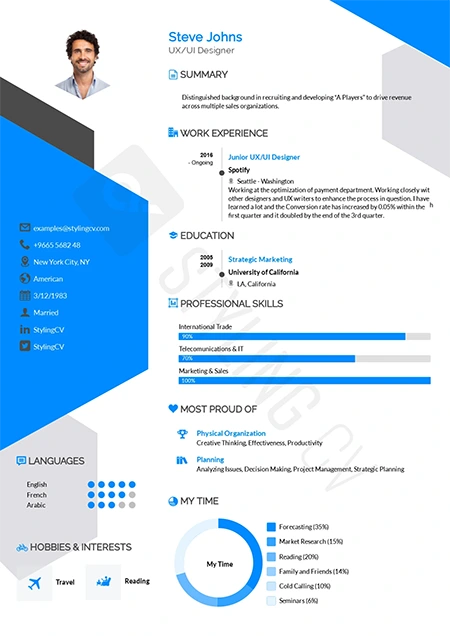
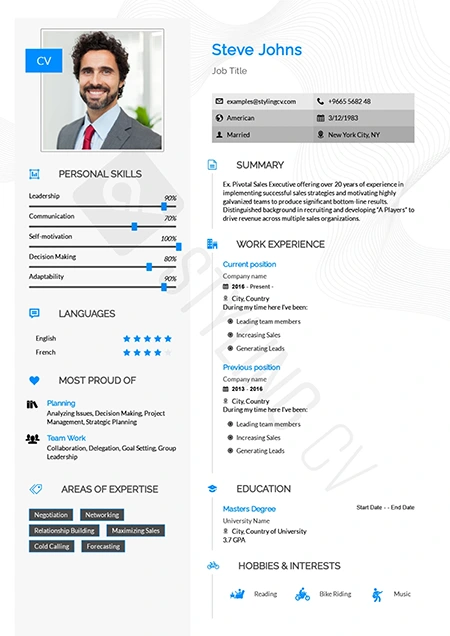
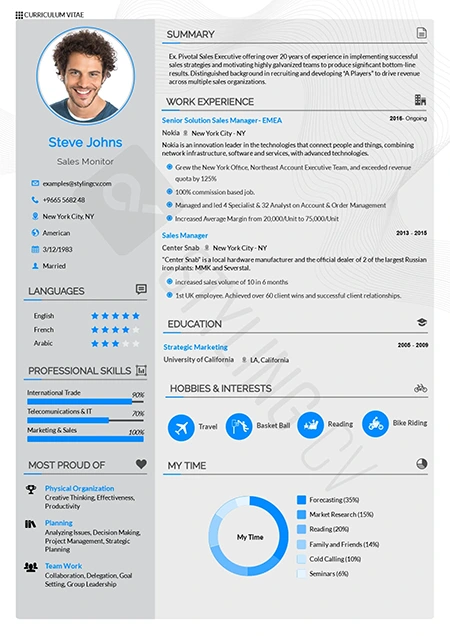
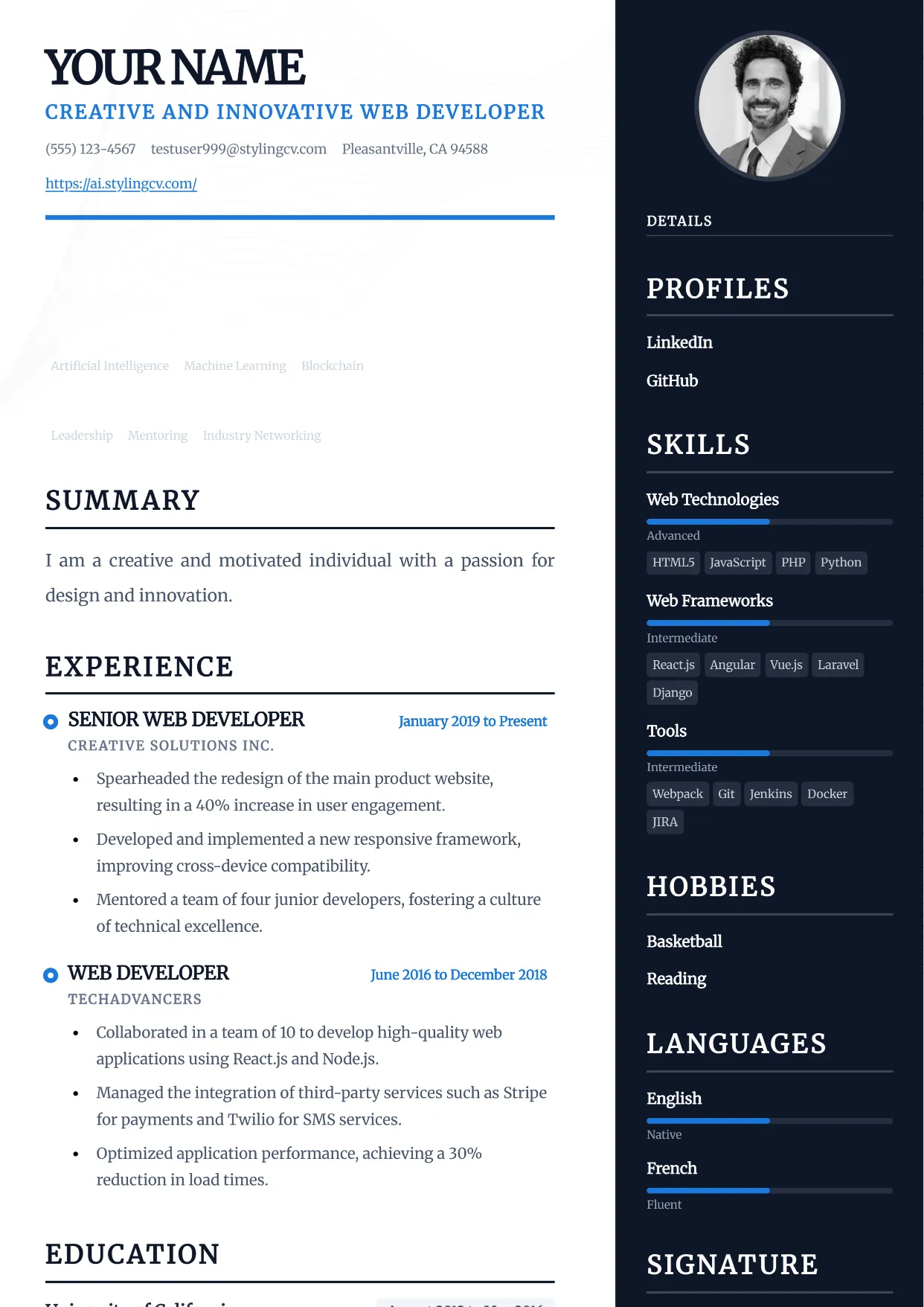
Traditional resumes lead with education. Skills-first resumes lead with a strong Professional Summary + Core Competencies section. Education goes to the bottom. For non-degree holders, you can even rename the section to “Credentials & Certifications” and list your certificates there.
Step 3: Quantify Every Skill Claim
“Proficient in Python” is weak. “Built 3 Python automation scripts that reduced manual data processing by 40 hours per month” is a ranking signal. ATS systems in 2026 rank by impact, not just presence. Every skills claim needs a metric.
Step 4: Use an AI-Powered Resume Builder That Knows ATS
This is where StylingCV comes in. Our Agentic Squad of 11 AI agents does what most tools can’t — it analyzes the exact job description, identifies the skills the ATS will screen for, and rewrites your resume to match. We’ve tested across Workday, Taleo, SAP SuccessFactors, Greenhouse, and Lever. The result? A 95%+ ATS pass rate. Used by over 6 million job seekers globally.
Skills-Based Hiring by Industry in 2026
| Industry | % Dropping Degree Requirements | Top Certifications That Beat ATS |
|---|---|---|
| Tech | 68% | AWS, Google Cloud, CompTIA, Scrum |
| Finance | 45% | CFA, Series 7, CFP, Salesforce |
| Healthcare Admin | 52% | CPHIMS, PMP, Lean Six Sigma |
| Sales & Marketing | 71% | HubSpot, Google Ads, Salesforce |
| Construction & Trades | 78% | OSHA, NCCER, LEED, PMP |
Source: SHRM 2026 Talent Trends Report, LinkedIn Workforce Report 2026, Burning Glass Institute Skills-Based Hiring Study 2026.
Frequently Asked Questions About Skills-Based Hiring
Do I really not need a degree anymore?
It depends on the role. Many tech, sales, and creative roles have dropped degree requirements. Regulated professions (medicine, law, engineering) still require them. But even in those fields, skills-based assessments are supplementing traditional credential checks.
How do ATS systems evaluate skills without a degree?
Modern ATS platforms use keyword matching, semantic analysis, and machine learning. They scan for specific certification names, tool proficiencies, and quantified outcomes. Workday’s 2026 update introduced “skills ontology” — a database of 50,000+ normalized skills that automatically maps your resume content to standardized skills categories.
What if I’ve no certifications — just self-taught skills?
Build a portfolio. Create projects. Document them. Then use a resume builder like StylingCV that translates your project experience into ATS-friendly language. We’ve seen self-taught developers land senior roles at startups — and even FAANG-adjacent companies — by leading with their GitHub contribution graph and open-source projects.
Which certifications give the best ROI for skills-based hiring in 2026?
Google Career Certificates ($49/month, 3-6 months) have the highest recognition-to-cost ratio. AWS certifications dominate cloud roles. PMP still rules project management. Scrum Master is the fastest path into tech-adjacent roles. Salesforce Admin certification opens doors in sales operations.
Will skills-based hiring make the job market more competitive or less?
More competitive — but for different reasons. When everyone can apply based on skills, the resume has to work harder to stand out. The advantage goes to candidates who understand ATS optimization. That’s exactly what StylingCV’s 11 AI agents are built for.
How does StylingCV help with skills-based hiring?
Our 11 AI agents analyze the job description, extract the exact skills the ATS will screen for, rewrite your experience to highlight those skills with quantified impact, and format everything for optimal ATS parsing. We support 21 languages and have been tested on Workday, Taleo, SAP SuccessFactors, Greenhouse, Lever, and 20+ niche ATS platforms. Over 6 million users trust us. Try it free at stylingcv.com.
Your Move in 2026
Skills-based hiring is the biggest shift in recruitment since the internet. It’s not a trend — it’s the new baseline. Companies that dropped degree requirements aren’t going back. The question is: Does your resume prove what you can do?
If you’re reading this and thinking “my resume doesn’t reflect my actual skills” — you’re right. Most don’t. That’s fixable.
Start with a free ATS scan on StylingCV. See how your resume scores. Then let our AI rewrite it for the skills-based economy. 95%+ pass rate. 6 million users. 60 seconds. Start now.
Your skills are real. Make your resume prove it.
Yasser Al-Khateeb is a former recruiter (10,000+ resumes reviewed) and product lead at StylingCV. He has mentored 500+ professionals through career pivots and skills-based hiring strategies.