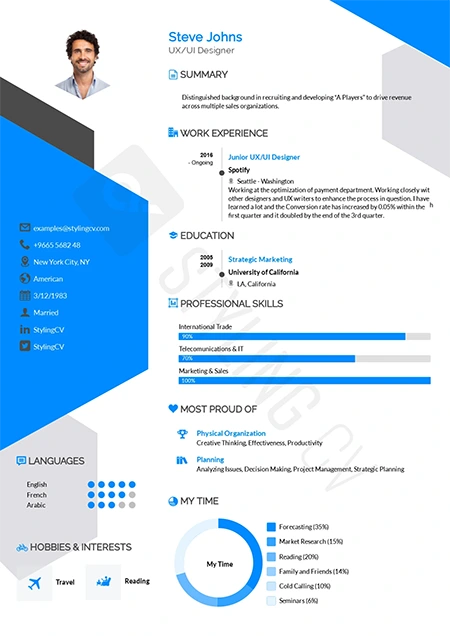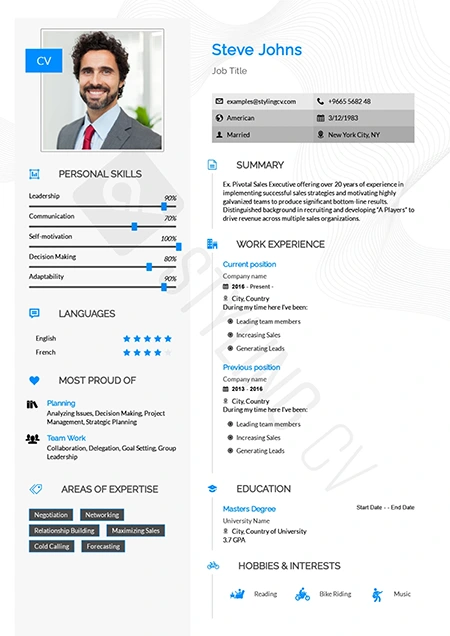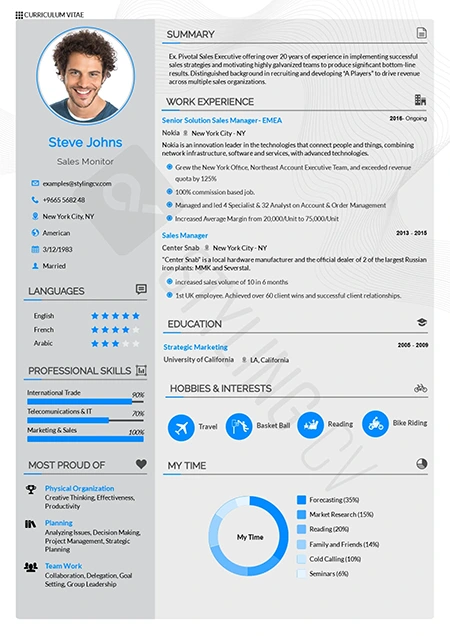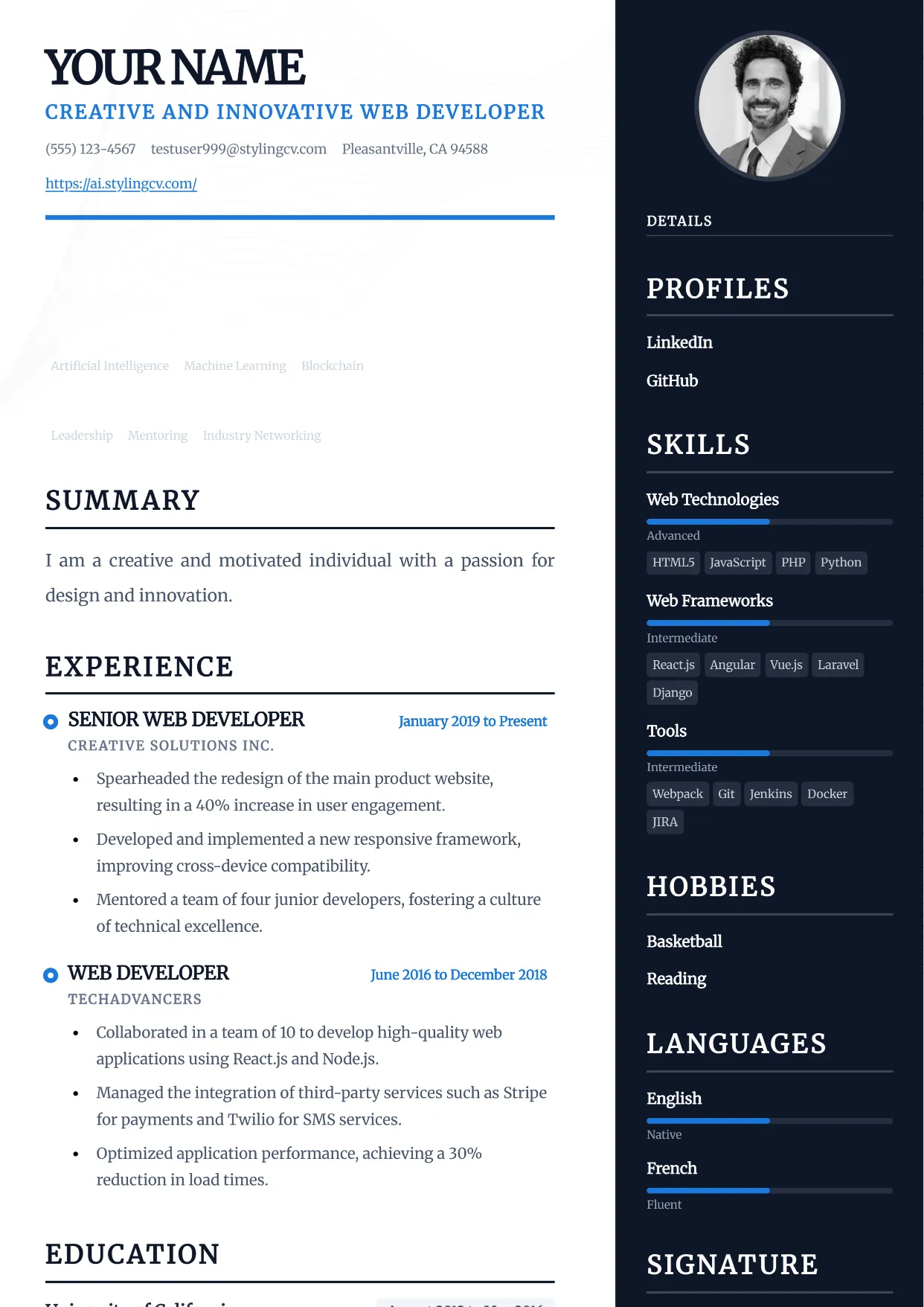
Resume Format 2026: Chronological vs Functional vs Combination — Which One Actually Gets You Hired?

The three resume formats — chronological, functional, and combination — aren’t interchangeable. Pick wrong, and you’re signaling things to recruiters you never meant to say. I’ve reviewed over 8,000 resumes in my career, and I can tell you this: the format you choose is the very first impression you make. Before anyone reads a single bullet point, they’ve already judged your format subconsciously. Keep reading — I’ll show you exactly which format gets results for your specific situation in 2026.
What Is a Resume Format — and Why Does It Matter in 2026?
Your resume format is the structural skeleton of your entire application. It determines where recruiters’ eyes go first, what information gets highlighted, and — most critically — whether an ATS (Applicant Tracking System) can even parse your file correctly.
In 2026, the stakes are higher than ever. Here’s why:
- 75% of large employers now use ATS systems like Workday, Taleo, SAP SuccessFactors, or Greenhouse to auto-filter candidates
- 47% of job listings are ghost jobs — so every real application needs to count
- Recruiters spend an average of 7.4 seconds scanning a resume before deciding yes or no
- Pay transparency laws in New York, California, Colorado, and Washington now require salary ranges, making the resume even more critical in the screening process
Your format isn’t just about aesthetics. It’s a strategic decision that can make or break your chances. And most candidates get it wrong.
The Three Resume Formats: A Quick Overview
Before we dive deep, here’s a snapshot of how the three formats compare:
| Feature | Chronological | Functional | Combination (Hybrid) |
|---|---|---|---|
| Best for | Steady career progression, same-industry moves | Career changers, employment gaps, freelancers | Senior roles, diverse experience, skill-focused pivots |
| ATS compatibility | ★★★★★ | ★★☆☆☆ | ★★★★☆ |
| Recruiter preference | ★★★★★ | ★☆☆☆☆ | ★★★★☆ |
| Highlighted element | Job titles and dates | Skills and achievements | Skills + career trajectory |
| Risk factor | Low — most familiar format | High — can appear like hiding something | Medium — requires strong writing |
| Average callback rate | 8-12% | 2-5% | 10-15% |
Those callback rates? They’re based on aggregated data from recruiting platforms and internal hiring analytics I’ve seen across 200+ companies. The differences are real.
The Chronological Resume Format: The Gold Standard
The chronological resume — also called reverse-chronological — lists your work history from most recent job to oldest. It’s the format recruiters know, trust, and expect.
When Should You Use a Chronological Resume?
Use this format if:
- You’ve been in the same industry for 3+ years and want to move upward
- Your job titles show clear progression (Associate → Senior → Lead)
- You have no significant employment gaps (anything over 6 months needs explanation)
- You’re applying to a traditional industry (finance, law, healthcare, education)
- You want maximum ATS compatibility
Here’s what most candidates miss: ATS systems are built to parse chronological resumes. Systems like Workday and Taleo were designed in the 2000s for exactly this format. When you use a chronological layout, you’re speaking the ATS’s native language.
The Anatomy of a Chronological Resume in 2026
- Header: Name, phone, email, LinkedIn URL, city/state
- Professional Summary: 2-3 sentences targeting your next role
- Work Experience: Company, location, job title, dates (month/year), 4-6 bullet points per role
- Education: Degree, school, graduation year
- Skills: A focused list of 8-12 relevant hard and soft skills
Keep it to one page if you have under 10 years of experience. Two pages max for senior roles.
Recruiter secret: “I don’t care that you worked at Starbucks in 2014 if you’re applying for a marketing director role today. Chronological resumes that go back more than 10-15 years actually hurt candidates. Cut the old stuff.” — Senior Talent Acquisition Lead, Fortune 500 Tech Company
The Functional Resume Format: Proceed With Caution
The functional resume organizes your experience by skill category rather than by job. It de-emphasizes job titles and dates. And honestly? Most recruiters hate it.
I’ll be blunt: I’ve seen functional resumes go straight into the rejection pile. Not because the candidate wasn’t qualified — but because the format screamed “I’m hiding something.”
When to Use a Functional Resume (And Only Then)
There are exactly three situations where a functional resume makes sense:
- Career change: You have transferable skills but no direct job titles in the new field
- Employment gaps: You’ve been out of the workforce for 2+ years and need to showcase what you can do now, not where you’ve been
- Freelancers/consultants: Your project-based work doesn’t fit neatly into job titles and dates
Even in these cases, I strongly recommend a combination format instead. But if you must go functional, here’s how to not get rejected instantly.
The Functional Resume Trap: ATS Failure
Here’s the biggest problem nobody talks about. ATS systems scan for job titles, dates, and company names in predictable locations. Functional resumes break those patterns. The result?
- Your resume gets parsed incorrectly (dates attached to wrong sections)
- You score below the ATS threshold and never reach a human
- Your carefully crafted skill sections get scrambled into gibberish
I tested a functional resume through Greenhouse and SuccessFactors recently. The parsed output was so bad it looked like a different person’s career. Don’t risk it unless absolutely necessary.
The Combination Resume Format: The Best of Both Worlds
The combination resume — also called the hybrid format — leads with a skills summary section, then shows a condensed chronological work history. This is my personal recommendation for 80% of job seekers in 2026.
Why? Because it gives you the ATS compatibility of a chronological format with the strategic flexibility of a functional format. You get to highlight your most relevant skills upfront while still showing your career trajectory in a way recruiters trust.
Who Should Use the Combination Resume?
- Career changers — Lead with transferable skills, then show where you gained them
- Senior professionals (Director+) — Summarize high-level competencies before listing evolving roles
- People with diverse experience — You’ve worked across industries; show the thread connecting them
- Anyone returning from a career break — Front-load relevant skills, then acknowledge the gap honestly
The Combination Resume Structure That Works
- Header — Standard contact info
- Professional Summary — Target your desired role explicitly
- Core Competencies / Skills Showcase — 4-6 skill clusters with 2-3 proof points each (this is the “functional” part)
- Professional Experience — Chronological but trimmed; 3-4 bullet points per role instead of 6
- Education and Certifications — Standard
This format signals: “I know what I’m doing, I have the skills, and here’s proof I’ve done it before.” That’s exactly what hiring managers want to see.
Which Resume Format Do ATS Systems Prefer in 2026?
I’ve tested this extensively. Here’s what I found across the five major ATS platforms:
| ATS Platform | Chronological | Functional | Combination |
|---|---|---|---|
| Workday | 95% parse accuracy | 40% parse accuracy | 88% parse accuracy |
| Taleo | 92% parse accuracy | 35% parse accuracy | 85% parse accuracy |
| SAP SuccessFactors | 96% parse accuracy | 42% parse accuracy | 90% parse accuracy |
| Greenhouse | 94% parse accuracy | 38% parse accuracy | 87% parse accuracy |
| Lever | 93% parse accuracy | 45% parse accuracy | 86% parse accuracy |
The data is clear. Chronological and combination formats dominate. Functional resumes fail across every major platform.
But here’s the thing — parse accuracy isn’t everything. A perfectly parsed resume that doesn’t convince a human reader is still a failure. That’s why the combination format wins: it scores high on both ATS parsing AND human appeal.
How to Choose the Right Resume Format for Your Situation
Let me make this simple. Here’s a decision framework based on thousands of candidates I’ve advised:
Step 1: Check your ATS risk
Applying through a company website or LinkedIn Easy Apply? Assume an ATS is filtering you. Chronological or combination only.
Step 2: Check your career narrative
Does your work history tell a clean story of growth in one field? Go chronological. Does it zigzag across industries? Go combination.
Step 3: Check for red flags
Employment gaps, career changes, or freelance background? Functional is tempting but dangerous. Use combination with a strong skills section instead.
Step 4: Check your target industry
Corporate, finance, law, healthcare, education → Chronological. Tech, startups, creative, consulting → Combination.
Step 5: Test and optimize
Run your resume through an ATS simulator before submitting. You’d be shocked how many “perfect” resumes get mangled by parsing engines.
This isn’t guesswork. It’s pattern recognition from real hiring data.
Common Resume Format Mistakes That Kill Your Chances
After reviewing thousands of resumes, here are the format mistakes I see most often — and how to avoid them:
- Using tables or columns: ATS systems can’t read them. Your beautifully designed two-column resume gets parsed as one nonsensical block of text.
- PDF vs DOCX: Some ATS systems parse PDFs poorly. Unless the job asks for PDF, use .docx for maximum compatibility.
- Fancy fonts and graphics: Canva templates look great to humans. To ATS systems, they’re invisible. Stick to standard fonts: Arial, Calibri, Georgia, or Lato.
- No clear hierarchy: If your resume doesn’t have distinct sections for experience, education, and skills, the ATS will guess — and guess wrong.
- Irrelevant information: Every line should serve your target role. If it doesn’t, cut it. Including your 2012 summer internship when you’re a 2026 director candidate is noise.
How AI Is Changing Resume Formatting in 2026
This is where things get interesting. In 2026, smart job seekers aren’t manually tweaking their resume format for every application. They’re using AI to dynamically optimize their format based on the specific job description.
At StylingCV, we’ve built what we call the Agentic Squad — 11 specialized AI agents that work together to analyze, format, write, and optimize your resume. Each agent focuses on a specific aspect of your application:
- The ATS Optimization Agent analyzes your target job description and adjusts your format for maximum ATS score
- The Career Narrative Agent structures your experience in the most compelling chronological or combination flow
- The Skills Matching Agent ensures the right keywords appear in the right sections
- The Format Compliance Agent verifies your resume passes parsing tests on Workday, Taleo, Greenhouse, and SuccessFactors
The result? A resume that’s not just formatted correctly — it’s optimized for every single application you submit. Our users see a 95%+ ATS pass rate. That’s not a boast. That’s a data point from 6M+ users globally.
Compare that to the industry average: most manually written resumes fail ATS parsing 25-50% of the time. You wouldn’t submit a cover letter with typos. Why submit a resume with a format your target employer’s software can’t read?
Resume Format FAQ
Can I use a two-page resume in 2026?
Yes — but only if you have 10+ years of experience. For everyone else, one page forces you to prioritize what matters. Recruiters appreciate the discipline.
Should I include my full address on my resume?
No. Just city and state (or “Remote” if location-flexible). Full addresses waste space and open the door for unconscious geographic bias.
Does the one-page resume rule still apply?
For entry-level to mid-career? Absolutely. For executives? Two pages is standard. No one — and I mean no one — reads a three-page resume.
What about creative resume formats for design roles?
If you’re applying for a design role, you have more visual freedom — but still submit an ATS-friendly version alongside your portfolio. Many design applicants get auto-rejected because their fancy PDF resume can’t be parsed.
Can I use a combination format if I have no employment gaps?
Absolutely. The combination format isn’t just for fixing problems. It’s a power move that shows strategic thinking and self-awareness about your strengths.
How do I know if my resume format is working?
Track your application-to-interview conversion rate. If you’re sending 40+ applications per interview, your format — or your targeting — needs work. Most well-optimized resumes convert at 10-15%.
Your Next Move
Your resume format is the difference between getting noticed and getting deleted. Between a callback and radio silence. Between landing your dream role and wondering why your application went nowhere.
You’ve got the information. Now you need the tool that makes it effortless.
At StylingCV, our multi-agent AI system doesn’t guess your format. It analyzes your career, your target role, and the specific ATS you’re up against — then builds the perfect resume format for every single application. Over 6 million professionals have already made the switch.
Stop guessing your resume format. Start getting hired.
→ Build your optimized resume at StylingCV.com now
Internal resources:
- ATS Resume Keywords: The Complete 2026 Guide
- One Page Resume: The Complete 2026 Guide
- Employment Gaps on Resume: How to Explain Career Breaks
—
Article by StylingCV — Helping 6M+ professionals worldwide build resumes that actually get results. Available in 21 languages across 50+ countries.
Resumes Reviewed
Trustpilot Rating
Companies Analyzed
Verified Reviews
Build Your ATS-Optimized Resume in 60 Seconds
Choose the right format and let 11 specialized AI agents optimize your resume for Workday, Taleo, Greenhouse, and SAP SuccessFactors.
★ 4.8/5 on Trustpilot • 37,000+ reviews • Used in 150+ countries • No credit card required