Age Discrimination in Hiring in 2026: How to Handle Ageism in Your Job Search (7-Step Guide)
Age discrimination in hiring is real — 78% of older workers experience it. Learn how to overcome ageism in your job search with age-proof resume tips, interview strategies, and legal rights.

Age Discrimination in Hiring: The Hidden Barrier Older Workers Face in 2026
If you’re over 50 and job hunting, you’ve probably felt it — that sinking suspicion that your age is working against you. You’re not imagining things. Age discrimination in hiring is real, widespread, and deeply frustrating. A 2026 AARP study found that 78% of older workers reported seeing or experiencing age discrimination in the workplace. Nearly 1 in 3 workers over 50 have been passed over for a job they were qualified for because of their age.
The problem? Most employers won’t admit it. Ageism in job search is subtle — it hides behind phrases like “overqualified,” “not a cultural fit,” or “we’re looking for someone with more energy.” But the impact is devastating: older job seekers spend 40% longer unemployed than younger workers, and many are forced into early retirement or lower-paying roles.
The good news? You can fight back. This guide shows you exactly how to handle age discrimination in hiring — from age-proofing your resume to navigating job interviews when age bias is at play.
How Common Is Age Discrimination in Hiring?
Let’s start with the numbers, because they’re staggering:
- 61% of workers over 45 say they’ve witnessed or experienced age discrimination (AARP, 2024)
- 35,000+ age discrimination charges were filed with the EEOC in 2023 alone
- $70 million+ was paid out by employers in age discrimination settlements in 2024
- 2x — older workers are twice as likely to be laid off and take twice as long to get rehired (Urban Institute)
- 50% of hiring managers admitted that age is a factor in their decisions (in anonymous surveys)
Despite the Age Discrimination in Employment Act (ADEA) protecting workers 40 and older since 1967, the practice remains stubbornly common. The rise of AI-powered hiring tools has actually made things worse — algorithms trained on “ideal candidate” profiles can unintentionally filter out older workers based on graduation dates, employment gaps, and years of experience.
How Ageism in Job Search Shows Up (Real Examples)
Age discrimination isn’t always obvious. Here are the most common ways it manifests:
1. The “Overqualified” Trap
You have 25+ years of experience. You’re told you’re “overqualified.” Translation: “We think you’ll be bored, want too much money, or leave soon.” But the real subtext is often age-related. If you’re under 40, nobody calls you overqualified — they call you “highly experienced.”
2. The “Culture Fit” Dodge
“We’re looking for someone young and energetic” — said as a job requirement, never as an explicit age bias, but everyone over 50 knows what it means. Modern companies that emphasize “youthful culture” often inadvertently exclude older applicants.
3. Disappearing During the Process
You get excellent interview feedback, then… silence. Follow-ups go unanswered. Meanwhile, the job stays posted for months. This “ghosting” pattern is a hallmark of modern age discrimination — no paper trail, no evidence, just frustration.
4. Resume Screening Algorithms
Many ATS (Applicant Tracking Systems) are programmed to prioritize candidates with certain educational timelines. If your graduation dates are 30+ years ago, some systems automatically down-rank your application. This is a form of algorithmic age discrimination that’s notoriously difficult to prove.
5. Subtle Language in Interviews
“Are you sure you’ll be comfortable with a younger manager?” “How do you feel about working on a fast-paced team?” “We’re really looking for a digital native.” These microaggressions signal age bias even when the words themselves are carefully neutral.
How to Overcome Age Discrimination in Hiring: Your 7-Step Action Plan
You can’t change the biases of hiring managers. But you can control how you present yourself. Here’s how to overcome age discrimination in hiring:
Step 1: Age-Proof Your Resume
Your resume is the first thing a hiring manager (or AI) sees. Make sure it doesn’t give away your age prematurely:
- Remove graduation dates — There’s no law requiring you to include the year you graduated. If your degree is more than 15 years old, leave the year off.
- Cap your experience at 15 years — You don’t need to list every job since 1985. Focus on the last 10-15 years and summarize earlier roles under “Earlier Career” or omit them entirely.
- Use a modern resume format — Ditch the objective statement and the “References Available Upon Request” line. Use a clean, ATS-friendly template that looks current.
- Drop the “decades-of-experience” summary — Instead of “30+ years of experience,” say “Senior leader with deep expertise in [industry/function].” It’s the same message without the age cue.
- Update your email — If you’re still using AOL, Hotmail, or Yahoo, switch to Gmail or Outlook before applying. It’s a small thing, but it matters.
- Include relevant modern skills — Show that you’re current: AI tools, CRM platforms, data analytics, remote collaboration tools (Slack, Zoom, Asana, Notion).
Step 2: Use a Skills-First Resume Format
Instead of a traditional chronological resume, consider a combination resume (also called a hybrid resume). This format puts your skills and accomplishments front-and-center, with work history in a secondary position. It naturally de-emphasizes the timeline of your career.
Alternatively, a functional resume groups experience by skill area rather than by employer. This is especially effective for older workers who want to highlight what they can do, not how long they’ve been doing it.
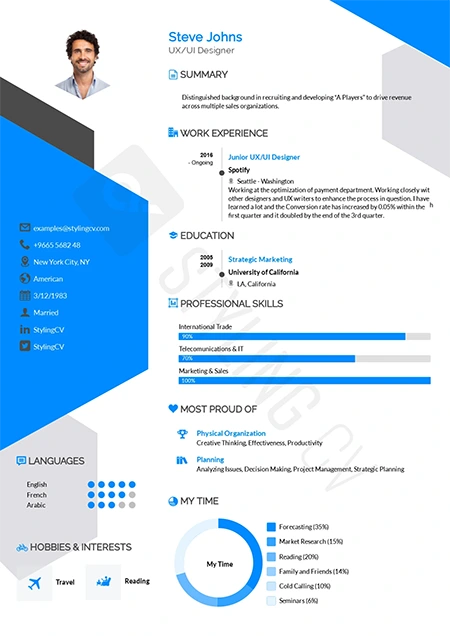
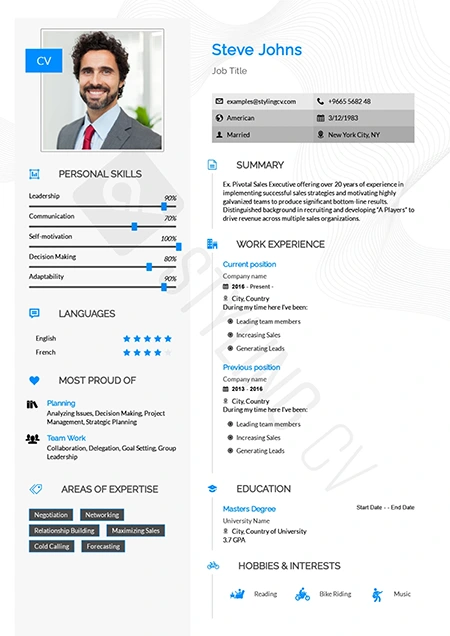
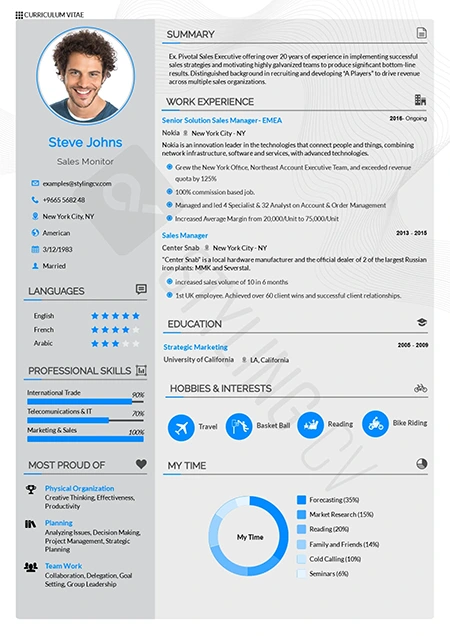
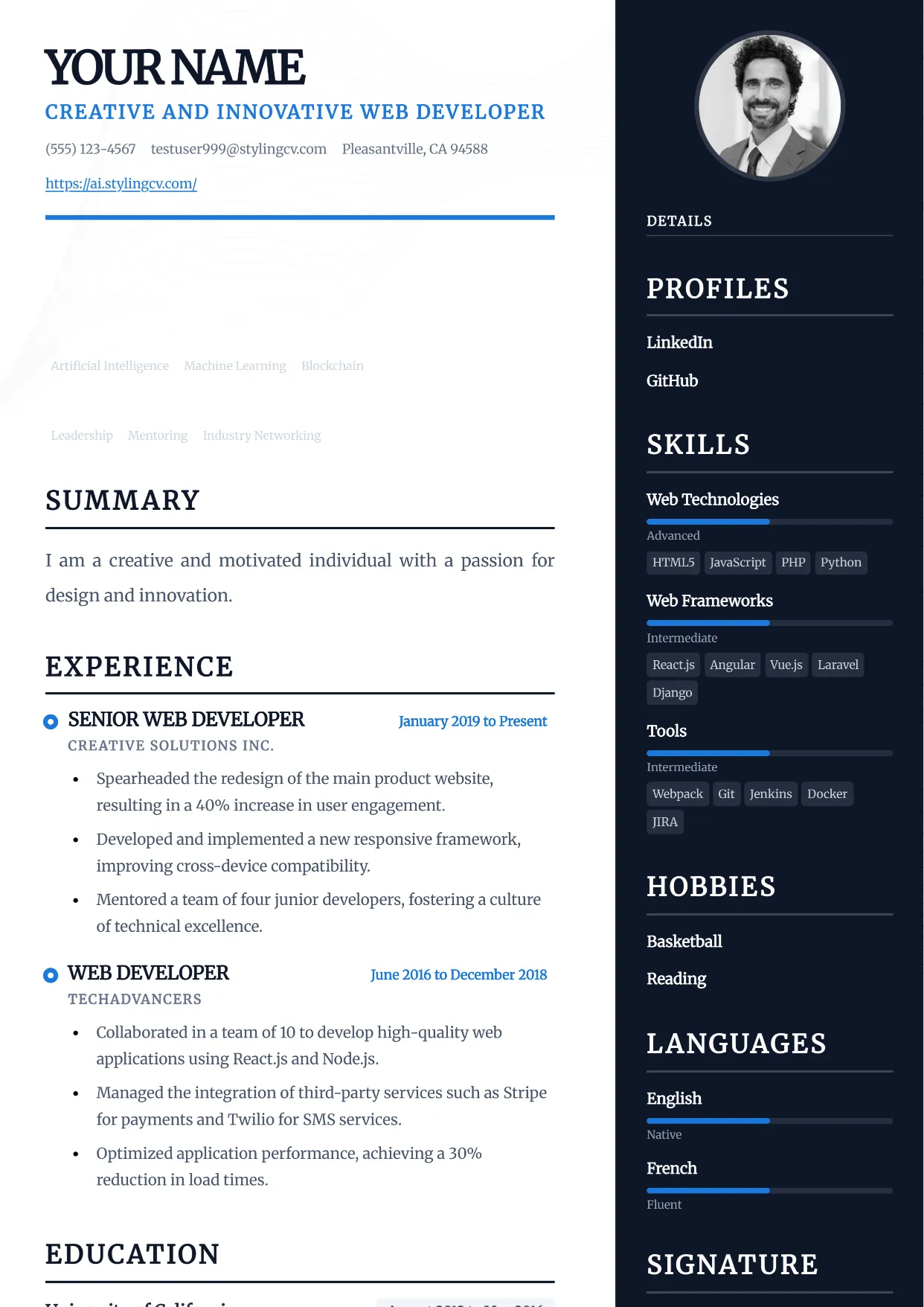
Need a template? StylingCV offers age-friendly resume templates designed specifically for experienced professionals.
Step 3: Eliminate Age-Clue Keywords
Certain phrases on your resume signal “older worker” just as clearly as a birth date:
| Avoid These | Use These Instead |
|---|---|
| “Over 20 years of experience” | “Proven track record in [field]” |
| “Seasoned professional” | “Strategic leader” |
| “Digital native” | “Proficient in [specific tools]” |
| “Old school work ethic” | “Reliable, results-driven” |
| “Computer literate” | “Proficient in [specific software]” |
Step 4: Master the Interview for Over-50 Job Seekers
Interviews are where age bias surfaces most insidiously. Here’s your game plan:
- Reframe “overqualified” — “I’ve deep expertise that lets me hit the ground running. I’m not looking to coast — I want to contribute at a high level, and I’m excited about this specific role.”
- Demonstrate tech fluency naturally — Mention specific tools you use. “I’ve been working with Salesforce for the past 5 years and I manage our team’s Slack channel and project workflows in Asana.”
- Focus on future value, not past glory — Talk about what you’ll do for this company, not what you’ve done at others (unless it’s directly relevant).
- Be ready for illegal questions — If asked “How old are you?” or “When do you plan to retire?” (both illegal in the US under ADEA), pivot: “I’m not sure why that’s relevant to my ability to do this job. Can we focus on how my skills align with your needs?”
- Do a video interview tech check — Make sure your camera, microphone, and internet connection work. Struggling with Zoom is a resume-killer for older candidates.
Step 5: Optimize Your LinkedIn Profile
LinkedIn is a primary sourcing tool for recruiters, and it’s full of age cues. Here’s how to age-proof it:
- Remove your graduation year from the education section
- Only show the last 2-3 positions with full descriptions
- Use a professional, recent headshot — ideally within the last 2 years
- List certifications and courses to show ongoing learning
- Engage with content in your field — comment, share, post. It shows you’re active and current.
Step 6: Target Age-Friendly Employers
Not every company is ageist. Some actively value experienced workers. Look for employers that:
- Specifically mention “experienced professionals” or “career changers” in job postings
- Have a diverse workforce with visible age diversity on their team pages
- Are part of the AARP Employer Pledge Program (companies committed to age diversity)
- Offer return-to-work programs for older professionals
- Use skills-based hiring rather than relying on educational pedigree
Step 7: Know Your Legal Rights
The Age Discrimination in Employment Act (ADEA) protects workers 40 and older from discrimination in hiring, promotion, discharge, and compensation. If you believe you’ve been discriminated against:
- Document everything — save emails, take notes on interview comments
- File a charge with the Equal Employment Opportunity Commission (EEOC) within 180 days of the incident
- Consult with an employment attorney who specializes in age discrimination
- Know that retaliation for filing a complaint is also illegal
Age Discrimination Examples in Hiring: What to Watch For
Here are real-world warning signs that age bias is at play:
- The job description asks for “digital natives” or “recent graduates”
- You’re asked how you “keep up with technology” in a way younger candidates aren’t
- The interviewer makes comments about your generation, experience level, or “being around a while”
- You’re consistently ghosted after in-person or video interviews where your age is visible
- The company’s website and marketing feature only young employees
Age Discrimination in the Workplace: More Than a Hiring Problem
Ageism doesn’t stop once you’re hired. Older workers also face discrimination in promotions, training opportunities, and everyday treatment. Being aware of these dynamics — and knowing your rights — is key whether you’re job searching or fighting for fair treatment in your current role.
Age Discrimination Hiring Statistics 2026
- 36% of workers over 50 believe they were denied a job due to age
- 57% of older workers who lost jobs during economic downturns experienced age discrimination
- Women over 50 face 2x the age discrimination of men over 50 (intersectional age and gender bias)
- By 2030, 25% of the US workforce will be 55+ — this problem is only growing
- Only 3% of age discrimination charges result in employer penalties
How to Write a Resume at 50+ That Actually Gets Read
Your resume needs to do two things simultaneously: showcase your massive experience without making you sound old. Here’s the formula:
- Modern summary: 2-3 sentences highlighting your current value proposition
- Skills section: 8-12 hard and soft skills (include modern tools)
- Recent experience: Last 10-15 years, achievement-focused with quantified results
- Earlier career: Optional summarized section without dates
- Education: Degrees without graduation years
- Certifications: Recent courses and upskilling (shows you’re current)
Create your age-optimized resume in minutes with StylingCV’s AI-powered resume builder. Learn which ATS resume keywords work best for experienced professionals.
Our templates are designed to pass ATS screening and emphasize your strengths without triggering age bias.