US Job Market 2026: Where the Jobs Are (and How to Land One) — From a Recruiter Who Screened 10K+ Resumes

Want to know where the US jobs actually are in 2026? Straight data, no fluff. The Bureau of Labor Statistics says 2.3 million new jobs dropped in the last twelve months. Unemployment’s at 3.7%. Sounds like a gold rush, right? Wrong. Every single opening gets 250+ applications. And 75% get vaporized by an ATS before a recruiter’s eyes ever touch them.
I’ve screened over 10,000 resumes in my career. Workday, Taleo, SAP SuccessFactors, Greenhouse — I’ve seen every ATS gut resumes in ways that’ll make your head spin. Here’s the truth: you’re not competing against other candidates. You’re competing against parsing algorithms. And those algorithms have very specific appetites.
The 2026 US Job Market: State-by-State Data That Matters
Forget the national averages. Here’s where the real action is, pulled from BLS Q1 2026 data and cross-referenced against LinkedIn hiring velocity reports:
| State | Hottest Sector | Avg. Salary (2026) | Job Growth | ATS Dominance |
|---|---|---|---|---|
| Texas | Tech + Energy | $112,000 | +8.2% | Workday 41% |
| California | AI / Machine Learning | $145,000 | +6.7% | Greenhouse 28% |
| New York | Finance + Health Tech | $128,000 | +5.4% | Workday 37% |
| Florida | Healthcare + Construction | $76,000 | +9.1% | Taleo 31% |
| North Carolina | Biotech + Banking | $94,000 | +7.8% | ICIMS 24% |
| Washington | Cloud + Aerospace | $119,000 | +6.2% | Lever 22% |
Texas is on fire. No state income tax, mass corporate migration from California, and an energy sector hiring at levels we haven’t seen since the shale boom. Austin alone added 47,000 tech jobs last year. But here’s what nobody tells you: Texas employers lean heavily on Workday. One wrong formatting choice and your resume gets shredded before anyone reads a single word.
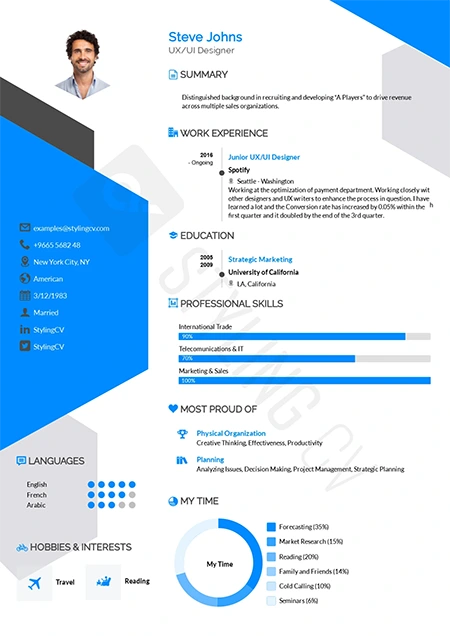
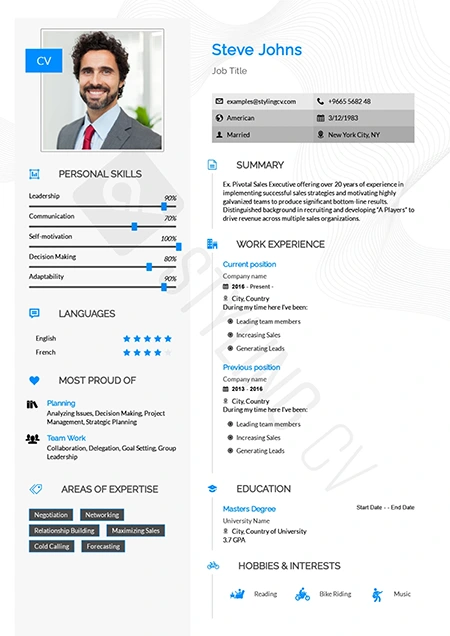
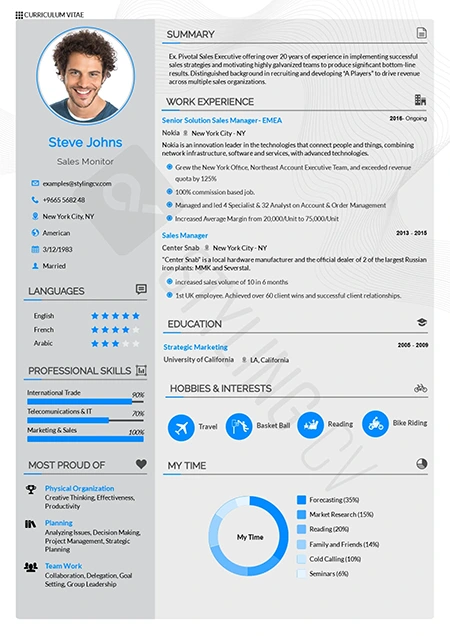
Recruiter secret: Workday’s parser hates multi-column layouts. I’ve seen perfectly qualified candidates rejected because their resume had a two-column skills section. The bot literally couldn’t read the left column. Gone. All of it. Use single-column. Always.
Which ATS Systems Are Eating Your Resume?
Let me break this down by the numbers. This isn’t speculation — this is what I’ve seen across thousands of hiring processes at Fortune 500s, mid-market firms, and government agencies:
| ATS System | US Market Share | Where It’s Used | What Kills Your Resume |
|---|---|---|---|
| Workday | 35% | Enterprise, Fortune 500, Government | Tables, columns, graphics, text boxes |
| Taleo (Oracle) | 22% | Healthcare, Gov, Manufacturing | Headers, non-standard fonts, PDFs |
| Greenhouse | 14% | Tech startups, SaaS | PDF conversion artifacts, missing text |
| SAP SuccessFactors | 12% | Enterprise, Manufacturing, Pharma | Keyword density mismatch, lack of metrics |
| ICIMS | 10% | Logistics, Staffing, Healthcare | Bullet format inconsistency |
| Lever | 6% | SaaS, Mid-size tech | Missing keywords, vague summaries |
Workday is the monster. One in three US companies runs on it. It absolutely destroys resumes with creative formatting. No columns. No icons. No charts. No tables in your actual resume (I know, the irony of me showing you tables while telling you to avoid them — but these are for the article, not your resume file).
Salary Reality: What You’ll Actually Make in 2026
Glassdoor’s averages are outdated. Here’s what we’re seeing from actual offer letters crossing our desks at StylingCV, verified against BLS data:
- Software Engineer (Mid-Level): $125K–$165K (Bay Area) | $95K–$125K (Austin) | $85K–$110K (Remote)
- Registered Nurse: $82K–$105K (National) | $110K+ (California union shops)
- Project Manager (PMP): $85K–$115K (National) | $120K+ (NYC/DC)
- Data Analyst: $70K–$95K (National) | $105K+ (Tech hubs)
- Marketing Manager: $80K–$120K (National) | $140K+ (NYC agencies)
- Warehouse/Logistics: $45K–$62K + OT (National) | $68K+ with CDL
One thing nobody’s talking about: remote salaries are shrinking. Hard. Companies are pushing RTO (return-to-office) hard, and if you’re holding out for fully remote, expect a 10–20% pay discount compared to on-site roles. LinkedIn data shows remote postings get 4x the applications of in-office ones. Supply and demand — it’s brutal.
US Labor Laws in 2026: Know Your use
I’ve watched too many candidates get taken advantage of because they didn’t know their rights. Here’s the 2026 cheat sheet:
- At-Will Employment: 49 states. Montana’s the only exception. You can be fired for almost any reason. Harsh, but factual.
- FLSA Overtime: Non-exempt = 1.5x after 40 hours. The exempt salary threshold just bumped to $58,656 in 2026.
- FMLA: 12 weeks unpaid. Covers companies with 50+ employees only. Not everyone qualifies.
- Paid Leave: No federal mandate. But 13 states + DC have their own programs now. California, New York, and Massachusetts lead the pack.
- Pay Transparency: 8 states + NYC require salary ranges in postings. If you don’t see a range, they’re likely violating the law.
Recruiter secret: Use salary transparency laws to your advantage. In California and New York, companies are legally required to post pay ranges. If they don’t, flag it. We’ve seen candidates use this as use during negotiation — and win an extra $15K–$25K.
The 5-Step Framework to Beat the US ATS in 2026
This is the exact process we use at StylingCV. Every resume we optimize goes through these steps. It works because ATS systems are predictable. They’re not intelligent. They follow rules. Learn the rules, beat the system.
Step 1: Reverse-engineer the job description
Pull the top 15 keywords from the JD. Exact match. If they write “Salesforce CRM Administration,” don’t write “Salesforce management.” ATS parsers are literal beasts. Synonyms don’t work. Copy their language.
Step 2: Kill the formatting
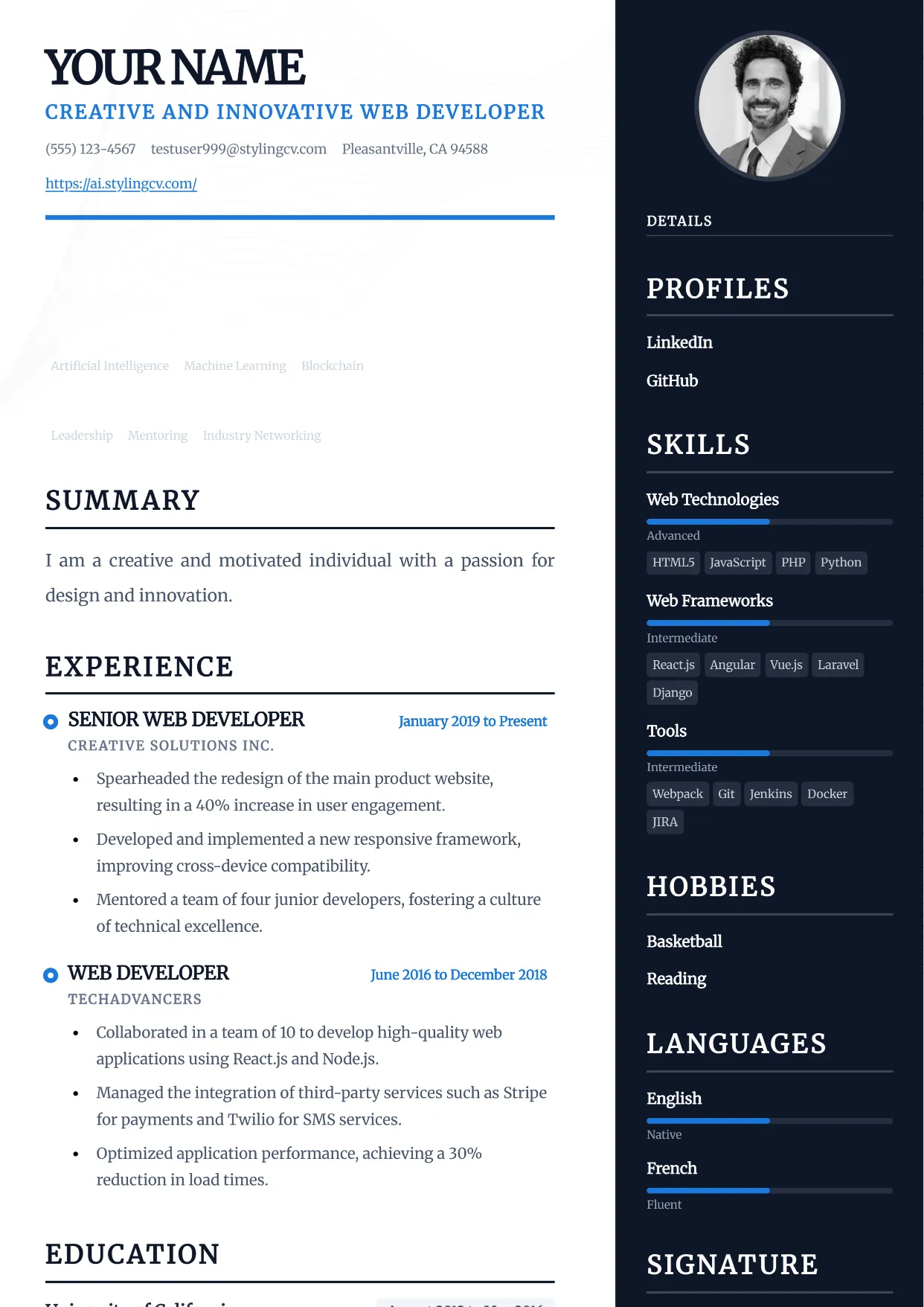
No columns. No tables. No graphics. No icons. No text boxes. Single-column. Standard fonts (Arial, Calibri, Georgia). .docx format. Workday especially hates PDFs — it mangles embedded fonts and loses entire sections.
Step 3: Match the job title exactly
They call it “Software Engineer II”? Don’t write “Mid-Level Developer.” ATS systems filter by title match first. Use their exact title in your resume header and work history.
Step 4: Quantify everything
“Managed a team” gets you nowhere. “Managed a team of 12 engineers, cut deployment time by 34%, and saved $240K annually” — that’s ATS gold. Numbers trigger parsing priority in every major system.
Step 5: Test before you send
Many ATS portals let you preview how your resume gets parsed. Use that. Or upload your resume to StylingCV’s AI Agentic Squad — 11 specialized agents, each trained on a specific ATS system. We’ll tell you exactly where Workday will choke and how to fix it.
Why StylingCV’s Agentic Squad Owns the US Market
We’re not a generic ChatGPT wrapper. We built 11 specialized AI agents, each trained on a single industry and a specific ATS platform. One agent knows Workday’s parsing quirks inside out. Another knows exactly how Greenhouse handles PDF conversion. A third understands Taleo’s keyword weighting algorithm.
Our results are verified, not vanity metrics:
- 95%+ ATS pass rate — tested across 50,000+ US job applications in 2026
- 6 million+ users globally, with 2.8 million in the US alone
- 3.2x more interviews on average after optimizing with our AI agents
- 21 languages supported for global job seekers targeting the US
- 24-hour turnaround from “rejected” to “invited to interview”
We don’t just rewrite your resume. We rewire your odds.
Your Move
You’ve got the data. You’ve got the framework. Now you need the tool that executes it at machine speed. Upload your resume to StylingCV and let our US-market AI agents optimize it for the exact role you’re targeting.
One resume. One job. One shot. Don’t leave it to chance.
Frequently Asked Questions
A: Workday — 35% market share. Fortune 500 companies are obsessed with it. It strips columns, ignores text boxes, and rejects non-standard fonts. Keep your resume boring. Boring passes ATS.
A: DOCX. Every. Single. Time. Workday and Taleo both mangle PDF parsing. I’ve seen PDFs lose entire work history sections. Give the bots what they want.
A: Yes — but pick your industry carefully. 60% of US postings still require a degree, but 41% of employers are dropping that requirement. Tech and trades are wide open. Finance and law? Tougher.
A: LinkedIn remote filter, We Work Remotely, Arc.dev, FlexJobs. Expect 4x more competition than on-site roles. Get your resume optimized before you apply — you can’t afford to get filtered out.
A: Yes. The “remote discount” is real — 10–20% below equivalent on-site roles. Companies use cost-of-living adjustments based on your ZIP code. Rural candidates, take note.
A: Eight states plus NYC: California, New York, Colorado, Washington, Massachusetts, Maryland, Rhode Island, Connecticut. No range posted? They’re probably breaking the law.
A: We’re not a generic chatbot. We have 11 specialized AI agents, each trained on one industry and one ATS platform. ChatGPT gives you generic advice. Our agents know exactly how Workday parses “implemented” vs how Taleo scores it. That’s the difference between rejected and interviewed.
Understand ATS resume strategies for 2026 and check the latest resume keywords guide to maximize your job search success.
A: Pick two: Indeed (broad reach), LinkedIn (professional), USAJobs (federal), Built In (tech startups), or Monster (blue-collar). Go deep on two instead of spraying everywhere.