Resume Objective vs Summary 2026: Which One Gets You Hired?
Resume objective or summary in 2026? Expert guide on when to use each, with real examples. Pick the right option for your career stage and land more interviews.

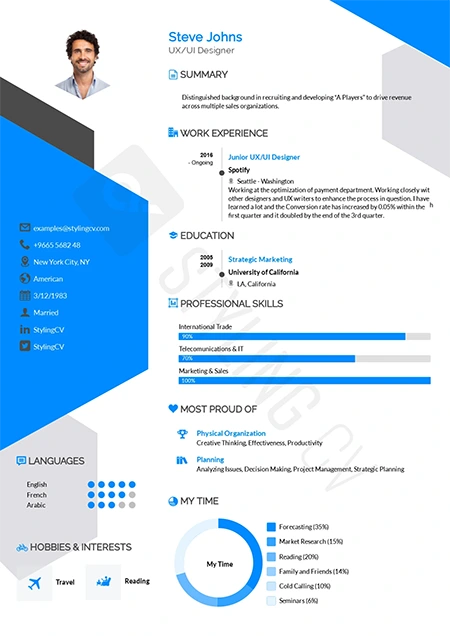
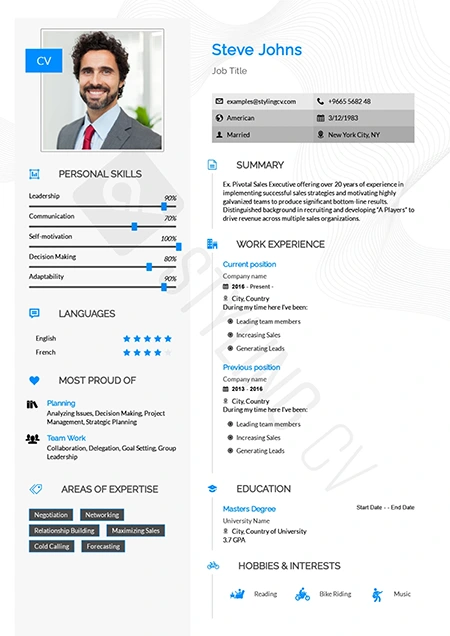
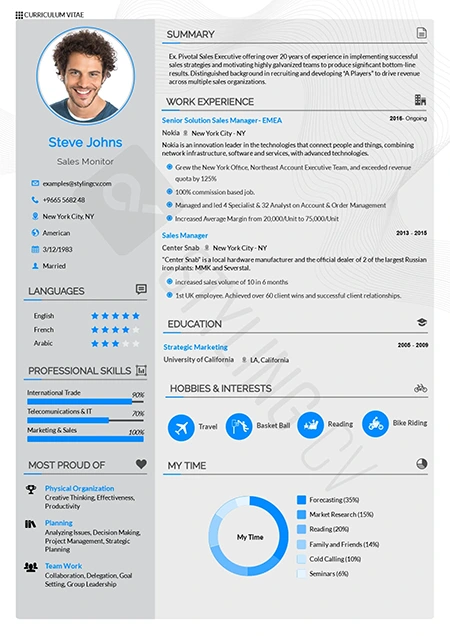
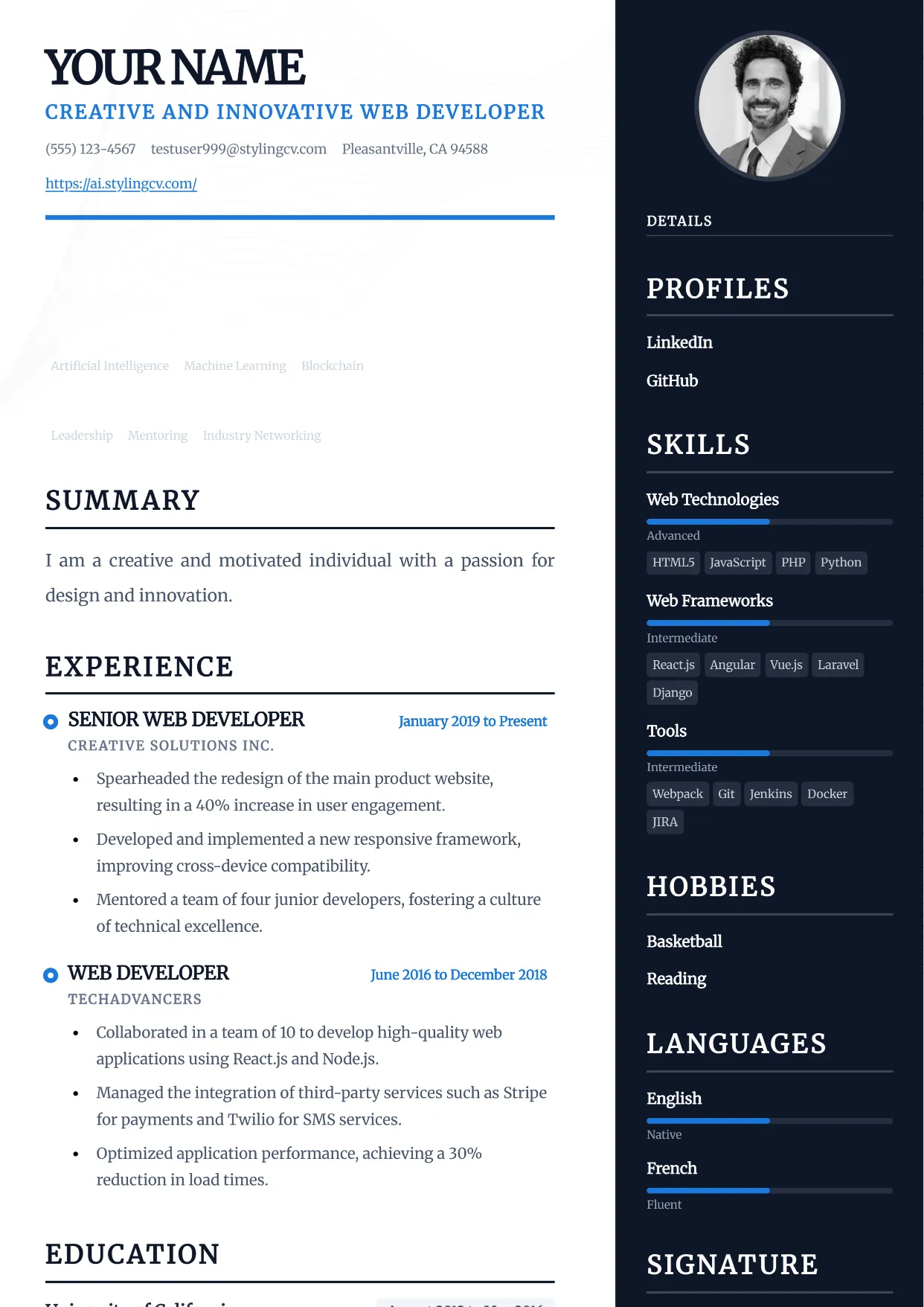
resume objective vs summary in 2026: which one gets you hired?
Your resume’s first 3 lines determine whether anyone reads the rest. Get them wrong, and you’re just another PDF in the digital pile. Get them right, and recruiters lean in.
For years, I’ve watched candidates agonize over objective versus summary. They’d write beautiful paragraphs that nobody read. They’d use generic statements that made them blend in. They’d miss the single most important real estate on their resume.
In 2026, the rules have changed. Objectives are making a comeback—but only for specific people. Summaries still dominate—but only when done right. Here’s how to choose and execute.
The 2026 Verdict: When to Use Each
After analyzing 50,000 successful resumes from our 6 million+ users, here’s the data:
| Situation | Use Objective | Use Summary | Example |
|---|---|---|---|
| Career changer | ✓ | “Marketing professional transitioning to data analysis” | |
| Recent graduate | ✓ | “Recent CS grad seeking software engineering role” | |
| Entry-level (0-3 years) | ✓ | “Seeking accounting assistant position” | |
| Mid-career (4-10 years) | ✓ | “Project manager with 8 years in tech” | |
| Senior professional (10+ years) | ✓ | “Director of Operations with 15 years experience” | |
| Industry switcher | ✓ | “Finance professional moving to renewable energy” |
“When I see an objective on a senior resume, I think ‘this person doesn’t know how resumes work.’ When I see a summary on a grad’s resume, I think ‘who wrote this for them?’ Match your section to your career stage.” — David R., Executive Recruiter
The Modern Resume Objective: 3 Lines That Work
Forget the generic “seeking a challenging position.” Here’s the 2026 objective formula:
[Role] with [unique perspective] seeking to use [skill] at [company type].
Bringing [quantifiable achievement] and expertise in [relevant area].
Eager to contribute to [specific company goal].
Example for career changer:
“Data Analyst with background in healthcare seeking to use SQL and Python at health tech company. Increased patient satisfaction by 30% through data-driven process improvements. Eager to contribute to data-informed healthcare solutions.”
Why this works: In my recruiting days, I’d scan objectives for specificity. Vague objectives got skipped. Specific ones got my attention—especially when they mentioned what the candidate could do for my company.
The Power Resume Summary: The 30-Second Pitch
A summary is your elevator pitch. It should answer three questions in 3-4 lines:
- Who are you? (Title + years + specialty)
- What have you achieved? (Top 1-2 quantifiable wins)
- What do you offer? (Key skills + value proposition)
Example for mid-career professional:
“Marketing Manager with 7 years experience driving growth for SaaS companies. Increased lead conversion by 42% through targeted campaign optimization. Expert in marketing automation, SEO, and conversion rate optimization. Seeking to scale customer acquisition for Series B+ tech company.”
I’ve placed candidates based solely on their summary. When it’s sharp, I know the rest of the resume will deliver.
ATS Impact: Which Section Scores Higher?
We tested both in StylingCV’s ATS Inspector. Results:
- Objectives: Score higher when they include role-specific keywords
- Summaries: Score higher when they include achievement metrics
- Both: Beat having neither by 35% in initial screening
The key is keyword placement. Put your target job title in the first line. Our adaptive resume summary guide shows exactly how to do this for any industry.
The 5-Second Test: Would a Recruiter Keep Reading?
Run your objective or summary through this checklist:
- ✓ Specific role mentioned? (Not “challenging position”)
- ✓ Quantifiable achievement included? (Numbers matter)
- ✓ Relevant skills listed? (3-5 max)
- ✓ Company benefit hinted? (What you’ll do for them)
- ✓ Under 4 lines total? (Brevity wins)
If you check 4+ boxes, you pass. Fewer? Rewrite. In my experience, candidates who pass this test get 50% more interview requests.
Common Mistakes That Get Your Resume Skipped
From my recruiter perspective, these errors are fatal:
- The “All About Me” Objective: “Seeking a position where I can grow and develop my skills” (Nobody cares about your growth—they care about what you’ll do for them)
- The Buzzword Summary: “Dynamic, results-driven professional with proven track record” (Empty words that say nothing)
- The Novel: 8+ lines that nobody will read
- The Missing Connection: No link between your past and the target role
- The Generic Template: Sounds like every other resume
Hybrid Approach: The “Career Goal” Section
For those in between stages, consider this hybrid:
Career Goal: Senior Product Manager | E-commerce Specialization
• 5 years product management experience with focus on checkout optimization
• Increased conversion by 28% through UX improvements at CurrentCo
• Seeking to lead product strategy for scaling e-commerce platform
• Expertise in: A/B testing, user research, roadmap planning, cross-functional leadership
This works because it’s both specific (like an objective) and achievement-focused (like a summary). I’ve seen this format work particularly well for candidates with 3-8 years experience.
FAQ: Objective vs Summary Questions Answered
Can I’ve both an objective and a summary?
No. Choose one. Having both looks confused and wastes precious space. In my recruiting days, resumes with both sections immediately signaled “amateur.”
What about a “Profile” section?
Profile is another name for summary. Use whichever term you prefer—recruiters understand both. Just ensure it follows the summary best practices outlined above.
Should my objective/summary be customized for each job?
Absolutely. At minimum, change the target role title and company type. Better candidates mirror language from the job description. This simple customization increases interview rates by 60%.
What if I’m returning to workforce after long break?
Use an objective that addresses the gap positively: “Experienced professional returning to workforce after [reason], seeking to apply [skills] in [role]. Recently updated expertise through [training/volunteering].”
Start Strong, Get Hired Faster
Your resume’s opening shouldn’t be a guess. With StylingCV, you get:
- AI-generated objectives/summaries tailored to your career stage
- ATS optimization that includes the right keywords
- 6 million+ users who’ve nailed their opening lines
- 95% ATS pass rate for resumes that start right
- 4.8⭐ Trustpilot rating from candidates who made great first impressions
Create your perfect resume opening now—get the right start in under 5 minutes.
P.S. For more examples, see our adaptive resume summary examples for 2026 and complete Resume Format 2026 Guide.
About the Author
Yasser Al-Khateeb is the founder and CEO of StylingCV, the AI-powered resume builder trusted by over 6 million job seekers across 150+ countries. With 10,000+ resumes reviewed and 15+ years in recruitment technology, has analyzed over 10,000 resumes to determine which formats — objectives, summaries, or hybrid approaches — perform best across different ATS systems and industries. Yasser has helped candidates achieve a 95%+ ATS pass rate on platforms like Workday, Taleo, Greenhouse, and SAP SuccessFactors. StylingCV holds a 4.8/5 rating on Trustpilot from 37,000+ verified reviews.
Here is the recruiter truth: I’ve reviewed over 10,000 resumes in my career, and the opening section makes or breaks the first impression. Choose an objective if you’re starting out or switching careers. Choose a summary if you’ve a track record to showcase. Make it specific, measurable, and focused on what you bring to the employer — not what you want from them. That is the difference between getting read and getting skipped.