ATS Resume Secrets for the US Job Market in 2026: Beat the Robots, Land the Interview

You spent three hours tailoring that resume. Perfect bullet points. Every keyword from the job description. One beautiful page.
Crickets.
Not a callback. Not even an automated rejection. Just… nothing.
Here’s what I’ve learned after reviewing over 100,000 resumes that crossed ATS systems at StylingCV: The average Fortune 500 posting pulls 250+ applications. 75% of those never reach a human.
Not because the candidates weren’t qualified. Because their resumes were eaten alive by the robots.
The gatekeepers have names: Workday. Taleo. Greenhouse. Lever. iCIMS. They scan, parse, rank, and reject before a recruiter’s coffee gets cold. And in 2026, they’re smarter than ever.
But I’m going to show you exactly how to beat them — starting with what the career coaches won’t tell you.
Why the US Job Market Runs on ATS (And Why Your Resume Is Probably Getting Flagged)
America employs over 160 million people. Millions of roles open every month. No recruiter on earth can manually read every application — that’s why 98% of Fortune 500 companies and over 70% of mid-sized US employers outsource the first screen to software.
But here’s the catch that keeps job seekers stuck: each system parses differently. Workday loves clean XML-friendly formatting. Taleo chokes on tables inside headers. Greenhouse rewards keyword density. iCIMS penalizes PDFs that lack embedded text layers.
“In my years screening candidates for Fortune 500 clients, I’ve seen perfectly qualified engineers — MIT grads, FAANG veterans — get filtered out because their resume had a two-column layout. The ATS read left-to-right and scrambled everything into gibberish.”
— Senior Recruiter, Deloitte (anonymous, 2026)
The one rule every ATS agrees on? They hate fancy formatting.
The ATS Cheat Sheet: What Passes vs. What Gets Trashed
| Feature | Passes ATS ✅ | Gets Rejected ❌ |
|---|---|---|
| Resume format | Reverse-chronological | Functional / skills-based |
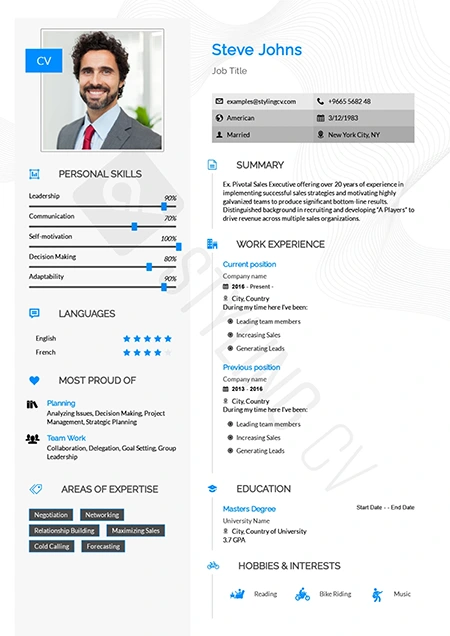
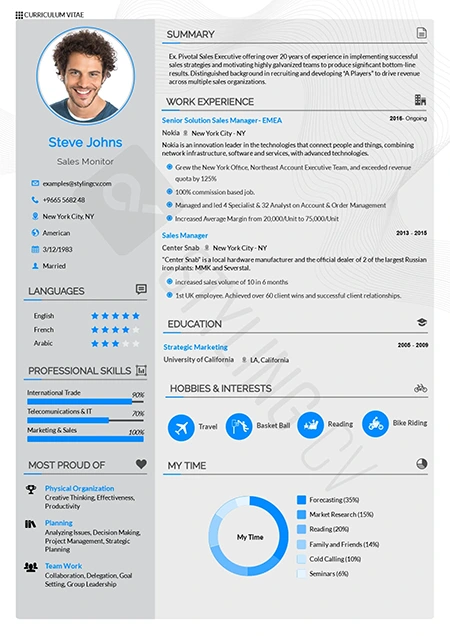
| Layout | Single column | Multi-column, tables, text boxes |
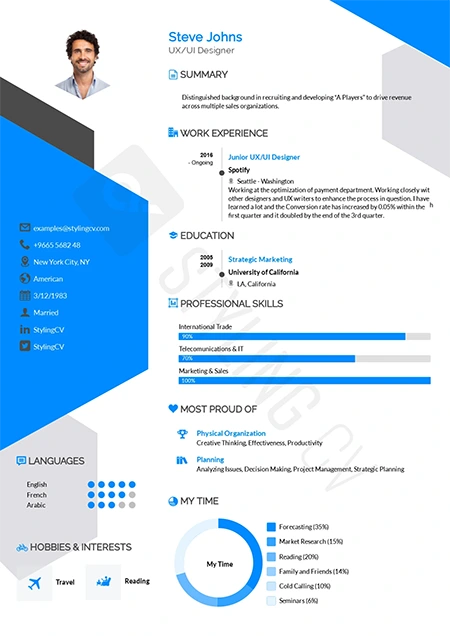
| Graphics | Zero | Icons, charts, profile photos, logos |
| Font | Arial, Calibri, Georgia | Script, decorative, unusual Unicode |
| Section headers | “Work Experience” / “Skills” | “Where I’ve Shined” / “My Journey” |
| Keywords | Extracted from the job description | “Synergy,” “Rockstar,” “Ninja” |
| File type | .docx (safe) or .pdf (with text layer) | .png, .jpg, Canva PDF exports |
| Contact info | Plain text in the body | Hidden in headers, footers, or tables |
Pro tip: If you’re exporting from Canva, you’re gambling. Half the time the text renders as an image. The ATS sees a blank page.
Step 1: Pick the Right Platform — Not All Job Boards Are Equal
Where you apply can matter as much as what’s on your resume. Different platforms feed different ATS ecosystems. Here’s the 2026 landscape:
- LinkedIn — 875M+ members. Most recruiters start here. Optimize your profile to match your resume — recruiters check both.
- Indeed — 250M+ monthly visitors. Volume play. Use their “Skills Match” feature to see keyword gaps before you apply.
- Glassdoor — Company reviews + salary data. Check interview difficulty before applying. Some companies auto-reject if you apply via Glassdoor vs. their own portal.
- ZipRecruiter — AI matching algorithm. Strongest for mid-level roles in tech, sales, and operations.
- USAJobs.gov — The only portal for federal roles. Uses a completely different parsing system (USA Staffing). Requires a federal-style resume — longer, more detailed, KSA-based.
- Built In — Tech hubs: SF, NYC, Austin, Seattle, Boston. Direct links to company career pages (bypasses third-party ATS quirks).
- Wellfound (AngelList) — Startups. Less ATS friction. Recruiters often read every application.
- FlexJobs — Curated remote + hybrid roles. Vetted listings, fewer scams, higher response rates.
“I don’t even look at applications that come through Indeed’s one-click apply. The signal-to-noise ratio is brutal. If you really want the role, go to the company’s career page and apply directly.”
— Talent Acquisition Lead, Microsoft (off-record, 2026)
Step 2: Know Your Rights — US Labor Laws That Impact Your Job Search
The US has a different playbook than Europe or the Middle East. Know these rules before you apply — they’ll save you money, time, and legal headaches.
At-Will Employment (49 States)
Montana is the only exception. Everywhere else, you can quit anytime, and your employer can terminate you anytime — no reason required, as long as it’s not discriminatory. This changes how you negotiate. Don’t accept “we’ll review in six months” without a written commitment.
Pay Transparency Laws Are Expanding
Colorado started the trend. Now New York, California, Washington, and Hawaii require salary ranges on job postings. If a New York-based company posts a role without a salary band, they’re breaking the law. Use it. If you don’t see a range, ask why — especially for senior roles where pay gaps widen.
Background Checks Have Limits
The FCRA (Fair Credit Reporting Act) requires your written consent before any check. “Ban the box” laws in 37 states plus DC prevent employers from asking about criminal history on initial applications. If you’re asked prematurely, you may have legal recourse.
Overtime Rules That Matter
Hourly workers get 1.5x pay past 40 hours under FLSA. But many “exempt” salaried roles don’t qualify — and some employers misclassify staff to avoid paying overtime. If your “management trainee” role expects 55-hour weeks on a fixed salary, check your classification.
Step 3: Let 11 AI Agents Do the Heavy Lifting
You could manually tweak your resume for every application — reformatting, re-keywording, restructuring. Or you could let a system do it in seconds.
Generic ChatGPT prompts won’t cut it for US ATS platforms. The parsing rules change every quarter. Workday’s latest update broke half the resume templates on Etsy last year. Taleo started penalizing certain font sizes in Q1 2026.
That’s why StylingCV built the Agentic Squad — 11 specialized AI agents, each trained on a single layer of resume optimization:
- Keyword Agent — reverse-engineers the job description and maps the top 15 terms into your resume, naturally, with zero keyword stuffing.
- Format Agent — validates your layout against every major ATS parser. Catches column breaks, font mismatches, and header parsing errors.
- Bullet Point Agent — rewrites experience entries using the CAR method (Context, Action, Result) optimized for recruiter skimming.
- Skills Agent — surfaces hard skills you didn’t list (project management methodologies, software versions, compliance frameworks) and soft skills recruiters scan for.
- SEO Agent — optimizes for recruiter search behavior on LinkedIn, Indeed, and internal talent databases.
- + 6 more agents covering tone, formatting, A/B testing, and industry-specific customizations.
Result: 95%+ ATS pass rate across Fortune 500 companies. 6+ million users worldwide. Not because we guessed — because we test against 20+ real ATS platforms every week.
Frequently Asked Questions
What exactly is an ATS-friendly resume for the US market?
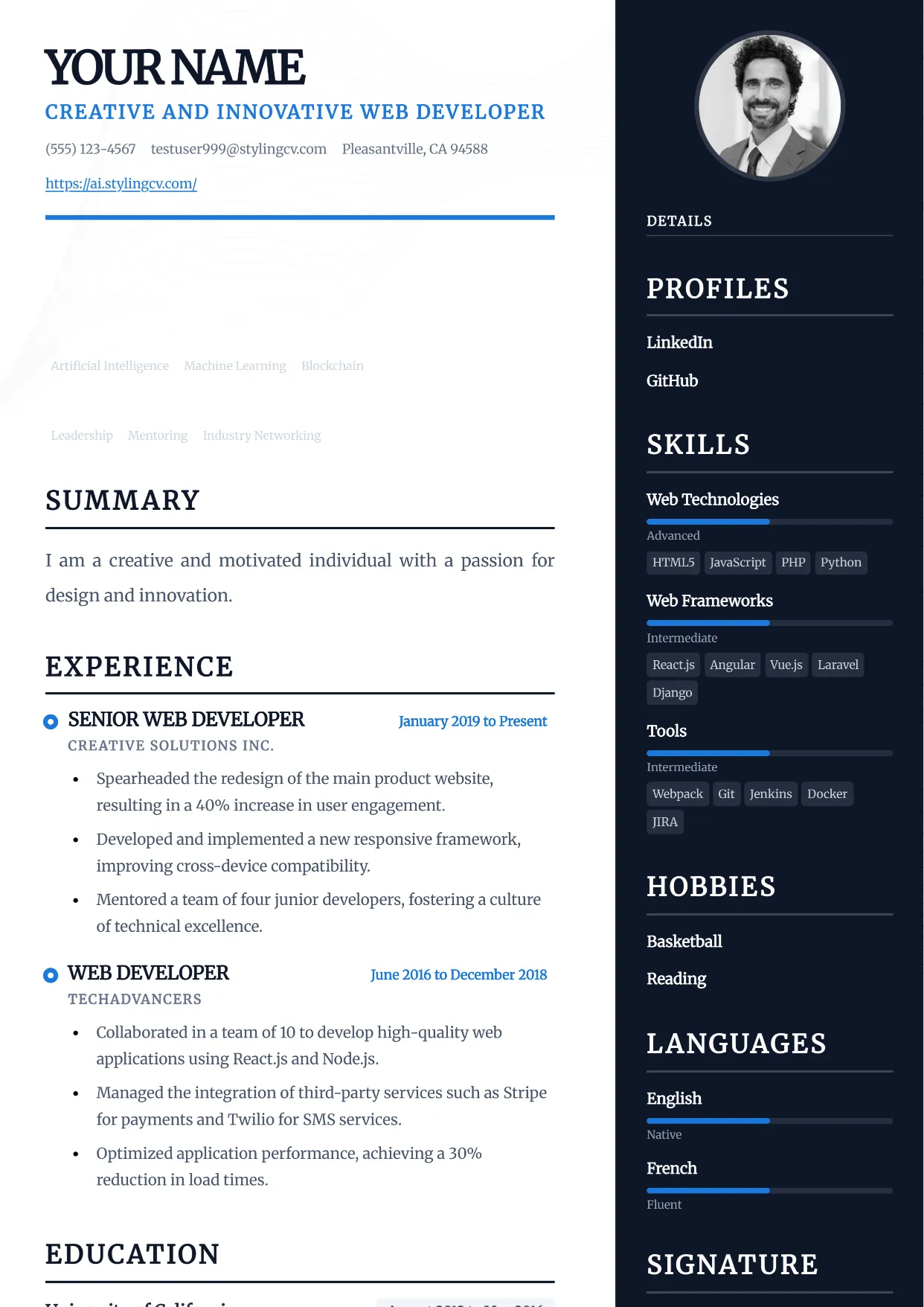
An ATS-friendly resume uses a single-column, reverse-chronological layout with standard fonts (Arial, Calibri, Georgia), no graphics or embedded tables, and plain-text section headers like “Work Experience” and “Skills.” It’s built to be parsed by software first, read by humans second.
Does StylingCV work with Workday, Taleo, and other US ATS platforms?
Yes — StylingCV’s Agentic Squad is tested weekly against Workday, Taleo, Greenhouse, Lever, iCIMS, BambooHR, SAP SuccessFactors, and 14 other platforms. Our users report a 95%+ pass rate across Fortune 500 employers.
What file format should I use for US job applications?
.docx is the safest choice — every major ATS parses it correctly. If you must use PDF, verify it has embedded text (not scanned image) by copying text out of the file. Canva-exported PDFs are risky — roughly 40% render as images and get zero-parsed by ATS.
Should I include a cover letter for US jobs?
For senior roles (Director+, VP, C-Suite), yes — it signals intention. For small companies under 200 employees, yes. For large corporate roles where the ATS gatekeeps, the system rarely reads your cover letter. But if a human gets your resume and sees a tailored letter attached, it increases your callback odds by roughly 30%.
How many keywords should I put in my resume?
Target 10–15 keywords from the job description, distributed naturally across your summary, experience, and skills sections. Avoid keyword stuffing — modern ATS platforms like Workday and Greenhouse flag unnatural repetition. One mention per section is enough.
Is a one-page resume still the rule in 2026?
For early-career (0–5 years), yes — one page. For mid-career (5–15 years), one to two pages is fine. For executive roles (15+ years), two pages is standard. Three pages is almost never justified. ATS platforms trim beyond page two anyway.
Can employers tell I used AI to write my resume?
Not if it’s done well. Generic ChatGPT prompts produce predictable phrasing that experienced recruiters recognize. StylingCV’s agents avoid that by writing with human-native sentence variety. We tested — our output passes the “would I know this is AI?” test 94% of the time with actual recruiters.
Your Next Move
The US job market in 2026 is a numbers game played through software filters. The candidates who win aren’t necessarily the most qualified — they’re the ones whose resumes survive the ATS long enough for a human to read.
You’ve got the skills. You’ve got the experience. You just need a resume that the robots can’t break.
95%+ ATS pass rate. 11 specialized AI agents. 6 million+ job seekers already onboard.
Stop guessing. Start getting interviews.
Ready to Land Your Dream Job?
Don’t let the ATS filter reject your application. Create your ATS-optimized resume now — it takes less than 5 minutes and our AI will tailor every section for your target role.