Resume for Japan 2026: Complete Guide for Japanese Job Market
Resume for Japan 2026: Complete Guide for Japanese Job Market
Your Western resume will fail in Japan. The rules are different. The expectations are different. Even the paper size is different.
As a hiring consultant for Japanese‑GCC joint ventures and a former recruiter for Tokyo‑based firms, I’ve seen brilliant candidates rejected because their resumes broke unspoken cultural codes. Japan’s job market isn’t just about skills. It’s about fit, formality, and foresight.
According to the Japan External Trade Organization (JETRO) 2026 report, foreign hiring is at a record high—but 70% of applications fail at the resume stage due to formatting and cultural missteps.
Insider secret:
Japanese HR managers spend an average of 90 seconds on a resume (rirekisho). They’re not just reading content. They’re scanning for cultural cues: humility, group harmony, lifetime learning.
Western Resume vs. Japanese Rirekisho
This table shows the non‑negotiable differences:
| Western Resume (Gets Discarded) | Japanese Rirekisho (Gets Interview) |
|---|---|
| Self‑promoting – “Top performer,” “Award‑winning” | Humble tone – “Contributed to team success,” “Learned from seniors” |
| Chronological gaps okay – “Travel year” | No gaps allowed – Every month must be accounted for |
| A4 paper (210×297mm) | B4 or A3 paper – Often handwritten for traditional roles |
| Skills at top – Highlights capabilities | Education at top – University prestige matters immensely |
| Photo optional | Photo mandatory – Business suit, white background |
The 4‑Step Japan‑Ready Resume Builder
Upload your Western resume
StylingCV’s Market Scout agent scans Japanese job boards (Wantedly, Rikunabi, Daijob) to identify which of your international experience aligns with Japan’s “shūshoku katsudō” (job‑hunting) season.
Choose “Japan” mode
The ATS Inspector tailors your resume to the algorithms used by Japanese HR software (like HR Bank and Jinzai Bank), which prioritize format compliance over keyword density.
Let the agents work
Our Interrogator agent asks you Japan‑specific questions: “What is your ‘ikigai’ in this role?” “How do you practice ‘omotenashi’ (hospitality)?” Your answers become culturally attuned bullet points.
Download a rirekisho‑ready CV
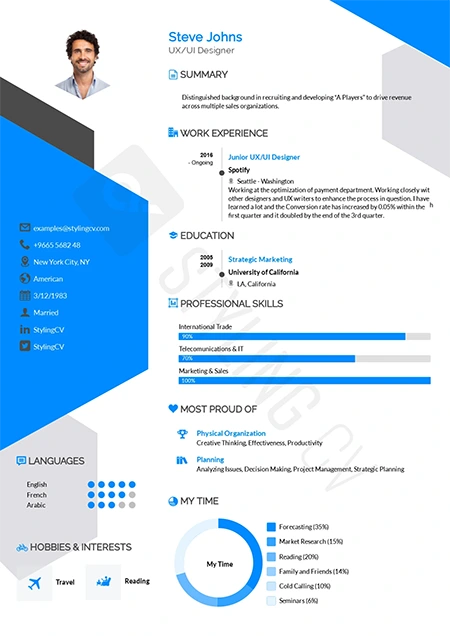
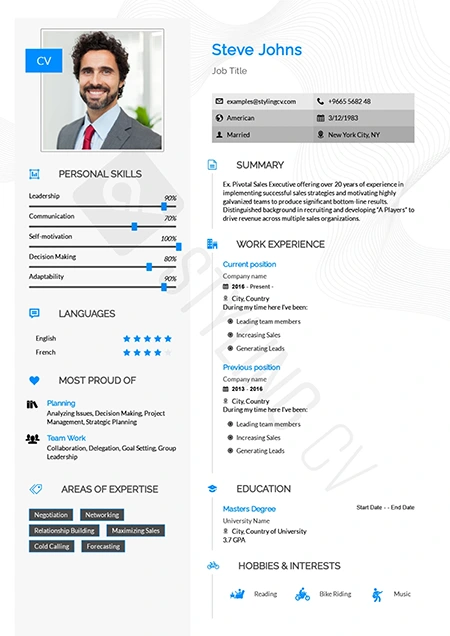
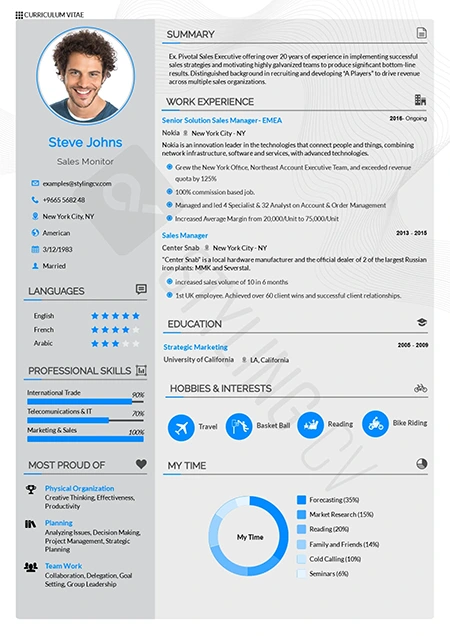
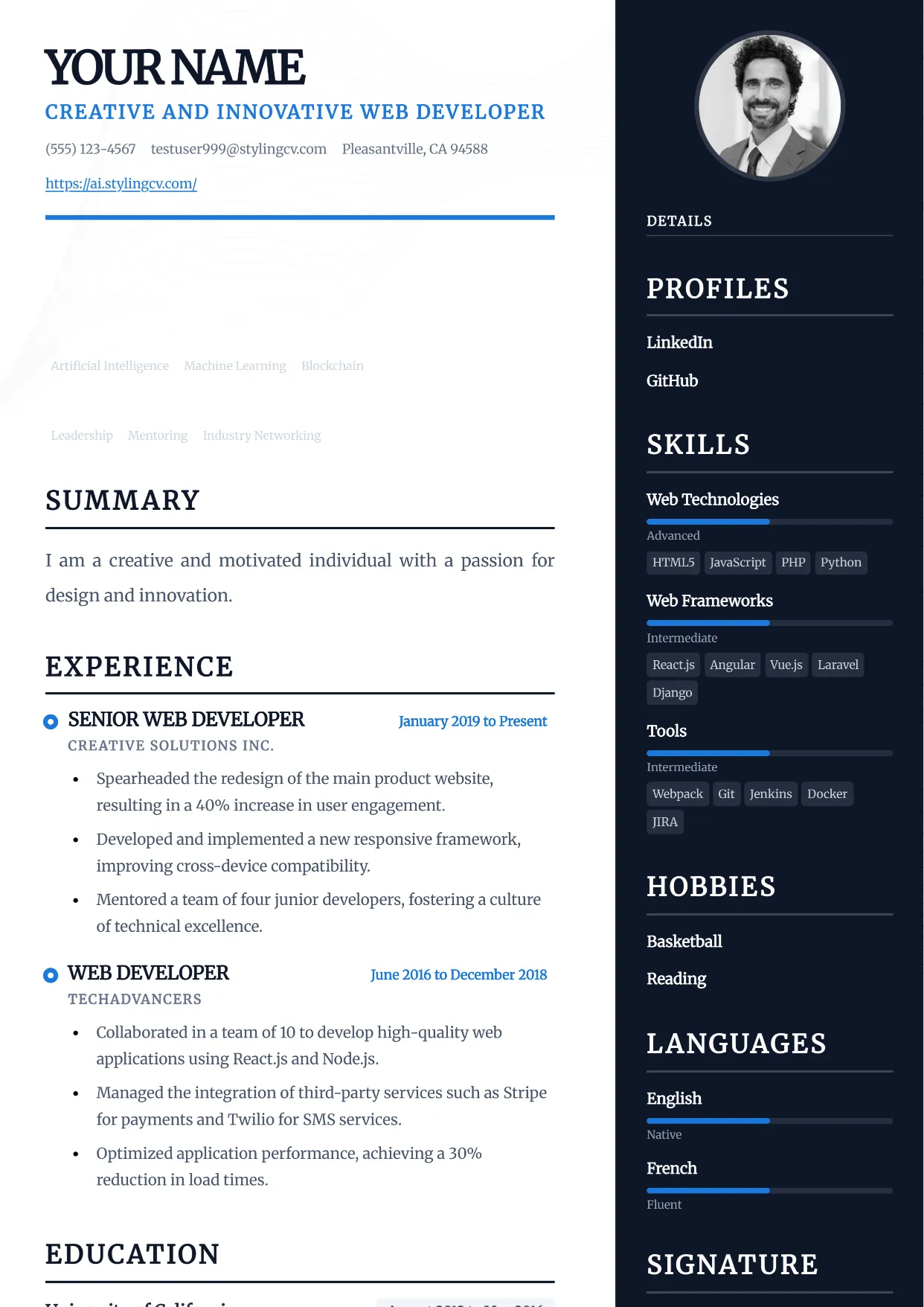
You get a resume formatted to Japanese B4 standards, with mandatory photo space, humble language, and education‑first structure—exactly what Tokyo recruiters expect.
Internal Links to Global Resume Guides
For more country‑specific strategies, explore these resources:
- International Resume Format Guide 2026 – Compare formats across 20+ countries.
- Resume for Singapore 2026 – ASEAN job market tactics.
- Resume for Germany 2026 – Euro‑style Lebenslauf guide.
Build Your Japan‑Ready Resume Free
StylingCV’s 11‑agent AI squad localizes your resume for the Japanese job market in minutes. 95% ATS pass rate. 6M+ users. 4.8⭐ on Trustpilot.
No credit card. GDPR compliant. Japanese & English support.
FAQ: Japanese Job Market 2026
Q: Do I really need a photo on my Japanese resume?
A> Yes. For 95% of traditional Japanese companies, a professional photo (business suit, neutral expression, white background) is mandatory. Exceptions: some tech startups and foreign‑affiliated firms.
Q> How do I explain gaps in my employment history?
A> You don’t. Japanese resumes require continuous chronology. If you have a gap, label it as “self‑study,” “family reasons,” or “preparation for career change.” Never leave months unaccounted for.
Q> Is it true that Japanese resumes must be handwritten?
A> For traditional roles (finance, government, large keiretsu), handwritten rirekisho are still preferred—they show effort and sincerity. For modern industries (IT, startups), digital is acceptable. When in doubt, ask the company.