Work Experience Section on Resume: Complete 2026 Guide
Work Experience Section on Resume: Complete 2026 Guide
87% of hiring managers consider a strong work section crucial for resume success.
Mastering your work experience section on resume is essential for standing out in today’s competitive job market. This comprehensive guide provides proven strategies, expert tips, and actionable examples to help you create a compelling work experience section on resume that captures attention and secures interviews.
Why Your Work Experience Section on Resume Matters
Your work experience section on resume is often the first section hiring managers review. It provides critical insights into your professional background, achievements, and potential value to their organization. A well-crafted work experience section on resume demonstrates not just what you’ve done, but how you’ve contributed to organizational success.
Key Components of an Effective Work Experience Section on Resume
1. Clear Structure and Organization
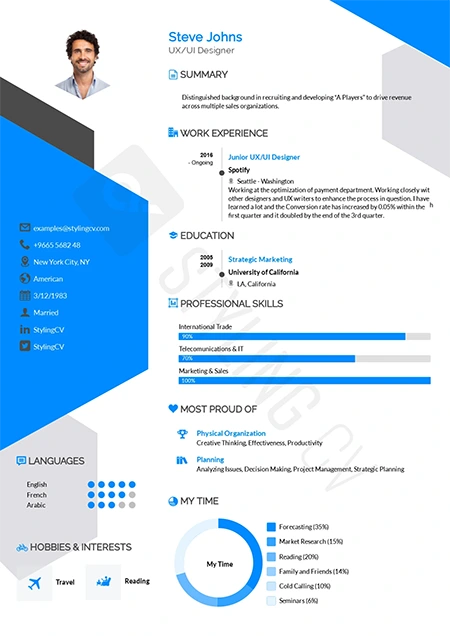
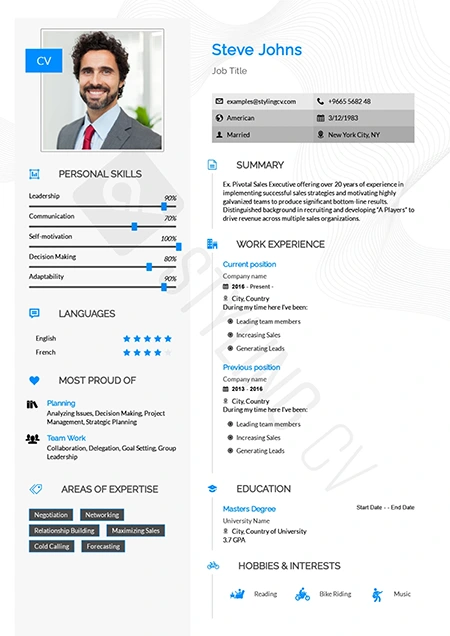
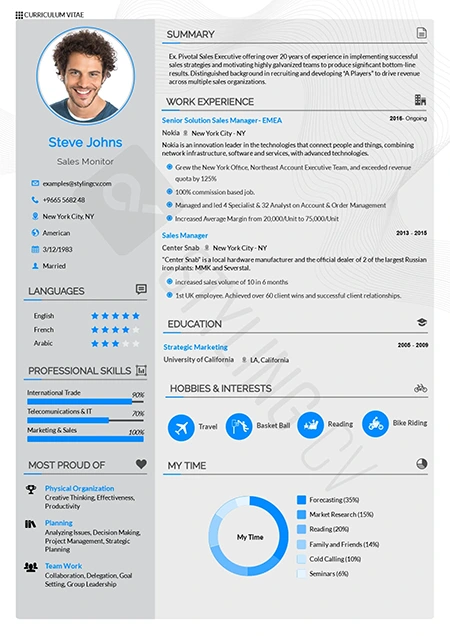
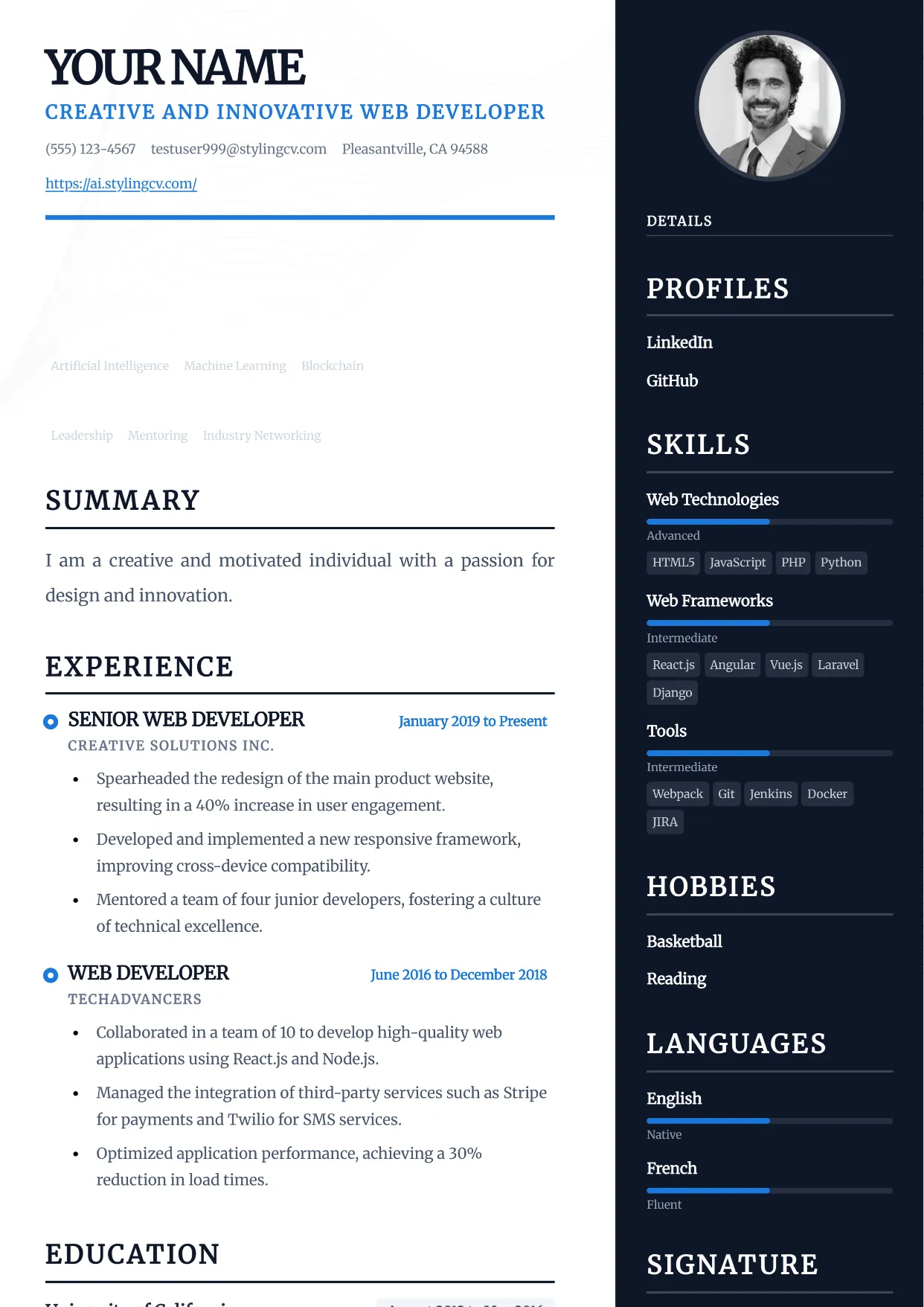
Organize your work experience section on resume logically, typically in reverse chronological order (most recent experience first). Each entry should include:
- Job title and company name with employment dates
- Company location (city, state)
- Key responsibilities and achievements in bullet points
- Quantifiable results wherever possible — learn how to quantify resume achievements effectively
2. Achievement-Oriented Language
Focus on accomplishments rather than duties. Use action verbs and quantify your impact:
- Instead of “Responsible for sales,” write “Increased sales by 27% in Q3 2025”
- Instead of “Managed a team,” write “Led a 12-person team that delivered projects 15% under budget”
- Instead of “Handled customer service,” write “Improved customer satisfaction scores from 78% to 94%”
3. Relevance to Target Position
Tailor your work experience section on resume to each specific job application. Highlight experiences and skills most relevant to the position you’re seeking.
Step-by-Step Work Experience Section on Resume Creation Process
- Collect details from all relevant positions—job titles, companies, dates, responsibilities, achievements, and metrics.
- Study descriptions for your target roles to identify key requirements and keywords.
- Write bullet points for each position, focusing on achievements and using action verbs.
- Add numbers, percentages, and dollar amounts to demonstrate your value.
- Ensure consistency in formatting, eliminate jargon, and proofread carefully.
Common Work Experience Section on Resume Mistakes to Avoid
Even experienced professionals make these errors in their work experience section on resume:
- Listing duties instead of achievements: Focus on what you accomplished, not just what you were responsible for.
- Using passive language: Start bullet points with strong action verbs (Managed, Developed, Implemented, etc.).
- Including irrelevant information: Tailor your work experience section on resume to the specific job you’re applying for.
- Being too vague: Provide specific details and quantifiable results.
- Formatting inconsistencies: Maintain consistent formatting throughout your work experience section on resume.
How StylingCV Helps You Create an Outstanding Work Experience Section on Resume
At StylingCV, we provide advanced tools to help you build a compelling work experience section on resume:
- AI-Powered Content Suggestions: Get intelligent recommendations for phrasing and quantifying your achievements.
- Industry-Specific Templates: Access templates tailored to your field with appropriate terminology and formatting.
- Keyword Optimization: Ensure your work experience section on resume includes relevant keywords that pass through applicant tracking systems.
- Real-Time Feedback: Receive suggestions for improvement as you write your work experience section on resume.
Join over 6 million professionals who trust StylingCV to advance their careers. Our platform has earned a 4.8⭐ Trustpilot rating for delivering exceptional value and results.
Ready to Create a Winning Resume?
Use StylingCV’s AI-powered builder to create a professional resume with an optimized Work Experience Section on Resume section.
No credit card required • 14-day free trial • Cancel anytime
Frequently Asked Questions (FAQ)
How far back should I go in my work experience section on resume?
Generally, include the last 10-15 years of relevant experience. For earlier positions, summarize briefly or omit if not relevant to your current career goals. The exception is if earlier experience is particularly impressive or directly relevant to the target position.
How many bullet points should I include for each position in my work experience section on resume?
Aim for 3-5 bullet points per position. For more recent or relevant roles, you might include up to 6-7 bullet points. For older or less relevant positions, 1-2 bullet points may suffice. Focus on quality over quantity—each bullet point should highlight a significant achievement.
Should I include internships in my work experience section on resume?
Yes, especially if you’re early in your career or changing fields. List internships just like regular positions, with bullet points highlighting your responsibilities and achievements. For more experienced professionals, you might omit internships unless they’re particularly impressive or relevant.
How do I handle employment gaps in my work experience section on resume?
Be honest but strategic. List the dates of employment accurately. If you have a gap, consider adding a brief explanation if it was for a positive reason (education, caregiving, travel, skill development). For detailed strategies, see our guide on how to explain employment gaps on your resume. Alternatively, you can use years rather than months for employment dates to minimize the appearance of gaps.
Can I use the same work experience section on resume for every job application?
While you can have a master work experience section on resume, you should tailor it for each application. Highlight experiences and achievements most relevant to the specific position. Incorporate keywords from the job description to improve your chances of passing through applicant tracking systems.
Internal Links for Further Reading
Enhance your career preparation with these related resources:
- How to Negotiate Salary in an Interview – Master the art of salary negotiation to secure the compensation you deserve.
- Best Questions to Ask in a Job Interview – Learn what questions to ask to demonstrate your interest and intelligence.
- Thank You Email After Interview – Master post-interview communication with effective thank-you notes.
- Career Change Resume Examples – Transition successfully to a new industry with our resume templates.
- Resume vs CV: Key Differences – Understand which document is right for your situation.
Published: June 7, 2026
Last Updated: June 7, 2026
Author: StylingCV Career Experts
Trustpilot Rating: 4.8⭐ (Based on 37,389 reviews)