Skills-Based vs Chronological Resume: Which Format Wins in 2026?
Skills-Based vs Chronological Resume: Which Format Wins in 2026?
The debate has raged for decades: skills-based vs chronological resume — which format actually lands you more interviews? The answer in 2026 isn’t as simple as picking one column over another. Both formats have evolved, and the right choice depends on your career stage, industry norms, and the specific story your professional history tells.
In this guide, we break down each format’s strengths, weaknesses, and ideal use cases so you can decide with confidence.
What Is a Chronological Resume?
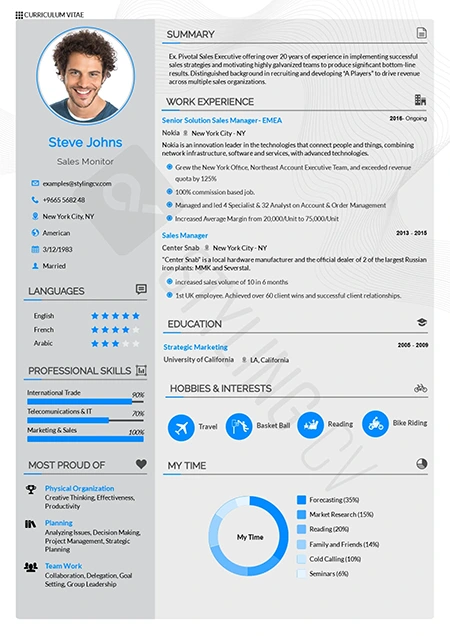
A chronological resume lists your work history in reverse-chronological order — starting with your most recent role and working backward. This is the traditional format recruiters know best. Each entry includes your job title, company name, dates of employment, and bullet-point accomplishments.
The chronological format is the default choice on most resume builders and the format applicant tracking systems (ATS) handle most reliably. Recruiters can quickly scan your career progression, tenure at each company, and promotion history.
This format works best when you have a steady work history with minimal gaps and clear career progression in a single field.
What Is a Skills-Based Resume?
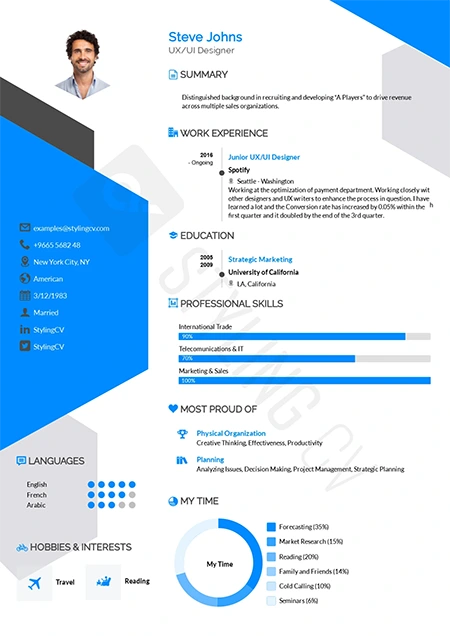
A skills-based (or functional) resume shifts the focus from where you worked to what you can do. Instead of leading with job titles and dates, it opens with skill categories and accomplishments grouped by competency.
For example, instead of listing “Marketing Manager at XYZ Corp (2019–2022),” a skills-based resume might lead with a section titled “Content Marketing Strategy” followed by achievements from multiple roles, freelance projects, and volunteer work that demonstrate that skill.
This format is a powerful tool for career changers, freelancers, military veterans transitioning to civilian roles, and anyone with employment gaps they’d rather not highlight upfront.
Pros and Cons of Each
Chronological Resume — Pros
- Recruiter-friendly: Most recruiters are trained to scan this format. Familiarity reduces friction.
- ATS-compatible: Applicant tracking systems parse chronological resumes with fewer errors than skills-based layouts.
- Clear progression: Promotions, increasing responsibility, and career growth are immediately visible.
- Industry standard: In conservative fields (finance, law, government), a chronological resume is expected.
Chronological Resume — Cons
- Exposes gaps: Employment gaps are front and center — hard to hide or explain.
- Reveals career switches: If you’ve changed industries, the mismatch is obvious.
- Less flexible: You can’t rearrange sections to emphasize strengths over dates.
- Over-emphasizes titles: If your job titles don’t reflect your actual responsibilities, this format misrepresents you.
Skills-Based Resume — Pros
- Hides gaps: Employment dates are de-emphasized, making gaps less visible.
- Highlights transferable skills: Perfect for career changers whose past job titles don’t match their target role.
- Flexible structure: You control what the recruiter sees first — skills, achievements, or certifications.
- Great for portfolios: Freelancers and creatives can showcase project-based work rather than employer names.
Skills-Based Resume — Cons
- ATS red flag: Some ATS software struggles to parse skills-based layouts. Key information may be lost.
- Recruiter skepticism: Many hiring managers view functional resumes as an attempt to hide something.
- Harder to gauge experience level: Without clear dates and titles, recruiters can’t easily assess seniority.
- Less common: In traditional industries, a skills-based resume may be rejected outright.
Which Format Is Right for You?
There is no universal winner in the skills-based vs chronological resume debate. The right format depends on your specific situation:
| Your Situation | Recommended Format |
|---|---|
| Steady career in one field, clear growth | Chronological |
| Career change or entering a new industry | Skills-Based |
| Employment gaps of 6+ months | Skills-Based |
| Applying to conservative/traditional companies | Chronological |
| Freelancer or multiportfolio professional | Skills-Based |
| Applying through an ATS-heavy process | Chronological |
| Military-to-civilian transition | Skills-Based |
| Applying to startups or creative agencies | Either — or Hybrid |
Still unsure? Use our free resume builder to experiment with both formats side by side. Many job seekers find that a tailored approach — different formats for different applications — produces the best results.
Hybrid Resume Format
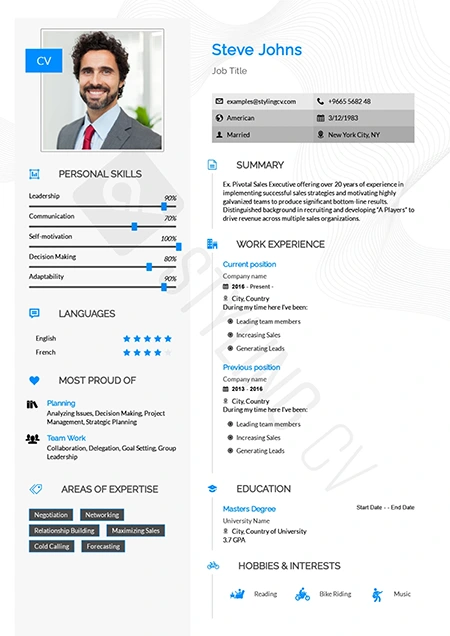
The hybrid (or combination) resume format blends the best of both worlds. It opens with a strong skills summary and key achievements section (borrowed from the skills-based approach), then follows with a chronological work history (borrowed from the traditional format).
This hybrid approach has gained serious traction in 2026 because it solves the biggest weakness of each format:
- It de-emphasizes gaps by putting skills first
- It satisfies ATS parsers by including a clear chronology
- It gives recruiters the career progression they expect
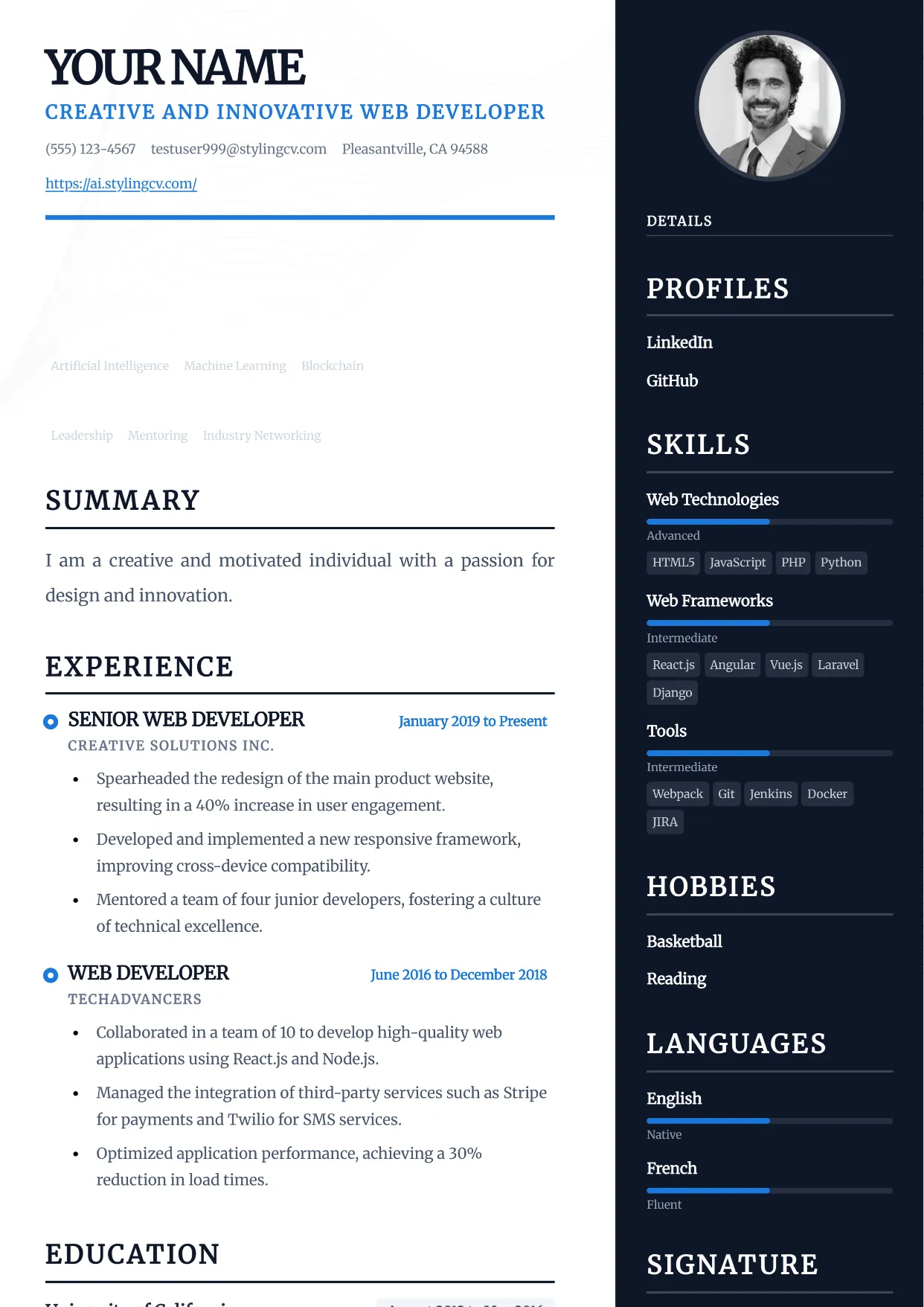
Many modern online resume templates now default to a hybrid layout. If you’re torn between skills-based vs chronological resume formats, the hybrid option is often the safest bet.
Frequently Asked Questions
1. Do recruiters prefer chronological or skills-based resumes?
Most recruiters prefer chronological resumes because they’re faster to scan and easier to compare candidates. However, 2026 trends show growing acceptance of hybrid resumes, especially in tech and creative fields. If you’re applying through LinkedIn Easy Apply or company career portals, a chronological format is safer.
2. Can I use a skills-based resume with an ATS?
Yes, but with caution. Modern ATS platforms like Greenhouse, Lever, and Workday have improved their parsing of skills-based layouts. To maximize compatibility, use a clean, single-column design, avoid tables or graphics, and always include the reverse-chronological work history section at the bottom of your document.
3. Will a skills-based resume hurt my chances in 2026?
Not necessarily. In industries like tech, marketing, and design, skills-based resumes are common and accepted. The risk is higher in finance, law, healthcare administration, and government roles. When in doubt, create a hybrid resume that leads with skills but still shows your work timeline.
4. What is the difference between a functional and skills-based resume?
These terms are often used interchangeably, but there is a subtle difference. A functional resume groups experience by function (e.g., “Management,” “Training,” “Budgeting”) and omits or minimizes dates entirely. A skills-based resume groups by competency and typically includes a brief chronological work history at the end. The skills-based version is the more modern, acceptable approach in 2026.
5. Should I use a different resume format for different jobs?
Absolutely. Tailoring your resume format to each application is a proven strategy. A professional resume service can help you maintain multiple versions of your resume — chronological for corporate applications, skills-based for startups, and hybrid for everything in between.
Build Your Resume — The Right Way
Choosing between a skills-based vs chronological resume doesn’t have to be stressful. The best format is the one that tells your career story clearly, honestly, and compellingly.
Ready to build a resume that works? Try the StylingCV Resume Builder — it supports all three formats and optimizes your content for both recruiters and ATS.