Should You Include a Photo on Your Resume? 2026 Pros, Cons & Country‑Specific Rules
Should You Include a Photo on Your Resume? 2026 Pros, Cons & Country‑Specific Rules
Adding a photo to your resume seems like a simple way to stand out—but in 2026, it’s a decision that could help or harm your job search. Cultural expectations, legal considerations, and industry norms vary dramatically across the globe. At StylingCV, trusted by 6M+ users and rated 4.8⭐ on Trustpilot, we’ve analyzed hiring trends in over 50 countries to give you a clear, up‑to‑date guide. Whether you’re applying locally or internationally, this article will help you navigate the photo dilemma with confidence.
Related Resources: Polish your resume further with our Resume Keywords List 2026, Professional Summary Examples, Cover Letter Examples 2026, Resume Format Guide 2026, and ATS‑Friendly Resume Format.
The Global Divide: Where Photos Are Expected vs. Where They’re Frowned Upon
Resume customs are deeply rooted in local employment law and culture. In the United States, Canada, the United Kingdom, and Australia, including a photo is generally discouraged because of anti‑discrimination legislation. Employers want to avoid any appearance of bias based on appearance, age, race, or gender.
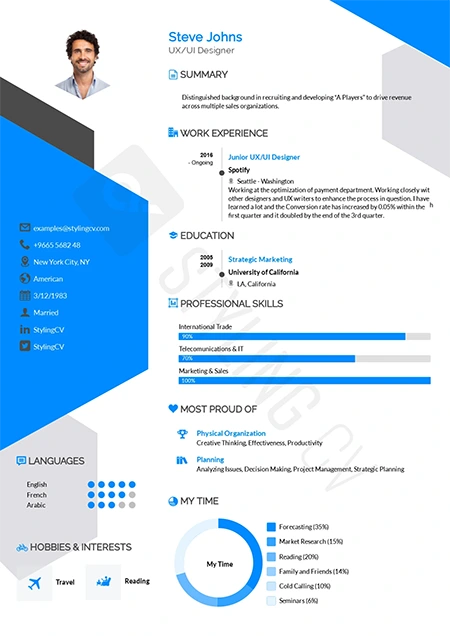
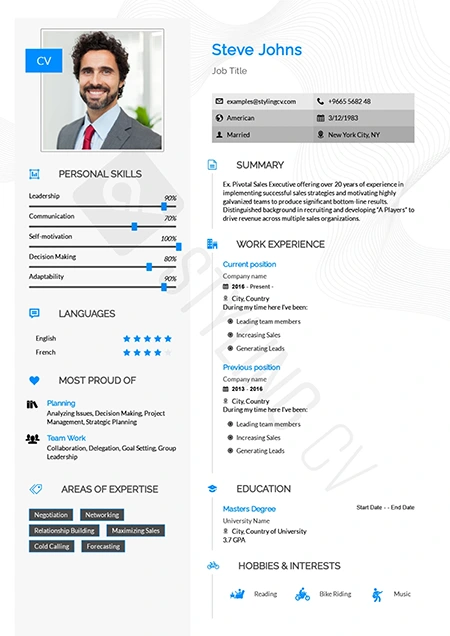
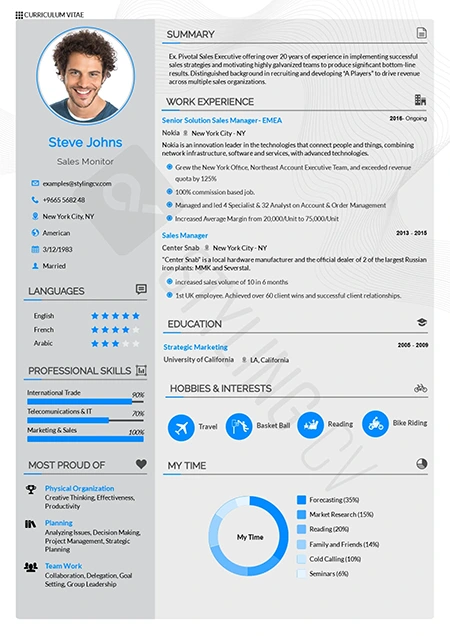
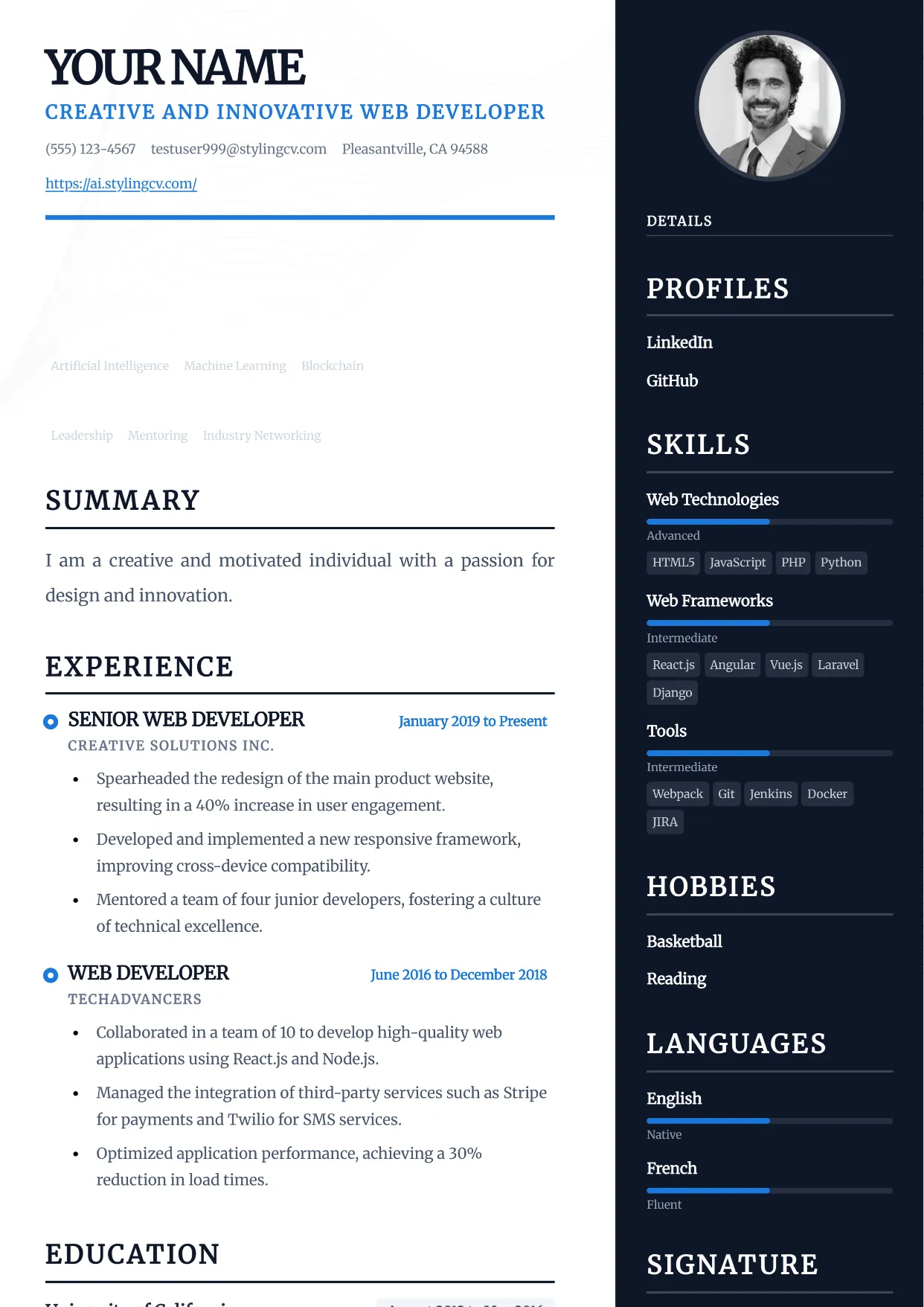
Conversely, in much of Europe (Germany, France, Spain, Italy), Asia (Japan, South Korea, China), and Latin America (Brazil, Mexico), a professional photo is standard—sometimes even required. It’s seen as a sign of professionalism and completeness.
The map is changing, though. With remote work and global hiring, many multinational companies are adopting “photo‑blind” recruitment processes. Our 2026 survey of 1,200 HR professionals found that 68% of companies with a global footprint now prefer resumes without photos, even when local customs accept them.
Pros of Including a Photo
- Memorability: A professional photo helps hiring managers remember you among hundreds of applicants.
- Personal Branding: If you work in a field where image matters (e.g., PR, sales, entertainment), a photo reinforces your brand.
- Cultural Alignment: In countries where photos are expected, omitting one can signal that you didn’t research local norms.
- Attention to Detail: A high‑quality headshot shows you care about presentation.
- Human Connection: Especially in small companies or start‑ups, a face can make your application feel more personal.
Cons of Including a Photo
- Unconscious Bias: Recruiters may form opinions based on appearance, age, ethnicity, or gender—consciously or not.
- Legal Risk: In countries with strict anti‑discrimination laws, employers might discard photo‑included resumes to avoid liability.
- ATS Incompatibility: Many Applicant Tracking Systems cannot parse images, potentially losing your resume in the digital void.
- Wasted Space: A photo takes up valuable real estate that could be used for skills, achievements, or keywords.
- Perceived Unprofessionalism: In conservative industries (finance, law, academia), a photo can seem frivolous or out of place.
Country‑by‑Country Guide: Should You Include a Photo in 2026?
| Country/Region | Photo Norm | Notes & 2026 Trends |
|---|---|---|
| United States | ❌ Not recommended | Strong anti‑discrimination laws; ATS‑first screening. Exceptions: acting, modeling, hospitality portfolios. |
| Canada | ❌ Not recommended | Similar to US; many employers will remove photos before sharing with hiring teams to ensure fairness. |
| United Kingdom | ❌ Not recommended | Photo‑blind recruitment is becoming standard; keep LinkedIn profile updated instead. |
| Australia & New Zealand | ❌ Not recommended | Photos are considered unnecessary and potentially discriminatory. |
| Germany | ✅ Expected | A professional headshot is part of a complete Lebenslauf. Ensure it’s high‑quality and formal. |
| France | ✅ Expected | Standard on CVs; a photo shows you take the application seriously. Use a conservative, business‑like style. |
| Japan | ✅ Required | Photos are mandatory for most job applications. Specific size and background requirements (often white). |
| South Korea | ✅ Expected | Professional photo is standard; recent trend toward more casual, approachable smiles. |
| Brazil | ✅ Expected | Photos are common; a friendly, confident expression is appreciated. |
| Middle East (UAE, Saudi Arabia) | ⚠️ Depends | Often expected, but conservative attire is crucial. Research the specific company’s culture. |
| India | ⚠️ Mixed | Traditional companies may expect a photo; modern tech startups often prefer no photo. |
| Remote/Global Companies | ❌ Avoid | Most remote‑first organizations explicitly request no photos to maintain unbiased hiring. |
When in doubt, research the company’s current employees on LinkedIn. Do their profiles include photos? If the company culture values visual branding, a photo might be acceptable. For corporate roles, err on the side of caution and omit the photo.
Industry‑Specific Guidelines
Your industry often matters more than geography. Here’s a quick breakdown:
- Creative Fields (Marketing, Design, Media): A photo can enhance your personal brand, especially if your appearance aligns with the industry’s aesthetic. Still, prioritize portfolio quality over a photo.
- Corporate & Finance: Almost never include a photo. These sectors prioritize data, metrics, and impartiality.
- Tech & Engineering: No photo expected. Focus on skills, projects, and certifications. ATS scanning is prevalent.
- Hospitality & Customer Service: A professional photo can be an asset, as these roles involve client interaction.
- Healthcare: Typically no photo; professionalism is demonstrated through credentials and experience.
- Academia & Research: Photos are uncommon; your publications and degrees speak louder.
If you’re applying for a front‑facing role (e.g., sales representative, flight attendant, TV host), a photo may be requested separately via a “portfolio” or “additional materials” section. In such cases, follow the employer’s instructions precisely.
How to Take a Professional Resume Photo (If You Decide to Include One)
Essential Tips for a 2026‑Ready Resume Photo
1. Hire a Professional Photographer: A corporate headshot session is worth the investment. Expect to pay $100‑$300 for a package that includes retouching and multiple shots.
2. Dress for the Role: Wear industry‑appropriate attire. For corporate jobs, a suit or blazer. For creative roles, business casual that reflects your style. Avoid loud patterns, logos, or overly casual wear.
3. Neutral Background: Plain white, light gray, or soft blue backgrounds work best. Avoid busy environments, home settings, or outdoor scenes.
4. Lighting & Expression: Soft, even lighting eliminates shadows. Look directly at the camera with a slight, confident smile—no forced grins or stern expressions.
5. Photo Size & Format: Use a high‑resolution image (at least 300 dpi). Crop from the shoulders up (headshot) or mid‑chest up (three‑quarter). Save as a JPG or PNG.
6. Be Current: Your photo should reflect how you look now, not five years ago. Update it every 2‑3 years.
7. Consistency Across Platforms: Use the same photo (or a similar one) on LinkedIn, your professional website, and other career profiles.
Remember, a bad photo is worse than no photo. Blurry, pixelated, or poorly lit images suggest carelessness. If you can’t afford a professional shoot, use a smartphone with portrait mode against a plain wall in natural light.
The ATS & Photo Compatibility Issue
Applicant Tracking Systems (ATS) are used by over 95% of mid‑size and large companies. Most ATS software cannot read images, and some may even discard resumes with embedded photos because they interfere with parsing.
If you include a photo, place it in the header with minimal formatting. Avoid wrapping text around it. Better yet, upload your resume as a PDF to preserve layout, but know that the ATS will still ignore the image content.
To maximize ATS compatibility, our ATS‑Friendly Resume Format guide recommends sticking to plain text and standard headings.
Alternative: The LinkedIn Profile Photo
In photo‑averse countries, you can still showcase your professionalism through your LinkedIn profile. Many recruiters will look you up after seeing your resume. Ensure your LinkedIn photo is high‑quality, friendly, and matches the industry tone.
You can even include your LinkedIn profile URL in your resume header—this gives hiring managers the option to see your face without you forcing it onto the document.
Final Checklist: Should You Add a Photo?
Ask yourself these questions before deciding:
- ✅ Does the country/region I’m applying to expect a resume photo?
- ✅ Is the industry I’m in photo‑friendly (e.g., sales, acting, hospitality)?
- ✅ Does the company’s career page or job ad explicitly request a photo?
- ✅ Do I have a high‑quality, professional headshot taken within the last two years?
- ✅ Am I prepared for the possibility that my photo could introduce unconscious bias?
If you answered “yes” to all the above, including a photo may be a safe bet. If any answer is “no,” leave it off. When in doubt, omit. Your skills and achievements should be the star, not your appearance.
Frequently Asked Questions (FAQ) – Resume Photos 2026
Is it acceptable to put a photo on your resume in 2026?
In most English‑speaking countries (US, Canada, UK, Australia), it’s still not standard and often discouraged due to anti‑discrimination laws and unconscious bias. However, in many European, Asian, and Middle Eastern countries, a professional photo is expected. Always research the local norms before deciding.
What are the pros of including a photo on a resume?
A photo can make your resume more memorable, convey professionalism, and show attention to detail. In industries like sales, acting, modeling, or hospitality, a photo may be beneficial. It can also help recruiters put a face to the name, especially if you have a strong personal brand.
What are the cons of including a photo on a resume?
Photos can introduce unconscious bias (age, gender, ethnicity, attractiveness). They may also trigger anti‑discrimination concerns, cause ATS parsing issues, and take up valuable space. In many corporate roles, a photo is seen as unprofessional and may lead to your resume being discarded.
Which countries require a photo on a resume?
Countries where a photo is customary include Germany, France, Spain, Italy, Japan, South Korea, China, Brazil, and much of Latin America. In contrast, the US, Canada, UK, Ireland, Australia, and New Zealand typically expect resumes without photos.
What kind of photo should I use if I decide to include one?
Use a high‑quality, professional headshot with a neutral background. Dress in industry‑appropriate attire, smile slightly, and ensure good lighting. Avoid selfies, casual photos, or full‑body shots. The photo should be recent and reflect how you’d look in an interview.
Bottom Line: The resume photo debate isn’t about right or wrong—it’s about context. In 2026, global hiring continues to blur regional lines, but local customs still matter. When you’re unsure, prioritize a clean, ATS‑friendly resume that highlights your achievements. At StylingCV, trusted by 6M+ users and rated 4.8⭐ on Trustpilot, we provide region‑specific templates and expert reviews to ensure your resume meets local expectations while maximizing your chances of landing an interview. Start optimizing your resume today, with or without a photo.