Resume Trends 2026: What’s New & What Employers Really Want
As we stride into 2026, the job market continues to evolve at a breathtaking pace. Artificial intelligence, shifting employer priorities, and new candidate expectations are reshaping how resumes are written, screened, and selected. Staying ahead of these trends isn’t just a bonus—it’s a necessity for any serious job seeker. In this comprehensive guide, we’ll explore the top resume trends 2026 has brought forward, backed by insights from recruiters, ATS (Applicant Tracking System) developers, and data from over 6 million users of StylingCV’s platform, which enjoys a 4.8‑star rating on Trustpilot.
1. The Rise of AI‑ATS Optimization
Gone are the days when a simple keyword‑stuffed resume could trick the system. Modern ATS platforms now employ sophisticated AI that evaluates context, skill hierarchies, and even semantic relevance. To pass these smarter gates, your resume must be intentionally structured.
- Use natural language: Write bullet points that a human would appreciate, but include industry‑specific terminology.
- Prioritize skills sections: Place a dedicated skills section near the top, categorized by relevance (e.g., “Technical Skills,” “Soft Skills”).
- Leverage quantifiable metrics: AI algorithms are trained to recognize numbers and percentages as indicators of impact.
Our brand colors—Teal (#268599), Coral (#E8885E), Navy (#16344C), and Gold (#C4A574)—reflect the balance between professionalism (Teal) and energetic innovation (Coral) that today’s resumes need.
2. Skills‑First Formatting Takes Over
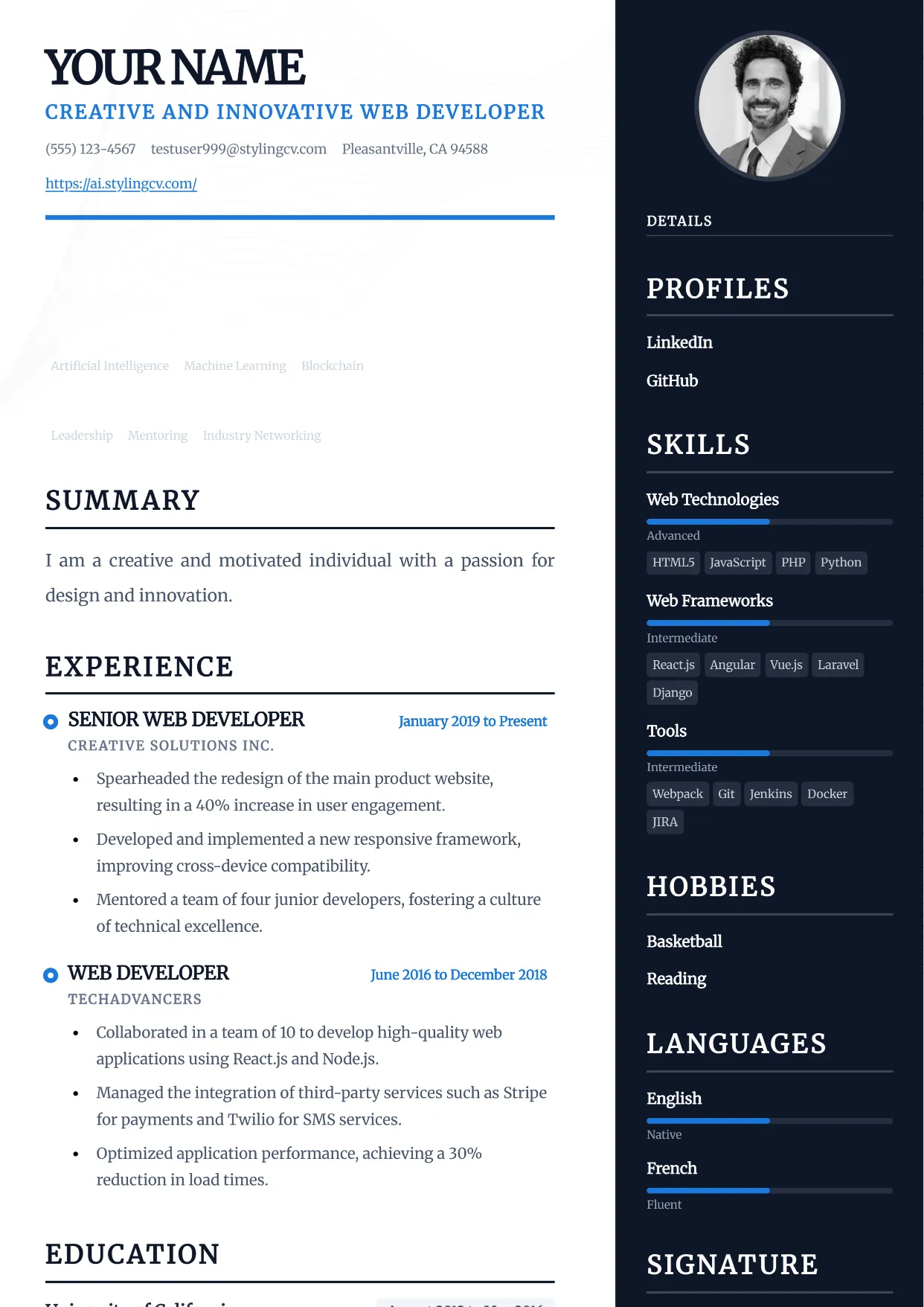
The traditional reverse‑chronological format is being challenged by skills‑first layouts. Employers, especially in tech, marketing, and creative fields, want to see what you can do before where you’ve been.
Consider using a skills‑based resume to highlight your competencies upfront. This approach aligns with the growing “skills‑based hiring” movement, where companies prioritize abilities over pedigree.
- Cluster skills by category: Group related skills together (e.g., “Data Analysis,” “Project Management”).
- Show proficiency levels: Use visual indicators or brief descriptions (Advanced, Intermediate, Beginner).
- Link skills to achievements: Under each skill, mention a concrete outcome you delivered.
3. Visual & Interactive Resumes (With Caution)
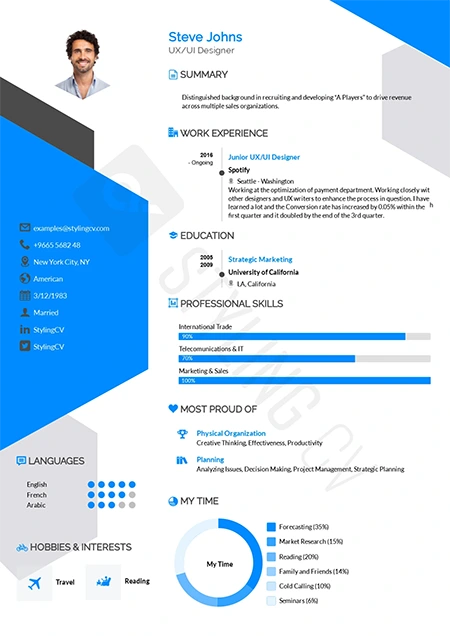
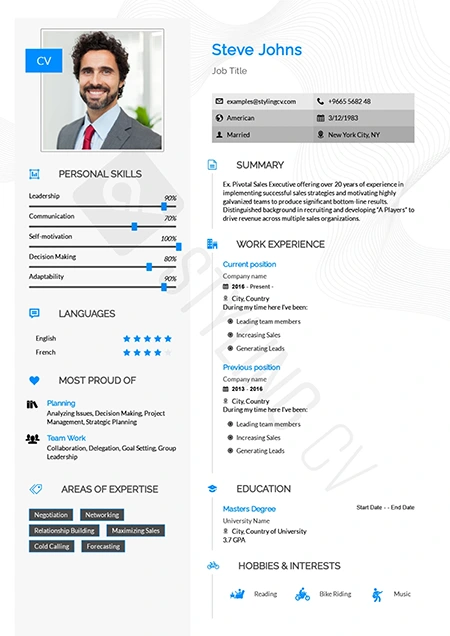
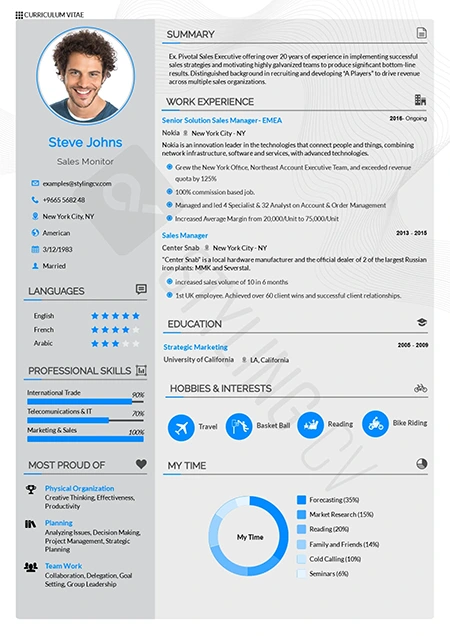
Infographic‑style resumes, digital portfolios, and even video introductions are gaining traction—but with important caveats. While they can make you stand out in creative roles, they often confuse ATS scanners.
If you opt for a visual design, always pair it with a plain‑text, ATS‑friendly version. Use our best resume font 2026 guide to choose typefaces that balance personality with readability.
- Keep the core content textual: Ensure all critical information is present as selectable text.
- Use color sparingly: Our Coral (#E8885E) accent can draw attention to key sections without overwhelming.
- Test with ATS simulators: Upload your design to an ATS parser to see what gets through.
4. Quantifiable Achievements Trump Responsibilities
Listing job duties is no longer enough. Employers want to see the impact you made. Metrics are your best friend: increased revenue by 30%, reduced processing time by 15 hours/month, managed a team of 12.
Even if your role doesn’t seem quantitative, find ways to measure your contribution:
- Use percentages, dollars, time units: “Improved customer satisfaction scores from 78% to 94%.”
- Scale your achievements: “Trained 50+ new hires” sounds more impressive than “conducted training.”
- Benchmark against industry standards: “Exceeded team average by 20%.”
5. Green & Remote Work Emphasis
Sustainability and remote‑work competencies are becoming resume differentiators. Mention experience with remote‑collaboration tools (Slack, Asana, Zoom), and highlight any green initiatives you’ve contributed to.
For data scientists and analysts, showcasing projects that optimize resource usage or reduce carbon footprints can be a powerful talking point.
- Add a “Remote Skills” subsection: Include time‑zone flexibility, async communication, and self‑management.
- Highlight sustainability projects: Even volunteer efforts count.
- Certifications matter: Consider adding a “Green Certifications” line if relevant.
Frequently Asked Questions (Resume Trends 2026)
What are the top resume trends for 2026?
The top five trends are: 1) AI‑ATS optimization with contextual understanding, 2) skills‑first formatting, 3) cautious use of visual/interactive elements, 4) quantifiable achievements over responsibilities, and 5) emphasis on green & remote‑work capabilities.
How do I optimize my resume for AI‑ATS in 2026?
Use natural language, place a strong skills section near the top, include numbers/metrics, and avoid complex layouts. Always test your resume with an ATS parser before submitting.
Should I use a visual resume in 2026?
Visual resumes can be effective for creative roles, but they must be accompanied by a plain‑text ATS‑friendly version. Never rely solely on a graphic‑heavy design.
How many pages should a 2026 resume be?
For most industries, one page remains the gold standard. Senior executives or academics may extend to two pages, but every line should add value.
What fonts are best for ATS scanning in 2026?
Stick to clean, sans‑serif fonts like Arial, Calibri, or Poppins. Avoid decorative scripts and ultra‑thin weights. See our detailed best resume font 2026 guide for more.
StylingCV helps over 6 million users craft resumes that get interviews. Our platform is rated 4.8 stars on Trustpilot. Ready to apply the latest trends? Start building your 2026‑ready resume today.