.faq-hero{background:linear-gradient(135deg,#0d2b3e 0%,#0d4f6e 50%,#0a7c6b 100%);padding:48px 40px 40px;border-radius:0 0 24px 24px;position:relative;overflow:hidden}
.faq-hero::before{content:”;position:absolute;top:-50%;right:-10%;width:400px;height:400px;background:radial-gradient(circle,rgba(20,184,166,.15),transparent 70%);border-radius:50%}
.faq-breadcrumb{display:flex;align-items:center;gap:8px;margin-bottom:20px;font-size:13px;color:rgba(255,255,255,.6);flex-wrap:wrap}
.faq-breadcrumb a{color:rgba(255,255,255,.7);text-decoration:none}.faq-breadcrumb a:hover{color:#14b8a6}
.faq-breadcrumb .sep{color:rgba(255,255,255,.35)}
.faq-category-badge{display:inline-flex;align-items:center;gap:6px;background:rgba(20,184,166,.2);color:#14b8a6;border:1px solid rgba(20,184,166,.3);border-radius:20px;padding:4px 14px;font-size:12px;font-weight:600;letter-spacing:.5px;text-transform:uppercase;margin-bottom:16px}
.faq-hero-title{font-size:clamp(22px,3.5vw,36px);font-weight:800;color:#fff;line-height:1.25;margin:0 0 8px;max-width:800px}
.faq-meta{display:flex;gap:20px;margin-top:16px;flex-wrap:wrap}
.faq-meta-item{color:rgba(255,255,255,.55);font-size:13px}
.faq-content-wrap{max-width:860px;margin:0 auto;padding:0 20px 60px}
.faq-quick-answer{background:linear-gradient(135deg,#f0fdfa,#e6fffa);border-left:4px solid #14b8a6;border-radius:0 12px 12px 0;padding:20px 24px;margin:32px 0}
.faq-quick-answer::before{content:’⚡ Quick Answer’;display:block;font-size:11px;font-weight:700;color:#0d9488;letter-spacing:1px;text-transform:uppercase;margin-bottom:10px}
.faq-quick-answer p{margin:0;color:#134e4a;font-size:15px;line-height:1.7;font-weight:500}
.faq-answer-card{background:#fff;border-radius:16px;padding:32px;margin:0 0 28px;box-shadow:0 2px 20px rgba(0,0,0,.06);border:1px solid #f1f5f9}
.faq-answer-card h3{font-size:17px;font-weight:700;color:#0f2744;margin:0 0 12px;padding-bottom:10px;border-bottom:2px solid #f1f5f9}
.faq-answer-card p{color:#374151;line-height:1.75;font-size:15px;margin:0 0 12px}.faq-answer-card p:last-child{margin:0}
.faq-related{background:#f8fafc;border-radius:16px;padding:28px 32px;margin:28px 0}
.faq-related h3{font-size:16px;font-weight:700;color:#0f2744;margin:0 0 16px}
.faq-related-grid{display:grid;grid-template-columns:repeat(auto-fit,minmax(200px,1fr));gap:10px}
.faq-related-link{display:flex;align-items:center;gap:8px;padding:10px 14px;background:#fff;border-radius:10px;text-decoration:none;color:#0d4f6e;font-size:13px;font-weight:500;border:1px solid #e2e8f0;transition:.2s}
.faq-related-link:hover{border-color:#14b8a6;color:#0a7c6b;background:#f0fdfa}
.faq-related-link::before{content:’→’;color:#14b8a6;font-weight:700;flex-shrink:0}
.faq-cta-box{background:linear-gradient(135deg,#0d2b3e,#0a7c6b);border-radius:20px;padding:36px;text-align:center;margin:36px 0 0}
.faq-cta-box h3{color:#fff;font-size:22px;font-weight:800;margin:0 0 8px}
.faq-cta-box p{color:rgba(255,255,255,.75);font-size:14px;margin:0 0 20px}
.faq-cta-btn{display:inline-flex;align-items:center;gap:8px;background:#e8713a;color:#fff;padding:14px 28px;border-radius:10px;font-weight:700;font-size:15px;text-decoration:none}
.faq-cta-btn:hover{background:#d4622b}
@media(max-width:640px){.faq-hero{padding:32px 20px 28px}.faq-content-wrap{padding:0 12px 40px}.faq-answer-card,.faq-cta-box{padding:20px}}
📋 FAQ
What’s the difference between a CV and a resume?
📅 Updated March 2026 ⏱ 3 min read ✅ Expert Verified
In the United States, a CV (Curriculum Vitae) and resume are different documents. A resume is a 1-2 page summary of your relevant work experience, skills, and education tailored to a specific job. It’s used for most jobs…
📖 Full Answer
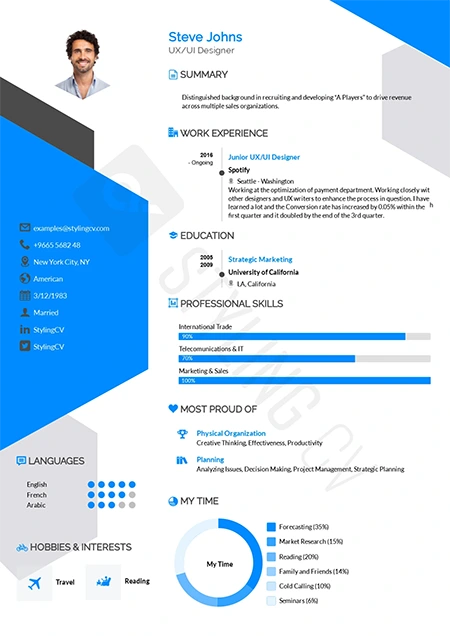
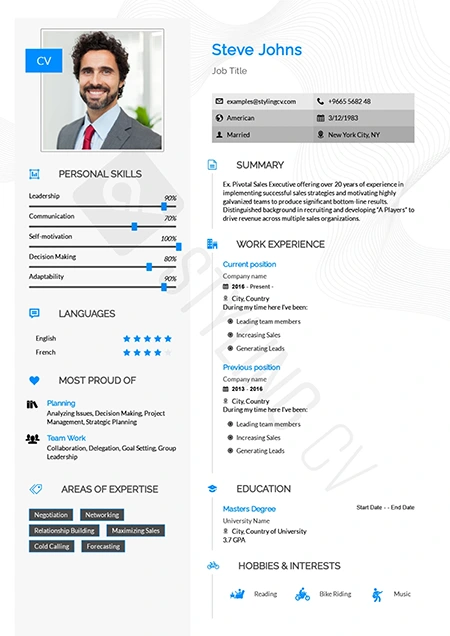
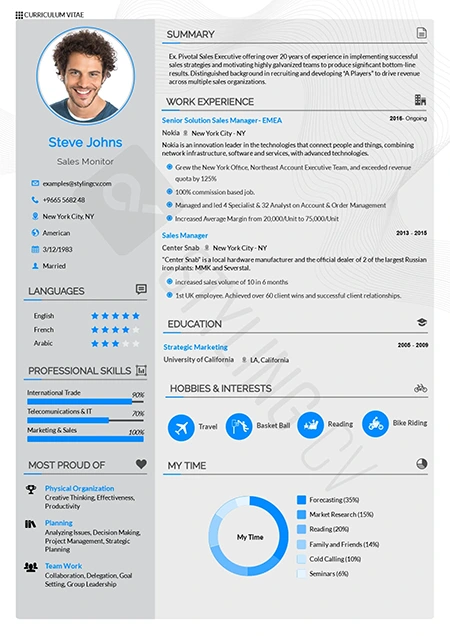
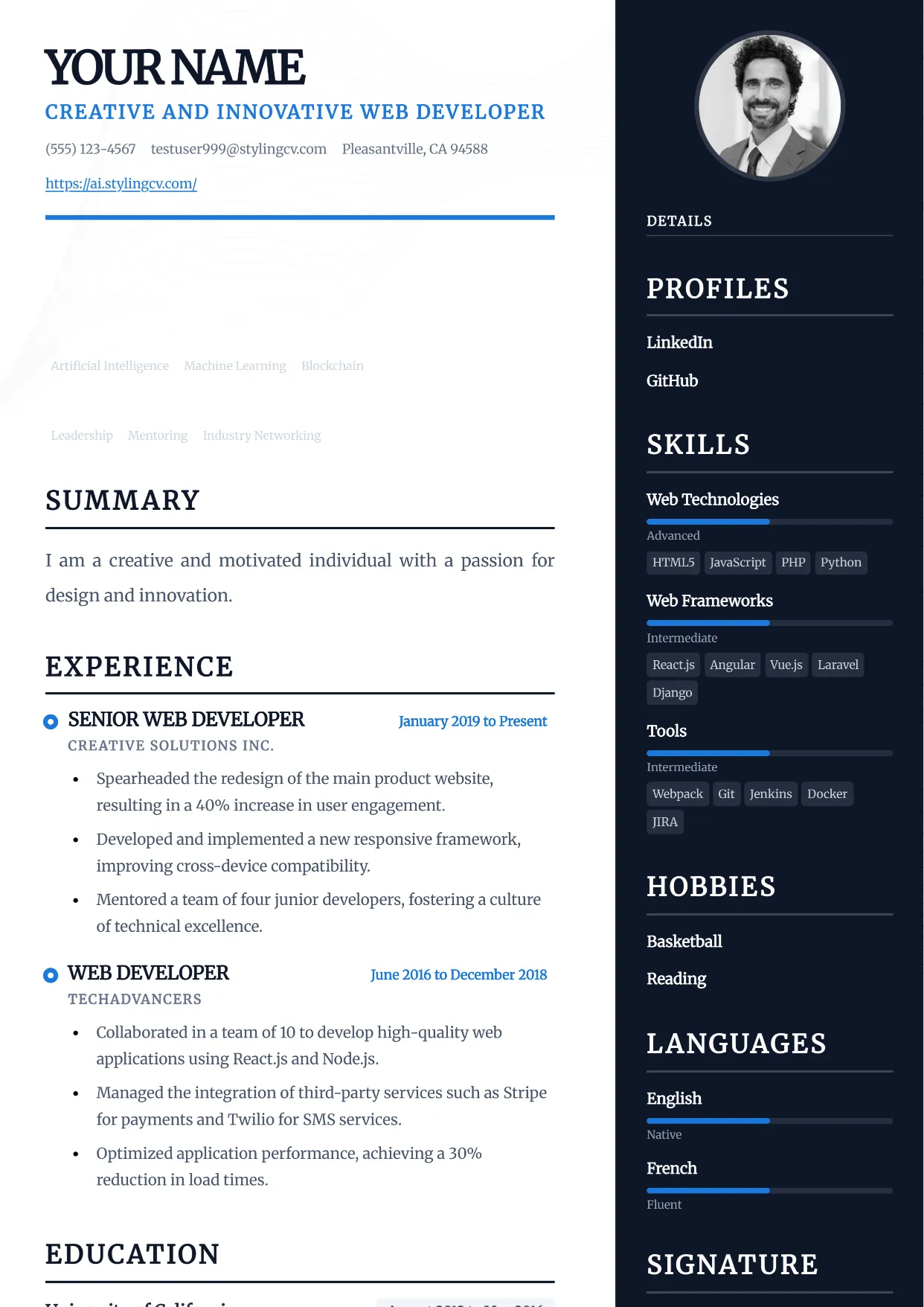
In the United States, a CV (Curriculum Vitae) and resume are different documents. A resume is a 1-2 page summary of your relevant work experience, skills, and education tailored to a specific job. It’s used for most jobs in business, tech, healthcare, and other industries. A CV is a comprehensive document (often 3+ pages) listing your entire academic and professional history including all publications, presentations, research, teaching experience, grants, awards, and certifications.
CVs are primarily used in academia, medical fields, research positions, and when applying for international positions. They’re not tailored to specific jobs but updated continuously. However, in most countries outside the US (UK, Europe, Asia, etc. ), ‘CV’ is simply the term for what Americans call a resume – a brief 1-2 page document.
This creates confusion for international applicants. When applying to US jobs, use a resume unless the posting specifically requests a CV. For academic or research positions, prepare a full CV. For international applications, check country norms: in Europe, ‘CV’ means resume; in US academia, CV means comprehensive career document.
🚀 Ready to Land Your Dream Job?
Build a professional, ATS-optimized resume in minutes with StylingCV AI — trusted by 6M+ job seekers worldwide.
Try StylingCV AI Free →{
“@context”: “https://schema.org”,
“@type”: “FAQPage”,
“mainEntity”: [{
“@type”: “Question”,
“name”: “What’s the difference between a CV and a resume?”,
“acceptedAnswer”: {
“@type”: “Answer”,
“text”: “In the United States, a CV (Curriculum Vitae) and resume are different documents. A resume is a 1-2 page summary of your relevant work experience, skills, and education tailored to a specific job. It’s used for most jobs in business, tech, healthcare, and other industries. A CV is a comprehensive document (often 3+ pages) listing your entire academic and professional history including all publications, presentations, research, teaching experience, grants, awards, and certifications. CVs are primarily used in academia, medical fields, research positions, and when applying for international positions. They’re not tailored to specific jobs but updated continuously. However, in most countries outside the US (UK, Europe, Asia, etc.), ‘CV’ is simply the term for what Americans call a resume – a brief 1-2 page document. This creates confusion for international applicants. When applying to US jobs, use a resume unless the posting specifically requests a CV. For academic or research positions, prepare a full CV. For international applications, check country norms: in Europe, ‘CV’ means resume; in US academia, CV means comprehensive career document.”
}
}]
}
🎯 Is Your Resume ATS-Ready?
Try our free tools to make sure your resume gets past the bots and into human hands.
Free • No signup required • Results in seconds