AI Interview Philippines 2026: Paano Talunin ang Automated Interview para sa JobStreet, Indeed PH, at LinkedIn (Kumpletong Gabay)

Naka-record Ka Na. Pero Hindi Tao ang Nakatitig sa’yo — AI.
Umupo ka sa harap ng camera. Kinakabahan. Inayos mo ang ilaw, ang background, ang mikropono. Pinindot mo ang “Record.”
At sa kabilang screen — walang tao.
Hindi HR. Hindi manager. Isang AI algorithm ang magsasabi kung pasado ka o hindi. Bago ka pa makausap ng kahit sino.
2026 na. At eto ang realidad: libo-libong kumpanya sa Pilipinas at abroad ang gumagamit na ng AI interviews. JobStreet Philippines, Indeed PH, LinkedIn Philippines — lahat may koneksyon sa mga kumpanyang gumagamit ng automated screening.
“68% ng mga aplikante ang natatakot sa AI-driven hiring. Pero eto ang hindi mo alam: kapag naintindihan mo kung paano ka hinuhusgahan ng AI — ikaw ang may advantage.”
Hindi tayo magpapa-arte dito. Diretsahan. Sa gabay na ito, matututunan mo ang:
- Paano gumagana ang AI interviews sa 2026
- Anong mga kumpanya sa Pilipinas ang gumagamit nito
- 7 hakbang para talunin ang AI bago ka pa magsalita
- Sample answers na sure na mataas ang score
- Legal mong karapatan bilang aplikante
Taga-StylingCV kami. 11 specialized AI agents. 6M+ users. 95%+ ATS pass rate. At nasaksihan namin kung paano natatalo ng Pinoy applicants ang AI interviews — at kung paano sila natatalo. Eto ang gusto naming ibahagi sa’yo.
Ano ang AI Interview at Bakit Ito Mahalaga sa’yo?
Ang AI interview (o automated video interview, asynchronous interview, digital interview) ay software na nagsusuri ng iyong recorded answers bago pa makita ng tao. Ikaw ang nagre-record sa sarili mong oras. Tapos — iscore ka ng algorithm base sa:
- Word choice — anong mga salita ang ginamit mo
- Speech patterns — bilis, tono, linaw ng pagsasalita
- Facial expressions — ekspresyon ng mukha, eye contact
- Tone — confident ka ba o nag-aalangan?
Ang pagkakaiba: Sa traditional interview, kailangan mo lang pumasa sa HR. Sa AI interview, kailangan mo munang pumasa sa robot bago ka makarating sa tao. Doble ang laban.
Dalawang uri ang AI interview na makikita mo sa JobStreet, Indeed PH, at LinkedIn Philippines:
| Uri | Paano Gumagana | Saan Madalas Gamitin |
|---|---|---|
| One-way Video Interview | Nagre-record ka ng sagot sa written o pre-recorded questions. AI ang nag-score. HR lang ang tumitingin sa top candidates. | BPO companies, call centers, entry-level roles sa JobStreet at Indeed PH |
| AI-Assisted Live Interview | Tao ang kausap mo, pero AI ang nag-aanalyze ng sagot mo sa real time — nagse-suggest ng follow-up questions at nagfa-flag ng inconsistencies. | Tech companies, senior roles, OFW recruitment agencies |
Paano Gumagana ang AI Interview? 4 na Teknolohiya na Dapat Mong Malaman
Para talunin ang AI, kailangan mong malaman kung paano ka nito hinuhusgahan. Eto ang 4 na technologies na ginagamit:
1. Natural Language Processing (NLP)
Ina-analyze ng NLP ang nilalaman ng sagot mo. Hindi lang keywords — ang structure, relevance, at completeness. Direkta ba ang sagot mo? May specific examples ka ba? Gamit mo ba ang tamang industry terms? Bawat dimension may score.
2. Speech & Sentiment Analysis
Sinusukat ng AI ang tono, bilis, confidence, at emotional consistency mo. Masyadong mabilis magsalita? Flagged as nervous. Flat ang intonation? Sign of disinterest. Ang sweet spot? Natural, conversational — parang kausap mo lang ang katrabaho mo.
3. Facial Expression & Body Language
Kinikilala ng mga tool tulad ng HireVue ang micro-expressions at posture. Steady eye contact sa camera? Nod occasionally? Genuine enthusiasm? Mataas ang score. (Hindi hula — datong galing sa milyon-milyong interviews.)
4. Competency Matching
Inihahambing ng AI ang sagot mo sa benchmark database ng high-performing employees sa similar roles. Sini-score ka sa communication, problem-solving, leadership, cultural fit, at role-specific competencies. Sabay-sabay.
Key Insight: Hindi hinahanap ng AI ang “tamang sagot.” Hinahanap nito ang well-structured answers na nagpapakita ng specific competencies. Ang STAR method (Situation, Task, Action, Result) ay gold standard pa rin — at ito ang format na trained ang AI na kilalanin.
Anong mga Kumpanya sa Pilipinas ang Gumagamit ng AI Interviews sa 2026?
Hindi lang abroad. Malawakan na ang AI interviews sa Pilipinas. Eto ang mga industriya at kumpanya na gumagamit nito — sa pamamagitan ng JobStreet Philippines, Indeed PH, LinkedIn Philippines, o direct hiring:
| Industriya | Mga Kumpanya sa Pilipinas | Saan Sila Nagha-hire? |
|---|---|---|
| BPO / Call Center | Concentrix, Teleperformance, Alorica, Sutherland, iQor, Accenture Philippines | JobStreet PH, Indeed PH, LinkedIn PH |
| Tech / IT | Google PH, Amazon PH support, IBM Philippines, Dell Philippines, Accenture PH | LinkedIn PH, JobStreet PH |
| Finance / Banking | BDO, BPI, Metrobank, JPMorgan PH, Citibank PH, HSBC PH | LinkedIn PH, JobStreet PH |
| Retail / E-commerce | Unilever PH, P&G PH, Shopee PH, Lazada PH, SM Group | Indeed PH, LinkedIn PH |
| Healthcare / Nursing | St. Luke’s, The Medical City, Asian Hospital, Makati Med, Philippine General Hospital | JobStreet PH, Indeed PH |
| OFW / International Recruitment | POEA-accredited agencies, MOVE, PEOS-based recruitment sa Middle East, Japan, Canada | LinkedIn PH, POEA job portals |
📈 Ang totoo: Mahigit 60% ng kumpanya sa bansa na may structured hiring process ay gumagamit na ng AI sa screening. Ang video interviewing ang pinakamabilis lumagong segment — at bawat quarter, dumadami ang adopters.
7 Hakbang para Talunin ang AI Interview
Step 1: Masterin ang STAR Method
Trained ang AI algorithms na kilalanin ang structured responses. STAR — Situation, Task, Action, Result — ito ang tanging format na tumatama sa lahat ng checkpoint. At eto ang #1 mistake: nakakalimutan ang Result section. Kung walang Result, mababa ang score. Lagyan mo ng numero.
Step 2: Ayusin ang Camera Presence Mo
Mag-record ka ng sarili mo. Panoorin mo ulit. Check mo ang posture, eye contact, pacing. Diretso ang tingin sa camera (hindi sa screen). Upright pero hindi stiff ang posture. Ang kamay — visible at calm. Huwag magbasa ng notes — nakikita ng AI ang subtle eye movement patterns na nagbibigay sa’yo.
Step 3: Gamitin ang Industry-Specific Keywords
Nagsi-score ang AI base sa keyword relevance. Bago ang interview, i-scan ang job description at kumuha ng 8-10 key terms. I-weave ang mga ito sa sagot mo nang natural. Gamitin ang StylingCV para makuha ang tamang keywords para sa target role mo.
Step 4: Ayusin ang Environment Mo
Sensitive ang AI sa background noise, bad lighting, at messy rooms. Pumili ng tahimik na lugar. Harapin ang bintana o gumamit ng ring light. Maayos ang background. I-test ang mic at camera bago mag-record.
Step 5: Maging Natural — Seryoso
Eto ang pagkakamali ng karamihan: akala nila gusto ng AI ang robotic, scripted answers. Hindi. Ang pinakamagandang AI platforms ay trained sa libo-libong successful candidate recordings. Nakikilala nila ang natural conversation vs. memorized scripts. Magsalita nang natural. Gamitin ang kamay. Ipakita ang personality mo.
Step 6: I-structure ang Sagot Mo para sa Scoring
Hinahanap ng AI ang clear architecture sa bawat response. Bukas na may direct answer. Follow with specific evidence. Isara na may result o takeaway. Walang rambling. Walang tangents. Ideal na haba: 60-120 segundo per question.
Step 7: Gamitin ang Practice Mode ng Platform
Karamihan ng AI interview platforms — HireVue, Modern Hire, Talview, Willo — may rehearsal features. Gamitin mo. Ang mga tool na ito ay nagbibigay ng feedback sa speaking pace, keyword usage, at engagement level bago ka mag-submit. Libreng intel yan. Huwag mong sayangin.
Sample Answers na Sure na Mataas ang Score
Q: “Tell me about yourself.”
Hinahanap ng AI: Career narrative, role relevance, professional focus.
Sagot: “Ako si Maria, data analyst na may 5 taon sa e-commerce. Sa dati kong kumpanya, nag-lead ako ng team of 3 at nag-reduce ng customer churn ng 22% sa pamamagitan ng predictive modeling. Excited ako sa role na ito dahil sa focus ninyo sa AI-driven personalization — direktang tugma ito sa ginagawa ko.”
Q: “Describe a time you solved a difficult problem.”
Hinahanap ng AI: STAR structure, problem complexity, measurable outcome.
Sagot: “Bumaba ang customer onboarding completion rate namin sa 62% (Situation). Bilang product owner, ako ang may-ari ng conversion improvement (Task). Nag-lead ako ng cross-functional team para i-redesign ang onboarding flow. Nag-A/B test kami ng 5 variants at ni-ship ang winner sa loob ng 2 sprints (Action). Umabot sa 89% ang onboarding rate sa loob ng 30 araw. Tumaaas ng $180K ang monthly recurring revenue (Result).”
Q: “How do you handle feedback?”
Hinahanap ng AI: Growth mindset, emotional regulation, specific example.
Sagot: “Tinatrato ko ang feedback bilang growth signal. Sa last review ko, sinabi ng manager ko na kailangan kong i-improve ang executive presentation skills ko. Nag-enroll ako sa communication course, nag-practice sa mentor, at sa loob ng 3 buwan — nag-le-lead na ako ng quarterly business reviews para sa VP of Product namin.”
Pro tip: Isalin sa Tagalog kung komportable ka. Ang AI ay nagsi-score sa content at structure — hindi sa language. Kung mas magaling kang mag-explain sa Tagalog, gawin mo. Ang mahalaga: may STAR structure at may specific numbers.
AI Interview vs. Traditional Interview: Alin ang Mas Mahirap?
| Aspekto | 🤖 AI Interview | 🧑 Traditional Interview |
|---|---|---|
| Oras | Record anytime within a window | Scheduled live session |
| Evaluator | AI algorithm + human review of top picks | Human interviewer(s) |
| Questions | Pre-set — same for everyone | Adapts to conversation flow |
| Feedback | Wala in real time | Real-time cues galing sa interviewer |
| Bias risk | Algorithmic bias possible; regulated sa ibang bansa | Human bias; mitigated with structured interviewing |
| Convenience | Mataas — walang scheduling issues | Kailangan ng coordination |
OFW Applicants: Dapat Kang Maghanda sa AI Interviews
Kung nag-aapply ka sa abroad — Middle East, Canada, Japan, Singapore, Hong Kong — mas mataas ang chance na makaharap ka ng AI interview. Bakit? Dahil international recruiters ang gumagamit ng automated screening para i-filter ang libo-libong applicants mula sa iba’t ibang bansa.
Eto ang dapat mong tandaan:
- Gumamit ng international resume format — walang picture, walang age, walang civil status. Gamitin ang StylingCV na may OFW-ready templates.
- Magsalita nang malinaw — neutral accent, moderate pace. Hindi kailangan ng perfect English, pero kailangan maintindihan ka ng AI.
- Research ang cultural norms — iba ang expectations ng AI sa Middle East vs. Canada vs. Japan. I-align ang sagot mo.
- Gamitin ang LinkedIn Philippines — maraming international recruiters ang naghahanap ng OFW candidates sa LinkedIn. I-optimize ang profile mo.
Mga Karapatan Mo Bilang Aplikante sa AI Interviews
Sa Pilipinas, hindi pa ganon ka-strict ang regulasyon sa AI hiring kumpara sa US at Europe. Pero may karapatan ka pa rin:
- Karapatang malaman kung gumagamit ng AI ang employer sa hiring process. Pwedeng itanong sa HR o recruiter.
- Karapatang humingi ng human review — kung sa tingin mo unfair ang AI assessment, pwedeng humiling ng manual review ng application mo.
- Data privacy — sa ilalim ng Data Privacy Act ng Pilipinas (RA 10173), may karapatan kang malaman kung anong data ang kinolekta ng AI at kung paano ito ginamit.
Pro tip: Bago ang interview, tanungin ang recruiter kung may AI component ang process nila. Kung oo, alamin kung anong platform ang ginagamit nila — at i-research ang specific best practices ng platform na yan bago ka mag-record.
FAQ — AI Interviews sa Pilipinas 2026
Ano ang AI interview at paano ito gumagana?
Ang AI interview ay isang automated video interview kung saan nagre-record ka ng sagot sa pre-set questions. Sinusuri ng AI software ang iyong word choice, speech patterns, facial expressions, at tone — at nagbibigay ng score base sa competencies na hinahanap ng employer. Ang mataas na score lang ang makikita ng human recruiter. Ginagamit ito ng maraming kumpanya sa JobStreet Philippines, Indeed PH, at LinkedIn Philippines.
Anong mga kumpanya sa Pilipinas ang gumagamit ng AI interviews?
Maraming BPO companies (Concentrix, Teleperformance, Accenture PH), banks (BDO, BPI, JPMorgan PH), tech firms (Google PH, IBM PH), at OFW recruitment agencies ang gumagamit ng AI interviews. Sa JobStreet Philippines at LinkedIn Philippines, maraming job postings na may automated video interview requirement. Inaasahang 80% ng initial screenings ay involve ang AI pagsapit ng 2028.
Paano ako maghahanda para sa AI interview?
Masterin ang STAR method (Situation, Task, Action, Result). Mag-practice sa harap ng camera. Gamitin ang industry-specific keywords mula sa job description. Ayusin ang lighting at background. Magsalita nang natural at may confidence. Gamitin ang practice mode ng platform. At higit sa lahat — siguraduhing ATS-friendly ang resume mo gamit ang StylingCV (95%+ pass rate) bago ka pa makarating sa interview stage.
Pwede ba akong mag-Tagalog sa AI interview?
Depende sa employer. Kung Filipino company ang inaaplayan at Tagalog ang job posting, oo — pwede ang Tagalog o Taglish. Pero kung international company o OFW job abroad, mas recommended ang English. Ang mahalaga: may STAR structure, may specific numbers, at natural ang delivery. Hindi language ang sini-score ng AI kundi content at structure.
Ano ang STAR method at bakit ito mahalaga para sa AI interview?
Ang STAR method ay isang structured way ng pagsagot sa behavioral interview questions: Situation (ano ang sitwasyon), Task (ano ang role mo), Action (ano ang ginawa mo), Result (ano ang naging resulta). Mahalaga ito para sa AI interview dahil trained ang AI algorithms na kilalanin ang format na ito. Ang #1 mistake ay nakakalimutan ang Result — laging may specific numbers sa Result section.
Legal ba ang AI interviews sa Pilipinas?
Oo, legal ang AI interviews sa Pilipinas. Hindi pa kasing-strict ng EU AI Act o Illinois AI Video Interview Act ang local regulations. Pero protektado ka ng Data Privacy Act (RA 10173) — may karapatan kang malaman kung anong data ang kinolekta at paano ito ginamit. Pwede ka ring humingi ng human review kung sa tingin mo unfair ang AI assessment.
Pwede bang tumanggi sa AI interview?
Pwede kang magtanong kung may human interview alternative, pero hindi required ang employers na magbigay nito. Kung gusto mo talaga ng trabaho, maghanda ka na lang para sa AI interview. Ang praktikal na diskarte: intindihin ang AI, alamin ang tamang format at keywords, at i-practice ang delivery. Sa StylingCV, tinutulungan ka naming maging handa sa buong process — mula ATS-optimized resume hanggang interview-ready ka.
Ang Resume Mo ang Unang AI na haharapin mo
Bago ka pa makarating sa AI interview, kailangan mo nang pumasa sa ATS (Applicant Tracking System). Ito ang AI na nagbabasa ng resume mo sa JobStreet Philippines, Indeed PH, at LinkedIn Philippines bago pa makita ng tao.
Kung hindi ATS-optimized ang resume mo, hindi ka aabot sa interview — kahit gaano ka pa kagaling sumagot.
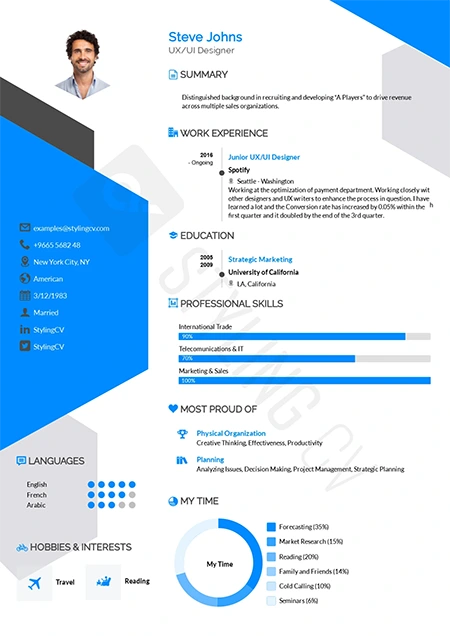
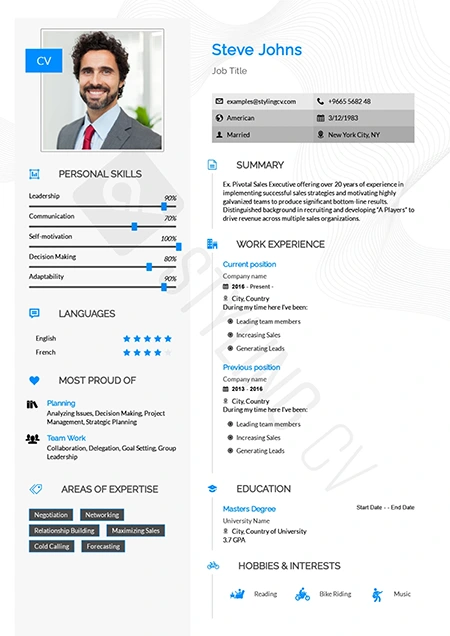
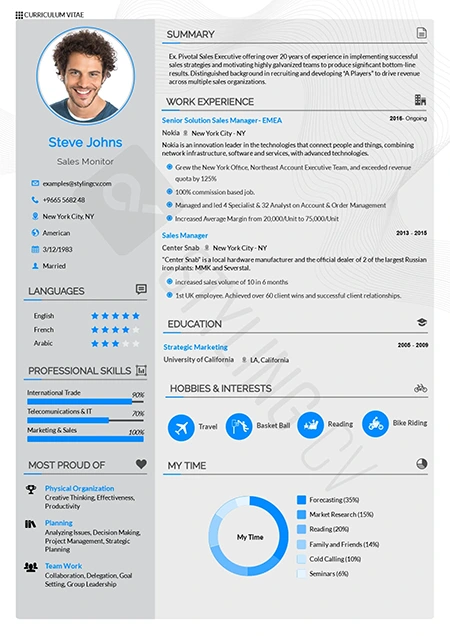
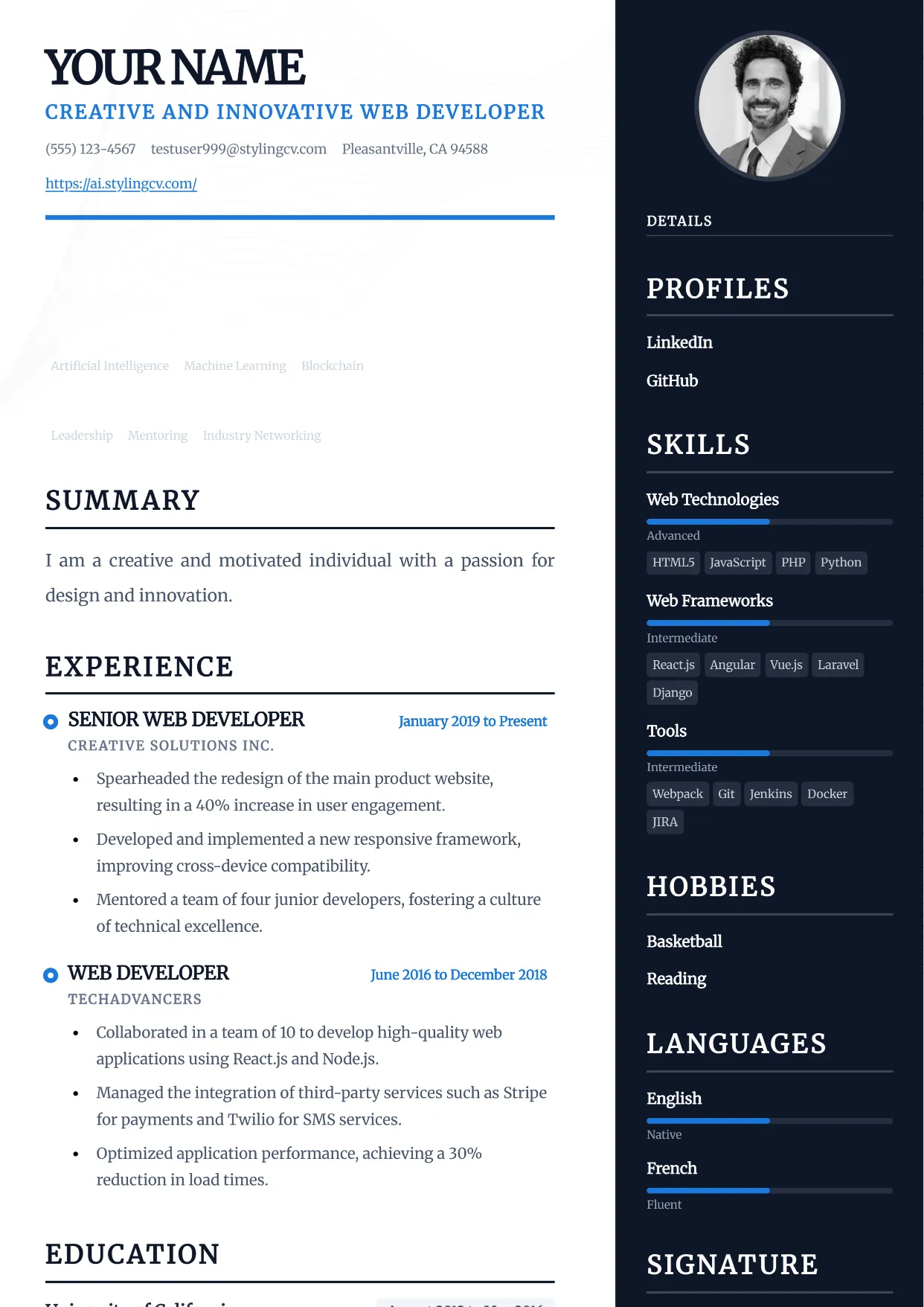
Dito pumapasok ang StylingCV. Hindi kami generic ChatGPT resume maker. Meron kaming 11 specialized AI agents — bawat isa ay sinanay para sa specific industry:
- 🤖 ATS Optimization Agent — 95%+ passing rate sa JobStreet, Indeed PH, LinkedIn
- 🎯 Keyword Matcher Agent — ina-analyze ang job posting at mina-match ang resume mo
- 📝 Content Writer Agent — gumagawa ng professional summary na hindi generic
- 📊 Achievement Enhancer Agent — ginagawang numbers ang “responsible for” statements
- ✍️ Cover Letter Agent — personalized cover letter para sa bawat application
- 🌏 OFW Format Agent — international resume formats para sa abroad applicants
Mahigit 6 milyong users na ang nagtiwala. 95%+ ATS pass rate. At libre ang basic plan.
JobStreet Philippines • Indeed PH • LinkedIn Philippines • OFW Jobs International — isang resume na gumagana sa lahat.