Gap in Resume — How to Explain Employment Gaps to Indian Employers
An employment gap does not define your career — it is how you address it that shapes how Indian employers see you. Career gaps are increasingly common in India. Whether you stepped away to study, care for a family member, recover from a health issue, or reassess your direction, Indian employers in progressive sectors like IT, startups, and MNCs are far more understanding than they used to be.
Why Employment Gaps Are More Common Than You Think in India
The traditional Indian career trajectory is fading. Post-COVID career reassessments are normal, women returning after caregiving breaks are a growing workforce segment, and professionals taking 6-12 months for upskilling or higher education is increasingly common. The question is not whether you had a gap — it is whether you handled it with professionalism and clarity.
Common Reasons for Employment Gaps Among Indian Job Seekers
1. Higher Education and Upskilling
Many Indian professionals take a career break to pursue an MBA, professional certifications (CA, CFA, FRM, PMP), or specialised technology courses. This is one of the most respected reasons for a gap and one Indian employers readily accept. Example: “Took a 14-month break to complete a Full Stack Web Development bootcamp and obtain AWS Solutions Architect certification, building and deploying 3 production-grade projects.”
2. Health Reasons
Physical or mental health issues requiring treatment are legitimate reasons. Indian employers — especially post-pandemic — are more empathetic. You do not need to share specific medical details; a brief professional mention is sufficient. Example: “Took a career break of 8 months to focus on recovery. During this period, I maintained professional skills through online learning and freelance consulting.”
3. Caregiving Responsibilities
Caring for a parent, child, or family member is one of the most common reasons Indian professionals — particularly women — have employment gaps. Progressive companies actively welcome candidates returning from caregiving breaks. Example: “Took a 2-year career break to care for my mother. This period strengthened my abilities in organisation and crisis management — skills I am confident will transfer directly to this role.”
4. Startup Project or Freelance Work
Many professionals use career gaps to launch startups, do freelance consulting, or work on personal projects. Frame this honestly — it demonstrates initiative and can strengthen your application.
5. Layoffs and Restructuring
Layoffs in the Indian IT sector (2022-2024 cycles) and corporate restructuring have created involuntary employment gaps. This is not a character flaw — it is an industry reality.
How to Address an Employment Gap in Your Resume
1. Be Honest — But Strategic
Do not try to hide your employment gap. Indian HR teams cross-reference LinkedIn profiles, EPFO records, and resumes. Gaps discovered rather than explained raise red flags. However, honesty does not mean oversharing — you are not obligated to share medical details beyond what is professionally relevant.
2. Use Clear Date Formatting
Write employment dates clearly: June 2022 – March 2024 (Career Break). If you are still in a gap period, write June 2022 – Present.
3. Add a Brief Explanation in Your Resume Header or Summary
Include a 1-2 line explanation in your professional summary. This proactively addresses the gap before the recruiter asks. Example: “Operations Manager with 7 years of experience, including a 14-month career break (2023-2024) to complete an Executive MBA at IIM Bangalore. Actively returning to the workforce with updated strategic and data analytics skills.”
4. List Activities During the Gap Period
Recruiters worry less about gaps when they can see you were productive. Under each gap period, list: online courses and certifications (Coursera, NPTEL, edX), freelance or consulting projects, personal projects or portfolio work, volunteer work, industry reading and professional development.
5. Consider a Skills-Focused Resume Format
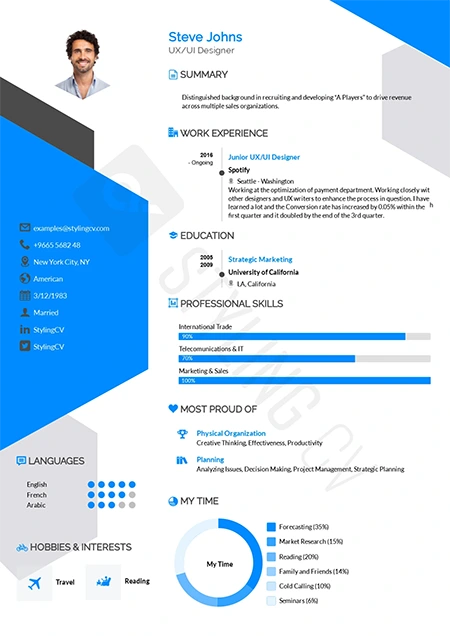
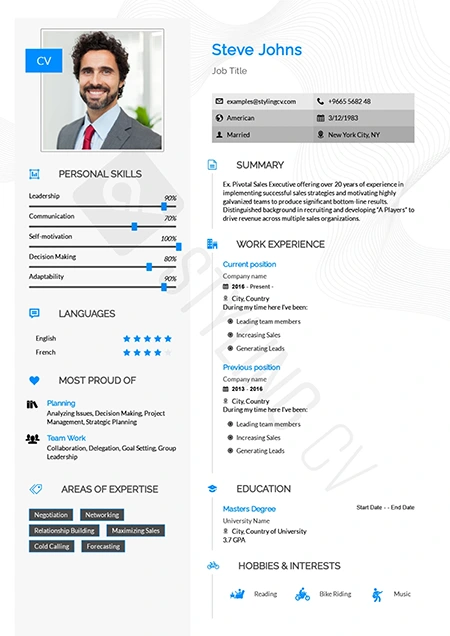
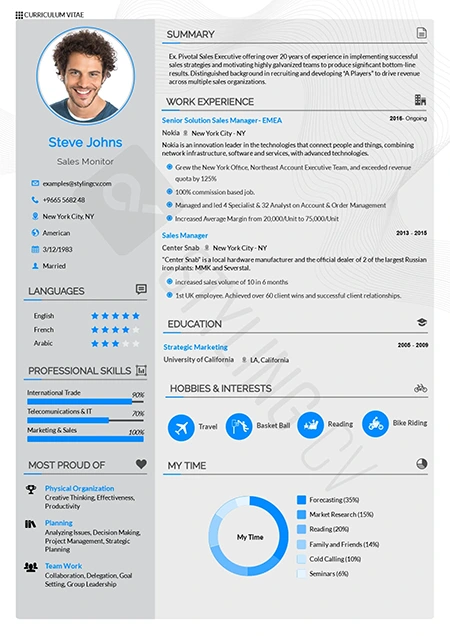
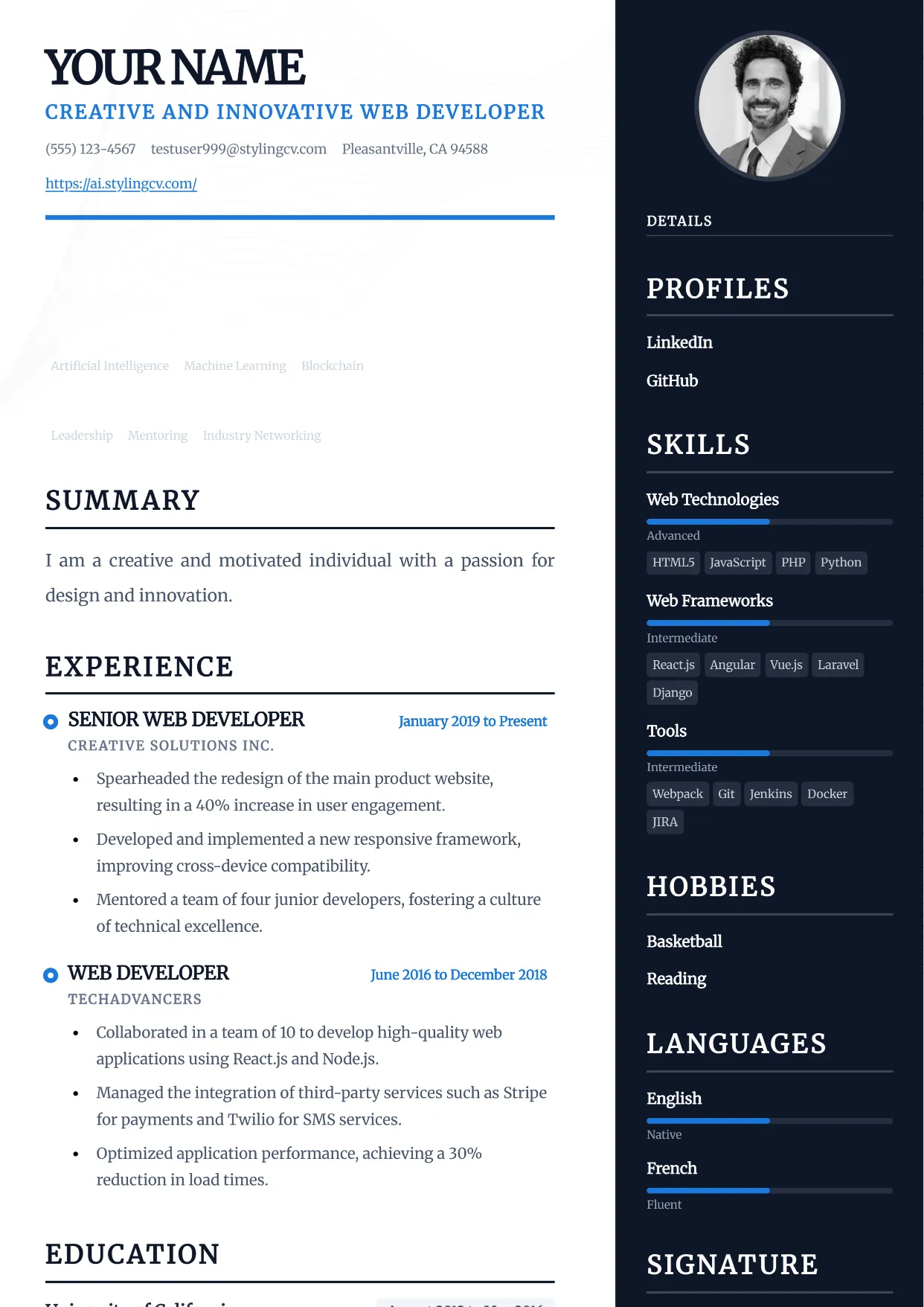
If your gap was extended, a functional or combination resume format (which emphasises skills over chronological work history) may help. StylingCV’s 39+ templates include formats designed for exactly this situation.
How to Explain an Employment Gap in Your Cover Letter
Template: Health or Personal Reasons
“I would also like to address the career break in my history. Between [start date] and [end date], I took a break from full-time employment to [brief reason — recovery / family situation]. I returned to professional activity in [month year] with [specific activity — certification / freelance project / volunteering], and I am now fully committed to returning to a full-time role in [field/sector].”
Template: Upskilling or Education
“During my career break from [date] to [date], I pursued [specific programme or certification] full-time. This period allowed me to develop deep expertise in [specific skills] directly relevant to the [target role]. I am now eager to apply this updated knowledge in a dynamic team environment.”
Template: Caregiving
“After [X] years in [field], I took a career break from [date] to [date] to prioritise family commitments. This period strengthened my abilities in organisation, time management, and stakeholder communication. I am now ready to return to professional work with energy and focus.”
Positive Framing Techniques That Work with Indian Recruiters
Reframe the gap as a decision, not a failure:
– Wrong: “I could not find a job for 18 months.”
– Right: “I deliberately took 18 months to transition into [new area], completing [certification] and building [specific skills] before re-entering the job market.”
Show continued engagement: Mention conferences attended, papers read, communities participated in. Indian employers value candidates who stay connected even during breaks.
Connect the gap to your next role: “Managing household finances during my partner’s job loss taught me crisis financial management — directly applicable to the treasury analyst role.”
Emphasise what is different now: “My gap gave me the space to reflect and enter this next phase with greater clarity and purpose.”
How Indian Employers Actually View Employment Gaps in 2026
IT and Product Companies (MNCs, Startups): Most progressive. Gap of 1-2 years with demonstrable upskilling is rarely a problem. Many Indian IT companies have formal return-to-work programmes.
Banking and Financial Services: More conservative, but gaps explained by education (CFA, CA completion) are well understood. Mid-career gaps require a clear, credible explanation.
Government and PSUs: Hiring processes are rigid — gaps before joining do not matter as eligibility is based on exam scores. For UPSC aspirants, the gap is expected and respected.
Consulting and Management Roles: Consulting firms value diverse experiences. A well-framed gap for education or social impact work can actually strengthen your application.
How to Answer Why Is There a Gap in Your Resume in an Indian Interview
Do: Be honest and brief. Focus on what you gained. Show you are excited and ready. Mention specific skills developed.
Do not: Make excuses or sound defensive. Lie. Apologise excessively. Bring up irrelevant personal details.
Gap for upskilling: “I took 18 months to complete my Executive MBA, which gave me strategic and leadership skills I did not have before, and I am excited to apply them immediately in a growth-oriented company like yours.”
Gap for caregiving: “I took time away from full-time work to care for my family — a decision I do not regret. During that period, I stayed connected to my field through freelance work and online learning, and I am now fully ready to return with renewed energy and focus.”
Gap due to layoff: “My previous company restructure resulted in a team reduction. Rather than rushing into any role, I used the time to upskill in [specific area] and refine my job search targeting — which I believe has positioned me more strategically for this role.”
Frequently Asked Questions
Q1: Will an employment gap hurt my chances with Indian employers in 2026?
It depends on the industry, length of the gap, and how you address it. Gaps of under 12 months are rarely a concern if you can demonstrate continued professional activity. Gaps of 1-3 years may raise questions, but a clear positive explanation (upskilling, certifications, caregiving, health) is widely accepted — especially in IT, startups, and MNCs. Never hide a gap; proactively explaining it is always better than hoping it goes unnoticed.
Q2: How do I explain a long gap (2+ years) in my resume for India?
Focus on what you did during the period and what you gained. Frame it as a deliberate, productive choice. List certifications, projects, freelance work, personal development. In your cover letter, include a brief explanation (1-2 sentences) and offer to discuss further in an interview.
Q3: Should I list freelance work during my employment gap on my resume?
Yes — always. Freelance work, consulting projects, and gig work during a career break demonstrate continued professional engagement. List them under a “Professional Projects” or “Independent Work” section with the same level of detail as formal employment: client, project, your role, and outcome.
Q4: Can I remove an employment gap from my resume?
You should not falsify or remove a genuine employment gap. Indian HR teams cross-reference LinkedIn profiles, EPFO records, and background verification reports. You can use a functional resume format that emphasises skills over chronological history, making gaps less prominent. Always be truthful about dates — discrepancies during background verification can lead to offer withdrawal.
Q5: Does StylingCV help with addressing employment gaps in resumes?
Yes. StylingCV’s 11 AI agents can help you write gap explanations for your professional summary, achievement bullets demonstrating continued productivity, and cover letter text that frames your gap positively. Our 39+ resume templates include formats that reduce emphasis on chronological gaps while maintaining full transparency. Start free at ai.stylingcv.com.
Your career gap is not a weakness — it is a chapter of your professional story. Build a resume that frames your experience positively with StylingCV — 11 AI agents, 39+ templates, ATS-optimised and ready for the Indian job market. Free to start, no credit card required.