CV Development: The Complete Guide to Creating a Professional Curriculum Vitae in 2026
In today's competitive job market, a
professional CV is crucial for standing out among other applicants. As we step into 2026, the importance of a well-crafted curriculum vitae cannot be overstated.
A well-written CV not only showcases your skills and experience but also demonstrates your ability to adapt to the latest trends and best practices in
CV writing.

This guide will walk you through the core principles of creating an effective CV, highlighting the differences between a CV and a resume, and providing actionable tips for
CV development in 2026.
Key Takeaways
- Understand the importance of a professional CV in the 2026 job market
- Learn the core principles of effective CV creation
- Discover the key differences between a CV and a resume
- Get actionable tips for improving your CV writing skills
- Stay updated with the latest trends and best practices in CV development
Understanding the Purpose and Power of a CV
The power of a CV lies in its ability to showcase an individual's professional narrative, making it a crucial tool in the job application process.
What Is a Curriculum Vitae and When to Use It
A Curriculum Vitae, commonly referred to as a CV, is a detailed document that outlines an individual's education, work experience, and skills. It is typically used for academic, research, and professional positions where a comprehensive overview of one's background is required.
When to use a CV: Academic positions, research roles, fellowships, grants, and certain professional licenses.
CV vs Resume: Key Differences and Applications
Understanding the differences between a CV and a resume is essential for job seekers. While both documents are used to showcase a candidate's qualifications, they serve different purposes and have distinct formats.
| Characteristics |
CV |
Resume |
| Length |
Detailed, often 2+ pages |
Concise, usually 1-2 pages |
| Purpose |
Academic, research, comprehensive overview |
General job applications, tailored to specific positions |
| Content |
Includes detailed work history, publications, presentations |
Focused on relevant work experience and skills |
As
"A CV is a comprehensive document that highlights your entire career, while a resume is a concise summary tailored to a specific job application."
, notes career expert,
Jane Doe, Career Coach
. This distinction is crucial for job seekers to understand when deciding which document to use.
CV Development: Core Principles for 2026
To stand out in the competitive job market of 2026, it's crucial to adhere to core principles of effective
CV development. The landscape of job applications is continually evolving, driven by technological advancements and changing employer expectations.
Effective CV development in 2026 hinges on understanding and incorporating current trends and technologies. This not only enhances the visibility of your CV but also ensures it resonates with modern recruitment strategies.
Current Trends Shaping CV Best Practices
The year 2026 has brought to the forefront several key trends in CV writing. There's a significant emphasis on
tailoring your CV to specific job applications, using language from the job posting to highlight relevant skills and experiences.
Another trend is the
integration of digital elements, such as links to professional online profiles or portfolios, which can provide a more comprehensive view of a candidate's capabilities.
Adapting Your CV to Modern Recruitment Technologies
Modern recruitment often involves the use of
Applicant Tracking Systems (ATS), which filter CVs based on specific keywords and formatting. To ensure your CV passes through these systems, it's essential to use relevant keywords from the job description and maintain a clean, straightforward format.
Additionally, incorporating
quantifiable achievements and using action verbs can make your CV more impactful, both for ATS and human readers.
By staying informed about these trends and adapting your CV accordingly, you can significantly improve your chances of success in the job market.
Preparing to Write Your CV: Essential Pre-Work
Before diving into the actual writing of your CV, it's crucial to lay the groundwork with some essential pre-work. This preparatory phase is vital in creating a
professional CV that effectively showcases your skills and experiences.
Effective
CV development begins with a thorough understanding of your strengths and the requirements of your target role. This involves two key steps: self-assessment and research.
Self-Assessment: Identifying Your Unique Value Proposition
Self-assessment is the process of evaluating your skills, experiences, and achievements to identify your
unique value proposition. This involves reflecting on your career goals, key accomplishments, and the skills that set you apart from others in your field.
To conduct a thorough self-assessment, consider the following:
- What are your key strengths and skills?
- What achievements are you most proud of?
- What are your career goals, and how does your current experience align with them?
Researching Industry and Position-Specific Requirements
Once you have a clear understanding of your unique value proposition, the next step is to research the specific requirements of your industry and desired position. This involves analyzing job descriptions, industry reports, and other relevant sources to understand the key skills and qualifications that employers are looking for.
| Industry |
Key Skills Required |
Preferred Qualifications |
| Technology |
Programming languages, data analysis |
Bachelor's degree in Computer Science |
| Healthcare |
Clinical skills, patient care |
Medical degree, certifications |
| Finance |
Financial analysis, budgeting |
CFA certification, MBA |
By combining the insights from your self-assessment with the knowledge of industry and position-specific requirements, you can create a
CV that is tailored to your target role and showcases your unique strengths and qualifications.
Choosing the Best CV Format for 2026
Selecting the appropriate
CV format is a critical step in creating an effective job application in 2026. The right format can highlight your strengths and make your CV more engaging for potential employers.
Chronological, Functional, and Combination Formats
Traditional CV formats include chronological, functional, and combination formats. The
chronological format is ideal for those with a consistent work history, as it lists work experience in reverse chronological order. The
functional format focuses on skills rather than work history, making it suitable for those with gaps in employment or changing careers. The
combination format balances work history and skills, offering a versatile option for many job seekers.
| Format |
Ideal For |
Key Features |
| Chronological |
Those with consistent work history |
Lists work experience in reverse chronological order |
| Functional |
Those with gaps in employment or changing careers |
Focuses on skills rather than work history |
| Combination |
Those who want to balance work history and skills |
Combines elements of chronological and functional formats |
Digital CV Formats and Interactive Elements
In 2026, digital CV formats are becoming increasingly popular, allowing for the inclusion of interactive elements such as links to online portfolios, LinkedIn profiles, or personal websites. Incorporating
QR codes that link to additional information or video resumes can also enhance your CV. When choosing a digital format, ensure it is compatible with various devices and applicant tracking systems (ATS).
By understanding the different CV formats available and considering the incorporation of digital elements, you can create a compelling and effective CV for 2026.
Essential CV Sections and Structure
Understanding the essential sections of a CV is vital for job seekers aiming to stand out in 2026. A well-structured CV not only highlights a candidate's qualifications and experience but also makes it easier for hiring managers to identify the most suitable applicants.
The structure of a CV can vary depending on the industry, experience level, and specific job requirements. However, certain sections are considered fundamental to every
professional CV.
Must-Have Components for Every Professional CV
Every
professional CV should include the following essential sections:
- Contact Information: Ensure this is up-to-date and professional.
- Personal Profile/Summary: A brief overview of your background and career goals.
- Professional Experience: A reverse chronological list of your work experience, focusing on achievements.
- Education and Qualifications: Details of your academic background and relevant certifications.
- Skills: A list of your relevant hard and soft skills.
These sections provide a foundation for showcasing a candidate's professional journey and capabilities.
Optional Sections That Can Set You Apart
While the must-have components provide a solid foundation, including optional sections can help differentiate your CV from others. Consider adding:
- Projects: To highlight significant projects you've led or contributed to.
- Certifications and Awards: To showcase additional qualifications and recognitions.
- Volunteer Work: To demonstrate your skills and character.
- Relevant Tools or Technologies: To highlight your proficiency with industry-specific software or technologies.
| Section |
Purpose |
Tips |
| Contact Information |
To enable employers to get in touch easily. |
Keep it concise and professional. |
| Personal Profile |
To introduce yourself and your career goals. |
Tailor it to the job you're applying for. |
| Professional Experience |
To showcase your work history and achievements. |
Focus on achievements rather than responsibilities. |
Crafting a Compelling Personal Profile/Summary
A well-crafted personal profile can be the key to unlocking your CV's full potential in 2026. This critical section serves as an introduction to your professional brand, highlighting your unique strengths and career objectives.
It should be tailored to the specific job you're applying for, using language from the job posting to demonstrate your relevance and suitability.
Writing Techniques for Maximum Impact
To maximize impact, focus on
cv writing tips such as using action verbs and quantifying your achievements. Keep it concise and compelling, ideally within 2-3 sentences.
For example, instead of saying "responsible for managing a team," say "successfully managed a team of 10, achieving a 25% increase in productivity."
Examples of Effective Profiles Across Industries
Effective personal profiles vary across industries. For instance, a profile for a marketing professional might emphasize campaign successes and digital marketing skills.
- A marketing manager: "Results-driven marketing professional with 5+ years of experience in digital marketing campaigns."
- An academic researcher: "Experienced researcher with a strong background in publishing academic papers and teaching undergraduate courses."
Showcasing Your Professional Experience Effectively
When it comes to showcasing professional experience on a CV, the way you present your background can make all the difference in capturing the attention of potential employers. A well-crafted professional experience section can significantly enhance your chances of standing out in a competitive job market.
To achieve this, it's essential to strike the right balance between providing enough detail to demonstrate your expertise and keeping your CV concise and focused. The way you structure and describe your professional experience can greatly impact how your qualifications are perceived by hiring managers and recruiters.
Achievement-Focused vs. Responsibility-Focused Approaches
There are two primary approaches to presenting professional experience on a CV: achievement-focused and responsibility-focused. A
responsibility-focused approach lists job duties and tasks, providing an overview of what you were responsible for in your previous roles.
In contrast, an
achievement-focused approach emphasizes specific accomplishments and the impact you made in your previous positions. This method is generally more effective, as it provides tangible evidence of your capabilities and the value you can bring to a new employer.
For example, instead of saying "Responsible for managing a team," an achievement-focused CV would state "Successfully managed a team of 10, resulting in a 25% increase in productivity." This demonstrates not just the responsibility, but the actual achievement and its impact.
Quantifying Accomplishments for Greater Impact
Quantifying your accomplishments is a powerful way to demonstrate the impact of your work. By using specific numbers and metrics, you can provide a clear picture of your achievements and make your CV more compelling.
| Quantification Method |
Example |
Impact |
| Percentage Increase |
"Increased sales by 30% within 6 months" |
Demonstrates significant revenue growth |
| Numerical Values |
"Managed a budget of $100,000" |
Shows financial management capability |
| Timeframe |
"Completed project 3 months ahead of schedule" |
Highlights efficiency and time management |
By incorporating these strategies into your CV, you can create a strong professional experience section that effectively showcases your achievements and enhances your career prospects.
Building a Powerful CV Skills Section
As we navigate the evolving job landscape in 2026, the importance of a robust
CV skills section cannot be overstated. The skills section is a vital component of a CV, serving as a quick reference for hiring managers to assess a candidate's suitability for a role.
A well-crafted skills section strikes a balance between
hard skills and
soft skills. Hard skills refer to technical abilities and knowledge specific to a job or industry, while soft skills encompass interpersonal attributes and personal qualities that enhance a candidate's ability to work effectively.
Hard Skills vs. Soft Skills: Finding the Right Balance
The balance between hard and soft skills is crucial. Hard skills are often a prerequisite for being considered for a role, as they directly relate to the job's technical requirements. Soft skills, on the other hand, are increasingly valued as they indicate a candidate's ability to adapt, communicate, and work within a team.
- Identify key hard skills required for your industry or job role.
- Assess your soft skills and how they complement your hard skills.
- Tailor your skills section to highlight the most relevant skills for the position you're applying for.
Industry-Specific Skills That Stand Out in 2026
In 2026, certain skills are gaining prominence across various industries. For instance, skills related to
artificial intelligence,
data analysis, and
digital literacy are highly sought after. Additionally, skills that demonstrate adaptability, such as proficiency in new technologies or methodologies, are highly valued.
To create a powerful
CV skills section, it's essential to stay informed about the current trends and required skills in your industry. By doing so, you can ensure that your CV remains competitive and effectively showcases your capabilities to potential employers.
Education and Qualifications: Presentation Strategies
In the competitive job market of 2026, presenting your educational background and certifications correctly can make a significant difference. A well-crafted education section can significantly enhance your
professional CV, making it more appealing to potential employers.
When it comes to showcasing your educational background, there are several strategies to consider. For freshers, the education section is particularly crucial as it often represents the most substantial part of their CV. It's essential to highlight relevant coursework, academic achievements, and any notable projects undertaken during your studies.
Formatting Education for Maximum Relevance
To maximize the relevance of your education section, consider the following tips:
- List your most recent and relevant qualifications first.
- Include the name of the institution, degree obtained, and dates attended.
- Highlight any academic achievements, such as honors or awards.
- For recent graduates, relevant coursework and projects can be included.
For those with extensive work experience, it's advisable to be more concise with the education section, focusing on the highest qualifications and most relevant achievements.
Highlighting Certifications and Continuing Education
In addition to formal education, certifications and continuing education play a vital role in demonstrating your commitment to professional development. When highlighting these on your CV:
- Clearly state the certification name, issuing organization, and date obtained.
- Include any relevant continuing education courses or workshops.
- Emphasize how these certifications and courses have enhanced your skills and knowledge.
By effectively presenting your education and qualifications, you can significantly strengthen your
CV for freshers or professionals alike, making it more attractive to potential employers.

Tailoring Your CV for Specific Career Scenarios
Adapting your CV to fit specific career scenarios is not just beneficial, it's essential for making a lasting impression on potential employers. Different career paths and industries often require unique approaches to CV writing.
CV for Academic Positions and Research Roles
For academic positions and research roles, your CV should highlight your research experience, academic achievements, and any publications or presentations you've made.
Include a detailed section on your research interests and methodologies. Tailor your CV to the specific department and institution you're applying to, emphasizing how your work aligns with their focus areas.
CV for International Jobs and Global Opportunities
When applying for international jobs, it's crucial to adapt your CV to the cultural and professional norms of the target country.
Research the standard CV formats and expectations for that region. Highlight your international experience, language skills, and any cross-cultural competencies you've developed. Be prepared to translate your CV into the local language if necessary.
CV for Career Changers and Industry Transitions
If you're changing careers or transitioning to a new industry, your CV should focus on transferable skills and relevant experiences.
Emphasize your adaptability, eagerness to learn, and any relevant training or certifications. Use language from the job posting to describe your skills and qualifications, demonstrating your potential to succeed in the new field.
By tailoring your CV to the specific demands of your target career scenario, you significantly increase your chances of standing out to potential employers and landing an interview.
CV Strategies for Different Experience Levels
Whether you're a fresher or a seasoned executive, your CV is often the first impression you make on potential employers. As such, it's crucial to tailor your CV to your level of experience to maximize your chances of success.
CV for Freshers and Recent Graduates
For freshers, the challenge lies in showcasing potential and academic achievements in the absence of extensive work experience.
Highlight academic projects, internships, and relevant coursework to demonstrate skills and knowledge. Utilize the education section to showcase academic achievements such as GPA, academic awards, or relevant extracurricular activities.
Consider including a section on skills acquired during academic projects or internships. For instance, proficiency in specific software or programming languages can be a significant advantage.
| Section |
Freshers |
Experienced Professionals |
| Education |
Highlight GPA, academic awards |
Include relevant certifications, continuing education |
| Skills |
Focus on academic projects, internships |
Emphasize industry-specific skills, soft skills |
| Experience |
Include internships, part-time jobs |
Highlight achievements, leadership roles |
CV for Experienced Professionals and Executives
Experienced professionals should focus on
quantifying achievements and demonstrating the impact of their work. Use specific numbers and metrics to illustrate accomplishments, such as "increased sales by 25% in 6 months" or "managed a team of 10 people."
For executives, highlighting leadership skills, strategic decisions, and their outcomes is crucial. Emphasize experience in managing large teams, budgets, and projects, and include any relevant industry-specific achievements or recognitions.
Design and Formatting: Visual Best Practices
In the competitive job market of 2026, a well-designed CV is crucial for making a lasting impression on potential employers. The visual presentation of your CV can significantly impact how your qualifications and experience are perceived.
A well-structured CV not only showcases your skills and achievements but also demonstrates your attention to detail and professionalism.
Typography, Spacing, and Layout Considerations
Choosing the right typography, spacing, and layout is essential for creating a clear and readable CV.
Stick to standard fonts like Arial, Calibri, or Helvetica, as they are easy to read on both digital and print formats.
Use a font size between 10 and 12 points for the main content, and ensure that headings are clearly distinguishable. Adequate spacing between sections improves readability and gives your CV a clean look.
| Typography Element |
Recommended Style |
Impact on Readability |
| Font Type |
Arial, Calibri, Helvetica |
Enhances digital and print readability |
| Font Size (Main Content) |
10-12 points |
Ensures comfortable reading |
| Headings |
Clear distinction from main content |
Improves navigation and scanability |
Color Usage and Visual Elements in Modern CVs
While a traditional CV is typically black and white, incorporating subtle color can enhance visual appeal.
Use color sparingly to highlight key information, such as section headings or achievements.
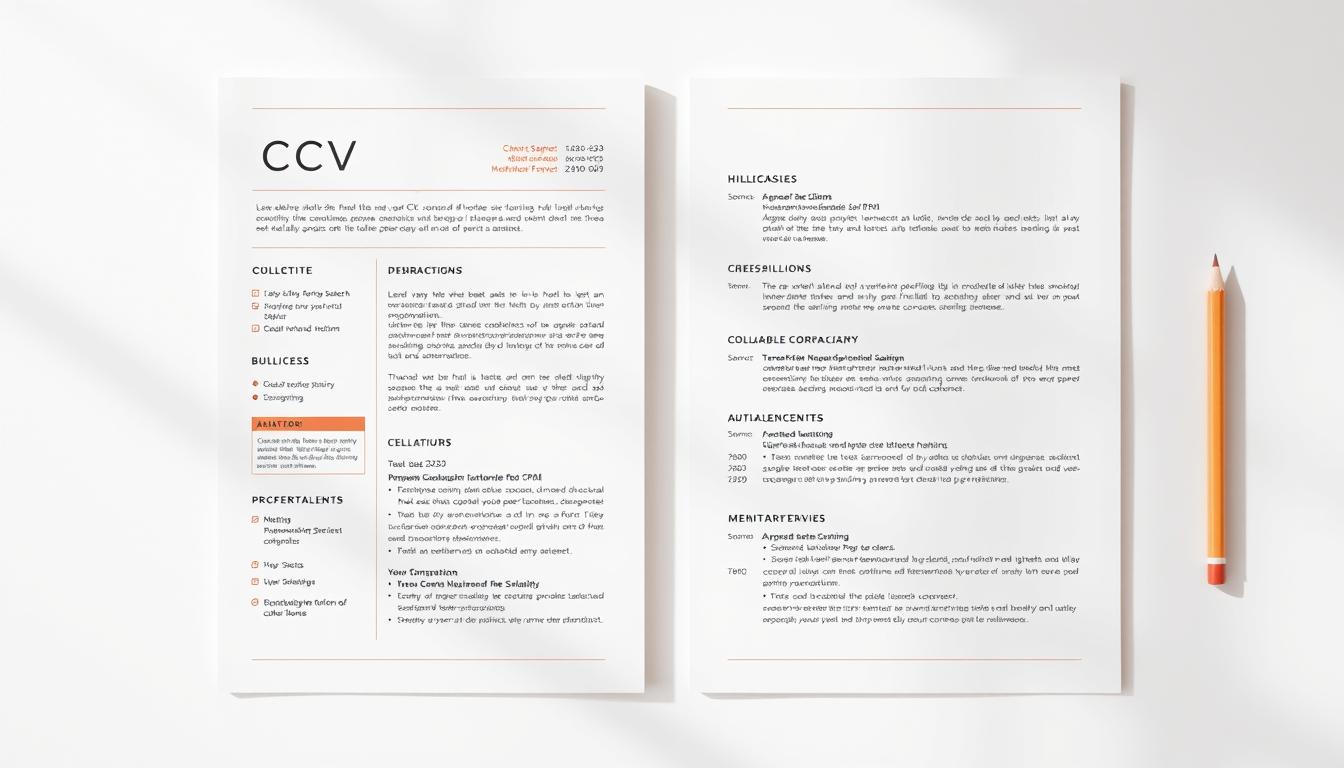
When using visual elements, ensure they complement the content rather than overshadow it. A well-placed icon or a simple graphic can make your CV more engaging, but maintain a professional tone.
Technology Integration: Digital Enhancements for Your CV
The modern job application process demands more than just a well-written CV; it requires a blend of traditional content and modern technology. As we delve into 2026, incorporating digital elements into your CV can significantly enhance its impact and visibility.
QR Codes, Links, and Interactive Elements
Incorporating QR codes, links, and other interactive elements into your CV can provide potential employers with quick access to more detailed information about your professional background and achievements. For instance, you can link to your professional LinkedIn profile or a personal website showcasing your portfolio. When using these elements, ensure they are:
- Relevant to the job you're applying for
- Professionally managed and up-to-date
- Tested to ensure they work correctly across different devices
Using QR codes to link to additional content, such as a video resume or a detailed project description, can also add a dynamic layer to your CV. However, it's crucial to strike a balance between innovation and professionalism.
Optimizing Your CV for Applicant Tracking Systems (ATS)
Many companies use Applicant Tracking Systems (ATS) to filter and manage job applications. To ensure your CV passes through these systems successfully, it's essential to optimize it with relevant keywords from the job description. This involves:
- Carefully reading the job posting to identify key phrases and requirements
- Incorporating these keywords naturally into your CV, especially in sections like skills and work experience
- Avoiding overuse of keywords to maintain readability and authenticity
By combining digital enhancements with ATS optimization, you can significantly improve your CV's effectiveness in the modern job market. This strategic approach not only makes your CV more visible but also showcases your adaptability and tech-savviness to potential employers.
Finalizing Your CV: Review and Optimization Process
The final step in crafting a compelling CV involves a meticulous review and optimization process. This critical phase ensures that your CV is not only error-free but also effectively communicates your value to potential employers.
Proofreading Strategies and Common Pitfalls to Avoid
Effective proofreading is crucial for eliminating errors and enhancing the overall quality of your CV. To achieve this,
utilize a combination of digital tools and human review. Start by using grammar and spell check tools to identify obvious mistakes. Then, carefully read your CV multiple times, checking for consistency in formatting, verb tense, and style.
Common pitfalls to avoid include typos, inconsistent formatting, and grammatical errors. It's also important to ensure that your CV is tailored to the specific job you're applying for, highlighting relevant skills and experiences.
Reading your CV aloud can help you catch awkward phrasing and unclear statements.
Getting Professional Feedback and Making Revisions
Seeking feedback from professionals can provide valuable insights into how your CV can be improved. Consider
consulting with a career counselor or using a professional CV review service. They can offer objective feedback on the content, structure, and overall impact of your CV.
When making revisions, focus on
clarity, conciseness, and relevance. Ensure that your CV clearly communicates your achievements and qualifications. Remove any unnecessary information and tailor your CV to the specific job requirements. By incorporating feedback and making targeted revisions, you can significantly enhance the effectiveness of your CV.
Conclusion: Your Path to CV Excellence in 2026
Crafting a professional CV is a crucial step in advancing your career in 2026. Through this guide, we've explored the essential elements of cv development, from understanding the purpose and power of a CV to tailoring it for specific career scenarios.
By applying the principles outlined in this guide, you can create a compelling professional cv that showcases your skills, experience, and achievements effectively. Utilizing cv examples as inspiration can also help you tailor your CV to your industry and career goals.
To further enhance your CV and ensure it stands out in a competitive job market, consider leveraging professional tools and services. StylingCV's CV builder offers a streamlined and efficient way to create a visually appealing and effective CV. Their professional services can provide personalized guidance and support to help you achieve CV excellence.
By combining the insights from this guide with the resources available through StylingCV, you can confidently take the next step in your career journey, equipped with a CV that truly represents your professional brand.
FAQ
What is the ideal length for a professional CV in 2026?
The ideal length for a professional CV in 2026 is typically two pages, but it can vary depending on the industry, experience level, and specific job requirements. For instance, individuals in academia or research may require longer CVs to list their publications and research experience.
How often should I update my CV?
It's recommended to update your CV every 3-6 months or whenever you acquire new skills, certifications, or significant work experience. Regular updates ensure your CV remains current and ready for new opportunities.
What is the difference between a CV and a resume?
A CV is a comprehensive document that details your entire career history, education, and achievements, typically used for academic, research, or professional positions. A resume is a concise document tailored to a specific job application, highlighting relevant skills and experiences.
How can I make my CV stand out in a competitive job market?
To make your CV stand out, focus on creating a strong personal profile, highlighting achievements rather than just listing responsibilities, and incorporating relevant industry-specific keywords. Additionally, consider using a professional
CV template and tailoring your CV to the specific job you're applying for.
Should I include a photo on my CV?
Including a photo on your CV is generally not recommended unless it's a specific requirement for the job or industry you're applying to. In some countries, like the United States, it's common to omit photos to avoid bias, while in others, like some European countries, it's more common to include them.
How do I optimize my CV for Applicant Tracking Systems (ATS)?
To optimize your CV for ATS, use relevant keywords from the job description, choose a clear and standard font, and save your CV in a compatible file format (such as .docx or .pdf). Avoid excessive formatting and ensure your CV is easy to read.
Can I use the same CV for different job applications?
While you can use a base CV, it's crucial to tailor your CV for each job application by highlighting the skills and experiences most relevant to the specific job. This increases your chances of passing through ATS and catching the eye of the hiring manager.
What are the most important sections to include in a CV?
The most critical sections to include in a CV are a professional summary, work experience, education, and skills. Depending on your background and the job, you may also include relevant projects, certifications, or volunteer work to enhance your application.