Resume Scanner 2026: Check if Your Resume Passes ATS

Quick answer: A resume scanner checks your document against the same ATS algorithms recruiters use — flagging missing keywords, formatting issues, and structural problems. 98% of Fortune 500 companies use ATS software (Jobscan, 2024), so scanning before you apply is non-negotiable. Free tools like StylingCV’s checker score your resume 0-100 against any job description.
98% of Fortune 500 companies use ATS software to filter resumes before a human ever sees them. If your resume doesn’t pass that first scan, it doesn’t matter how qualified you are. You’re invisible.
A resume scanner checks your document against the same algorithms recruiters use. It flags formatting issues, missing keywords, and structural problems that get resumes auto-rejected. In 2026, running your resume through a scanner before applying isn’t optional — it’s survival.
How ATS Resume Scanning Actually Works
When you submit a resume online, here’s what happens behind the scenes:
Parsing. The ATS extracts your text, breaking it into sections: contact info, work experience, education, skills.
Keyword matching. It compares your resume against the job description, looking for specific skills, job titles, and qualifications.
Scoring. Most systems assign a match score. Resumes above a threshold (usually 70-80%) get forwarded to recruiters. Below that? Ghosted.
Ranking. Among the “passed” resumes, the ATS ranks them by relevance. Higher scores see the recruiter first.
That’s it. No magic, no AI conspiracy. It’s a keyword filter with formatting rules. Beat the filter, get the interview.
What a Resume Scanner Checks
Good scanners evaluate your resume across 6 dimensions:
| Check | What It Looks For | Why It Matters |
|---|---|---|
| Keywords | Skills and terms from the job posting | Missing keywords = automatic low score |
| Formatting | Headers, bullet points, section order | Confusing layouts break the parser |
| File type | PDF vs DOCX compatibility | Some ATS can’t read PDFs properly |
| Contact info | Name, email, phone, LinkedIn | If parsed wrong, they can’t reach you |
| Section headers | Standard headers (Experience, Education) | Creative headers like “My Journey” confuse ATS |
| Date formats | Consistent employment dates | Gaps and inconsistencies get flagged |
Free Resume Scanner: StylingCV ATS Checker
You don’t need to pay $30/month for a scanner. StylingCV includes a free ATS resume checker that scores your resume against any job description.
Here’s what it does:
- Scores your resume 0-100 against the specific job posting
- Highlights missing keywords you should add
- Flags formatting issues that trip up ATS parsers
- Shows exactly which sections need work
- Compares your resume against top-performing candidates
Over 6 million professionals have used StylingCV‘s scanner, with a 95% ATS pass rate on optimized resumes. That’s not marketing fluff — it’s what happens when you actually fix the issues a scanner flags.
Scan your resume free with StylingCV
7 Resume Formatting Mistakes That Fail ATS Scans
These are the most common reasons resumes get auto-rejected:
1. Using tables for layout. Many ATS parsers can’t read content inside tables. Use them sparingly, and never for your main content structure.
2. Headers and footers. Contact info in a header? Some ATS skip it entirely. Put your name, email, and phone in the main body.
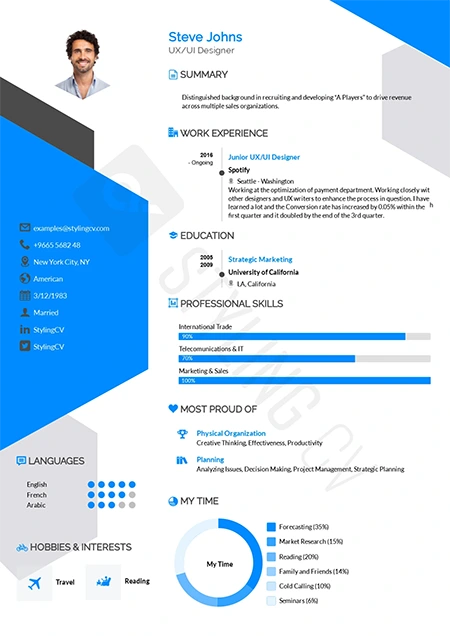
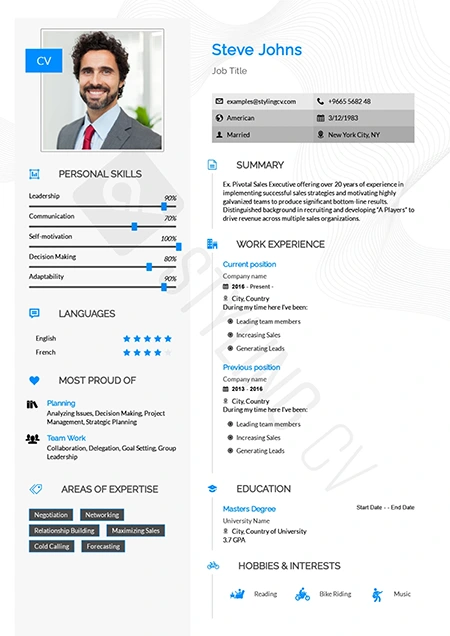
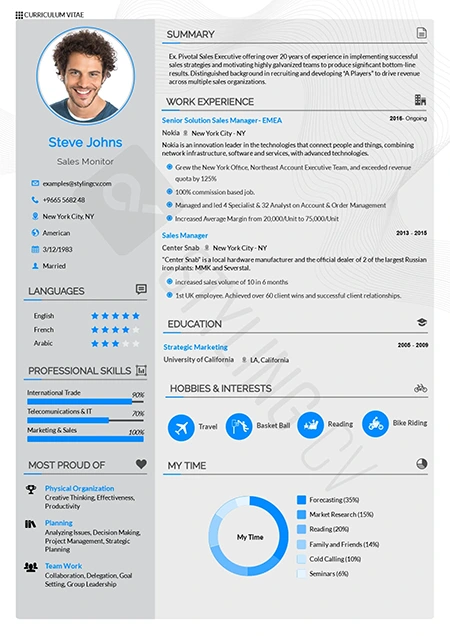
3. Graphics and icons. That skill bar chart looks great to humans. ATS sees nothing. Replace graphics with plain text.
4. Uncommon file formats. Stick to .docx or .pdf. Some older ATS struggle with PDFs — .docx is the safest bet.
5. Creative section headers. “Where I’ve Made an Impact” is a cute header. ATS has no idea what it means. Use “Work Experience.”
6. Keyword stuffing. Listing “project management” 15 times in white text? ATS vendors caught onto that trick in 2019. Use keywords naturally.
7. Missing job title match. If the posting says “Marketing Manager” and your resume says “Brand Lead,” the ATS might not connect them. Mirror the exact title where truthful.
For a complete breakdown of formatting errors, see our ATS formatting mistakes guide.
How to Optimize Your Resume After Scanning
Running a scan is step one. Fixing the issues is where the real work happens. Here’s my framework:
Step 1: Fix Critical Errors First
Anything the scanner flags as “critical” — missing contact info, broken formatting, unreadable sections — fix these before anything else. A perfect resume with no phone number is useless.
Step 2: Add Missing Keywords
Look at the keywords the scanner says you’re missing. If they match skills you actually have, add them to your work experience bullets or skills section. Don’t add skills you don’t have — you’ll get caught in the interview.
Step 3: Restructure for Readability
Make sure your resume follows a standard structure: Summary → Experience → Education → Skills. ATS expects this order. Putting Education before Experience (unless you’re a fresh graduate) confuses the parser.
Step 4: Re-scan
After making changes, scan again. You should see your score jump 15-30 points. If it’s still below 80%, keep iterating.
ATS Scanner vs. Human Review
Here’s a stat most people don’t know: even after passing ATS, a recruiter spends an average of 7.4 seconds on your resume before deciding to keep reading or move on.
So you need to pass two filters:
- The ATS filter: keywords, formatting, structure
- The human filter: clear achievements, clean design, compelling summary
A resume that passes ATS but reads like a wall of text gets rejected by the human anyway. Balance both. Use keywords naturally within accomplishment-driven bullets — that’s the sweet spot.
Scan Before You Apply
Resume scanning isn’t cheating. It’s preparation. Athletes watch game film before playing. Writers proofread before publishing. And smart job seekers scan their resumes before applying.
Take 5 minutes. Run your resume through StylingCV’s free scanner. Fix what it flags. Then apply with confidence instead of hoping for the best.
After scanning your resume, you might need to update your summary or skills section. Both guides show you exactly what to include.
Build Your Resume Free with StylingCV
Join 6M+ professionals. 95% ATS pass rate. 300+ templates. 11 AI agents.