How to Optimize Your Resume for ATS in 2026: Beat the Bots and Get More Interviews
Learn how to optimize your resume for ATS (Applicant Tracking Systems) in 2026. Step-by-step guide with keyword strategies, formatting tips, and a free checklist to beat resume screening bots and land more interviews.

75%. That’s how many resumes get rejected by ATS software before a human ever reads them. If your resume keeps disappearing into a black hole every time you apply, you’re not alone — and it’s not because you’re unqualified. It’s because the robot reading your resume can’t understand it.
In 2026, Applicant Tracking Systems are smarter than they’ve ever been. But here’s the thing: the strategies to beat them have gotten smarter too. I’ve seen millions of resumes go through StylingCV’s ATS optimization engine, and the patterns are clear. Let me walk you through exactly what works.
What Is an ATS (Applicant Tracking System)?
An ATS is software that employers use to collect, sort, scan, and rank job applications. Think of it as a gatekeeper between you and the hiring manager.
Here’s how it works:
- You submit your resume through a job board or company career page
- The ATS parses your resume — extracting your name, contact info, work history, education, and skills
- It ranks your resume against the job description based on keyword matches, formatting, and qualifications
- Only the top-ranked resumes get forwarded to a human recruiter
In 2026, the major ATS platforms include Greenhouse, Lever, Workday, iCIMS, Taleo, and BambooHR. Each parses resumes slightly differently, but the core principles are the same.
Key stat: 98% of Fortune 500 companies use an ATS. Even small and mid-size businesses increasingly rely on them — over 75% of all employers in 2026.
Why Your Resume Gets Rejected by ATS
Before we fix your resume, let’s understand what’s breaking it:
Common ATS Killers
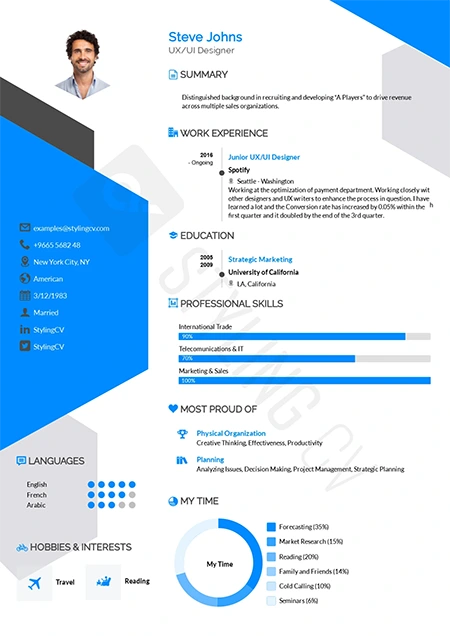
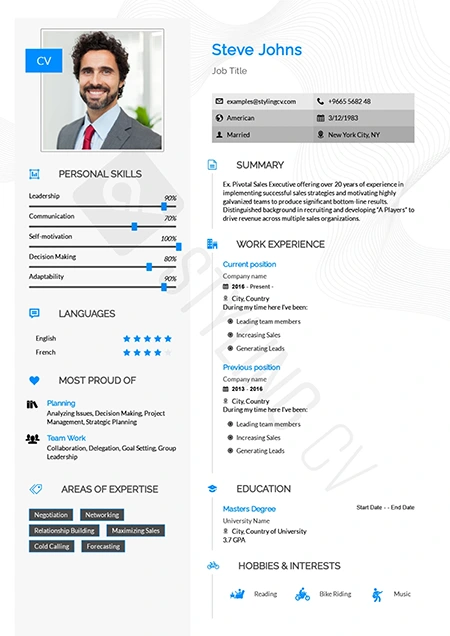
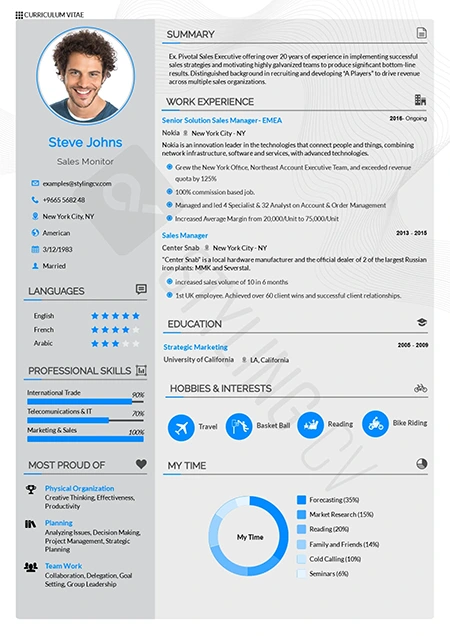
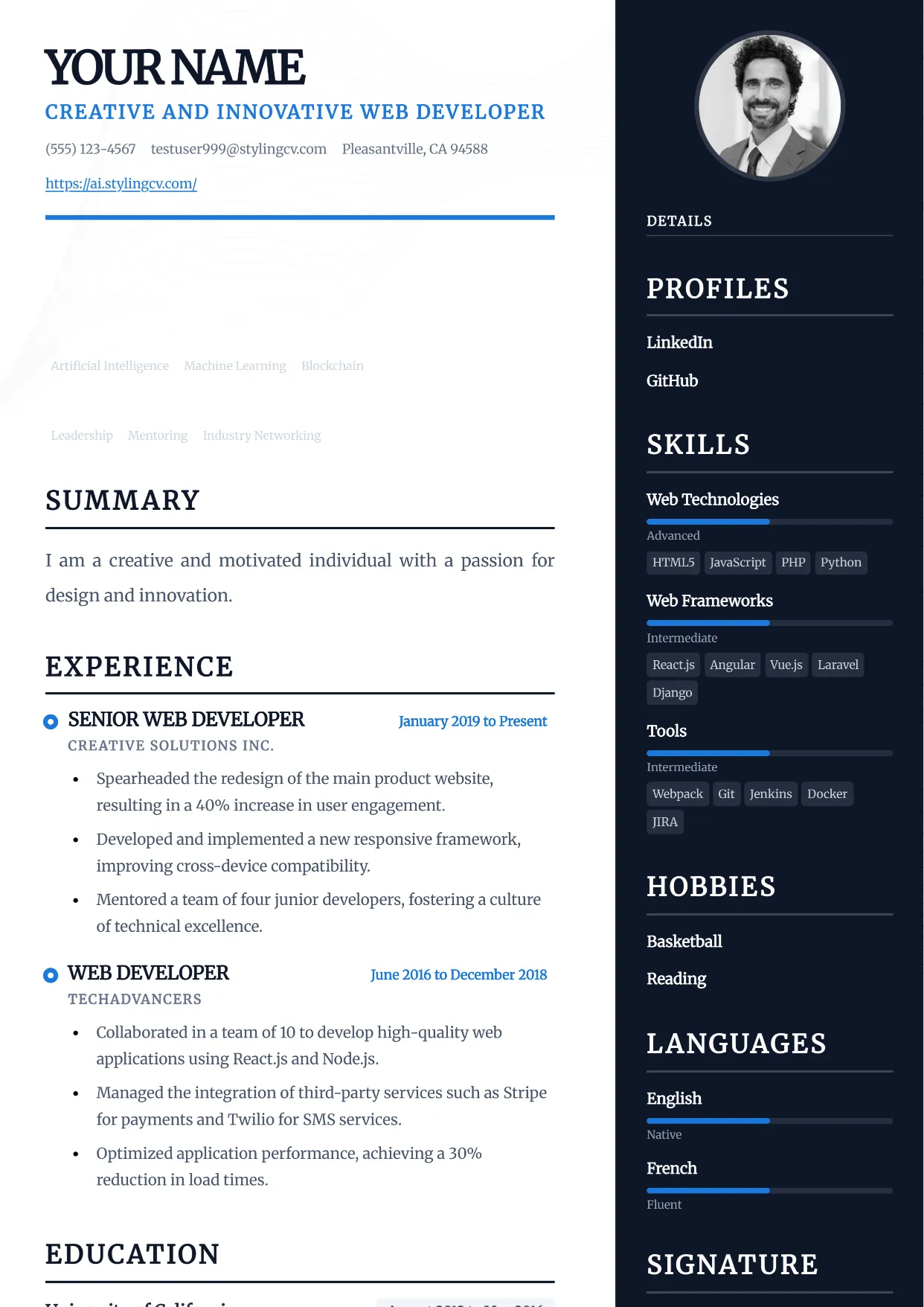
- Fancy formatting — Tables, columns, graphics, icons, and text boxes confuse ATS parsers
- Missing keywords — If the job asks for “project management” and you write “managed projects,” you might not match
- Wrong file format — Some ATS platforms struggle with PDFs, especially image-based ones
- Headers and footers — Many ATS systems skip content in headers/footers entirely
- Creative section titles — “My Journey” instead of “Work Experience” means the ATS can’t find your history
- Uncommon fonts — Stick to standard fonts the parser can read
- Keyword stuffing — Modern ATS uses semantic analysis; unnatural repetition can hurt your ranking
Step-by-Step: How to Optimize Your Resume for ATS
Step 1: Analyze the Job Description
This is where most job seekers fail. They send the same generic resume to every job.
Instead, do this:
- Read the job posting 2-3 times
- Highlight every hard skill (Python, SEO, QuickBooks, AWS)
- Highlight every soft skill (leadership, communication, problem-solving)
- Note tools and technologies mentioned
- Identify certifications or qualifications required
- Pay attention to exact phrasing — if they say “data analysis,” use “data analysis,” not “analyzing data”
Pro tip: Copy the job description into a word frequency tool. The most repeated terms are your highest-priority keywords.
Step 2: Match Keywords Naturally
Once you’ve got your keyword list, weave them into your resume:
- Professional Summary — Include 3-5 top keywords in your opening 2-3 sentences
- Work Experience — Use keywords in bullet point descriptions of achievements
- Skills Section — List exact skill names from the job posting
- Education — Include relevant coursework or degree keywords
Example:
Instead of: “Responsible for various tasks related to marketing”
Write: “Led digital marketing campaigns using Google Analytics, SEO optimization, and A/B testing, increasing organic traffic by 45% over 6 months”
The second version naturally includes digital marketing, Google Analytics, SEO, A/B testing, and organic traffic — all likely ATS keywords for a marketing role.
Step 3: Use Standard Section Headings
ATS systems scan for specific section labels. Use these:
- Professional Summary (or Summary, Profile)
- Work Experience (or Professional Experience, Employment History)
- Education
- Skills (or Technical Skills, Core Competencies)
- Certifications (or Licenses and Certifications)
Avoid creative alternatives like “Where I Have Made an Impact” or “My Toolbox” — the ATS won’t recognize them.
Step 4: Choose ATS-Friendly Formatting
Do this:
- Single-column layout
- Standard fonts: Arial, Calibri, Georgia, Helvetica, Times New Roman
- Font size: 10-12pt for body text, 14-16pt for your name
- Bold and italic for emphasis (these parse fine)
- Bullet points for listing achievements
- Consistent date formatting (e.g., “Jan 2023 – Present”)
Avoid this:
- Multi-column layouts
- Tables for skills or experience
- Graphics, icons, or logos
- Text boxes
- Headers/footers for important info
- Unusual bullet symbols
Step 5: Save in the Right File Format
The golden rule: Follow the instructions in the job posting.
- If they say PDF — submit PDF
- If they say Word/.docx — submit .docx
- If no format specified — .docx is generally safer for ATS
Important: Make sure your PDF contains selectable text, not a scanned image. Test this by trying to highlight and copy text from the PDF. If you can’t select text, the ATS can’t read it either.
Step 6: Test Your Resume Before Sending
Here’s a quick DIY ATS test:
- Copy-paste test: Open your resume, select all text (Ctrl+A), copy it, and paste into Notepad or a plain text editor. If the content flows logically and nothing is jumbled or missing, your formatting is clean.
- Use an ATS checker: Tools like StylingCV’s AI Resume Builder automatically format your resume for ATS compatibility and flag potential issues.
- Check for parse errors: Upload your resume to a free ATS simulator to see how it reads your information.
ATS Resume Template: What It Should Look Like
Here’s the ideal ATS-friendly resume structure:
FIRST NAME LAST NAME
City, State | Phone | Email | LinkedIn URLPROFESSIONAL SUMMARY — 2-3 sentences with top keywords from the job description
WORK EXPERIENCE — Job Title | Company Name | City, State | Dates — with achievement bullets using keywords and quantified results
EDUCATION — Degree | University Name | Graduation Year
SKILLS — Skill 1 | Skill 2 | Skill 3 | Skill 4 | Skill 5
CERTIFICATIONS — Certification Name — Issuing Organization (Year)
Clean. Simple. Effective. The ATS reads every section without confusion.
Advanced ATS Optimization Tips for 2026
1. Use Both Acronyms and Full Terms
Write “Search Engine Optimization (SEO)” the first time, then use either form afterward. Different ATS platforms search for different versions.
2. Match Job Title Language
If the posting says “Marketing Manager” and your previous title was “Brand Lead,” consider adding the equivalent: “Brand Lead (Marketing Manager)” — as long as it’s truthful.
3. Include a Skills Section with Exact Matches
Pull 8-12 skills directly from the job posting’s requirements section. List them as-is in your skills section.
4. Don’t Hide Information in Images or Graphics
Infographic resumes look great on Pinterest but fail in ATS. Save the visual version for networking events; use the ATS version for applications.
5. Optimize Your File Name
Name your file professionally: FirstName_LastName_Resume.pdf — not “resume_final_v3_REAL.docx”
6. Use the STAR Method in Bullet Points
Situation, Task, Action, Result — bullets that follow this structure naturally include keywords and show impact. For example: “Reduced customer churn by 22% by implementing a new CRM follow-up workflow for at-risk accounts.”
How StylingCV Helps You Beat ATS
Building an ATS-optimized resume from scratch takes hours of formatting, keyword research, and testing. StylingCV’s AI resume builder handles it automatically:
- AI-powered keyword matching — Analyzes job descriptions and suggests relevant keywords for your resume
- ATS-friendly templates — Every template is tested against major ATS platforms (Greenhouse, Workday, Lever, and more)
- Smart formatting — Single-column layouts, standard headings, clean fonts — all built in
- Instant ATS score — See how your resume ranks before you submit it
- Export in any format — Download as .docx or PDF with proper text encoding
Build your ATS-optimized resume free at StylingCV
ATS Optimization Checklist
Use this checklist before every application:
- Resume tailored to the specific job description
- 15-25 relevant keywords included naturally
- Standard section headings (Summary, Experience, Education, Skills)
- Single-column layout with no tables or graphics
- Standard font (Arial, Calibri, or Georgia)
- .docx format (unless PDF specifically requested)
- No content in headers or footers
- Both acronyms and full terms included (SEO / Search Engine Optimization)
- File named: FirstName_LastName_Resume
- Copy-paste test passed (reads logically in plain text)
Related Guides:
Try StylingCV’s AI Resume Builder free — 11 specialized AI agents create ATS-optimized resumes in under 60 seconds.
Frequently Asked Questions
What is an ATS and how does it work?
An ATS (Applicant Tracking System) is software used by employers to collect, sort, and rank job applications. It scans resumes for keywords, formatting, and qualifications before a human ever sees them. Over 98% of Fortune 500 companies and 75% of all employers use ATS software in 2026.
What file format should I use for an ATS-friendly resume?
Use .docx (Word) unless the job posting specifically requests PDF. Most ATS platforms parse .docx files more reliably. If you submit a PDF, make sure it contains selectable text — not scanned images. StylingCV’s resume builder exports in both formats with ATS-optimized formatting.
How many keywords should I include in my resume for ATS?
Include 15 to 25 relevant keywords naturally throughout your resume. Pull them directly from the job description. Place the most important keywords in your professional summary, work experience bullet points, and skills section. Avoid keyword stuffing — ATS systems in 2026 use semantic matching and can detect unnatural repetition.
Can ATS read tables, columns, and graphics on a resume?
Most ATS systems can’t reliably parse tables, multi-column layouts, headers/footers, text boxes, or graphics. Stick to a single-column layout with standard section headings. Use bullet points instead of tables for listing skills or experience.
How do I know if my resume is ATS-friendly?
Use an ATS resume checker tool to scan your resume. StylingCV’s AI resume builder automatically formats your resume for ATS compatibility, checking for proper headings, keyword density, file format, and clean formatting. You can also test by copying your resume text into a plain text editor — if it reads logically, most ATS systems will parse it correctly.
Last updated: August 21, 2026