Warning: Constant MWSEO_VERSION already defined in /home/u724659094/domains/stylingcv.com/public_html/wp-content/plugins/seo-engine/seo-engine.php on line 16
Warning: Constant MWSEO_PREFIX already defined in /home/u724659094/domains/stylingcv.com/public_html/wp-content/plugins/seo-engine/seo-engine.php on line 17
Warning: Constant MWSEO_DOMAIN already defined in /home/u724659094/domains/stylingcv.com/public_html/wp-content/plugins/seo-engine/seo-engine.php on line 18
Warning: Constant MWSEO_ENTRY already defined in /home/u724659094/domains/stylingcv.com/public_html/wp-content/plugins/seo-engine/seo-engine.php on line 19
Warning: Constant MWSEO_PATH already defined in /home/u724659094/domains/stylingcv.com/public_html/wp-content/plugins/seo-engine/seo-engine.php on line 20
Warning: Constant MWSEO_URL already defined in /home/u724659094/domains/stylingcv.com/public_html/wp-content/plugins/seo-engine/seo-engine.php on line 21
Warning: Constant MWSEO_PRO already defined in /home/u724659094/domains/stylingcv.com/public_html/wp-content/plugins/seo-engine/seo-engine.php on line 22
Warning: Constant MWSEO_ITEM_ID already defined in /home/u724659094/domains/stylingcv.com/public_html/wp-content/plugins/seo-engine/seo-engine.php on line 23
Warning: The magic method Merlin_Logger::__wakeup() must have public visibility in /home/u724659094/domains/stylingcv.com/public_html/wp-content/themes/softing/inc/merlin/includes/class-merlin-logger.php on line 194
The Career Mastery Hub 2026
Your definitive strategic guide to navigating the future of work, mastering the job market, and engineering long-term professional success.
I. The 2026 Paradigm: Work Reimagined
The professional landscape of 2026 is no longer defined by linear paths or rigid roles. We have entered the era of the “Dynamic Career Architect.” In this world, the convergence of Agentic AI, decentralized work structures, and a shift toward skills-based hiring has created both unprecedented complexity and massive opportunity.
To succeed today, one must understand that a job is no longer a destination; it’s a project. Companies are moving away from traditional headcount towards “capability matching.” This means the most valuable asset you possess isn’t your degree or your tenure—it’s your ability to adapt, your “Agility Quotient” (AQ), and your mastery of human-AI collaboration.
The Three Pillars of the 2026 Workforce:
-
1Agentic Integration: Knowing how to orchestrate AI agents to handle repetitive tasks while you focus on high-level strategic decision-making.
-
2Global Mobility: The ability to work across borders and time zones in a hybrid-first world without losing cultural or professional impact.
-
3Proof of Impact: Shifting the focus from “what I did” to “what value I created.” Metrics-driven storytelling is the requirement, not the exception.
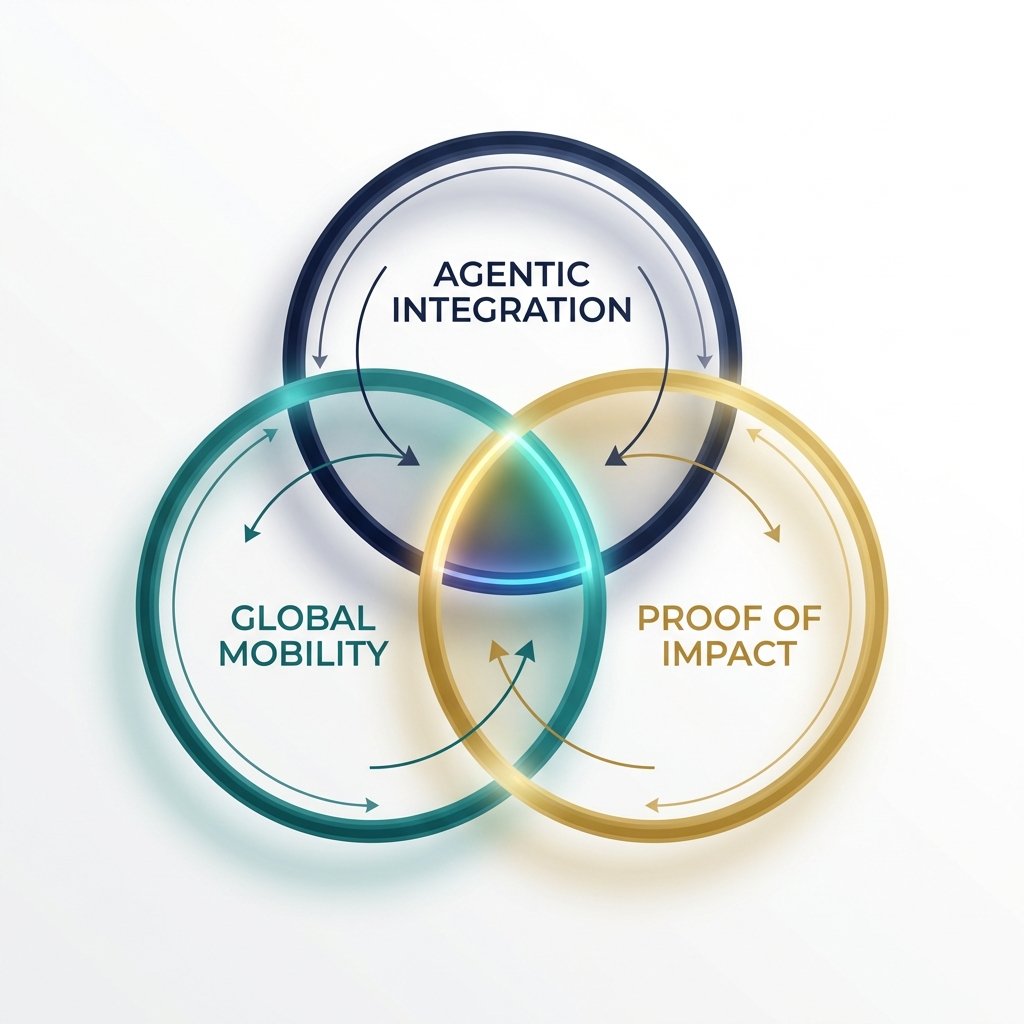
Figure 1: The Convergence of the 2026 Professional Landscape
Build resumes that pass AI screening
Position Yourself as a
Dynamic Career Architect
Create a modular, context-aware resume optimized for both ATS and human recruiters in minutes.
II. Building Your Professional Narrative
Your resume is no longer a static document. It is a data-rich profile that must satisfy both high-speed AI screening (ATS) and the discerning eye of a human recruiter looking for “cultural additive” (not just cultural fit). In 2026, the most effective resumes are Modular and Context-Aware.
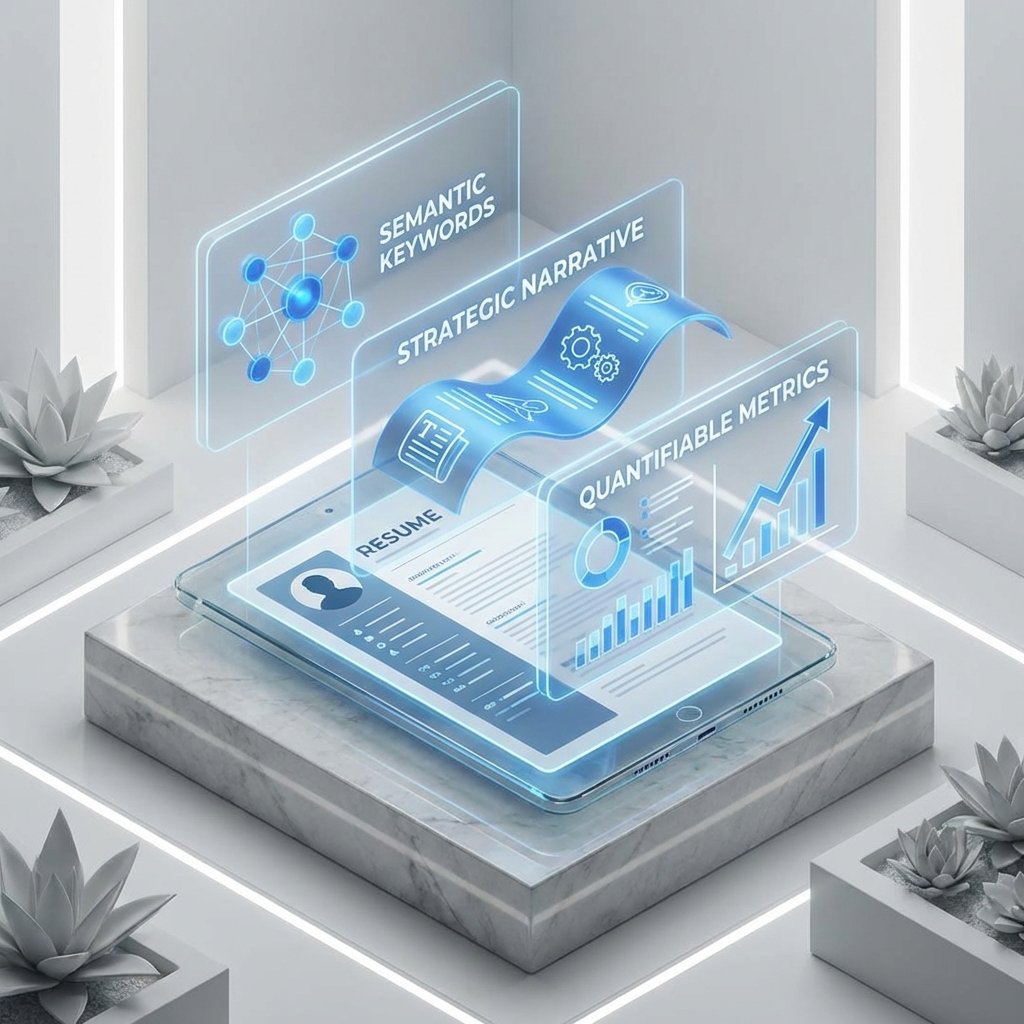
Figure 2: The Three Layers of a High-Performance Resume
The Anatomy of a Modern Resume:
A high-performance resume today must possess three distinct layers of optimization:
- The Semantic Layer: Keywords that match the job description’s underlying intent, not just literal strings.
- The Narrative Layer: A professional summary that acts as a mission statement, positioning you as a solution to a specific problem.
- The Evidence Layer: Concrete, quantifiable achievements (e.g., “Scaled revenue by 12% in 6 months using AI-automated CRM workflows”).
“The resume of 2026 is a living document. It should evolve with every application, reflecting the specific high-value skills the target organization is currently starved for.”
Beyond the resume, your LinkedIn profile has become your secondary website. It serves as verified social proof. Recruiters are now using sophisticated tools to verify your “knowledge density” by looking at your shared content, endorsements, and the quality of your professional network.
3-layer optimized resumes
Only 2% of resumes win.
Yours will be one of them.
Build a resume with semantic keywords, strategic narrative, and quantifiable evidence.
III. The Strategic Search Engine
Applying to 100 jobs on LinkedIn or Indeed with a single click is a recipe for burnout and rejection. In 2026, the successful job seeker uses the “Precision Strike” method. This involves identifying 5-10 high-value target companies and building a deep, multi-channel entry strategy for each.
Multichannel Entry Strategies:
| Strategy | How it Works |
|---|---|
| Internal Referral | Leveraging your existing network to get an “insider recommend.” This bypasses 90% of the ATS filter. |
| Content Authority | Publishing an insightful article about a challenge the company is facing, then tagging their hiring leads. |
| Direct Value Pitch | Sending a personalized “Value Proposition” deck (3 slides) directly to the department head via email. |
The “Hidden Job Market”—jobs that are never posted publicly—now accounts for nearly 75% of high-level hires. Tapping into this requires a proactive, investigative approach to networking that feels like a collaborative partnership rather than a favor-seeking mission.
AI builder is 10x faster than doing it on your own
Only 2% of resumes win.
Yours will be one of them.
Build the resume that gets you hired. Finish a draft in 10 minutes with our AI-powered resume builder.
4.5/5 from 37,389 reviews
IV. Interviewing for Impact in the AI Age
The interview is no longer about proving you can do the job (your portfolio already did that). It is about proving your Critical Thinking and Cultural Contribution. With virtual reality and AI-led interviews becoming standard for initial rounds, your digital presence and communication clarity are paramount.
Mastering the “Reverse Interview”:
The smartest candidates in 2026 spend 40% of the time asking deep, strategic questions. This shifts the power dynamic from “please hire me” to “let’s see if we can build something great together.”
Questions to Ask:
- “How has your team’s workflow evolved since the integration of autonomous agents?”
- “What is the biggest roadblock preventing the department from meeting its 2027 KPIs?”
- “How do you measure individual impact in a distributed, asynchronous work environment?”
Furthermore, behavioral interviewing has shifted toward **”Scenario Simulation.”** You might be asked to interact with a digital twin of a client or a team member to demonstrate your de-escalation skills or your ability to synthesize complex data under pressure. Preparation now involves not just memorizing stories, but practicing the *process* of problem-solving out loud.
AI builder is 10x faster than doing it on your own
Get Past the AI Interview.
Land the Human One.
Master the 2026 interview process with a resume that demonstrates critical thinking and cultural fit.
VI. The 2026 Skills Maturity Framework
How do you know where you stand in the market? We have developed the Maturity Framework to help you audit your current professional standing. Most professionals are stuck at Level 2, while the 2026 market demands Level 4.
Level 1: The Task Executor
Focuses on completing tickets, emails, and assigned duties. Highly susceptible to total automation.
Level 2: The Domain Specialist
Possesses deep knowledge in one area (e.g., Python, Nursing, Accounting). Stable, but needs constant upskilling to avoid obsolescence.
Level 3: The Cross-Functional Facilitator
Bridges the gap between departments. Understands how tech impacts business and vice-versa. High demand.
Level 4: The Strategic Orchestrer
Designs systems, manages AI agents, and creates high-level value. These are the future CEOs, Founders, and Lead Architects.
To move from Level 2 to Level 4, you must prioritize “Systemic Learning”—understanding the context of your work within the larger global economy.
V. Engineering Career Longevity
In a world of rapidly accelerating technological change, the “half-life” of technical skills is now estimated at just 2.5 years. To remain relevant for the next three decades, you must focus on building Antifragile Career Assets.
The Antifragile Skill Stack:
-
Cognitive Flexibility
The ability to switch between deep focus and broad strategic thinking. -
Ethical AI Governance
Understanding the moral and legal implications of the tools you use. -
Personal Brand Equity
A public track record of thought leadership and reliability. -
Emotional Intelligence
The “glue” that keeps human teams together in high-stress, tech-heavy environments.
Remember, your career is a marathon of sprints. Resting, upskilling, and re-positioning are not distractions—they are essential maintenance. The future belongs to those who view their professional life as a continuous experiment in growth.
Build Your Future Today
Don’t navigate the 2026 market alone. Use our suite of AI-powered tools to create a resume, cover letter, and profile that stands in a league of its own.
Join 2,000,000+ professionals engineering their dream careers.